Spray Polyurethane Foam Systems
Miami, FL · Roof Systems
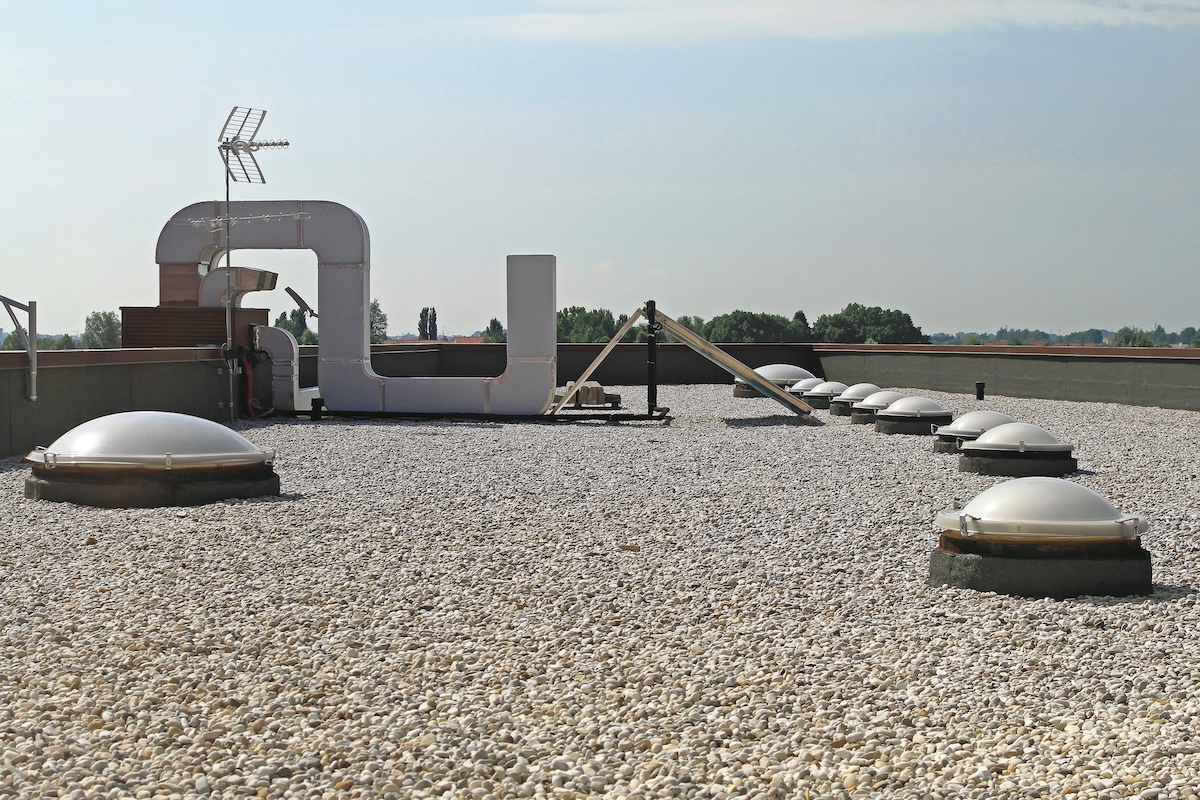

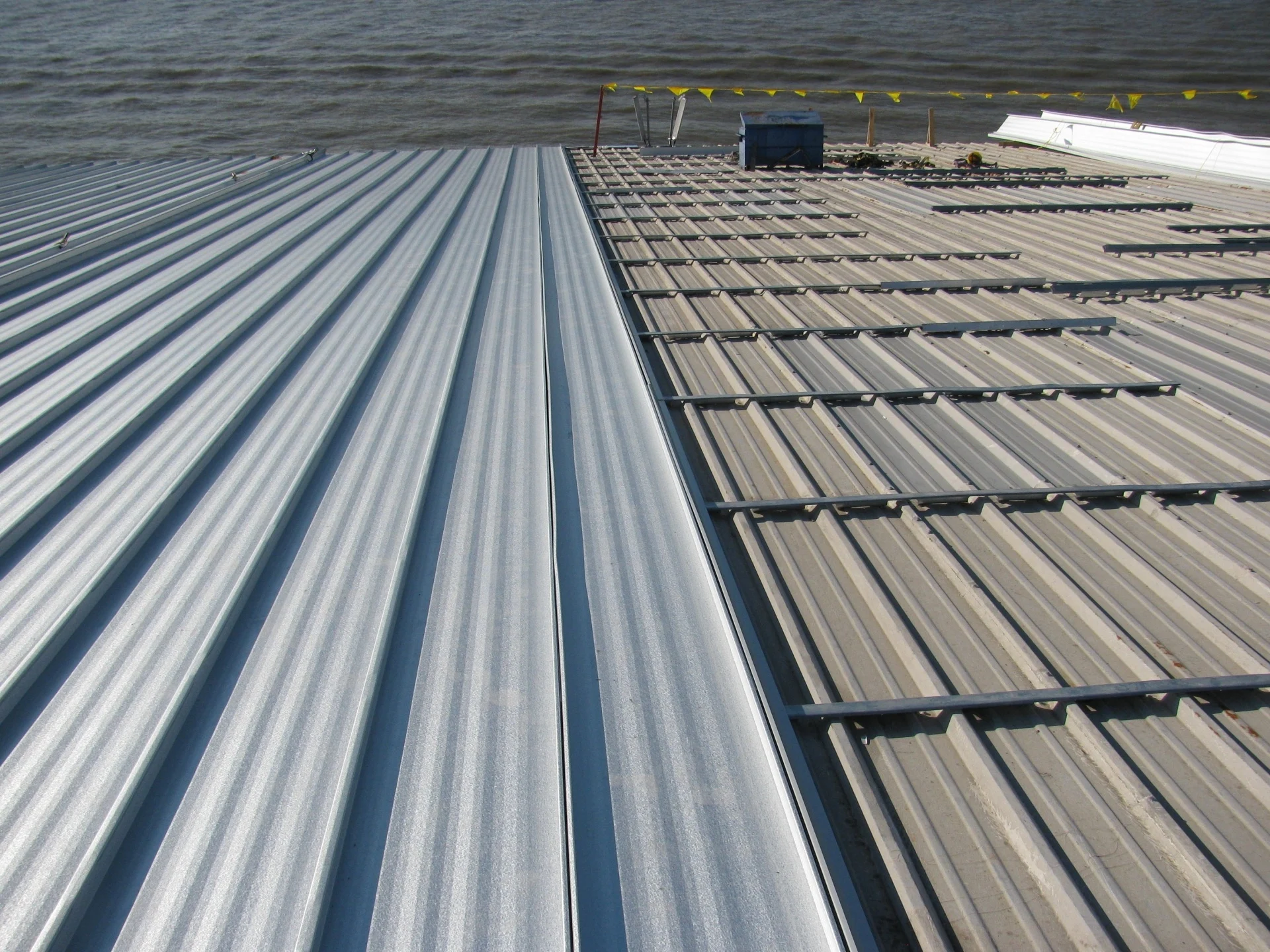
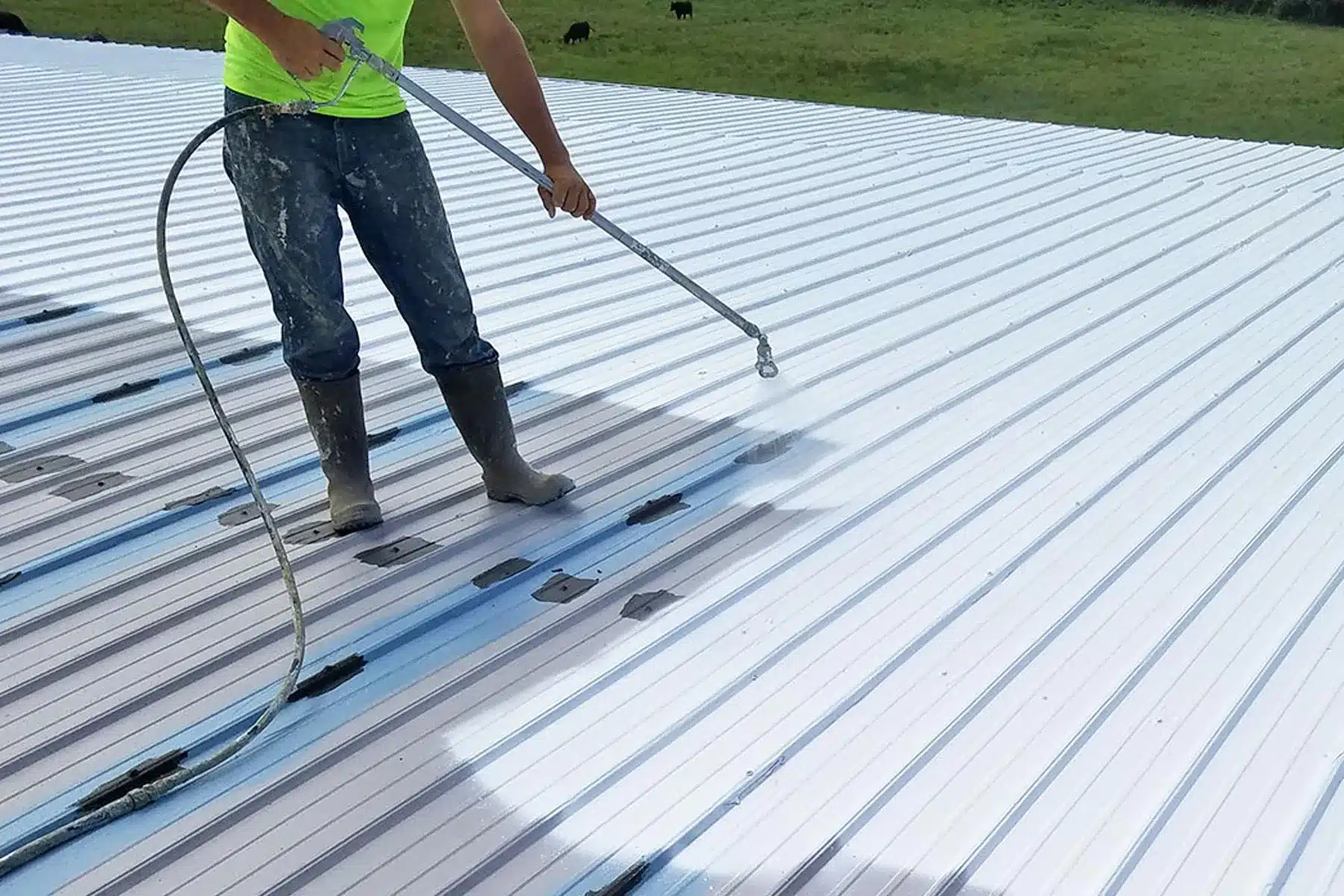
Spray polyurethane foam is the only roofing system that eliminates field membrane seams entirely — it cures to a seamless monolithic surface that covers penetrations, corrects slope, and adds R-value in a single installation pass. In Miami's combination of hurricane-season rain intensity and UV-intense summer climate, seamless installation eliminates the seam failures that account for a significant share of Miami commercial roof leak events.
SPF roofing begins as a two-component liquid that is spray-applied to the roof substrate, where it expands and cures to a rigid closed-cell polyurethane foam. The foam adheres directly to the substrate — concrete, metal deck, existing membrane, or insulation board — without fasteners or mechanical attachment. The absence of penetrating fasteners in the field membrane is both the system's primary performance advantage and the reason SPF requires a protective topcoat to survive Miami's UV environment: unprotected SPF degrades in months under South Florida's solar exposure.
The topcoat system determines SPF performance in Miami's climate. Silicone topcoat — applied at a minimum coverage rate per the Miami-Dade NOA — is the standard for Miami SPF installations because of silicone's superior UV resistance and its ability to remain waterproof under ponding water conditions. Acrylic topcoats are faster to apply and lower in material cost, but they lose waterproofing integrity when ponded water sits on the surface for more than 48 hours — a condition that occurs routinely on Miami commercial roofs during the wet season. We specify silicone topcoat on all Miami SPF projects.
Miami-Dade's NOA system covers SPF roofing assemblies, and the coverage is specific to the foam product, the topcoat product, and the application thickness. The foam manufacturer and the topcoat manufacturer may be different companies — the NOA must cover the combination as applied, not just each product individually. We verify that proposed SPF assemblies have current NOA approvals for the specific foam-and-topcoat combination before any project begins.
SPF for Slope Correction and Ponding Prevention
Miami's flat commercial roof stock has chronic ponding problems. The combination of Miami-Dade's low topography, buildings on oolite limestone subbase with minimal slope built into the original roof plane, and blocked or undersized drains produces ponding that accelerates single-ply membrane aging significantly. SPF can be applied in variable thickness — thinner in the field, thicker in ponding areas — to build positive drainage slope into a roof that was built flat. This slope correction capability is unique to SPF among common Miami commercial roofing systems.
The economic case for SPF on a ponding-problem building is often compelling: instead of a full tear-off and tapered insulation package (which requires demolition of the existing membrane and a significant material cost for the tapered insulation), SPF application corrects the slope in a single spray pass at a fraction of the tear-off replacement cost. The slope correction is permanent — the cured foam maintains its shape under Miami's thermal cycling and does not compact or shift over time.
Buildings on Miami Beach and near-bay properties with sea-level rise impacts are experiencing increasing drain backup frequency as storm surge and king-tide events block gravity drain discharge. SPF slope correction combined with drain upsizing is a documented response to this specific problem — building positive slope to concentrated drain locations reduces standing-water duration and the resulting waterproofing stress on the membrane surface.
SPF Installation in Miami's Climate: Humidity and Application Windows
SPF application requires substrate temperatures above the dew point and humidity below the manufacturer's specified maximum — typically 85% relative humidity for the specific foam product. Miami's wet season (June through October) produces extended periods of 90-plus percent relative humidity in the morning hours, which delays SPF application starts until surface temperatures are well above dew point. We schedule SPF production to begin after morning humidity drops — typically 9 to 10 AM during wet-season months — and monitor conditions continuously during application.
Substrate moisture content at the time of SPF application is critical. Even a membrane surface that appears dry may have absorbed moisture during overnight dew formation. We use moisture meters on existing membrane substrates and will not proceed with application over any surface with measurable moisture above the foam manufacturer's specified threshold. Foam applied over a wet substrate will blister, delaminate, and fail within the first weather cycle.
SPF over-spray in Miami's open-air commercial environment requires careful wind-speed monitoring. SPF droplets carried by wind can travel 200 to 300 feet from the application point and cause damage to adjacent vehicles, HVAC equipment, and building surfaces. We establish downwind drop zones and halt application when wind speeds exceed 10 mph at roof level — Miami's daily sea breeze pattern means that application must typically be completed before the mid-morning sea breeze onset.
SPF Maintenance and Topcoat Recoat Cycle
SPF roofs require topcoat recoat every 10 to 15 years to maintain waterproofing integrity — the silicone topcoat erodes from UV exposure and mechanical traffic over time, and the foam substrate begins to show UV exposure as topcoat film thickness decreases. The recoat is a cleaning-and-application operation without tear-off or substrate disruption, and it resets the waterproofing warranty. A properly maintained SPF roof with topcoat recoat cycles can achieve service lives of 30 to 40 years on a Miami commercial building.
Post-hurricane inspection on SPF roofs focuses on topcoat integrity at edges and any areas where foam was exposed to impact — SPF is resistant to puncture from typical foot traffic but can be damaged by flying debris. Exposed foam must be patched with compatible foam and topcoat promptly after a storm event, because unprotected foam degrades rapidly in Miami's UV environment.
Frequently asked questions
Does SPF roofing 65; color: #333;">SPF's uplift resistance mechanism is adhesive bond strength between the cured foam and the substrate — not fastener pattern. Miami-Dade NOA approvals for SPF systems specify the minimum substrate type and surface preparation required to achieve the NOA-rated bond strength. Substrates that are clean, dry, and properly primed per the NOA produce bond strengths that The NOA documentation we provide at closeout certifies that the installation was completed to the NOA-specified substrate preparation and application conditions.
Can SPF be installed on a Brickell high-rise rooftop?
SPF has been applied successfully on Miami high-rise rooftops, but the over-spray management challenge is substantially greater at elevated installations where wind exposure is higher and the area surrounding the building is occupied and sensitive. For high-rise applications, we evaluate SPF on a case-by-case basis against the application window and wind constraints specific to the building's exposure. Ground-level commercial buildings, warehouses, and low to mid-rise Miami commercial buildings are more straightforward SPF applications.
What does SPF do for my building's insulation value?
Closed-cell SPF provides approximately R-6.5 per inch of thickness. A 2-inch SPF application provides R-13; a 3-inch application provides R-20. For a Miami building that currently has inadequate insulation R-value, SPF can bring the roof assembly to Florida Energy Code minimum R-25 in a single application pass — without the insulation board layer that standard single-ply systems require. The thermal value, waterproofing, and slope correction are all provided by the same material in the same installation operation.
How do I know if my existing substrate is compatible with SPF?
SPF adheres to concrete, metal deck, existing single-ply membranes (TPO, EPDM, PVC), modified bitumen, and BUR when the surface is clean, dry, and properly primed. The substrate must be structurally sound — SPF does not bridge active structural movement at building joints, and it cannot be applied over wet or saturated insulation. We perform substrate assessment including moisture readings and bond pull tests before recommending SPF on any building with an existing roofing assembly.
Get an SPF qualification assessment for your Miami building.
Our project managers will assess substrate condition, moisture levels, ponding patterns, and wind exposure — and produce a written SPF specification with NOA documentation and slope-correction plan.
Explore More
- Modified Bitumen Systems
- Built Up Roof Systems
- Standing Seam Metal Systems
- Silicone Roof Coating Systems
- Cool Roof Systems
- Hurricane Damage Roof Repair Service
- Silicone Roof Coating
- Restaurant Roofing