Hollywood Commercial Roofing
Miami, FL · Service Areas
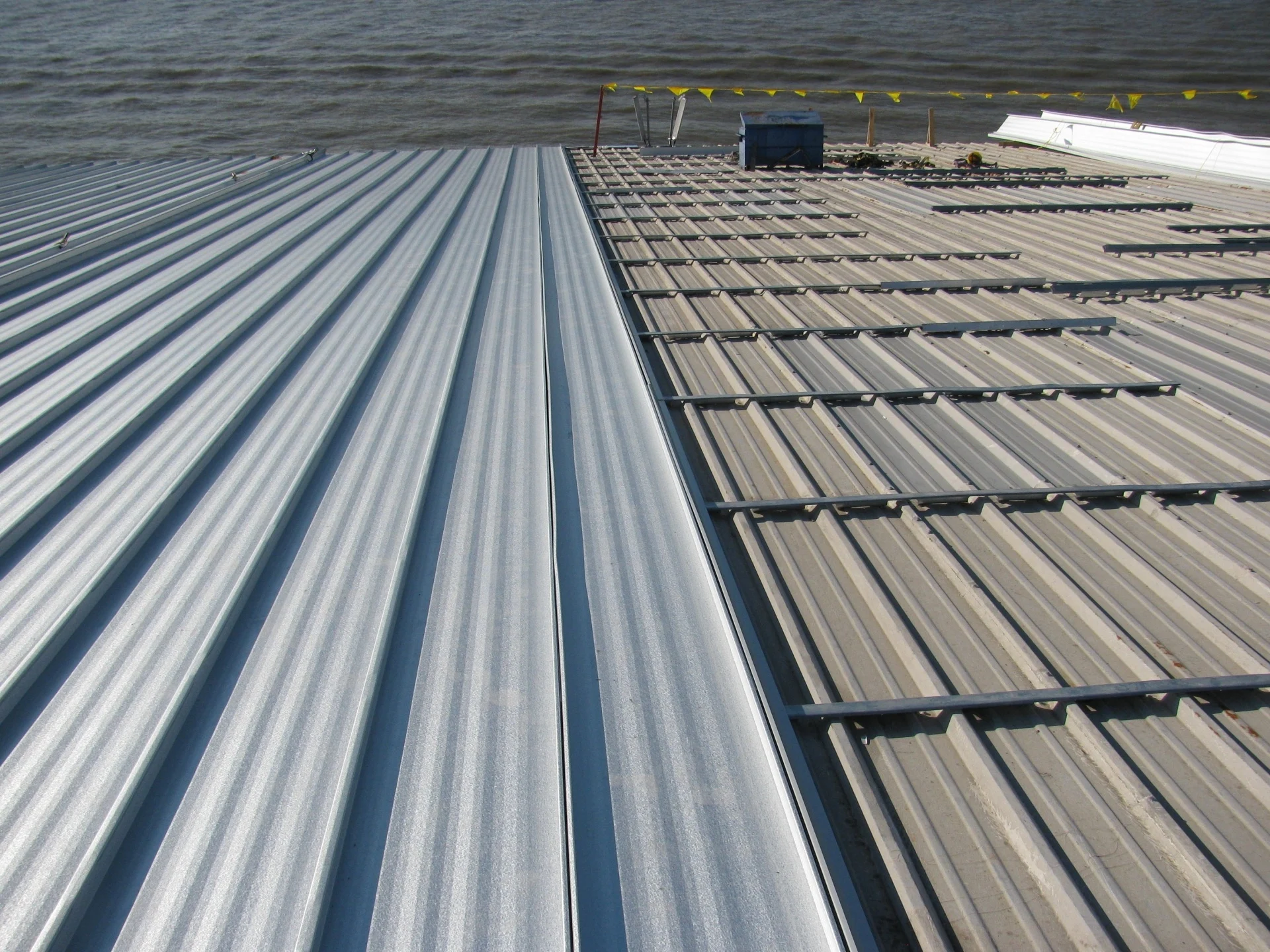
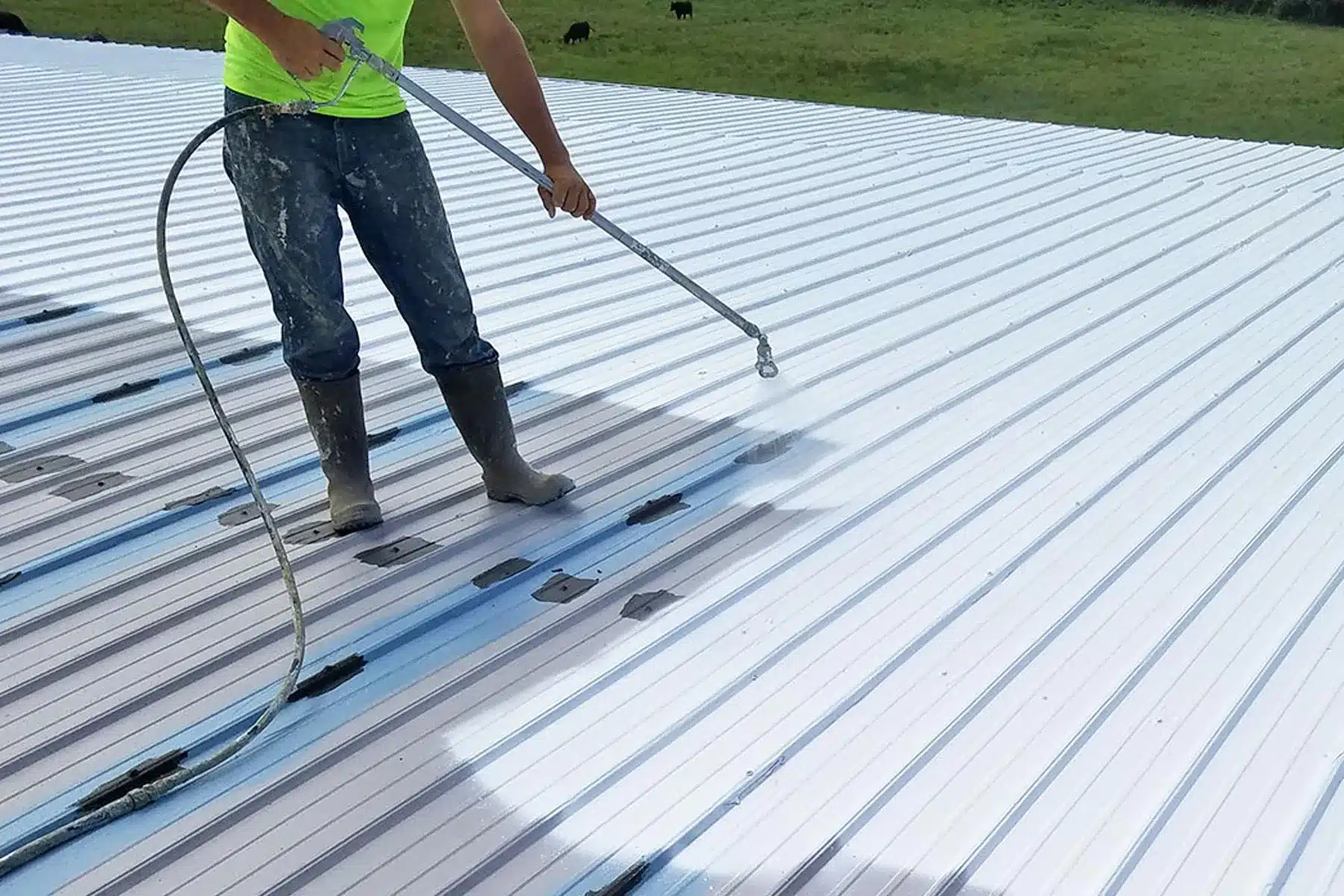
Hollywood's oceanfront commercial inventory runs from the Diplomat Resort and Convention Center complex on the north end of the beach to the Hollywood Beach Boardwalk commercial corridor. Our project managers cover the full Hollywood spectrum — beachfront hospitality, the Young Circle downtown district, and the US-1 commercial corridor running south toward Hallandale Beach.
Hollywood's beachfront location creates a specific set of roofing challenges that inland South Florida commercial buildings don't face at the same intensity. Salt spray corrosion at ocean-facing parapets, perimeter flashings, and rooftop mechanical equipment runs at a materially higher rate on Hollywood's A1A corridor than even two miles inland. Membrane degradation in the direct coastal exposure environment also runs faster — UV intensity combined with salt-air exposure shortens actual service life on some membrane systems by 15 to 20 percent versus manufacturer projections derived from inland test conditions.
The Diplomat Resort and Convention Center on Hollywood Beach is the largest single hospitality roof footprint in the Hollywood market. Hotel and convention center roofing at the Diplomat scale — multiple connected roof fields, continuous occupancy across all production phases, rooftop mechanical equipment serving large ballroom and convention spaces — requires a project management discipline that I build into the pre-construction plan before crews mobilize. The Diplomat has experienced multiple renovation phases since the original build-out, and the roof systems across different sections reflect different specification eras that all have to be assessed independently.
Away from the beach, Hollywood's commercial inventory breaks into two corridors: Young Circle and the Hollywood Boulevard downtown, and the US-1 strip running toward the Hallandale Beach line. Young Circle is a redeveloping urban core with a mix of adaptive reuse buildings and new mixed-use development. The US-1 corridor is mature suburban commercial — strip centers, auto dealerships, small office buildings — with the same first-and-second-generation membrane replacement cycle I see across South Broward.
Diplomat Resort Precinct and Beachfront Hospitality
Beachfront hospitality roofing in Hollywood has one non-negotiable: the roof cannot go out of service. Hollywood Beach hotel occupancy runs at high levels year-round, with peak season from December through April and a secondary peak during summer family travel. Production sequencing has to protect occupied guest floors from noise, vibration, and any possibility of water intrusion during production. Same-day dry-in is the discipline that makes this work — and it requires planning roof production around Miami's afternoon thunderstorm pattern when working during summer months.
Salt spray corrosion at parapet copings and perimeter edge metal is the failure mode I flag most consistently on Hollywood's A1A corridor. Aluminum coping on direct ocean-facing parapets can show significant corrosion within 10 years. Metal edge flashings at open ocean-facing perimeters corrode faster than on sheltered inland exposures. I document corrosion extent in the condition report and include perimeter metal replacement in the scope wherever coping or edge metal is at or past its service life in the coastal exposure environment.
Young Circle Downtown and Hollywood Boulevard
Young Circle's redevelopment zone — centered on the ArtsPark at Young Circle and the Hollywood Boulevard commercial spine — has brought a mix of adaptive reuse and new construction that creates an interesting roofing inventory. Converted buildings have aging substrates that need structural assessment before modern membrane systems are specified. New construction in this district is built to current FBC HVHZ standards, and the early-maintenance work on these buildings requires NOA documentation and manufacturer warranty coordination from day one.
The low-rise commercial buildings on Hollywood Boulevard between Young Circle and US-1 represent a straightforward Broward County mid-market replacement cycle — mostly first or second-generation modified bitumen or TPO, building sizes from 5,000 to 25,000 That's exactly what I provide.
Salt Air Exposure and Coastal Membrane Selection
Not every membrane system performs equally in Hollywood's coastal salt-air environment. EPDM is historically the most resistant to salt spray degradation at the membrane surface, which is why you see it specified more frequently on direct oceanfront buildings than TPO or PVC. TPO's UV resistance has improved in modern 60-mil and 80-mil formulations, but adhesive systems used in fully adhered installations require attention to application rates in coastal environments where the adhesive bond may be challenged by salt intrusion at seams.
Rooftop mechanical equipment on Hollywood beachfront buildings corrodes at a rate that affects roofing scope — HVAC unit bases and supports corrode and can penetrate membrane at support points before the membrane itself shows significant wear. I document equipment base condition and corrosion extent in every Hollywood beachfront roof inspection, because a roof replacement that goes in under corroded equipment bases is a roof that will see premature penetration failures before the first manufacturer warranty inspection.
Frequently asked questions
How do you handle roofing production on a continuously occupied beachfront hotel?
Production is staged in sections small enough to complete same-day dry-in before the building's interior can be exposed to weather. In summer months, that means working from 6 AM to 1 PM to beat the afternoon thunderstorm window. Guest notification is coordinated with the hotel's guest services team for the specific floors adjacent to each day's production section. No hotel floor goes exposed overnight, ever.
Is EPDM or TPO better for Hollywood's oceanfront buildings?
For direct-ocean-exposure roofs on Hollywood's A1A corridor, 60-mil EPDM fully adhered is a solid long-term call — EPDM's resistance to surface degradation from salt spray is better documented than TPO's in coastal exposure environments. For buildings set back from direct ocean exposure, 60-mil or 80-mil TPO mechanically attached with an NOA-compliant assembly is a competitive cost-performance option. The right answer depends on building-specific exposure conditions, membrane attachment method constraints, and what NOAs are active for the assembly.
Do you permit through Broward County or the City of Hollywood?
Hollywood is an incorporated Broward County city with its own building department. Commercial roofing permits go through the City of Hollywood Building Division. Permitting typically takes 3 to 5 weeks from complete application submission. Florida Building Code HVHZ requirements apply, and we submit Florida product approval documentation rather than Miami-Dade NOA.
Hollywood commercial roof inspection or beachfront building scope.
I'll walk the roof, document salt-air corrosion at perimeter metal and equipment bases, assess membrane condition and drain capacity, and deliver a written scope — with product approval documentation and coastal-exposure membrane recommendations included.
Explore More
- Doral
- Coconut Grove
- North Miami
- Miramar
- West Palm Beach
- Parapet Wall Repair
- Roof Replacement Planning
- Hotel Roofing