Food Processing Cold Storage
Miami, FL · Industries
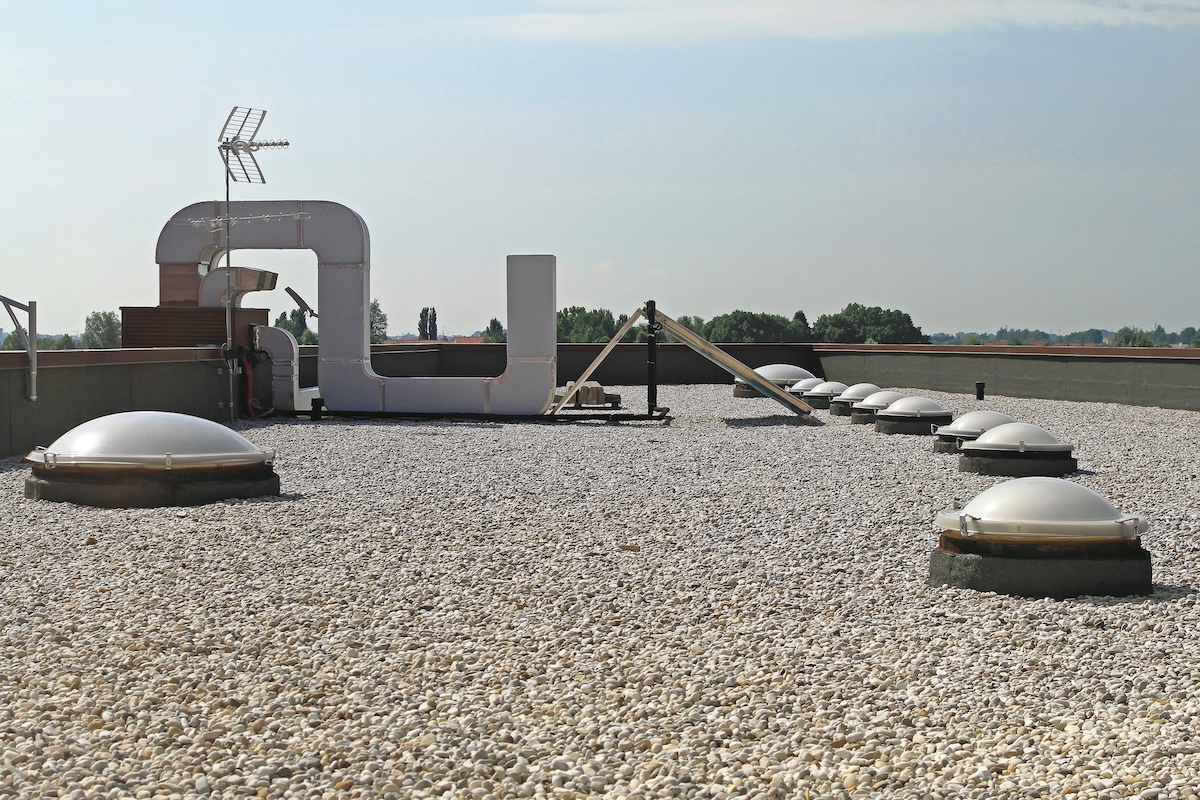

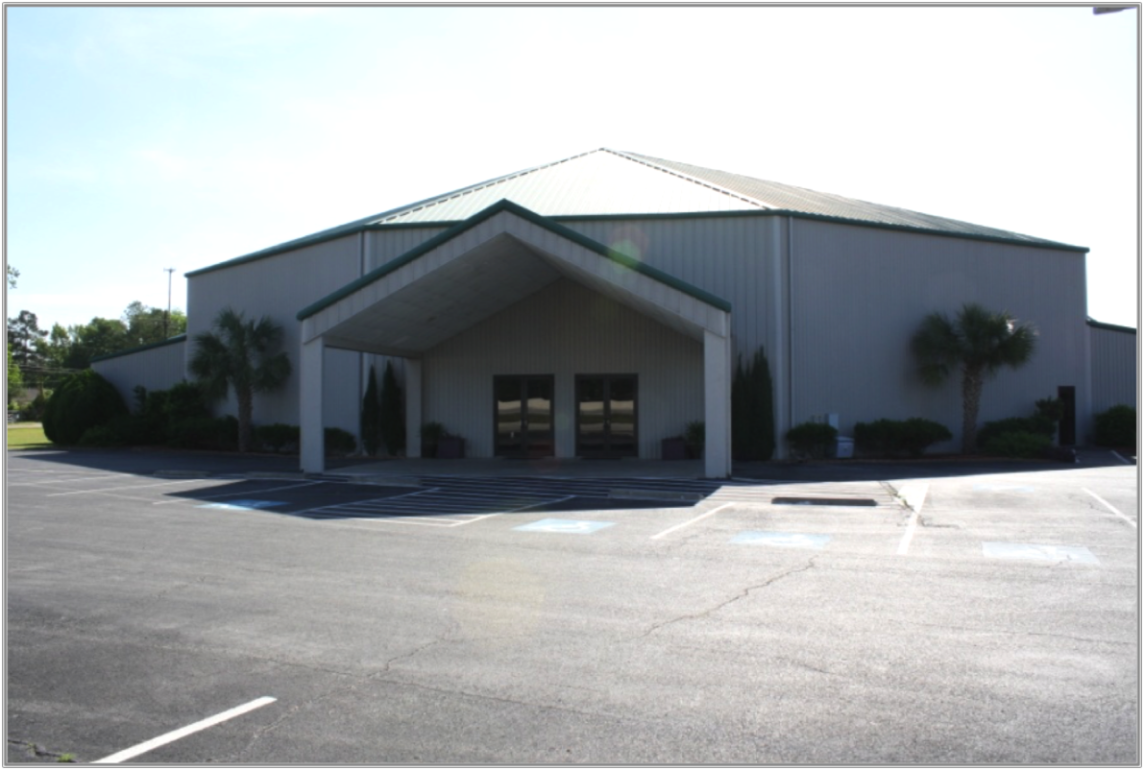
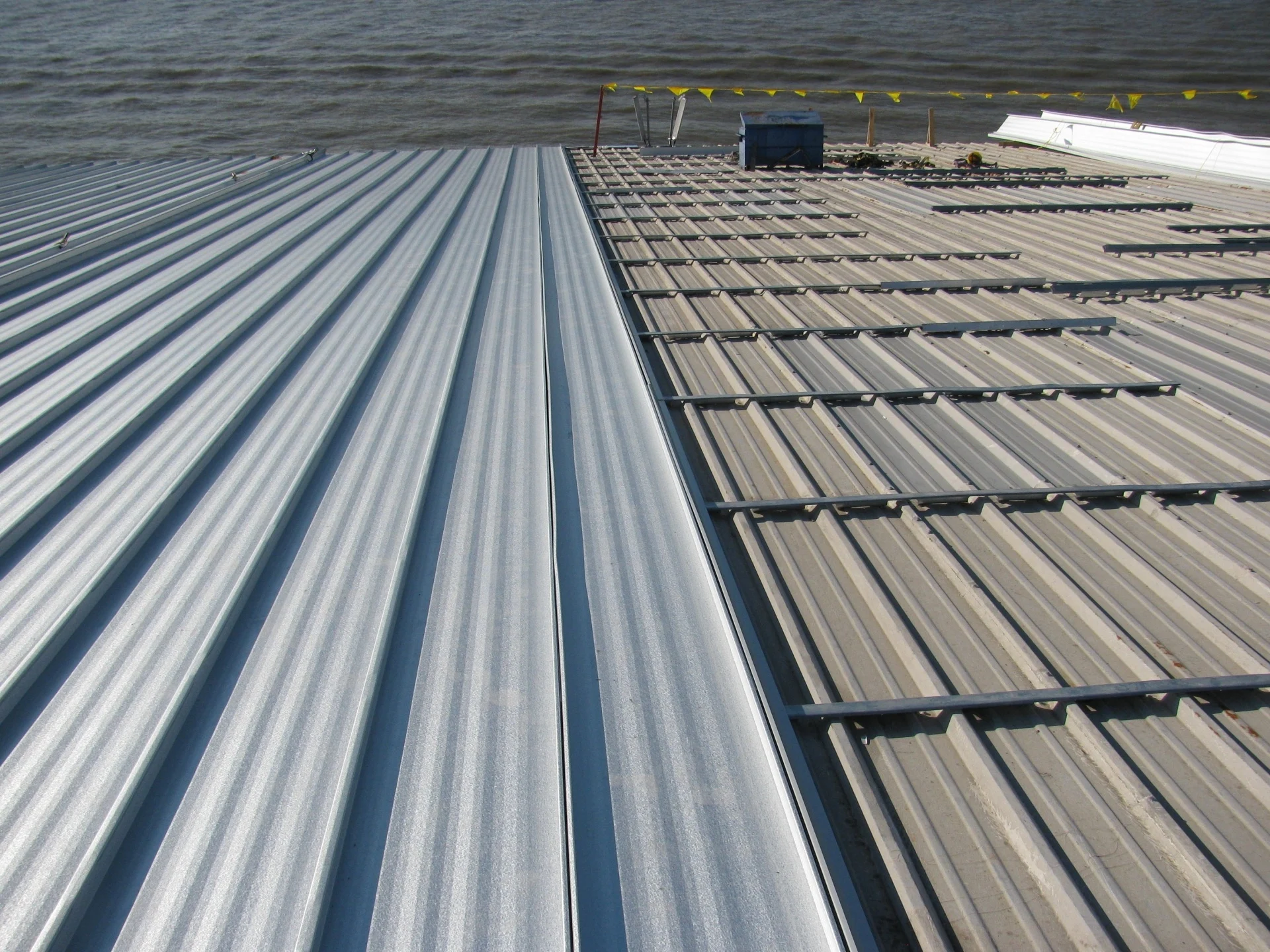
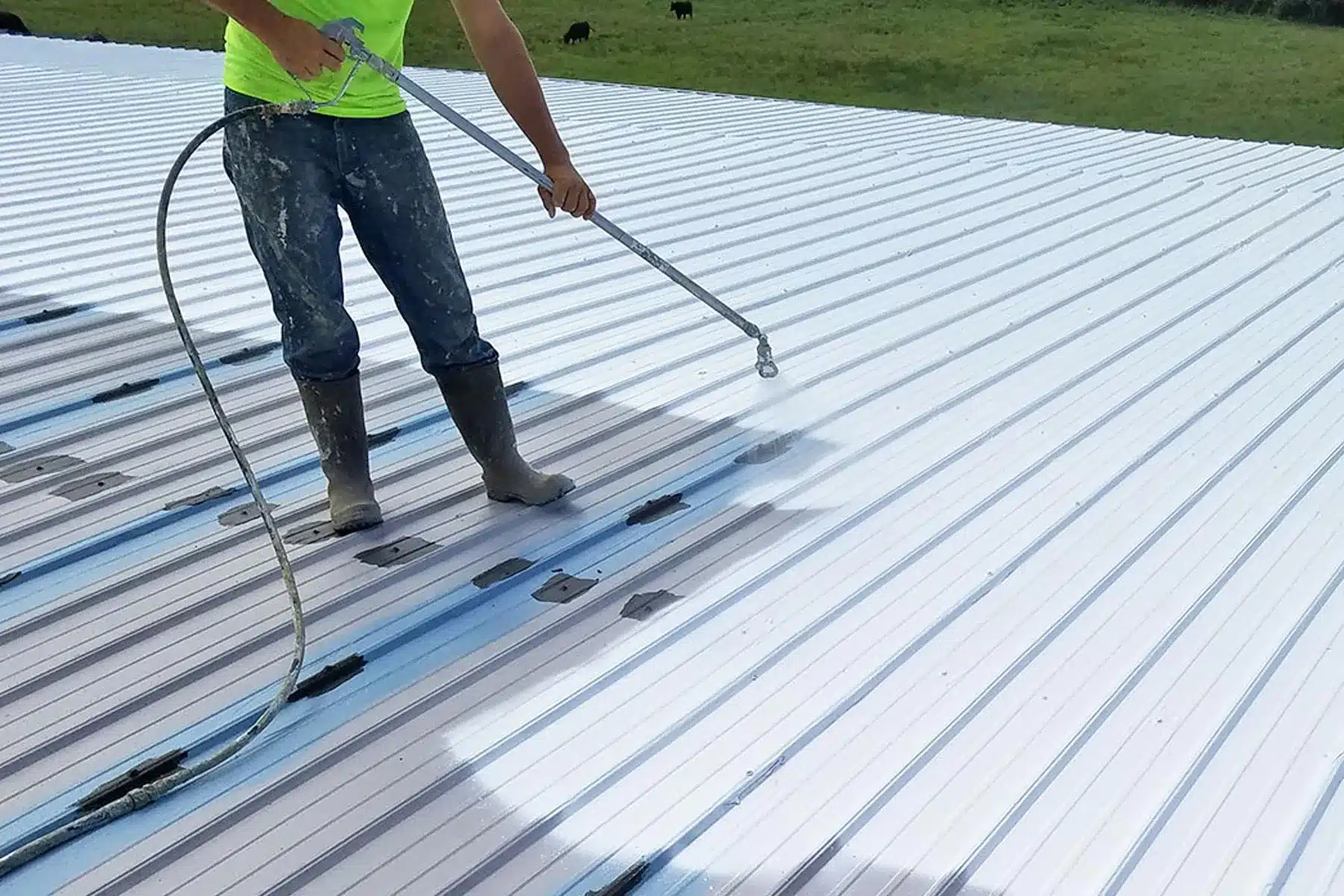
Roofing for food processing plants, cold storage facilities, and distribution centers throughout Miami, FL.
Miami is the gateway for tropical produce, seafood, and specialty foods entering the US market from the Caribbean and Latin America. The Port of Miami handles massive volumes of refrigerated containers — reefer units maintaining precise temperature control from origin port to Miami discharge — that represent some of the most time-sensitive cargo in the global shipping system. Sysco South Florida's distribution center is one of the largest food service distribution operations in the southeastern US, supplying restaurants, hotels, hospitals, and institutional food service customers across South Florida with refrigerated, frozen, and ambient products. The tropical produce cold chain in Miami serves importers and distributors whose inventories include mangoes, avocados, specialty citrus, and fresh herbs from dozens of Caribbean and Latin American origins. For each of these operations, commercial roofing systems must perform in one of the most demanding combinations of climate and food safety regulatory environments in the United States.
Miami's subtropical climate creates extreme year-round demands on cold chain facility roofing. The combination of ambient temperatures averaging 77°F year-round, summer heat indexes exceeding 105°F, and consistent high humidity — summer dew points in the 75–78°F range — creates inward vapor drive against cold storage buildings that is among the most persistent in any US market. There is no winter relief period in Miami's vapor management challenge: the exterior is warm, humid, and pushing moisture inward against cool and cold interiors 365 days a year. Cold storage roofing assemblies in Miami must be designed for this sustained inward vapor load, with vapor retarders positioned on the exterior warm side and insulation assemblies that maintain their designed R-value despite the relentless thermal and vapor stress of Miami's subtropical environment.
The Port of Miami refrigerated container operations create a food safety and facility management environment that combines maritime infrastructure with food cold chain compliance requirements. USDA and FDA inspection presence at Miami port facilities is substantial, and the physical condition of facilities where refrigerated cargo is received, staged, and transferred is subject to regulatory scrutiny. Building envelope conditions — including roofing — that could allow contamination of refrigerated cargo during port operations represent both a food safety and a trade compliance concern. Contractors serving port cold chain facilities must be prepared to work within port security frameworks and understand the regulatory context of the facilities they are maintaining.
Sysco South Florida's distribution center operates as a temperature-controlled warehouse and order assembly facility that handles thousands of product SKUs across multiple temperature zones simultaneously. The building's roofing system must support temperature zone separation — typically ambient, refrigerated (34–38°F), and frozen (-10°F) areas within a single facility — across a large footprint. Zone transition areas where adjacent temperature-controlled spaces meet require careful roofing and vapor barrier detailing to prevent moisture migration between zones and manage the differential thermal movement between areas maintained at very different temperatures. Roofing contractors who have experience with multi-zone temperature-controlled distribution centers understand these transition zone requirements; those who do not may create long-term moisture problems at zone boundaries.
HACCP compliance in Miami's food import and distribution sector is governed by multiple overlapping regulatory frameworks. FDA regulates most food products under FSMA, while USDA regulates meat, poultry, and egg products. Port operations involving imported food face additional oversight from CBP and FDA's import program. For each regulatory framework, the physical facility conditions — including roofing — are among the criteria evaluated during inspections and audits. Documented roofing maintenance programs, with records of inspections, identified deficiencies, and corrective actions, are evidence of the facility management commitment that regulators and private food safety auditors expect from facilities operating at the scale and consequence level of Miami's food import infrastructure.
Hurricane preparedness is not optional for Miami food cold chain facilities — it is a regulatory, insurance, and operational requirement. Florida Building Code HVHZ provisions require roofing systems approved for Miami-Dade's high-velocity hurricane zone, and food storage facilities that lose roof integrity during a hurricane face compound losses: physical building damage, refrigeration system compromise from flooding or power loss, and food product loss from temperature excursions that accompany any cold storage building compromise. Pre-hurricane roofing inspection protocols — verifying membrane integrity, drain system functionality, and equipment curb attachment — should be completed by May each year before hurricane season begins, and post-storm rapid assessment capability should be pre-arranged with roofing contractors before any storm event.
Cool roofing is particularly valuable for Miami cold chain facilities because it directly reduces the refrigeration load that is the dominant operating cost. A conventional dark membrane on a Miami cold storage facility reaches surface temperatures of 170–180°F, creating enormous solar heat gain that the refrigeration system must overcome. High-reflectance white TPO or coated membranes reduce roof surface temperatures by 60–80°F, with measurable reductions in refrigeration energy consumption. On large distribution center footprints common in Miami's food logistics sector, the annual energy savings from cool roof specifications can be very large in absolute terms, producing payback periods on the premium specification that make high-reflectance roofing the financially rational baseline choice.
The tropical produce cold chain in Miami depends on rapid temperature recovery when product is received from high-temperature transit environments. Receiving docks and pre-cooling rooms are designed to quickly reduce product temperature from ambient transit conditions to cold storage setpoints, and the building envelope performance of these areas affects how quickly and efficiently this temperature recovery occurs. Roofing systems above receiving areas must manage both the high thermal load from dock door cycling — which brings ambient exterior conditions into the building repeatedly throughout operating hours — and the vapor loads generated by high-volume produce respiration in densely loaded receiving areas. These are among the most thermally and vapor-loaded areas in a food distribution facility, and roofing specifications for these zones should account for the elevated stress they experience.
Miami's flood risk from both tropical storms and increasingly frequent heavy rainfall events has elevated awareness of the interface between roofing and site drainage for cold chain facilities. Ground-level refrigeration equipment, electrical infrastructure, and food product staging in receiving and shipping areas can be affected by storm surge or flash flooding that overloads site drainage systems. While roofing is the first line of defense against rainfall, the interaction between roof drainage, site drainage, and the potential for flooding to affect building perimeter areas must be considered in comprehensive facility resilience planning. Contractors who understand the intersection of roof drainage engineering and site flood risk can provide more valuable planning guidance for Miami cold chain operators than those who treat roofing as an isolated building component.
Preventive maintenance for Miami food cold chain roofs should include pre-hurricane season inspections in May, post-storm assessments after any tropical weather event, and semi-annual general inspections in November and May to capture both post-hurricane-season and pre-summer condition assessments. All maintenance documentation must meet FSMA and HACCP recordkeeping standards and should be organized to support both warranty claims and food safety audit responses. Miami's year-round roofing weather makes it possible to schedule maintenance at any time, but the hurricane season timing of potential damage events makes pre-season preparation the highest-priority maintenance investment for cold chain facilities in this market.
Frequently Asked Questions: Food Processing & Cold Storage Roofing in Miami, FL
Frequently asked questions
Do you work on M-DCPS school building projects?
Yes. We are familiar with the Miami-Dade County Public Schools capital projects procurement process, vendor prequalification requirements, and the Office of School Facilities' project management and documentation standards. School Board projects require certified payroll compliance, specific insurance certificate language, and milestone payment applications — we maintain these as standard documentation for school board work.
How do you complete school building reroofs during the summer window?
We staff school building projects to the production rate the academic calendar requires, not to a minimum crew. A 120,000-square-foot elementary school with a 10-week summer window needs a crew deployment that can complete that footage — including permitting, tear-off, and final inspection — within the window. We present a specific crew size and daily production rate projection at the pre-bid stage so the school district can evaluate the schedule commitment before the contract is awarded.
What is the procurement process for university roofing projects at UM or FIU?
Both University of Miami and Florida International University run competitive bid processes for roofing projects above the applicable threshold. UM is a private institution with its own facilities management procurement process; FIU follows Florida public university procurement requirements. Both require contractor qualification documentation — bonding capacity, insurance certificates, license, and project references — before the bid submission. We maintain current qualification documentation and can submit on short notice for projects in the solicitation window.
How do you handle research lab buildings where leaks could damage ongoing research?
Research buildings get a higher-frequency inspection cadence in our maintenance contracts — quarterly inspection of sections above lab spaces and critical research equipment areas, in addition to the annual full-roof inspection. Emergency response to leak calls in research buildings is prioritized to same-day dry-in because the cost of a research disruption event can dwarf the cost of an emergency repair call. We document the sections above all critical research spaces in our initial inspection and flag them explicitly in the maintenance contract scope.
Get a written roof assessment for your Miami educational facility.
Our project managers understand the academic calendar constraints, public procurement requirements, and active-campus scheduling that educational roofing in Miami-Dade requires. We will document the condition and deliver a written scope that works within your timeline and procurement framework.
Explore More
- DST Roofing
- Logistics Port Roofing
- Financial Services Roofing
- International Trade Roofing
- Entertainment Media Roofing
- Roof Recover Overlay
- Commercial Roof Repair
- Industrial Roofing