Hospitality Roofing
Miami, FL · Property Types
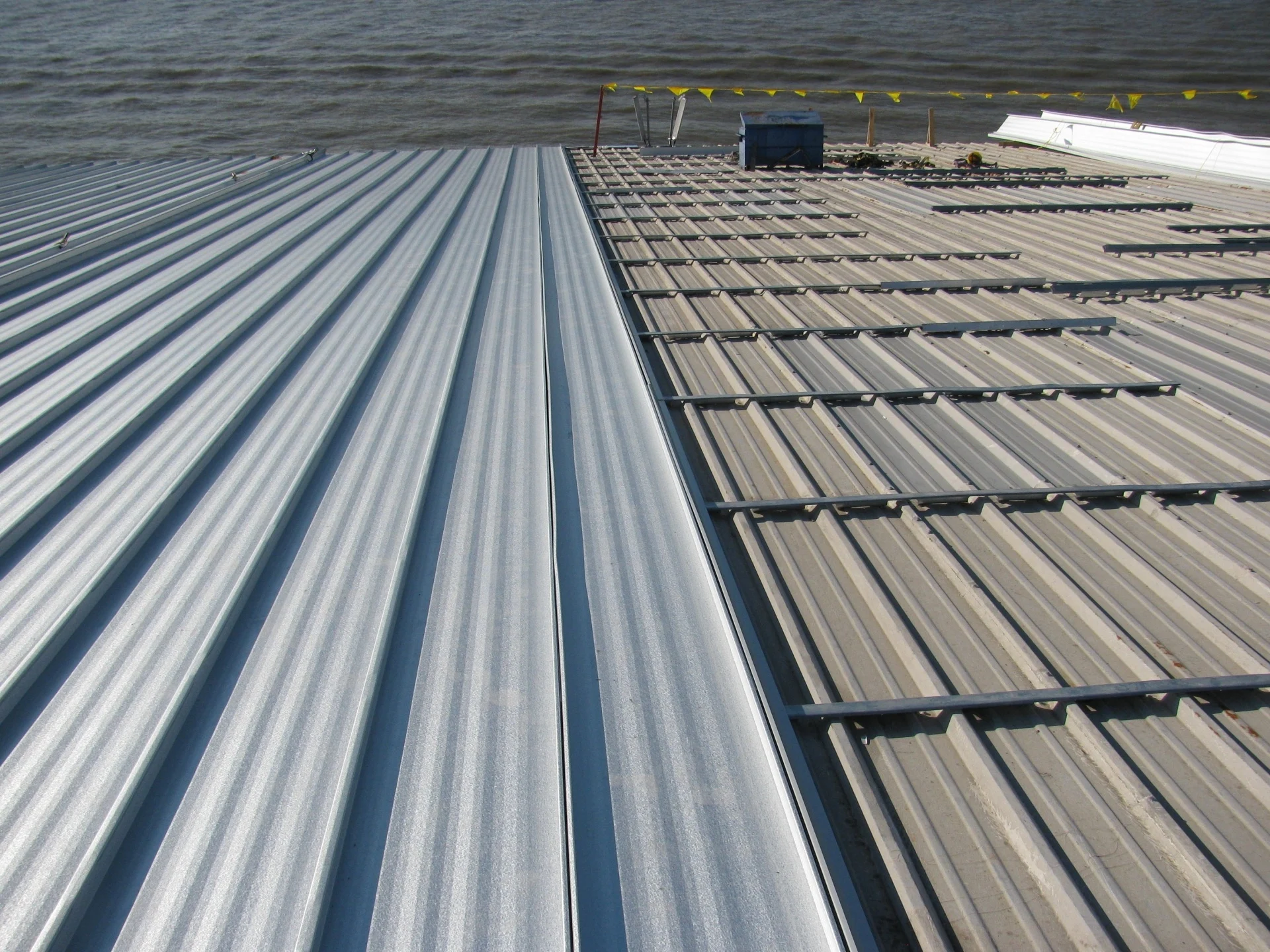
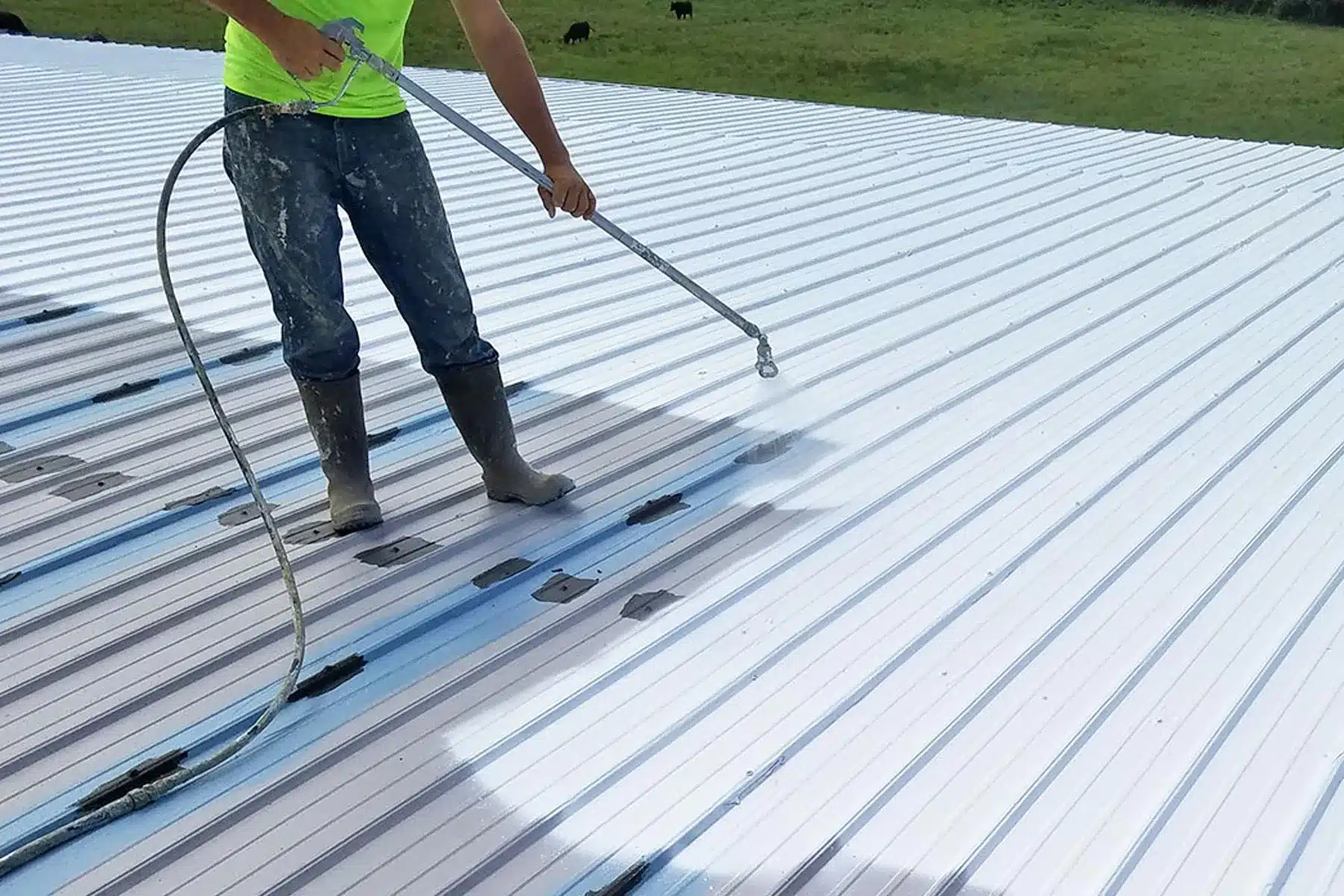
A hotel roof replacement in Miami has one constraint that drives everything else: the hotel is open every night of the project. Guests paying Miami Beach rates expect a quiet room at 10 PM. Production schedules that do not account for that reality do not work — and neither does the contractor who ignores it.
Miami's hospitality market is one of the most competitive in the country. Miami Beach's South Beach hotel cluster — the strip of Art Deco, MiMo, and contemporary hotels along Collins Avenue, Ocean Drive, and Washington Avenue — runs year-round occupancy with rate pressure that makes any guest disruption a revenue event, not just an inconvenience. Downtown Miami's convention hotel cluster, centered on the Miami Beach Convention Center and the InterContinental and Marriott properties near Bayfront Park, runs convention group business that books months in advance and cannot accommodate roofing-related lobby noise or parking disruption. Brickell's business hotel market — the W, the EAST, the JW Marriott Marquis — serves a corporate and luxury leisure clientele with high service expectations.
Hotel roofing in Miami is not structurally different from other commercial flat roofing. The membranes, the NOA requirements, the HVHZ compliance standards — those are the same. What is different is the operational constraint: the building is generating revenue every hour of every day, and the roofing project cannot disrupt that revenue generation beyond the minimal unavoidable impact of having construction on the roof. That constraint drives the production schedule, the noise management plan, the material staging location, and the communication protocol with the hotel's operations team.
Miami Beach Hotel Cluster: Collins Avenue to Ocean Drive
Miami Beach's South Beach hotel corridor contains three generations of hospitality buildings. The Art Deco-era hotels from the 1930s and 1940s — buildings like The Betsy, The Delano, and the Setai — were originally mid-rise residential apartment buildings converted to hotel use, and their roof structures reflect original 1930s-1940s concrete construction. The MiMo-era hotels from the 1950s through 1970s — The Fontainebleau, Eden Roc, and the buildings along Upper Collins — are larger-format mid-century concrete buildings. Contemporary hotels built or substantially renovated from 2000 onward carry current HVHZ-compliant roof systems in their first or second maintenance cycle.
Art Deco and MiMo-era hotel buildings on Miami Beach are managed under Miami Beach Historic Preservation Board oversight for properties within the historic district. Roof modifications that are visible from the street — parapet treatments, rooftop mechanical equipment screening, and changes to the overall rooftop profile — require HPB review. We work with the hotel's ownership team to identify what modifications require board review and what can proceed through standard permitting.
South Beach hotels operate at peak occupancy during the winter season — October through April — which is exactly the period when roofing work is most comfortable for crew production in Miami's climate. The conflict between peak hotel occupancy and optimal roofing production weather is real. Most South Beach hotels prefer to schedule roof replacement projects in the May through September off-peak window, which aligns with Miami's summer rainy season — a production constraint that requires more intensive daily weather management but is operationally preferable to disrupting peak-season guests.
Downtown Convention Hotels
Miami's downtown convention hotel cluster serves the Miami Beach Convention Center market, the PortMiami cruise hotel demand, and the Bayfront Park event venue audience. The InterContinental Miami, the Hyatt Regency Miami, and the JW Marriott in Brickell represent large-format convention hotels with complex roof structures — multiple roof levels, mechanical equipment-intensive rooftops, and in some cases rooftop function spaces that are revenue-generating amenities.
Convention hotel roofing projects require coordination with the hotel's sales and catering team, not just the facilities team. Convention group bookings that use the rooftop terrace or that have sleeping room blocks on the top floors will affect what production windows are available. A roofing project that is scheduled over a major convention week at a downtown Miami hotel is a breach of the relationship with the hotel's operations team. We get the hotel's event calendar for the project period and build the production schedule around the blocked windows.
Rooftop mechanical equipment on convention hotels — large We develop a mechanical protection plan with the hotel's chief engineer before mobilizing and document equipment condition before the project starts.
Brickell Business Hotels: After-Hours Production
Brickell's business hotel market runs a weekday-heavy demand pattern — the W, EAST, and JW Marriott Marquis carry high Monday-Thursday corporate and luxury leisure occupancy that drops on weekends. This demand pattern often makes weekend production scheduling more available than at leisure-market hotels where Saturday is the highest-rate night.
Crane permitting on Brickell Avenue for hotel roof work carries the same City of Miami right-of-way permit requirements as office tower crane work. The difference is that hotel operations — valet parking, guest drop-off, food and beverage delivery — need to continue during the project, which means crane placement and swing radius planning has to account for active hotel operations at grade, not just the roof level.
Brickell hotel rooftop pools and amenity decks are revenue-generating assets — the pool bar at a Brickell luxury hotel generates meaningful food and beverage revenue. Any roofing scope that involves work adjacent to the pool deck has to plan around the pool's revenue schedule. If the pool can be closed for a specific period that allows adjacent roofing work to proceed, that sequence is designed with the hotel's revenue manager involved — not determined unilaterally by the roofing project schedule.
Frequently asked questions
Can you replace a Miami Beach hotel roof without disrupting guests?
Managed correctly, disruption is minimal. High-noise phases — tear-off, mechanically fastened membrane installation — are scheduled for early morning before guest wake-up time, or overnight if the hotel operations team approves overnight access. Material delivery is scheduled for early morning before the busiest guest check-out window. We provide the hotel's front desk and concierge team with daily construction updates so they can address guest questions proactively.
Our hotel is in the Miami Beach historic district. What does that mean for the roof replacement?
It means any visible changes to the rooftop profile, parapet treatments, or rooftop equipment screening may require Miami Beach Historic Preservation Board review. The board meets monthly, so historic district review can add 4 to 6 weeks to the permitting timeline. For standard roof membrane replacement that does not change the visible character of the building, HPB review is typically not required — we confirm the specific applicability in pre-construction planning.
When is the best time to schedule a South Beach hotel roof replacement?
Most South Beach hotel owners prefer the May through September off-peak window to avoid disrupting winter-season peak occupancy. May and June are the most favorable combination of reduced hotel occupancy and pre-rainy-season production conditions. July through September is the heart of Miami's summer rainy season, which requires more intensive daily weather management but is still preferable to winter-season production at a peak-occupancy South Beach property.
Our downtown convention hotel has a rooftop terrace used for events. How do you sequence around that?
We get the catering and events calendar for the project period before writing the production schedule. Rooftop terrace event dates become hard production blocks — no work on or adjacent to the terrace on event dates. Membrane installation around the terrace perimeter is scheduled for the deepest low-event windows in the calendar. If the terrace has to be closed for a sustained period during the project, we give the sales team a specific date range to block in advance so event rebooking can happen before the project starts.
Get a roof assessment and production plan for your Miami hotel.
I'll walk the roof, document the condition and HVHZ compliance status, and build the production plan around your hotel's occupancy calendar and event schedule — so the scope is ready to execute in your next low-occupancy window.
Explore More
- Mixed Use Development Roofing
- Airport Terminal Roofing
- Fire Station Roofing
- Retail Roofing
- Data Center Roofing
- Condition Reporting
- University Campus Roofing
- Parapet Wall Repair