Healthcare Roofing
Miami, FL · Industries
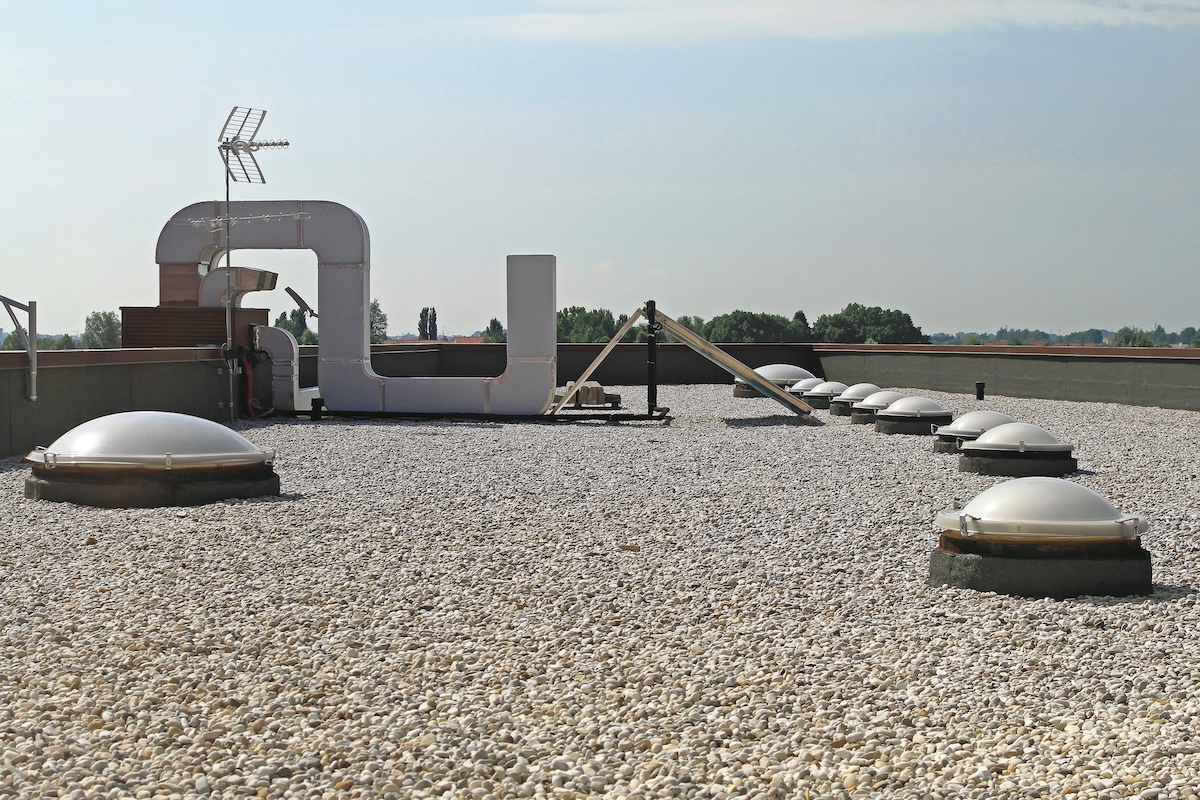

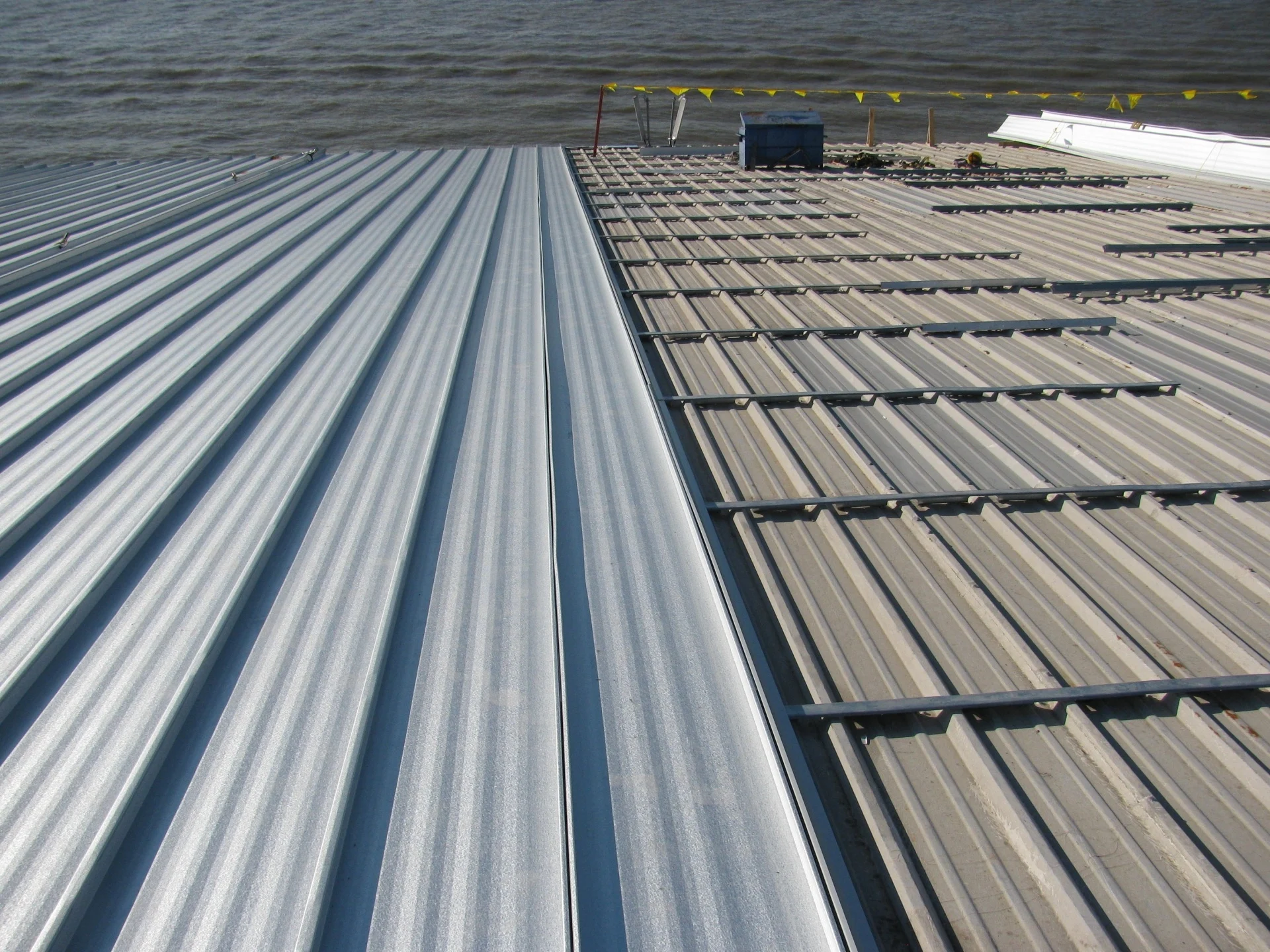
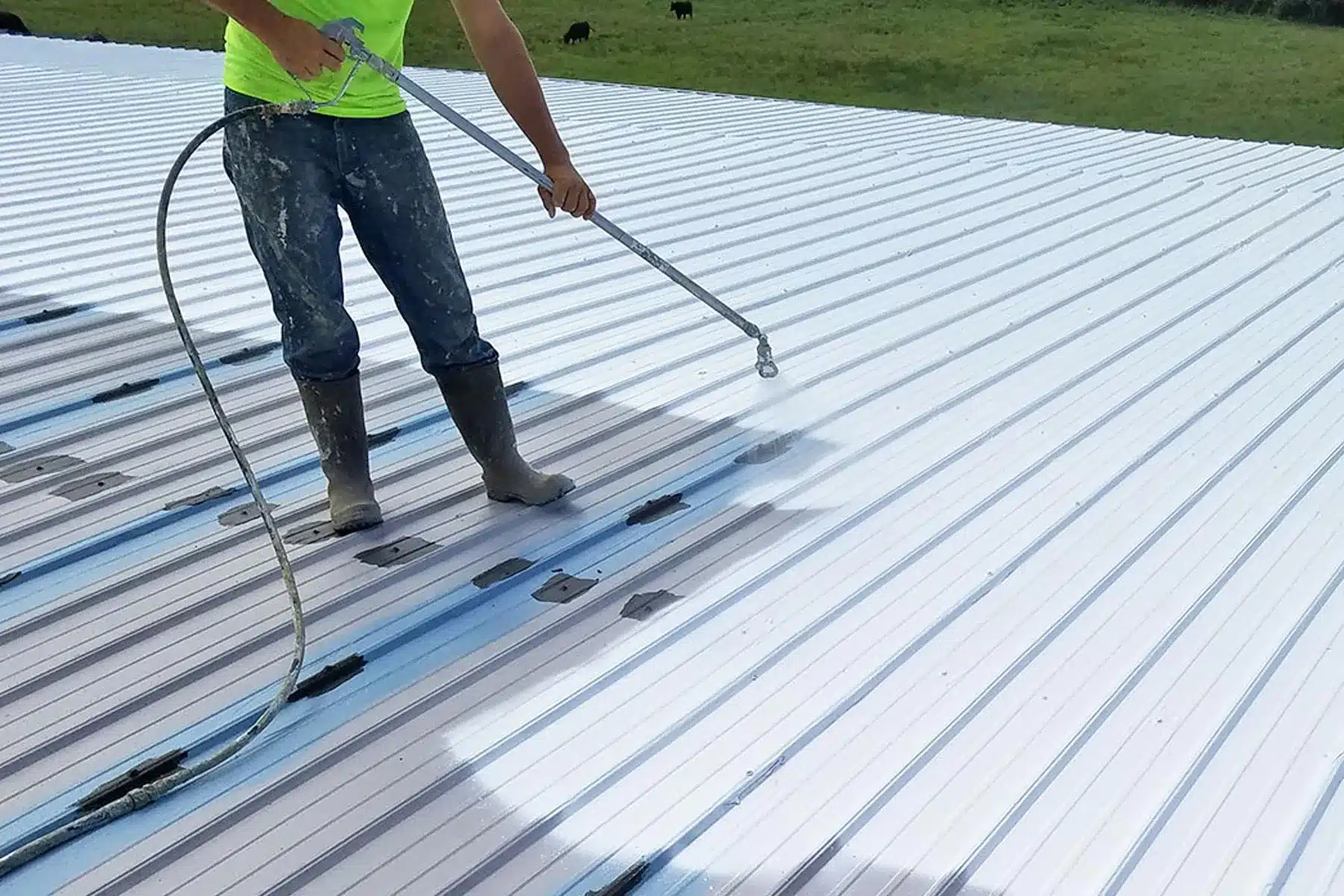
Jackson Memorial, Baptist Health, UM Health, Mount Sinai Medical Center, and Miami Clinic Florida represent some of the most demanding roofing environments in South Florida. Active patient floors, sterile field adjacency, 24-hour critical operations, and zero tolerance for unplanned water intrusion — we plan around all of it before the first crew arrives.
Healthcare roofing in Miami sits at the intersection of two unforgiving requirements: the Florida Building Code's High-Velocity Hurricane Zone standards that every Miami-Dade roof must meet, and the infection-control, scheduling, and documentation standards that hospitals and medical campuses impose on any contractor working in proximity to patient care areas. Getting either wrong has consequences that go beyond a warranty dispute.
The Jackson Health System — the county's public hospital network, centered on Jackson Memorial Hospital at — operates one of the largest medical campuses in the Southeast. Reroofing work on the Jackson campus has to account for emergency trauma access routes that cannot be blocked, HVAC intakes that cannot be exposed to tear-off dust and debris, and helicopter landing zones that impose strict clearance requirements on crane placement and material staging. We have scoped replacement and major repair work on large hospital campuses long enough to know that the pre-construction logistics plan is as important as the roofing specification itself.
Baptist Health South Florida, with its network of hospitals from Kendall to Homestead to Boca Raton, represents a different operational environment — newer construction on most campuses (Baptist Hospital of Miami was built in the 1960s but has been substantially upgraded), active infection-control programs, and a facilities team that manages roof assets across multiple buildings on a capital-plan cycle. Mount Sinai Medical Center on Miami Beach brings the Miami Beach building department's permit process into the equation alongside the hospital's own vendor qualification requirements.
Scheduling Around Active Medical Operations
The baseline constraint on any hospital roofing project is that the building does not stop operating. Jackson Memorial Hospital's trauma center is one of the busiest in Florida. Baptist Health South Florida's South Miami Hospital, Kendall Regional Medical Center, and the West Kendall Baptist Hospital each operate 24-hour emergency departments and surgical suites. UM Health's Bascom Palmer Eye Institute on NW 14th Avenue handles elective and urgent ophthalmic surgery continuously. None of these operations pause because a roof section is in production.
Our pre-construction scope on healthcare projects includes identifying which roof sections are directly above sterile, patient-occupied, or infection-sensitive spaces. Those sections get night and weekend scheduling, positive-pressure containment during tear-off to prevent dust migration into supply air intakes, and same-day dry-in as a hard contractual requirement — not a best-effort goal. Sections above mechanical rooms, storage, and administrative areas can run on a standard daytime production schedule.
Miami Clinic Florida's campus in Weston adds a Broward County permitting layer and a facilities team that runs off a detailed vendor management system. We maintain the documentation — insurance certificates, safety certifications, workers' compensation verification — in formats their system requires, so qualification processes do not delay project starts.
Infection Control and ICRA Compliance
The Infection Control Risk Assessment (ICRA) process that hospital infection-control departments require for construction and maintenance work applies to roofing contractors working on or adjacent to occupied medical buildings. On Jackson Memorial campus projects, we coordinate with the Jackson Health System's infection-control team to classify each work zone, implement the required barriers and containment, and document daily compliance. The same applies on Baptist Health campuses, where the facilities team distributes ICRA protocols as part of the standard contractor onboarding packet.
Concrete saw cutting, demolition of old parapet coping, and any work that generates fine particulate near HVAC fresh-air intakes requires pre-work coordination to temporarily isolate the intake, monitor air quality at the intake, and restore normal operation before the work shift ends. This is not unusual in healthcare roofing — but it does require a project manager who has done it before, not one who is figuring it out on a live hospital campus.
Water intrusion in healthcare facilities carries elevated stakes beyond structural damage. Even small quantities of water reaching a ceiling assembly above an immunocompromised patient ward can create mold conditions that require a facility response disproportionate to the leak itself. Our maintenance contract inspections on healthcare buildings prioritize the sections most likely to become water pathways — drain sumps, perimeter flashings, and penetration details around HVAC equipment — because the cost of prevention is dramatically lower than the cost of a moisture-related remediation event in a clinical space.
NOA Compliance and Manufacturer Warranty on Hospital Campuses
Hospital buildings in Miami-Dade must The difference is that the consequence of a roof failure during or after a hurricane is not just property damage — it is potential loss of the facility's operational capacity during the period when demand for emergency medical care is highest.
Mount Sinai Medical Center, as a Miami Beach building, runs through the City of Miami Beach's building department for permits, which has its own review timeline separate from Miami-Dade County. The hospital's facilities team requires manufacturer warranty documentation at closeout that specifies the NOA approval numbers for the installed assembly, not just the warranty term. We provide this as a standard closeout deliverable, not a special request.
For large campus replacements — Jackson Memorial's main tower complex, Baptist Hospital of Miami's multi-building campus — the manufacturer warranty path typically involves annual warranty inspection visits by the manufacturer's field representative. We coordinate those visits as part of the maintenance contract, document the inspection findings, and address any warranty-maintenance items before the manufacturer's annual deadline.
Hurricane Season Planning for Healthcare Facilities
Miami-Dade County's healthcare facilities are subject to the same hurricane preparedness requirements as the rest of the county, with additional regulatory requirements for hospitals designated as essential facilities under the Florida Essential Facilities Risk Category IV classification. Risk Category IV buildings carry the highest design wind speed requirements under ASCE 7 — the fastener patterns and adhesive coverage rates for hospital roofs must be designed to the Category IV design pressures, which are more stringent than the standard commercial Risk Category II requirements.
Pre-hurricane-season roof inspections on healthcare campuses need to be completed and repairs finished before June 1. We recommend initiating inspection scheduling in March and April for large campuses — the permitting and repair scheduling on a 500,000-square-foot hospital complex can run 6 to 8 weeks from inspection report to completed repairs, and that timeline cannot be compressed if a storm approaches in early June.
Frequently asked questions
Do you work directly with Jackson Health System facilities management?
Yes. Jackson Health System's facilities team manages a large and complex campus with multiple buildings in varying states of roof age and condition. We are familiar with their vendor onboarding, insurance certificate requirements, and project coordination process. Specific project scopes go through the facilities team's standard procurement process, which we navigate as a baseline expectation rather than a one-time accommodation.
What is ICRA and do your crews follow it?
ICRA stands for Infection Control Risk Assessment — the protocol healthcare facilities use to classify construction and maintenance work by infection-control risk and require appropriate containment and monitoring. Our project managers are trained in ICRA requirements and have coordinated with infection-control teams on hospital campuses in Miami-Dade. On active projects near patient care areas, we implement containment, monitor HVAC intakes, and document compliance daily.
How do you handle roofing work near helicopter landing zones?
Helipad adjacency requires crane placement and material staging that keeps the flight path and approach corridor clear at all times. We coordinate crane placement plans with the hospital's facilities team and, where required, with the relevant aviation authority before construction starts. Crane mobilization and demobilization are scheduled in advance to avoid conflicts with scheduled flight operations.
What is the Risk Category IV design requirement and does it affect roof cost?
Florida Building Code designates hospitals and essential facilities as Risk Category IV, which requires a higher design wind speed calculation than standard commercial buildings. The practical effect is tighter fastener patterns in perimeter and corner zones, which means more fasteners and slightly longer installation time per square foot. On a large hospital replacement, the cost difference is real but is typically 5 to 10 percent of total installed cost — the more significant budget variable is usually the scheduling constraints that require night and weekend production.
Get a written roof assessment for your Miami healthcare facility.
Our project managers have worked on active hospital campuses in Miami-Dade and understand the operational, infection-control, and permitting constraints. We will walk the roof, document the condition, and deliver a written scope that accounts for the facility's scheduling and ICRA requirements.
Explore More
- Real Estate Roofing
- Food Processing Cold Storage
- DST Roofing
- Hospitality Tourism Roofing
- Tech Roofing
- Warehouse Roofing
- Occupied Building Reroofing
- Expansion Joint Repair