Data Center Roofing
Miami, FL · Industries
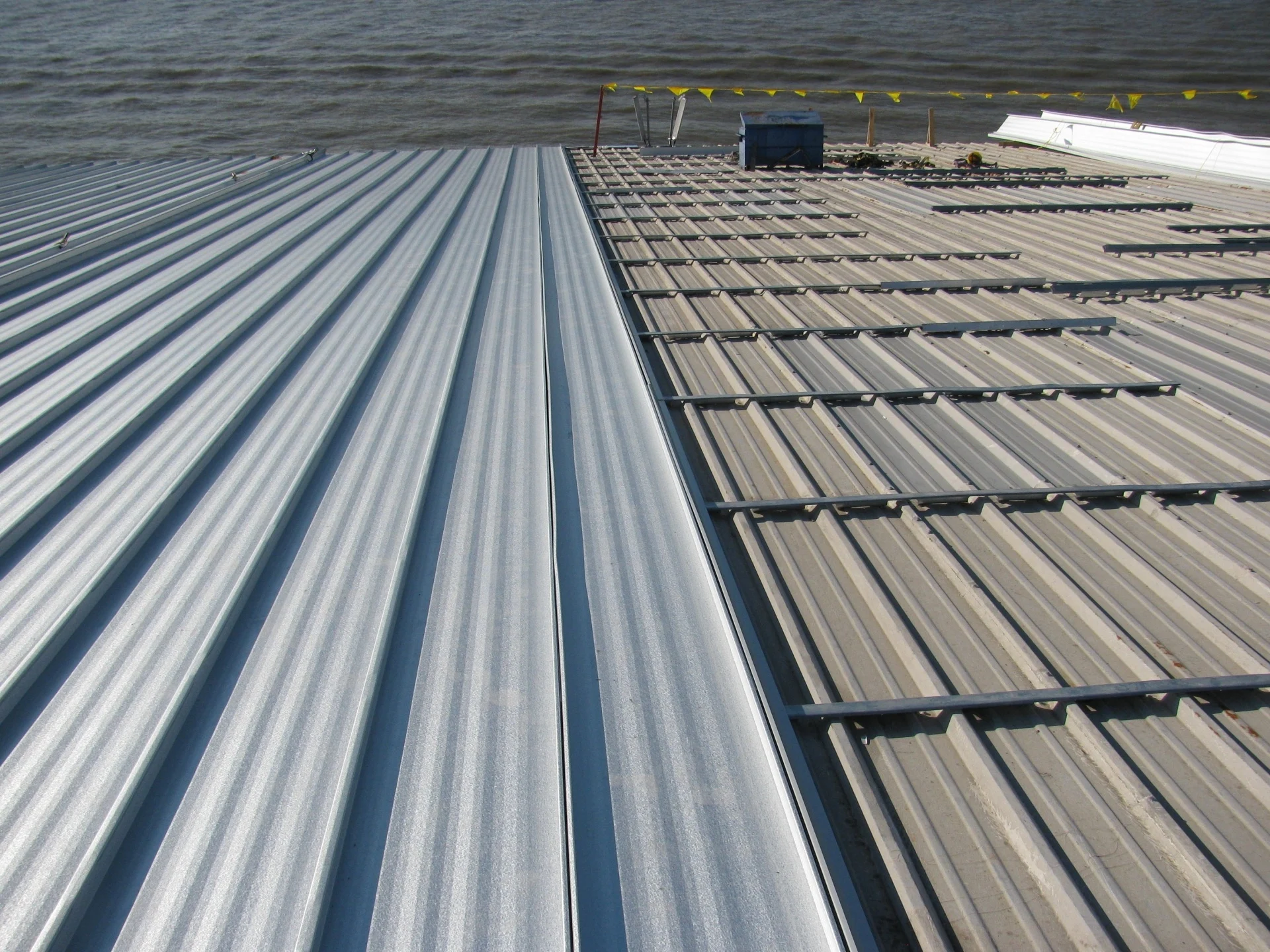
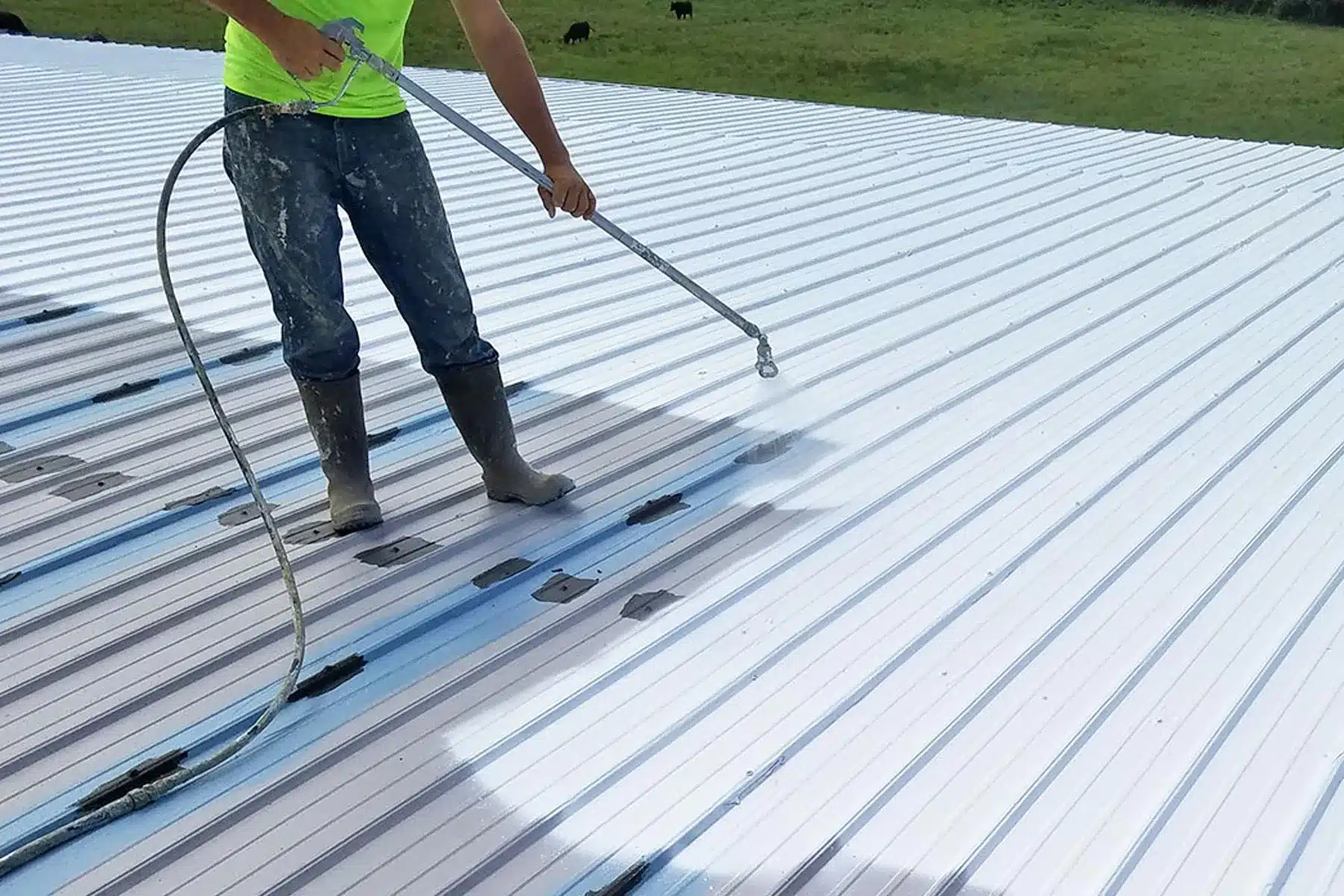
Data center roofing for colocation facilities, server rooms, and mission-critical buildings throughout Miami, FL.
Miami is one of the most strategically important data center markets in the world. The NAP of the Americas at — now operating as Equinix MI1, MI2, and MI3 — was purpose-built as a hardened, carrier-neutral facility designed to withstand Category 5 hurricane conditions, housing the fiber connections that link North America, South America, the Caribbean, and Europe. Terremark's legacy infrastructure, now operated by Verizon, anchors the city's position as the primary internet exchange point for Latin American traffic. Miami sits at the center of subsea cable networks that carry the majority of internet traffic between the Americas, making the building envelope performance of its data center facilities a matter of hemispheric internet infrastructure resilience. No US data center market faces a more demanding combination of weather risk and operational criticality.
Hurricane preparedness defines commercial roofing standards in Miami-Dade County. Building code requirements under the Florida Building Code's High-Velocity Hurricane Zone (HVHZ) provisions are among the strictest in the United States, imposing specific tested and approved roofing assembly requirements that go beyond what most of the country demands. Every roofing system installed in Miami-Dade must use products approved by the Miami-Dade County Product Control Division, a list that reflects testing at wind pressures up to 170 mph. For data center roofing projects, meeting these requirements is not optional — but leading operators typically exceed minimum code standards, specifying systems tested at Category 5 design pressures that provide additional performance margin against the most extreme storm scenarios.
The thermal environment in Miami creates year-round cooling challenges for data centers. Average annual temperatures hover around 77°F, with summer heat indexes frequently exceeding 105°F, and the city receives over 60 inches of annual rainfall — most of it concentrated in intense summer afternoon thunderstorms. This combination of high ambient temperature and intense solar radiation makes cool roofing specification essential for data center energy efficiency. High-reflectance white TPO or coated roofing systems can reduce roof surface temperatures by 60–80°F compared to conventional dark membranes, directly reducing the cooling load on facilities that must maintain 68–77°F server environments around the clock.
Miami's subtropical humidity creates a vapor management challenge that runs opposite to northern US climates. The exterior is consistently hotter and more humid than data center interiors, creating inward vapor drive — moisture pressure pushing from outside in. Roofing assemblies must be designed with vapor retarders positioned on the exterior (warm) side of insulation, not the interior side as in cold climates. This is a common error made by contractors unfamiliar with subtropical vapor dynamics, and it can result in moisture accumulation within insulation layers that degrades R-value performance and creates conditions favorable to mold growth at roof deck interfaces — a serious concern in Miami's biological environment.
The Equinix Miami campus operations reflect the operational roofing standards of a Tier IV-equivalent facility operator. Roofing systems on these buildings are engineered to allow maintenance access without service interruption, with redundant waterproofing layers on the most critical sections, and ongoing monitoring programs that detect moisture infiltration before it reaches the building interior. The relationship between roofing contractor and data center operator in Miami's premier facilities is not a transactional procurement relationship — it is an ongoing operational partnership where the contractor's rapid response capability is as important as their installation quality.
Impact resistance is a non-negotiable roofing requirement in Miami's hail and hurricane debris environment. During hurricane events, wind-borne debris — not just wind pressure — is a primary cause of roofing system failure. Roofing systems specified for Miami data centers should use mechanically attached or fully adhered assemblies with FM Global approval for the specific wind uplift zones applicable to the building's exposure category. Penetration flashings and equipment curbs must be designed as integral parts of the hurricane-resistant system, not add-ons, because these are the points most vulnerable to wind infiltration during extreme events.
Miami's data center market is also shaped by its role as a gateway for Latin American investment. Many facilities in Miami serve as colocation environments for South American and Caribbean businesses that require US-based infrastructure for regulatory, connectivity, or redundancy reasons. This international client base creates a premium service environment where facilities compete on reliability, connectivity density, and building quality. Roofing failures that create service interruptions have reputational consequences in a market where clients have made location decisions based partly on the facility's resilience credentials. This client profile amplifies the business case for premium roofing specifications and maintenance programs.
The rehabilitation and expansion of older data center facilities in Miami requires navigating the HVHZ permitting environment, which mandates that re-roofing projects meet current code requirements for the full roof area being replaced, not just the area of new work. This triggers a comprehensive engineering review of the existing roof structure's capacity to support code-compliant assemblies, which may require structural reinforcement on buildings originally designed to pre-HVHZ standards. Contractors experienced in Miami data center reroofing understand how to navigate this regulatory environment and plan projects that achieve code compliance without the scope creep that surprises unprepared owners.
Miami's flood risk — increasingly relevant as sea level rise and intensifying rainfall events combine to produce more frequent street flooding — affects data center site design decisions that have roofing implications. As ground-level equipment becomes more vulnerable to flooding, operators are moving more critical systems to elevated floors or hardened above-grade structures. The transition from ground-floor to elevated mechanical systems changes the roofing load profile, access requirements, and penetration density in ways that require updated roofing specifications. Contractors who stay current on how the Miami data center sector is evolving in response to climate adaptation can offer more relevant guidance to clients facing these design decisions.
Commercial roofing contractors who want to work in Miami's data center market must demonstrate familiarity with the HVHZ product approval system, carry the insurance and bonding levels required by institutional data center operators, and have documented experience with large-scale critical infrastructure projects. The market is competitive, but the clients are sophisticated enough to distinguish between contractors who understand mission-critical roofing and those who do not. Long-term service relationships in this market are built on technical competence, regulatory expertise, and the ability to respond rapidly when a storm event requires immediate assessment of facility condition.
Frequently Asked Questions: Data Center Roofing in Miami, FL
Frequently asked questions
Do you work on M-DCPS school building projects?
Yes. We are familiar with the Miami-Dade County Public Schools capital projects procurement process, vendor prequalification requirements, and the Office of School Facilities' project management and documentation standards. School Board projects require certified payroll compliance, specific insurance certificate language, and milestone payment applications — we maintain these as standard documentation for school board work.
How do you complete school building reroofs during the summer window?
We staff school building projects to the production rate the academic calendar requires, not to a minimum crew. A 120,000-square-foot elementary school with a 10-week summer window needs a crew deployment that can complete that footage — including permitting, tear-off, and final inspection — within the window. We present a specific crew size and daily production rate projection at the pre-bid stage so the school district can evaluate the schedule commitment before the contract is awarded.
What is the procurement process for university roofing projects at UM or FIU?
Both University of Miami and Florida International University run competitive bid processes for roofing projects above the applicable threshold. UM is a private institution with its own facilities management procurement process; FIU follows Florida public university procurement requirements. Both require contractor qualification documentation — bonding capacity, insurance certificates, license, and project references — before the bid submission. We maintain current qualification documentation and can submit on short notice for projects in the solicitation window.
How do you handle research lab buildings where leaks could damage ongoing research?
Research buildings get a higher-frequency inspection cadence in our maintenance contracts — quarterly inspection of sections above lab spaces and critical research equipment areas, in addition to the annual full-roof inspection. Emergency response to leak calls in research buildings is prioritized to same-day dry-in because the cost of a research disruption event can dwarf the cost of an emergency repair call. We document the sections above all critical research spaces in our initial inspection and flag them explicitly in the maintenance contract scope.
Get a written roof assessment for your Miami educational facility.
Our project managers understand the academic calendar constraints, public procurement requirements, and active-campus scheduling that educational roofing in Miami-Dade requires. We will document the condition and deliver a written scope that works within your timeline and procurement framework.
Explore More
- REIT Roofing
- Healthcare Roofing
- Hospitality Tourism Roofing
- Tech Roofing
- Education Roofing
- Occupied Building Reroofing
- Expansion Joint Repair
- Capital Planning Support