Multifamily Roofing
Miami, FL · Property Types
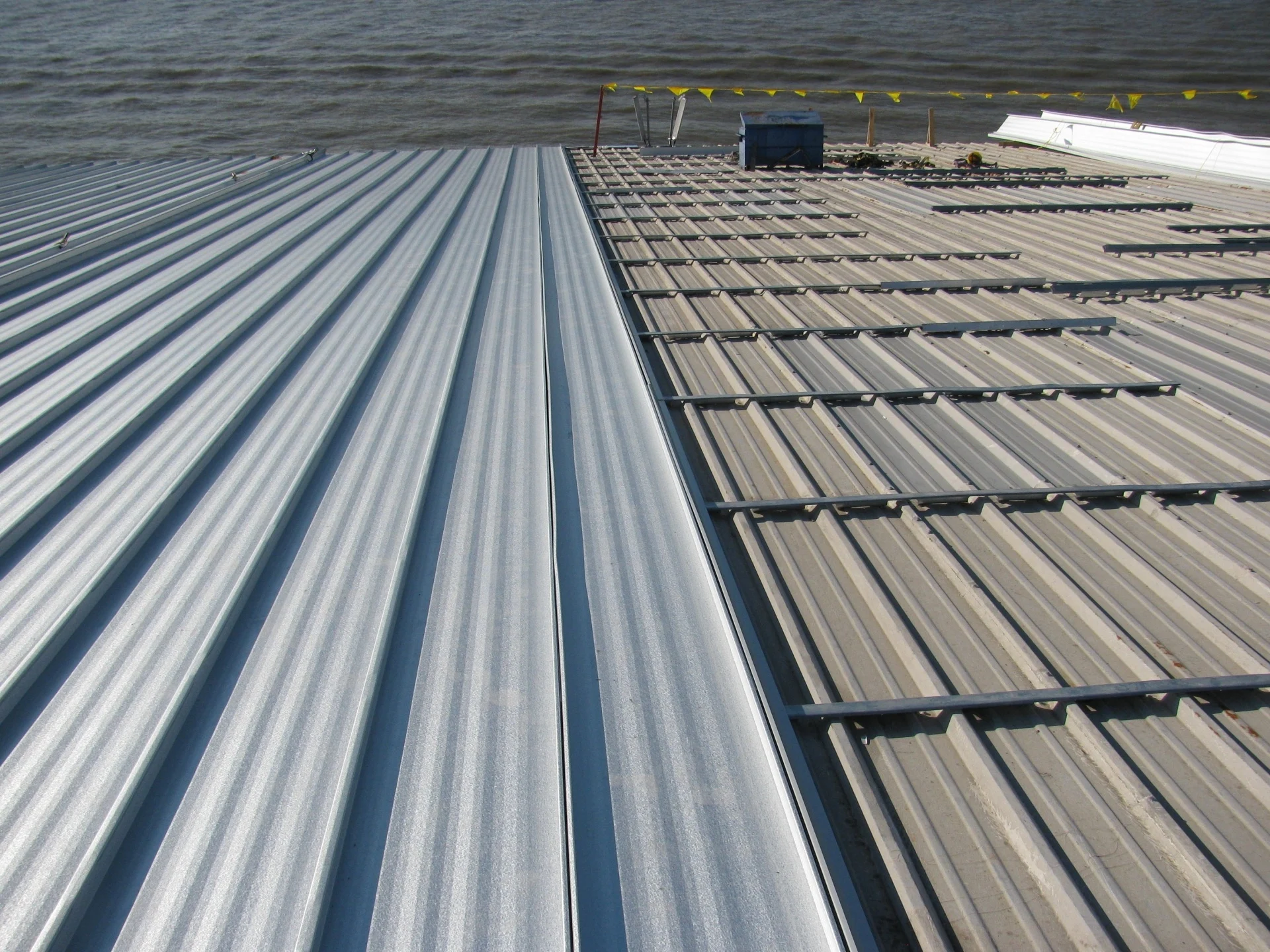
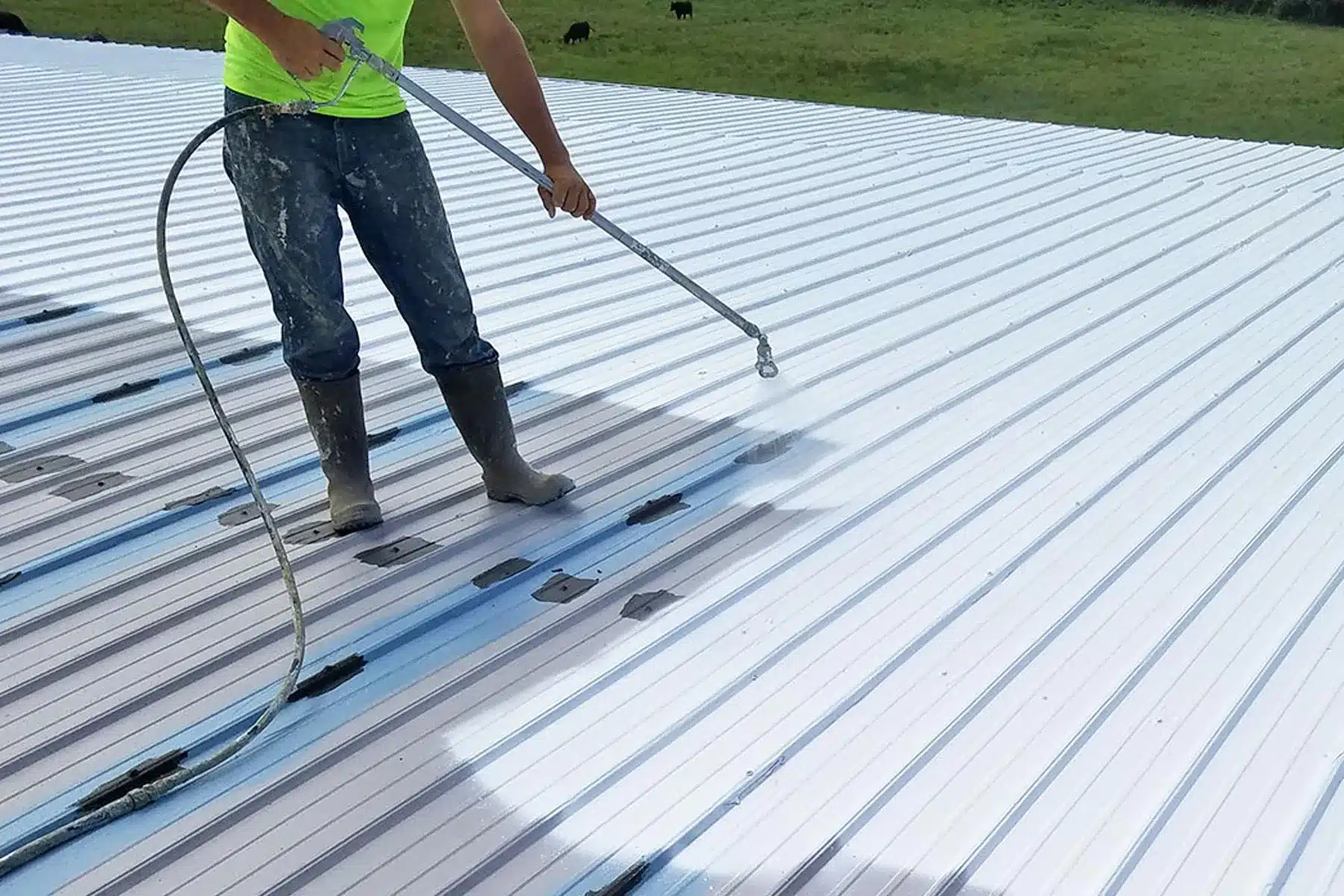
Brickell condo towers, Miami Beach residential buildings, and Wynwood loft conversions all have residents living in the building during any roofing project. The production plan has to be tailored to that reality from day one — not adjusted after move-in complaints start arriving.
Miami-Dade's multifamily market includes some of the densest residential high-rise concentration in the United States — particularly along Brickell Avenue, South Beach, and the Edgewater corridor. It also includes mid-rise and low-rise condominium buildings throughout Coconut Grove, Coral Gables, Coral Way, and the northern Miami-Dade suburbs, and an expanding inventory of loft-conversion and adaptive reuse residential buildings in Wynwood and Little Haiti.
Multifamily roofing is operationally distinct from commercial office or warehouse work in one fundamental way: the residents cannot go home during the project. They are home. Noise, vibration, odors from adhesives and hot applied systems, and any water intrusion during the project are all real quality-of-life impacts on people who live in the building. Managing those impacts requires a production plan written at the unit level — which units are on the top floor below the work zone, what hours they can tolerate construction activity, and what the HOA's (or property management company's) communication protocol is for resident notification.
Brickell Condo Tower Roofing
Brickell's residential high-rise market has exploded over the past 15 years. Buildings like 1010 Brickell, Axis on Brickell, and The Bond Brickell represent post-2010 construction with first-generation TPO and EPDM systems that are now in the maintenance-intensive second half of their service life. The pre-2005 stock — buildings along Brickell Key, the older mid-rises along Brickell Avenue and SW 7th Street — are in active reroof cycle.
High-rise condo roof work in Brickell carries the same crane and right-of-way permitting requirements as commercial office towers — Brickell Avenue lane closure permits, Miami-Dade craning permits, and coordination with adjacent property owners for crane swing radius. For condo buildings, add HOA board approval to the pre-construction sequence: most Brickell condo associations require a board vote to approve a capital expenditure of this scale, and the roofing contractor's scope and references are part of the board presentation package.
Brickell condo roofs typically have rooftop amenity decks — pool decks, cabanas, outdoor kitchen areas — integrated with the building's waterproofing system. The amenity deck waterproofing and the roofing membrane are often the same system or connected systems. Replacement scope on a Brickell condo almost always involves assessing the amenity deck waterproofing condition alongside the roofing membrane — they have to be addressed as a single integrated water management system.
Miami Beach Residential Buildings
Miami Beach's residential building stock spans Art Deco-era buildings from the 1930s and 1940s — many in South Beach's historic district — through mid-century concrete buildings from the 1950s and 1960s, post-Andrew rebuilds, and contemporary high-rises from the 2000s and 2010s along South Beach, Mid-Beach, and North Beach. Each generation presents different roofing substrate conditions and different permitting constraints through the City of Miami Beach's building department.
Art Deco and mid-century Miami Beach buildings often have roofing systems with unusual substrate conditions — parapet walls with original stucco finishes that are structurally integrated with the roof edge, original concrete deck construction with embedded elements that are not documented on as-built drawings, and existing waterproofing membranes applied directly to concrete without the insulation layers that current FBC Energy Code requires. Replacement on these buildings has to account for the energy code insulation requirement while working with the existing substrate conditions.
The Miami Beach historic district imposes architectural review requirements on buildings within the designated historic area — which covers most of South Beach. Roof replacement on a historic district building in Miami Beach requires review by the Miami Beach Historic Preservation Board for any visible changes, including parapet modifications and rooftop equipment replacement. We identify historic district applicability in pre-construction planning and build the board review timeline into the project schedule.
Wynwood Loft Conversions and Adaptive Reuse
Wynwood's creative district has absorbed a significant volume of warehouse-to-residential and warehouse-to-mixed-use conversion over the past decade. The roofing condition on converted Wynwood buildings depends heavily on the conversion vintage. Early conversions from 2010 through 2015 often involved minimal roofing work — the developer installed a new membrane over the existing warehouse roof without addressing underlying insulation saturation or perimeter flashing deficiencies. These buildings are now running 10- to 15-year-old converted warehouse roofs that may have never fully met HVHZ requirements.
Wynwood loft buildings with residential units on the top floor have the most direct resident impact from roofing work — the units below the roof are the loudest units during tear-off and installation. We work with Wynwood residential building managers to identify whether top-floor units can be temporarily offered reduced rents, hotel accommodations for the highest-noise phases, or at minimum, advance scheduling notice that allows residents to plan around the highest-disruption work windows.
Wynwood's street grid and the creative district's active pedestrian use — the Wynwood Walls art installation draws significant foot traffic year-round — means debris containment and staging footprint management are visibility issues for the building owner. Construction staging that spills onto the Wynwood Walls block or the NW 2nd Avenue restaurant strip creates problems for adjacent businesses. We scope material staging to minimize the ground-level footprint and keep access routes clear for pedestrian and vehicle traffic.
HOA and Property Management Coordination
Miami condo HOA boards manage roofing projects through a process that is different from a corporate facilities team. Board members are typically residents — not facilities professionals — and the scope, budget, and contractor selection often go through an extended review process involving the HOA's property management company, legal counsel, and the board itself. We write scopes that are accessible to non-specialist board members and provide reference contacts from previous condo association projects so the board can do its own due diligence.
Reserve fund analysis is often part of the condo roofing conversation. Miami-Dade's condo reserve requirements have been updated in the aftermath of the Surfside collapse — many associations are now in active reserve study processes that include roof condition assessments as a core input. We can provide a condition report formatted to support a reserve study update, documenting current condition, estimated remaining life, and projected replacement cost range at different service life assumptions.
Frequently asked questions
How do you minimize resident disruption during a Brickell condo roofing project?
Pre-construction resident notification, production scheduling that puts the highest-noise phases on weekdays before 8 AM or after 6 PM and on weekends within the HOA's approved construction hours, and daily communication to the building manager with the next day's production plan so residents can plan accordingly. We also identify which top-floor units are directly below the active work zone each day and provide those residents with specific advance notice of high-noise work periods.
Our Brickell condo has a rooftop pool deck. Is that part of the roof replacement scope?
Usually yes, at least in terms of assessment. The pool deck waterproofing and the adjacent roof membrane are typically connected systems — water that gets under the pool deck can migrate to the roof membrane, and vice versa. We assess the pool deck waterproofing condition alongside the roof membrane condition and recommend whether the deck waterproofing should be addressed in the same project or in a separate scope. Addressing connected systems in the same project is usually more cost-effective.
We have an Art Deco building in South Beach. Can you work on the roof without affecting the historic designation?
Yes, for the flat roof membrane sections. The flat roof areas behind and above the Art Deco parapet facades can be replaced with modern FBC HVHZ-compliant membrane systems without affecting the building's historic designation, provided the visible parapet elements are maintained or restored to their original character. Changes to parapet caps, rooftop equipment, or any element visible from the street require Miami Beach Historic Preservation Board review.
What is your experience with the Miami-Dade condo reserve study requirements for roof condition assessment?
We can provide condition reports formatted to support a reserve study update — documenting current system age, condition, estimated remaining service life, and projected replacement cost at multiple service life scenarios. The format is designed to be usable by the engineering firm or property management company that is conducting the formal reserve study. We have provided these reports for condo associations across Brickell and Edgewater in connection with their post-Surfside reserve study updates.
Need a roof assessment for your Miami condo or multifamily building?
I'll walk the roof, document the condition, and produce a written report suitable for HOA board presentation, reserve study support, or insurance documentation — with the resident impact mitigation plan included.
Explore More
- Fitness Center Gym Roofing
- Sports Recreation Facility Roofing
- Daycare Childcare Roofing
- Warehouse Roofing
- Distribution Center Roofing
- Roof Recover Systems
- Retail Roofing
- Infrared Moisture Scanning