Medical Building Roofing
Miami, FL · Property Types
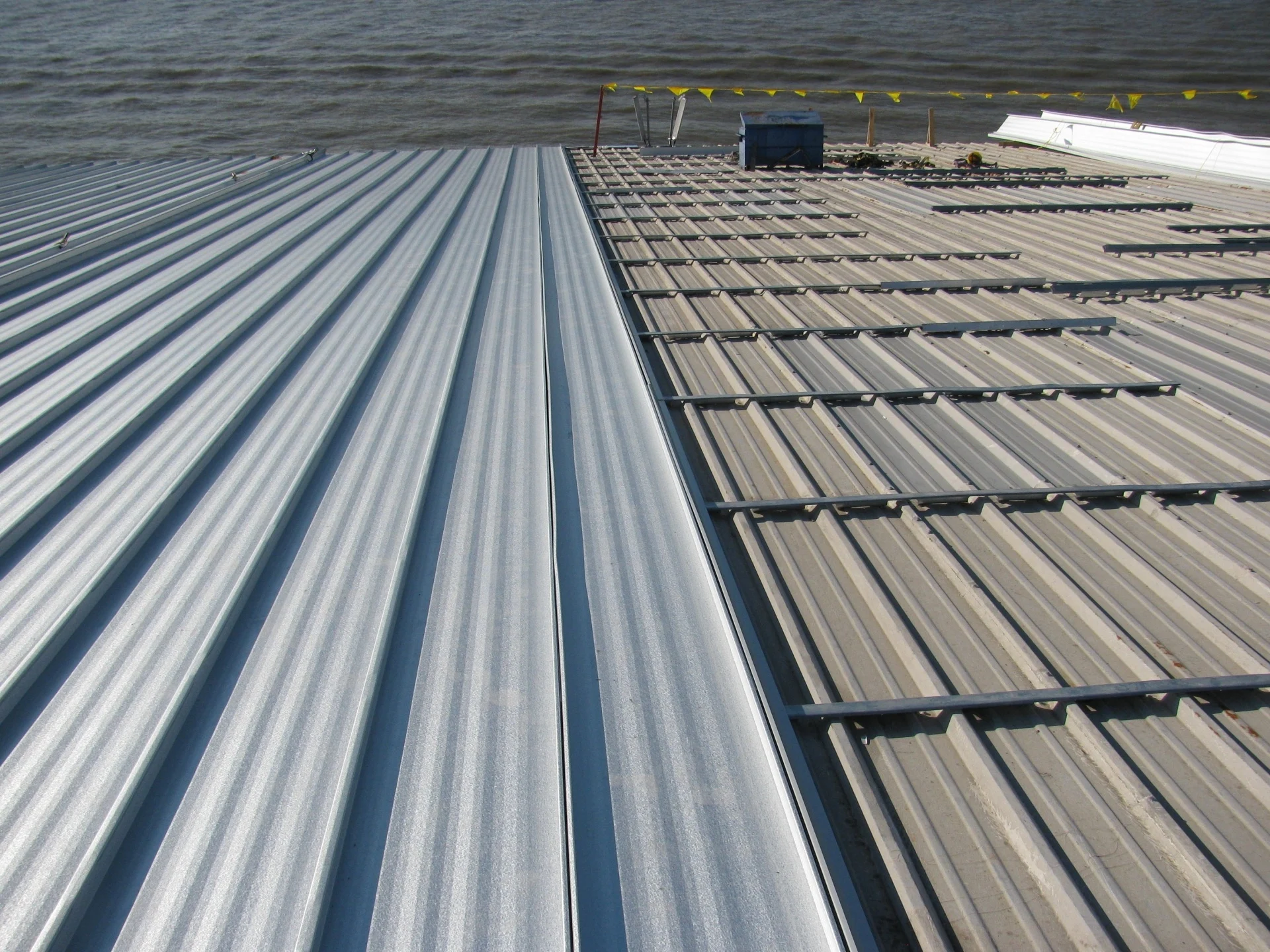
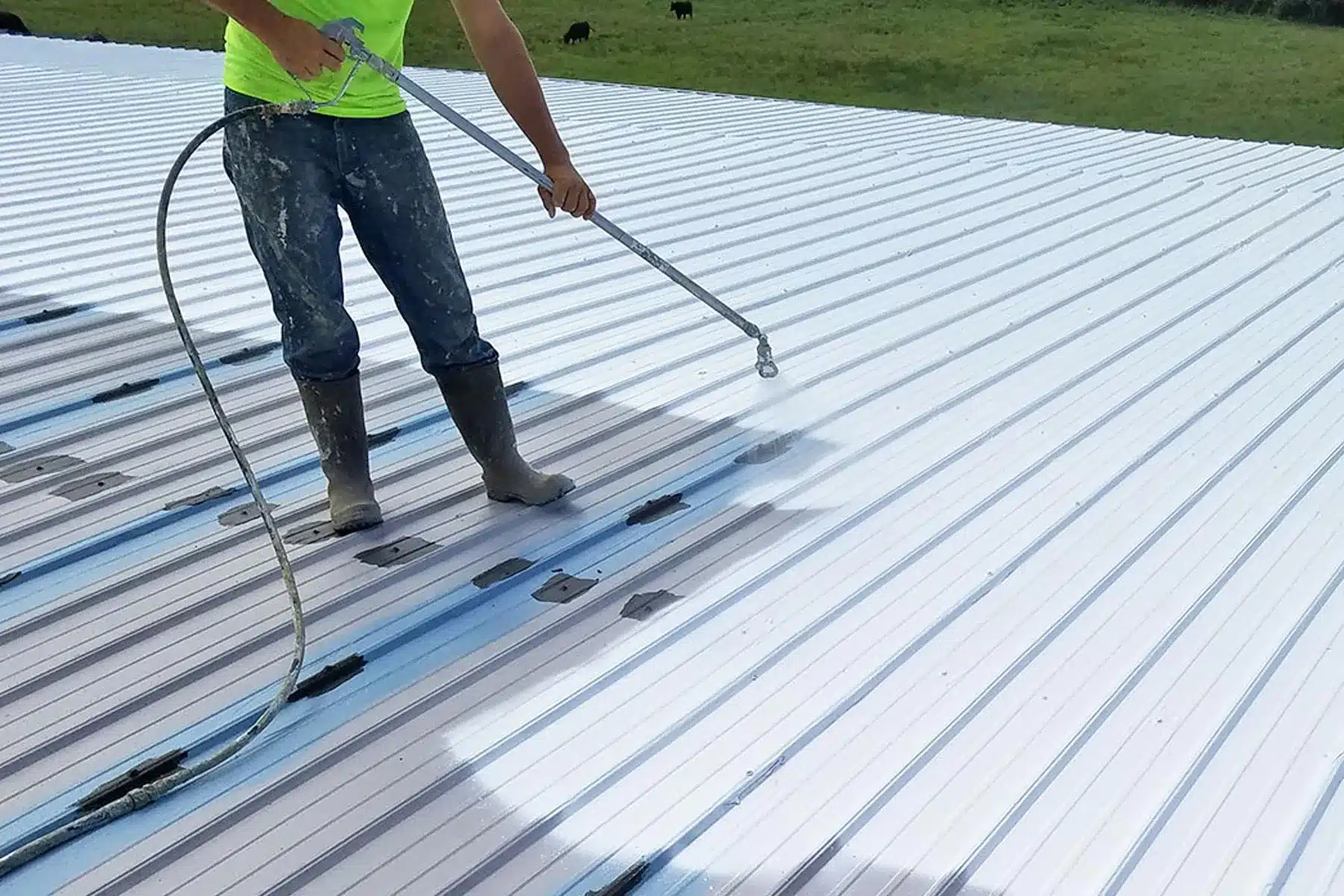
Roofing work on an active hospital or medical office building in Miami-Dade is not roofing work with extra paperwork. It is a different operational discipline — infection control, hot-work permits, after-hours scheduling around surgical and ICU floors, and documentation requirements that most roofing contractors do not carry as standard practice. We do.
Miami-Dade County's healthcare infrastructure is one of the largest in the southeastern United States. Jackson Memorial Medical Center, the flagship of the Jackson Health System, occupies a multi-building campus in the Health District west of Overtown — one of the largest public hospital complexes in the country. Baptist Health South Florida operates major campuses at South Miami Hospital, Boca Raton Regional, Baptist Hospital of Miami in Kendall, and multiple outpatient surgery and medical office buildings across Miami-Dade. University of Miami Health runs Bascom Palmer Eye Institute, Sylvester Comprehensive Cancer Center, and the UHealth Tower in the medical campus adjacent to UM's main Coral Gables campus. Mount Sinai Medical Center on Miami Beach operates across a campus that includes both historic mid-20th-century buildings and post-Hurricane Andrew rebuilds.
I've done roofing work on active healthcare buildings in this market for years. The non-negotiables are these: no disruption to HVAC systems serving surgical or ICU floors, no hot work without a current hospital hot-work permit, infection control protocols for any work above occupied patient areas, and after-hours scheduling for any work phase that generates noise or vibration above patient floors. These are not premium add-ons — they are baseline requirements for medical building roofing work, and any contractor who does not address them in the pre-construction scope is not ready to be in a hospital.
Jackson Memorial and the Health District Campus
Jackson Memorial Medical Center's main campus in the Health District is a multi-building complex of buildings spanning from the 1940s through the 2000s. The oldest structures on the campus — some dating to the pre-HVHZ era — have roof assemblies that predate modern FBC requirements and, in some cases, have been recovered multiple times without full tear-off assessment. The newer buildings on the campus were built post-Andrew to current FBC HVHZ standards but are now approaching first-generation membrane replacement cycles.
Jackson Memorial's facilities team operates under Jackson Health System's capital planning and vendor approval process. Roofing contractors working on JHS campuses are required to carry specific insurance limits, provide JHS-compliant certificates of insurance, and participate in JHS's contractor safety orientation program. We maintain the documentation and compliance records required for JHS vendor qualification on file.
The Health District's NW 12th Avenue and NW 10th Avenue traffic environment means material staging and crane placement require City of Miami right-of-way coordination. The campus is also proximate to Jackson's active helicopter landing pads — crane height and swing radius planning has to account for helicopter approach and departure corridors. We verify crane clearances against the helipad approach paths in pre-construction planning.
Baptist Health South Florida Campus Work
Baptist Health South Florida's network spans multiple Miami-Dade campuses, each with its own facilities management team and building conditions. Baptist Hospital of Miami in Kendall is the flagship inpatient campus — a multi-building complex with active surgical suites, ICU floors, and a NICU that represent the highest-sensitivity areas for roofing work scheduling. South Miami Hospital's campus in South Miami carries a mix of building vintages from the 1960s through post-2000 additions.
Baptist Health's facilities management team requires detailed pre-construction plans for any work above or adjacent to patient care areas — documenting the specific patient floors affected, the HVAC zones involved, and the infection control measures in place. We submit a written Infection Control Risk Assessment (ICRA) addendum to the pre-construction plan for any work above patient floors, consistent with ICRA protocols used by healthcare facility managers across the system.
For Baptist Health outpatient surgery centers and medical office buildings — the standalone buildings scattered across Miami-Dade in places like Doral, Coral Gables, and Pinecrest — the operational constraints are less severe than the inpatient campuses, but the documentation requirements are the same. Baptist Health's facilities standards apply system-wide.
Mount Sinai Miami Beach: Island Campus Logistics
Mount Sinai Medical Center on Miami Beach operates on an island campus with constrained logistics access. Material staging, crane placement, and dumpster positioning all require coordination with Miami Beach's Department of Public Works for right-of-way use and with the Mount Sinai facilities team for on-campus staging. Miami Beach's own building department manages permits independently from Miami-Dade County — permit review for medical building roofing work on Miami Beach runs 4 to 6 weeks.
Miami Beach's coastal environment — salt air, higher wind exposure from open Biscayne Bay exposure on the western campus face, and direct Atlantic Ocean exposure — means roof assembly degradation rates are higher than inland Miami-Dade campuses. Mount Sinai's roof systems face more aggressive UV and salt spray than a Coral Gables or Kendall medical campus. We document environmental exposure in our inspection reports and factor accelerated degradation into replacement cycle projections.
Mount Sinai's active emergency department and inpatient surgery schedule means after-hours production planning is more complex on this campus than on standalone medical office buildings. We coordinate production windows with the facilities director to identify which hours are lowest-risk for construction noise relative to active patient care operations.
Hot Work, ICRA, and Healthcare-Specific Documentation
Hot work — torch application, heat welding, and any open-flame or high-temperature roofing process — requires a hospital-issued hot-work permit on every healthcare campus we work on. Hot-work permits on healthcare campuses are typically renewed daily, and the fire watch requirements extend beyond what standard construction sites require: fire watch personnel remain on-site for a minimum period after work stops, and hot-work areas are inspected before the crew leaves the building at end of shift.
Infection Control Risk Assessment protocols apply to any roofing work that could disturb microbial growth above occupied patient areas or that creates dust or debris pathways into the HVAC system. For high-sensitivity areas — above ICU, surgical suite, or immunocompromised patient floors — we use sealed containment barriers at the rooftop mechanical equipment penetrations and verify HVAC intake damper positions before beginning any tear-off work in the adjacent roof zone.
Closeout documentation for healthcare building roofing projects goes beyond the standard commercial closeout. We provide the warranty document, NOA approval documentation, photo-keyed zone diagram, and the maintenance contract — plus the infection control compliance records, hot-work permit documentation, and HVAC coordination logs. Healthcare facilities' accreditation requirements mean these records need to be retained in an accessible format.
Frequently asked questions
Can you work on an occupied hospital building without affecting patient care?
Yes, managed correctly. The key is pre-construction planning that maps which patient care areas are below the work zone, what the HVAC zones are, and what the scheduling constraints are for each floor. High-noise and high-vibration work phases are scheduled for overnight or weekend windows when the affected floors are not in active patient care. We submit a written pre-construction plan to the facilities director that covers all of these constraints before we mobilize.
Do you carry the insurance required for healthcare campus work?
Yes. General liability, workers' compensation, and umbrella coverage at limits appropriate for healthcare facility work. Certificates of insurance are provided on request in whatever format your facilities compliance team requires — including additional insured endorsements naming the specific hospital entity. We maintain our insurance certificates current and can provide updated certificates on short notice for bid submissions.
What is an Infection Control Risk Assessment and do you complete one?
An ICRA is a protocol-based assessment of infection control risk from construction activities near patient care areas — documenting the risk class of the work, the patient population in adjacent areas, and the required barrier and containment measures. We complete a written ICRA addendum for any roofing work above patient care floors and coordinate the required measures with the hospital's infection control officer before mobilizing.
How do you handle crane placement at a Miami Beach hospital with limited staging space?
We work through the crane placement and right-of-way coordination with Miami Beach Public Works and the hospital facilities team in pre-construction planning — before we commit to a production schedule. Island campus logistics require earlier planning than mainland sites because the options for staging and crane positioning are more constrained. We do not discover crane placement problems on mobilization day.
Schedule a medical building roof assessment for your Miami healthcare facility.
I'll walk the roof, document the condition and HVHZ compliance status, and deliver a written scope that accounts for the infection control, hot-work, and scheduling constraints your facility requires — before we mobilize.
Explore More
- Senior Living Facility Roofing
- Pharmaceutical Lab Roofing
- Parking Structure Roofing
- Casino Entertainment Roofing
- School Roofing
- Built Up Roofing
- Healthcare Facility Roofing
- Hurricane Wind Uplift Roofing