Retail Roofing
Miami, FL · Property Types
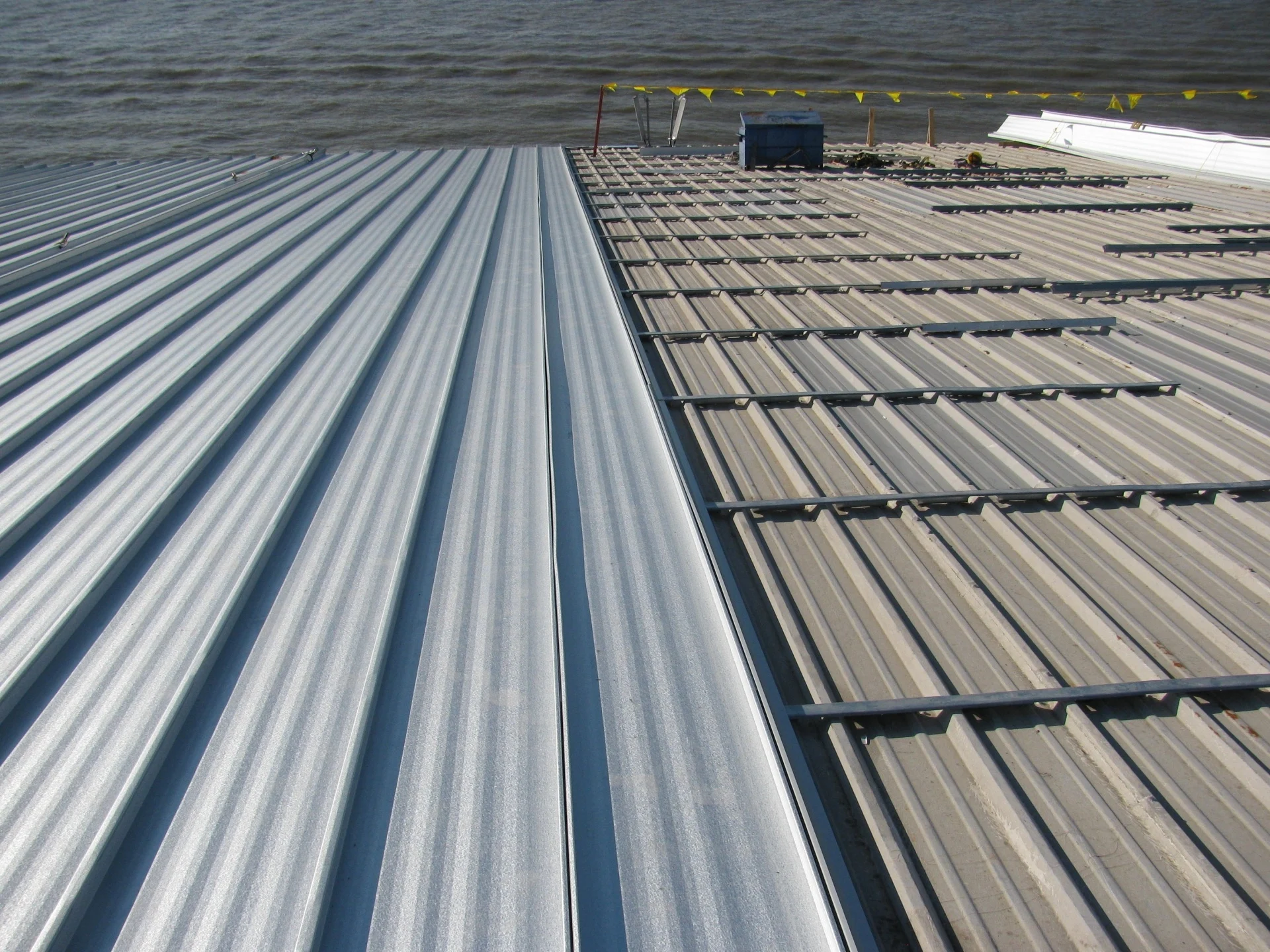
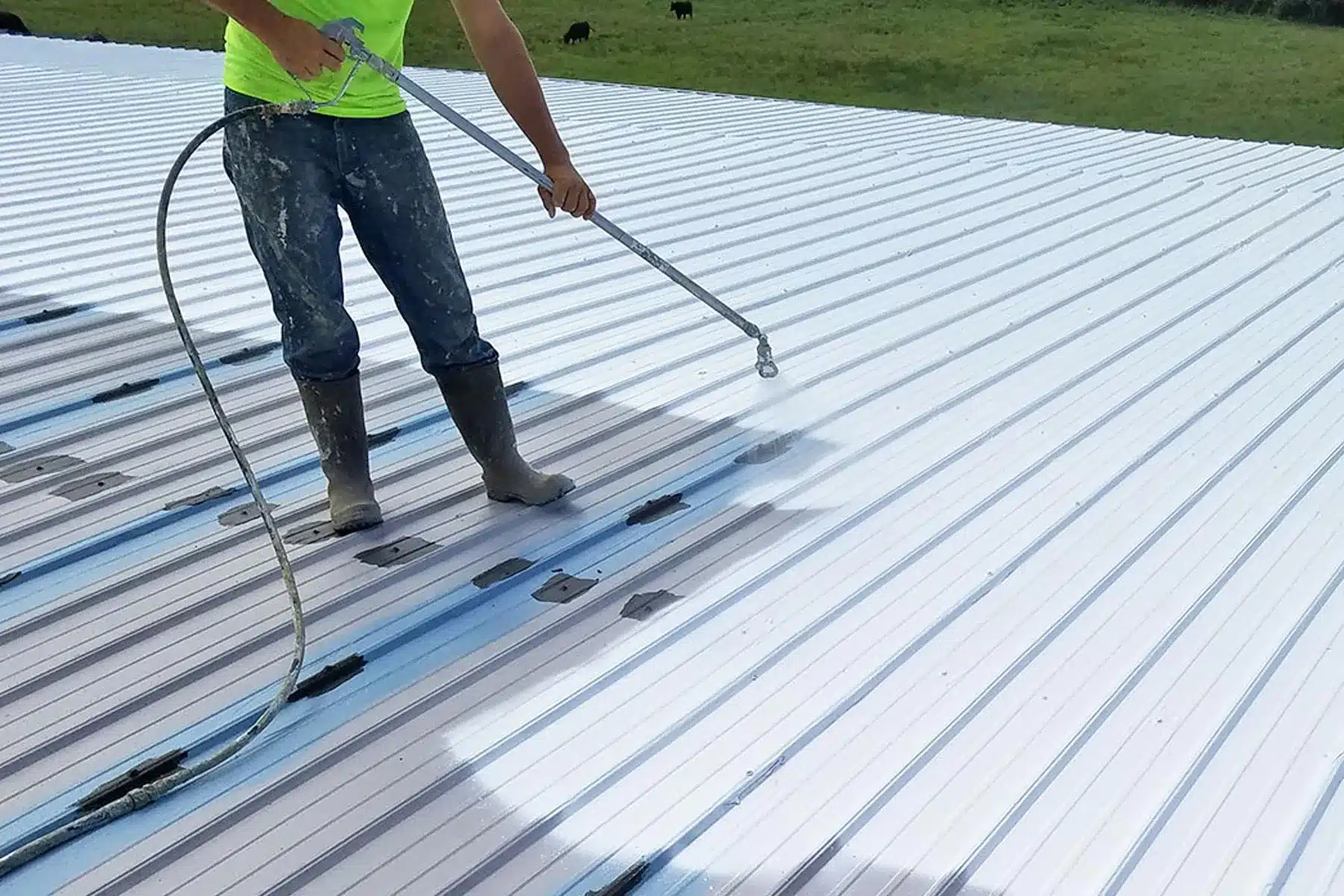
Miami's major retail destinations — Aventura Mall, Bal Harbour Shops, Brickell City Centre, and Dadeland — are high-traffic, high-visibility properties with tenant lease requirementsmany commercial customers-facing common areas, and facilities management teams that measure contractor performance in days of disruption, not square footage installed.
Retail roofing in Miami is constrained by two factors that warehouse and office work are not: the buildings are almost always fully occupied with active tenant operations that cannot be paused, and the customer-facing exterior — storefronts, parking structures, landscaped entries — means that construction staging and debris management are visible to the property owner's tenants and their customers every day the project is running.
Miami's major retail centers represent different scales and ownership structures. Aventura Mall and Dadeland Mall are anchor-department-store-centered regional malls with complex multi-tenant roof structures — different roof ages, different systems, and different warranty conditions depending on when each wing or addition was built. Bal Harbour Shops is an open-air luxury retail environment with Mediterranean architectural elements, a tight staging footprint, and a high-end tenant mix that has specific noise and disruption tolerance limits. Brickell City Centre is a mixed-use urban retail and office complex with a roof system that integrates the retail podium with the residential and office towers above it. Each of these properties requires a different production approach.
Regional Mall Roofing: Aventura and Dadeland
Aventura Mall, rooted in Nordstrom, Bloomingdale's, and Macy's, is one of the highest-grossing malls in the United States. The property spans multiple construction phases from the 1980s through a 2018 expansion — meaning the roof inventory is a patchwork of system ages, membrane types, and warranty conditions. The older wings carry modified bitumen and first-generation TPO systems that are in replacement cycle. The 2018 expansion has current TPO systems that are in warranty maintenance.
Working at Aventura Mall requires coordination with Turnberry Associates' property management team, the individual anchor tenant facilities contacts, and the common-area operations team. Each section of roof work has to be mapped against the tenant and common area below — which department store concession area or food court seating is directly below the work zone, and what the acceptable noise windows are for that tenant. After-hours and early-morning production is standard for anchor tenant areas.
Dadeland Mall in Kendall, owned and managed by Simon Property Group, carries similar multi-phase construction complexity. The Dadeland mall was built in phases from the 1960s through the 1990s with multiple anchor expansions, and the roof inventory reflects that construction history. Simon's facilities management team has detailed documentation requirements for any work at Dadeland — contractor compliance certification, insurance certificates meeting Simon's specific requirements, and documented pre-construction notification to each affected tenant.
Bal Harbour Shops: Luxury Open-Air Retail
Bal Harbour Shops is an open-air luxury retail center at the northern end of Miami Beach — a tight footprint with high-end anchor and boutique tenants including Neiman Marcus, Saks Fifth Avenue, and a dense collection of international luxury brands. The staging constraints at Bal Harbour are significant: the property has limited vehicle access, no large truck staging area, and a tenant mix that makes extended noise or dust during business hours a genuine tenant relations issue.
Bal Harbour's roofing typically involves the flat roof systems over the retail buildings and covered walkway structures, with the Mediterranean-influenced architectural elements that characterize the property. The combination of coastal exposure — Bal Harbour sits at the ocean edge of the barrier island — with the humidity and salt spray of direct ocean adjacency means roof system degradation runs faster than comparable inland properties. Perimeter flashings and metal edge conditions at Bal Harbour buildings degrade faster than the membrane field area because of the concentrated salt spray exposure.
Bal Harbour's building permit is issued through the Village of Bal Harbour, a small incorporated municipality with its own building department. Bal Harbour building permits for commercial roofing work typically run 3 to 5 weeks. The Village's building department is thorough on the NOA and HVHZ documentation requirements — we submit complete applications at first submission to avoid plan revision cycles.
Brickell City Centre: Mixed-Use Urban Retail
Brickell City Centre, the Swire Properties mixed-use development at SE 8th Street and Brickell Avenue, integrates retail, office, and residential components with a climate ribbon — an architectural canopy that covers the retail streets. The roof structure at Brickell City Centre is not a simple flat commercial roof — the climate ribbon elements, retail podium roofs, and rooftop terrace areas each have different roofing assemblies and different accessibility constraints.
Working at Brickell City Centre requires coordination with Swire's property management team and the retail operations team for Saks Fifth Avenue, Cinemex, and the other anchor tenants. The property's urban location on Brickell Avenue means that any crane work or street-level material staging requires City of Miami right-of-way permits and coordination with the traffic management team for Brickell Avenue lane closures.
The Brickell City Centre retail podium roof is accessible from the residential tower service areas — material delivery requires coordination with the residential tower's building management team, not just the retail operations team. We map the material delivery path, staging area, and waste removal plan in detail with all affected building management parties before mobilizing.
Strip Center and Neighborhood Retail Across Miami-Dade
Beyond the major malls and mixed-use centers, Miami-Dade has a dense inventory of neighborhood strip centers, anchored grocery centers, and stand-alone retail pads across Kendall, Hialeah, North Miami, and Homestead. Many of these properties carry 15- to 25-year-old TPO or modified bitumen systems that are in replacement cycle. Strip center roofing is typically more straightforward operationally than major mall work — but the same HVHZ and NOA requirements apply, and the owners of these properties are often individual or small-group investors who do not have in-house facilities management expertise.
For strip center owners who are not roofing specialists, I write the scope in plain terms — what the current system is, what its condition is, what the replacement options are with their respective cost ranges and warranty terms, and what the NOA and permit requirements mean for their specific building. The goal is a scope that a non-specialist owner can evaluate and compare across contractors without needing to decode technical jargon.
Frequently asked questions
Can you work at Aventura Mall or Dadeland without disrupting tenants?
Yes, within the constraints those properties set. Both Aventura and Dadeland have established protocols for construction work — pre-approved contractor lists, specific insurance requirements, tenant notification timelines, and quiet-hour windows that vary by tenant type. We work within those established protocols. The high-noise phases go on nights and weekends. Dust and debris containment are managed at the section level, not the project level.
How do you handle debris and material staging at a tight retail property like Bal Harbour?
We plan the material staging, debris removal, and dumpster placement in the pre-construction meeting with the property management team — before we mobilize. At constrained properties like Bal Harbour, material is often delivered in smaller quantities on a more frequent schedule rather than full truckloads that require large staging areas. Debris is removed in smaller loads more frequently to minimize dumpster footprint on the property.
My strip center roof is 20 years old. Can you tell me if it needs replacement or if repairs will extend it?
Yes. I'll walk the roof, pull moisture cores at any areas showing deflection or suspected saturation, and document the overall membrane condition — UV degradation, seam condition, flashing condition, and drain condition. The written report gives you the honest recover-versus-replace analysis: if the insulation is dry and the membrane has serviceable life remaining, a repair and maintenance program is the right call. If the insulation is wet or the membrane is past useful life, replacement is the right call. I give you the core data so the recommendation is evidence-based.
Does Bal Harbour have its own building permit separate from Miami-Dade?
Yes. Bal Harbour is an incorporated municipality with its own building department. All commercial roofing work within Bal Harbour requires a Village of Bal Harbour building permit, not a Miami-Dade County permit. The HVHZ and NOA requirements are the same — they come from the Florida Building Code, which applies statewide — but the permit application and inspection process goes through the Village's building department.
Get a written scope for your Miami retail property roof.
I'll walk the roof, document the current system condition and NOA status, and produce a written scope detailed enough to compare across bids — with the tenant disruption mitigation plan built in from the start.
Explore More
- Movie Theater Roofing
- Food Processing Facility Roofing
- Event Venue Roofing
- Museum Cultural Facility Roofing
- Hospitality Roofing
- Silicone Roof Coating
- Restaurant Roofing
- Roof Inspections