Commercial Roof Maintenance
Miami, FL · Services
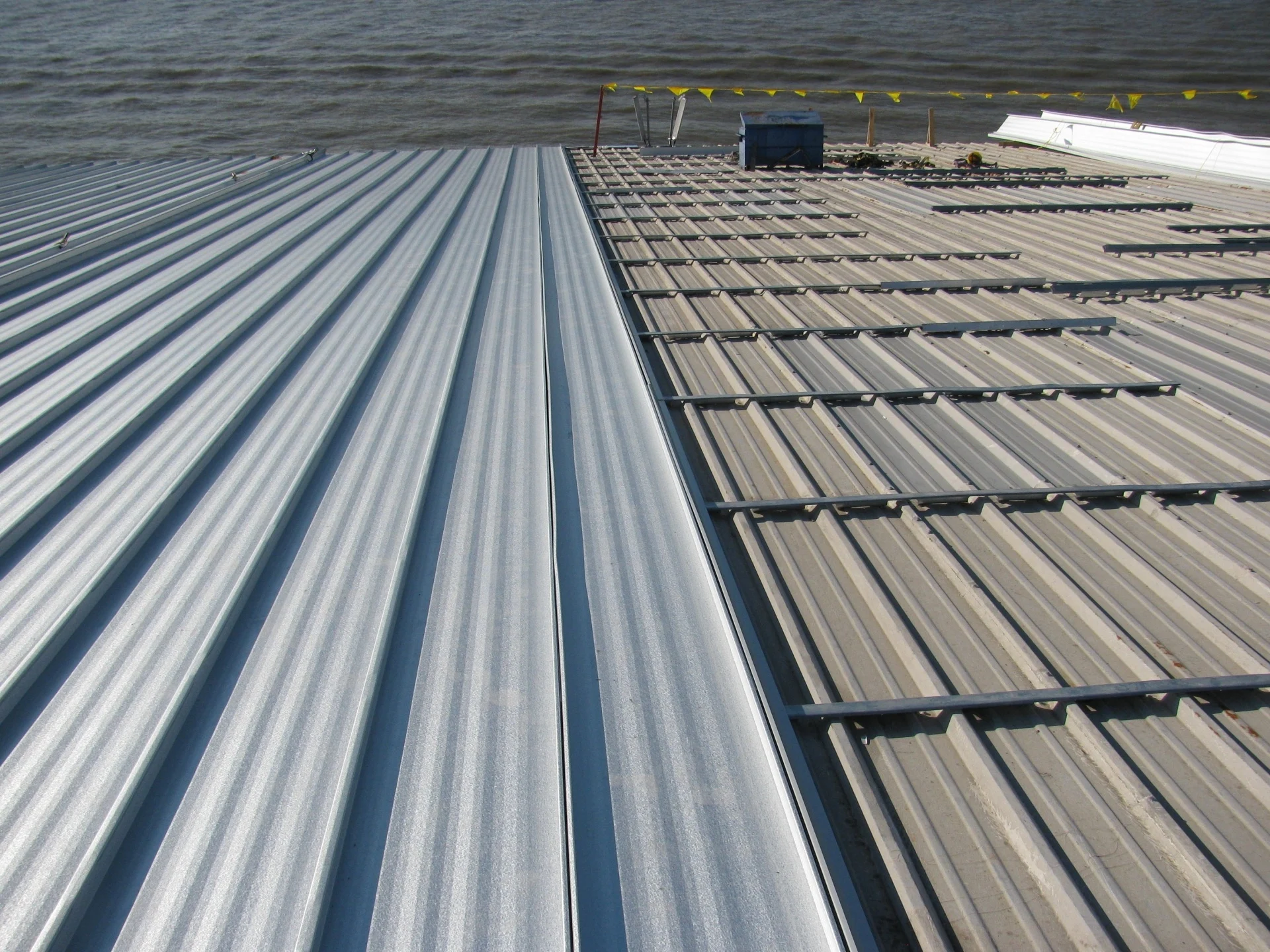
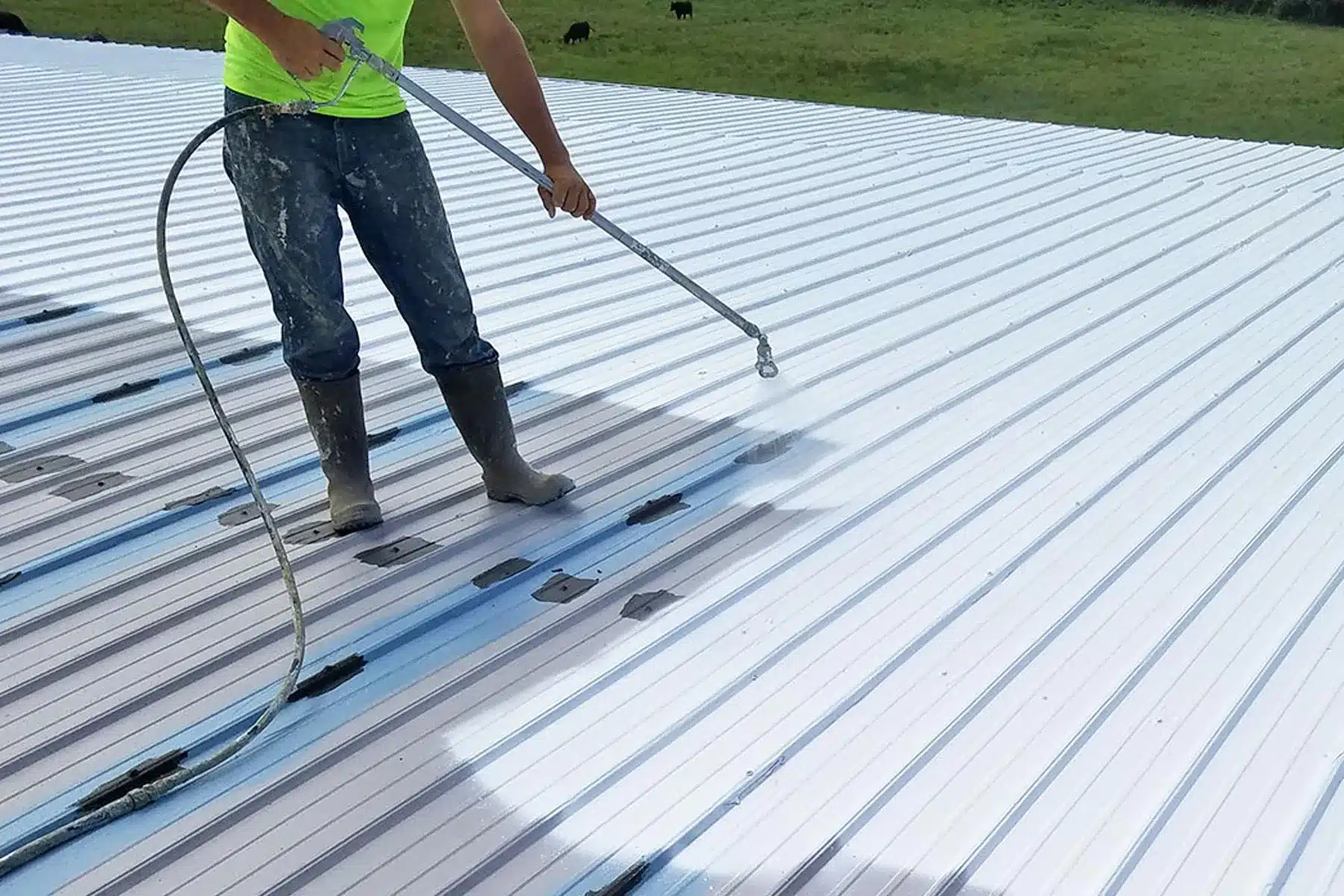
A commercial roof manufacturer warranty in Miami-Dade is conditional. The conditions include documented annual maintenance — specific inspection tasks, documentation requirements, and repair response timelines. We run maintenance programs that fulfill those conditions and produce the paper trail that keeps the warranty valid when a claim is needed.
Commercial roof maintenance in Miami is not the same as putting a bucket under a leak and waiting for replacement. Manufacturer warranties on commercial roofing systems — 15-year, 20-year, and 25-year NDL warranties issued by Firestone, GAF, Carlisle, Versico, and others — require annual maintenance inspections documented by a licensed roofing contractor. Missing a single year's maintenance inspection does not always void the warranty, but missing two consecutive years typically gives the manufacturer grounds to deny a claim on the grounds of neglect. We track maintenance schedules for every building on our program and schedule inspection visits before the annual date lapses.
Miami's FBC HVHZ requirements create a second maintenance obligation that does not exist in most other markets. Any modification to the roof surface — even a repair — that alters the membrane attachment at a perimeter or corner zone needs to maintain the wind-uplift design fastener pattern documented in the original permit application. A repair contractor who refastens a lifted membrane at a perimeter zone with a different fastener type or spacing than the original design can inadvertently create a gap in the NOA compliance record. Our maintenance repairs are documented against the original NOA approval and the original wind-uplift design.
Pre-hurricane-season inspection is the third Miami-specific maintenance component that most building owners undervalue until after a storm. Miami-Dade Emergency Management recommends annual pre-season commercial roof inspections before June 1. A parapet flashing that would survive another year of normal weathering may not survive sustained 130-mph winds — but it costs $800 to repair in May and $40,000 in emergency dry-in and secondary damage response in September.
What Our Maintenance Inspections Cover
Membrane surface condition: We walk the full roof surface — not a sampling walk — and probe any areas of suspected delamination, blistering, or lap seam separation. On roofs over 50,000 square feet, we divide the surface into a grid and document condition by zone. This zone-keyed condition map is the baseline we compare against at each subsequent maintenance visit to track degradation rate.
Perimeter and corner zone flashings: These are the highest-risk zones under hurricane-force wind and the highest-priority inspection items for FBC HVHZ compliance. We inspect perimeter edge metal condition (rust, fastener pullout, seam separation), coping cap condition, and parapet membrane flashing condition at every maintenance visit. Any perimeter or corner flashing that shows active separation or fastener loss gets a repair quote before we leave the roof.
Drain and overflow drain condition: Roof drains blocked with debris, biological growth, or insulation displacement are the most common cause of emergency repair calls in the Brickell office market during summer rain season. We clear all primary and overflow drains, inspect drain bowl and ring condition for corrosion, and note any drains where the sump depression has filled in with debris or settlement.
Penetration flashings: HVAC curbs, pipe penetrations, conduit penetrations, and rooftop unit bases are all failure initiation points that receive elevated attention in our maintenance walks. In Miami's climate, the sealant at penetration flashings degrades faster than the membrane around it — we probe sealant condition at every penetration and reseal where the material has hardened or pulled away from the substrate.
Maintenance in Miami's Hurricane Season
Hurricane season maintenance has a pre-season component and a post-storm component. Pre-season, we inspect in April or May — early enough that repair findings can be permitted and corrected before June 1. The pre-season inspection specifically targets the perimeter and corner zone conditions and any prior repairs that may have reduced wind-uplift resistance below the original design. We issue a written report with repair priorities ranked by hurricane-season risk.
Post-storm, we inspect maintenance-contract buildings within 48 hours of a storm's all-clear. We document condition against our pre-event baseline, separate pre-existing from event-related findings, and issue a written post-storm report that building owners can use for insurance documentation. For Hurricane Andrew (1992) and Hurricane Irma (2017), the post-storm documentation gap was the single largest factor in claim under-settlement across Miami-Dade commercial properties. We close that gap for every building on our maintenance program.
Maintenance Scheduling for Miami-Dade's Building Inventory
The Brickell financial district and Downtown Miami World Center office inventory — Class A towers with multiple tenants, shared roof access restrictions, and active mechanical equipment schedules — requires advance scheduling and coordination with building engineers. We build these coordination requirements into our maintenance contract terms so that maintenance visits are not cancelled because the building engineer was not notified.
The Aventura mall and surrounding retail corridor, and the Coral Gables Class A office campuses, are the other high-coordination maintenance environments in our route map. Large-format retail roofs — 300,000 to 500,000 square feet — require multi-day inspection visits and a structured zone schedule. We provide a pre-visit plan for these roofs so the building's facilities team can coordinate HVAC equipment lockout and rooftop access for our inspection crew.
Frequently asked questions
Does my commercial roof manufacturer warranty require annual maintenance?
Most commercial roof manufacturer warranties — from Firestone, GAF, Carlisle, Versico, and other major manufacturers — require annual maintenance inspections documented by a licensed roofing contractor. The specific documentation requirements vary by manufacturer and warranty type. We review the warranty document for every building on our program and structure the maintenance visit to fulfill the documentation requirements that keep the warranty active.
How much does a commercial roof maintenance program cost in Miami?
Maintenance program cost depends on roof size, system type, access complexity, and the number of annual visits required by the warranty. For a typical 30,000-square-foot Miami commercial building on a standard annual maintenance program, costs run in a range that is approximately 1 to 3 percent of the replacement cost per year. We provide fixed-fee maintenance program quotes after an initial roof walk — no open-ended hourly billing.
What is a pre-hurricane-season inspection and why do I need one?
A pre-hurricane-season inspection documents the condition of the roof's highest-risk components — perimeter flashings, corner zones, drains, parapet condition, and any prior repairs — before hurricane season opens on June 1. The report quantifies repair priorities by hurricane-season risk, so building owners can make informed decisions about pre-season repair investment versus post-storm emergency response cost. Miami-Dade Emergency Management recommends pre-season inspections for all commercial buildings.
Do you provide maintenance for the Hialeah industrial market?
Yes. Hialeah is one of our highest-volume maintenance corridors — the density of large-footprint industrial buildings on aging mid-1990s to early-2000s roofing systems creates consistent demand. We hold maintenance accounts on warehouses, light manufacturing facilities, and food processing buildings throughout the Hialeah industrial corridor, and we treat the pre-hurricane-season inspection as a standard component of every Hialeah maintenance visit.
Get a maintenance program that keeps your warranty valid and your roof documented.
We build Miami commercial maintenance programs around the manufacturer warranty documentation requirements, the FBC HVHZ inspection obligations, and the pre-hurricane-season assessment that Miami's climate demands.
Explore More
- Drone Roof Inspection
- Parapet Wall Repair
- Modified Bitumen Roofing
- Capital Planning Support
- Multifamily Roofing
- Storm Damage Roof Repair
- Self Storage Roofing
- About