Hail Damage Roof Repair
Miami, FL · Damage Repair
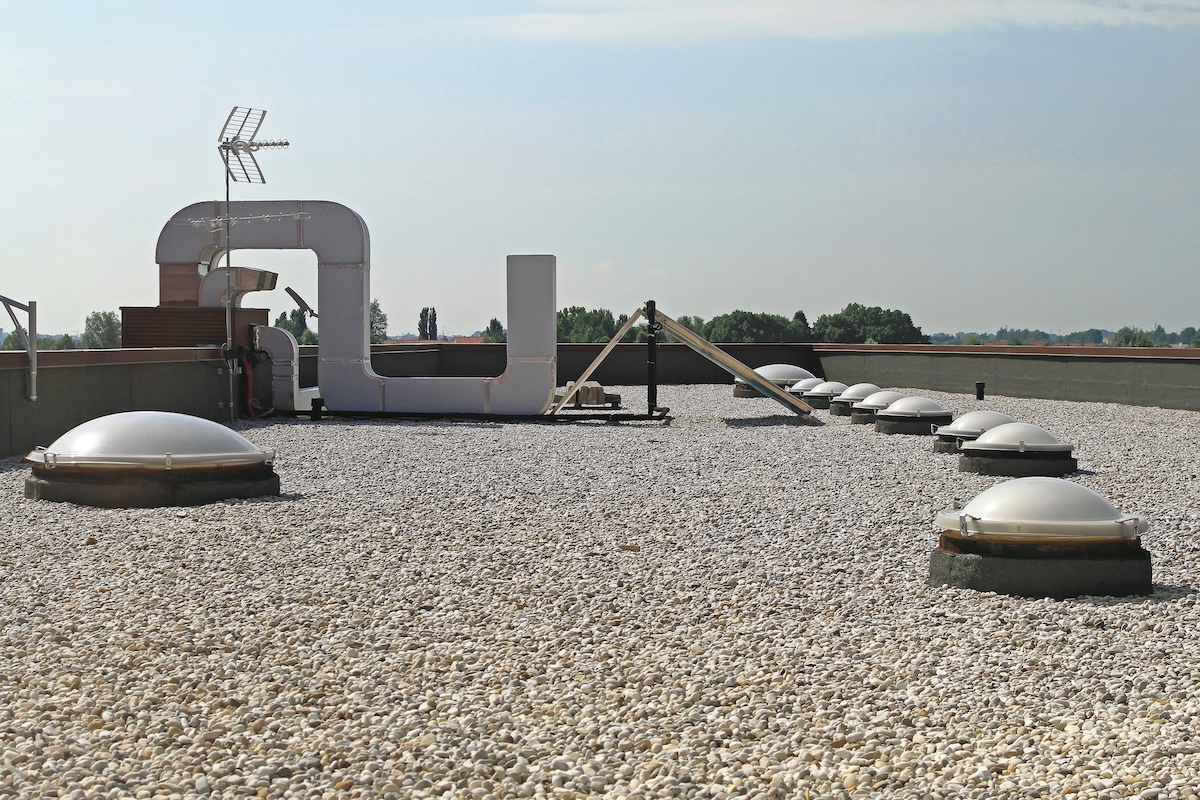

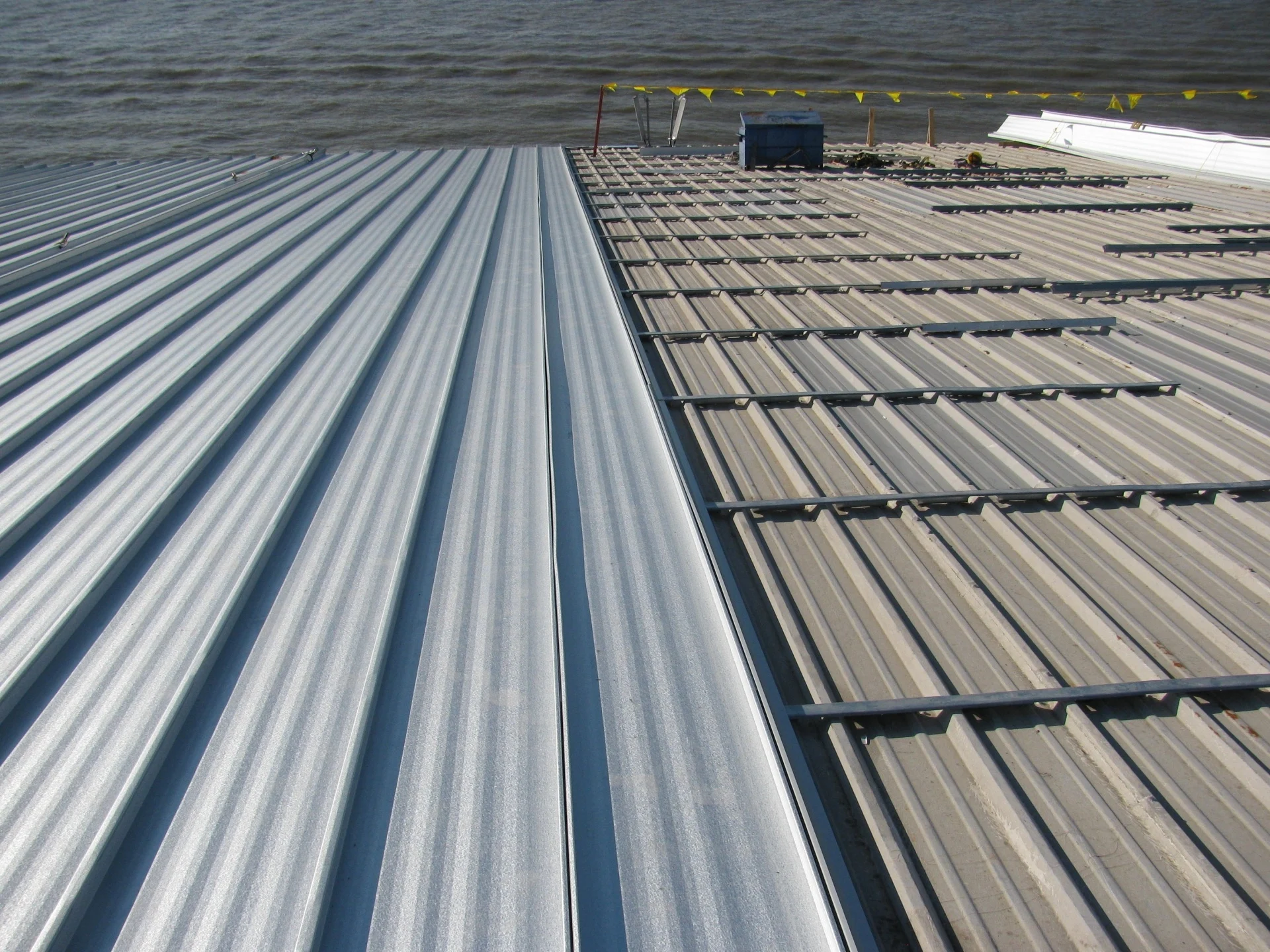
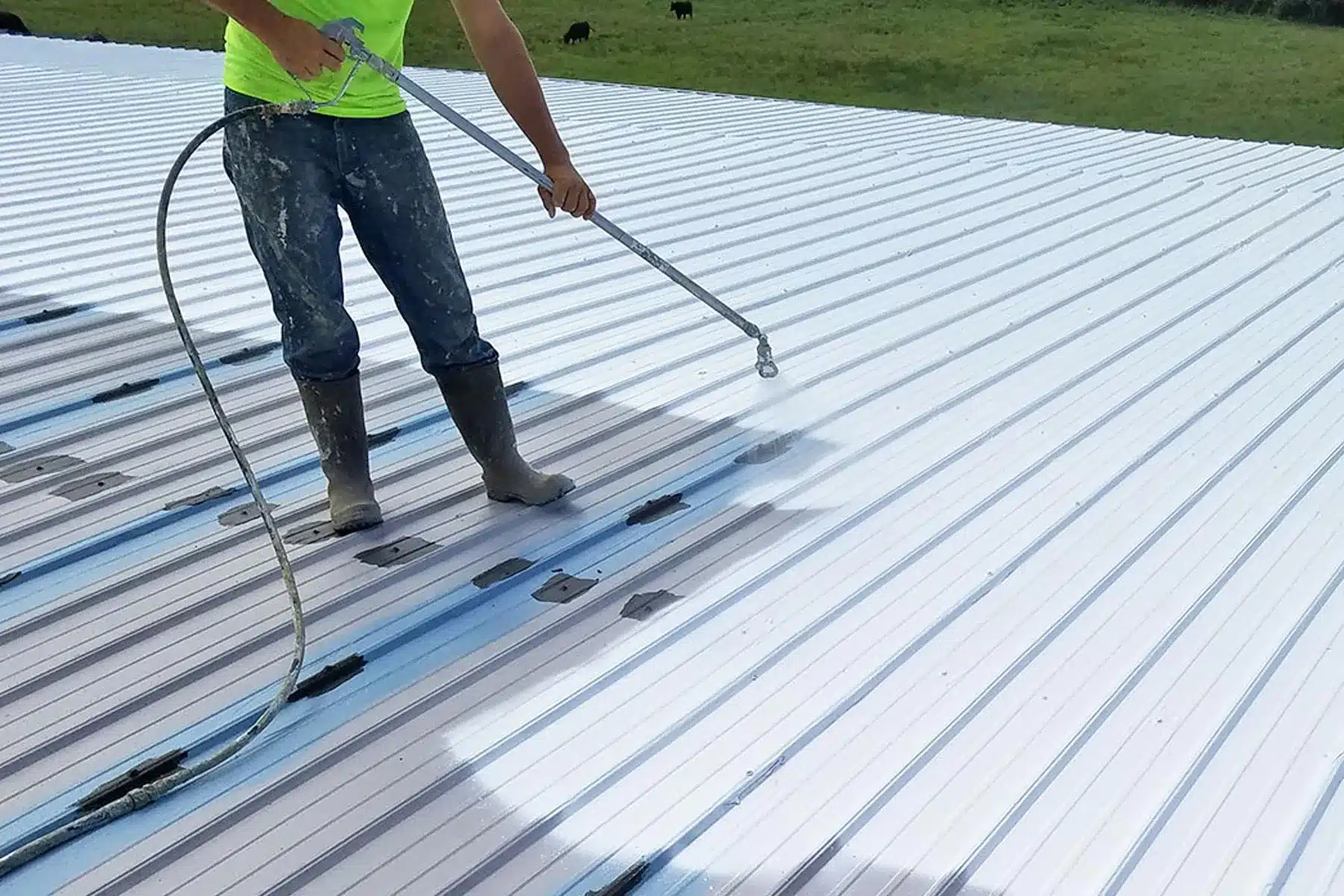
Miami does not get the large-format hail events of the Great Plains or Florida Hill Country — but South Florida convective storms produce hail frequently enough to be a documented commercial roof damage mechanism. The challenge is that hail damage on single-ply membranes is often invisible from normal inspection distance and requires close-range documentation to support an insurance claim.
Hail damage on commercial flat roofs in Miami is misunderstood in both directions. Some building owners assume that because Miami does not get the softball-sized hail that produces dramatic roof damage in the midwest, hail is not a relevant damage mechanism here. Others assume that any scuff or surface mark on a roof membrane after a hail event is structural damage. Neither is accurate.
South Florida convective storms — particularly the intense afternoon thunderstorm cells that develop over the Everglades and move eastward across the metro from June through September — regularly produce hail in the 0.75 to 1.5 inch diameter range. At that size, hail impacts on TPO and EPDM membrane surfaces create surface impressions that can or cannot represent through-membrane damage depending on the membrane thickness, age, and impact velocity. The distinction matters because surface impressions without full membrane penetration are not active leak points — but they do represent membrane thinning that accelerates UV and thermal degradation at the impact location.
Our hail damage assessment uses close-range photography, surface texture mapping, and, where the damage pattern warrants, membrane core sampling to determine whether impacts have created through-membrane penetrations or surface-only impressions. We document the hail stone size (from impact diameter measurements and weather service records for the event), the number and distribution of impacts, and the membrane response at each measured location. This documentation is what a commercial property insurer needs to evaluate a hail claim at the correct scope — not a roofing contractor's verbal representation that 'the roof needs replacement.'
Hail Damage Mechanisms on Miami Flat Roofs
TPO membrane hail damage presents differently by membrane age. New TPO 60-mil membrane has sufficient elasticity to absorb hail impacts without fracture in most 0.75 to 1-inch diameter hail events — the impact leaves a smooth indentation that is detectable at close range but does not represent a through-membrane failure. TPO membrane that has been exposed to Miami's UV intensity for 10-plus years becomes more brittle as plasticizer migration and UV oxidation reduce elasticity. On aged TPO, the same hail size that produces surface indentations on new membrane can produce surface fractures or micro-cracks that are active water intrusion points.
EPDM membrane responds differently — the material's inherent elasticity makes it more resistant to impact fracture than aged TPO, but EPDM hail impacts can produce internal delamination within the sheet that is not visible as a surface fracture but reduces the sheet's tensile strength at the impact location. Over subsequent thermal cycling, these internal delaminations can propagate and become visible seam failures or surface splits.
Modified bitumen hail damage is most visible as surface granule displacement. Granule loss exposes the underlying asphalt matrix to direct UV and thermal cycling, accelerating oxidation at the impact location. Modified bitumen surfaces with widespread granule displacement from a hail event have meaningfully shorter remaining service life than the surrounding intact granule surface — and this accelerated degradation is a legitimate component of the hail damage scope even when immediate water intrusion is not present.
Documenting Hail Damage for Insurance
Hail damage documentation for commercial property insurance requires specific information that a general 'I saw hail damage' statement does not provide. The adjuster needs: the event date and National Weather Service radar or ground-truth hail size data for the specific location, close-range photographs of representative impact locations that show scale (a ruler or measurement device in the frame), the count or density of impacts per unit area, a determination of whether impacts represent surface-only or through-membrane damage, and a repair scope with NOA-compliant material specifications.
We provide all of this in a written damage report. The weather event data comes from NOAA's Storm Events Database and CoCoRaHS ground observer network — both of which document hail events in Miami-Dade with enough spatial resolution to support or refute a claim that hail reached a specific address on a specific date. In cases where our inspection findings and the weather service data are inconsistent, we document that inconsistency rather than ignore it.
We do not generate hail damage reports that recommend replacement for surface-only impression damage that does not represent active water intrusion. That approach may maximize claim settlements in the short term but produces adjuster skepticism that makes legitimate future claims harder to process. We document what we find.
Repair Methods for Hail-Damaged Commercial Roofs
Isolated through-membrane punctures from hail impacts are repaired with membrane patch material — heat-welded for TPO and PVC, cold-applied for EPDM — sized to cover the impact location with the manufacturer's specified minimum lap around the damage perimeter. The patch material must be from the same NOA-approved assembly as the existing roof membrane; mismatched patch materials can create adhesion failures at the patch perimeter.
When hail impact density is above a threshold where point repairs become uneconomical — typically above 15 to 20 through-membrane impacts per 1,000 square feet — a fluid-applied coating over the affected area or a full section replacement may be more cost-effective than individual patching. We calculate the point repair count against the area cost for each option and present both in the repair scope with a recommendation.
Granule displacement on modified bitumen surfaces is addressed with granule-surfaced cap sheet replacement on affected sections. Granule infill products exist for localized repair, but they do not provide the same UV protection as the original factory-applied granule and are not an appropriate substitute for section replacement when granule displacement is widespread.
Frequently asked questions
How do I know if the hail event that hit my area was large enough to damage my commercial roof?
We reference NOAA's Storm Events Database and the CoCoRaHS ground observer network for documented hail size at specific locations in Miami-Dade. We can also estimate hail size from impact diameter measurements on the roof surface — impact diameter correlates to hail size through established empirical tables. If the weather data shows hail at your address on the claimed date, that supports the claim; if there is no weather service documentation of hail at your location, we will tell you that before you file.
My roof has surface marks I think are hail damage from a storm last year — is it too late to file a claim?
Florida law sets the claims reporting deadline, and most commercial property policies have specific notice-of-loss requirements. On the documentation side, hail impacts that are a year old are harder to distinguish from UV oxidation and traffic scuffs than fresh impacts — but physical evidence of hail damage often remains readable for 12 to 18 months. We assess what the physical evidence shows and document it accurately; whether the claim is still timely under the policy is a question for your broker or attorney.
Does hail damage void my roof manufacturer warranty?
Manufacturer warranties typically exclude damage from causes outside the manufacturer's control, including hail. A hail event that damages the membrane does not void the warranty for non-hail-related defects — but hail-damaged sections that are not repaired with NOA-compliant materials can create compliance gaps that affect warranty status. We specify repairs that keep the remaining warranty intact.
Get a documented hail damage assessment for your Miami commercial roof.
Our project managers will photograph, measure, and map hail impact locations across the roof surface and produce a written report with weather event data that an adjuster can use to evaluate your claim.
Explore More
- Hurricane Damage Roof Repair
- Wind Damage Roof Repair
- Storm Surge Coastal Damage Roof Repair
- Leak Damage Roof Repair
- Water Damage Roof Repair
- Commercial Roof Repair
- Industrial Roofing
- Commercial Reroofing