Hurricane Damage Roof Repair
Miami, FL · Damage Repair
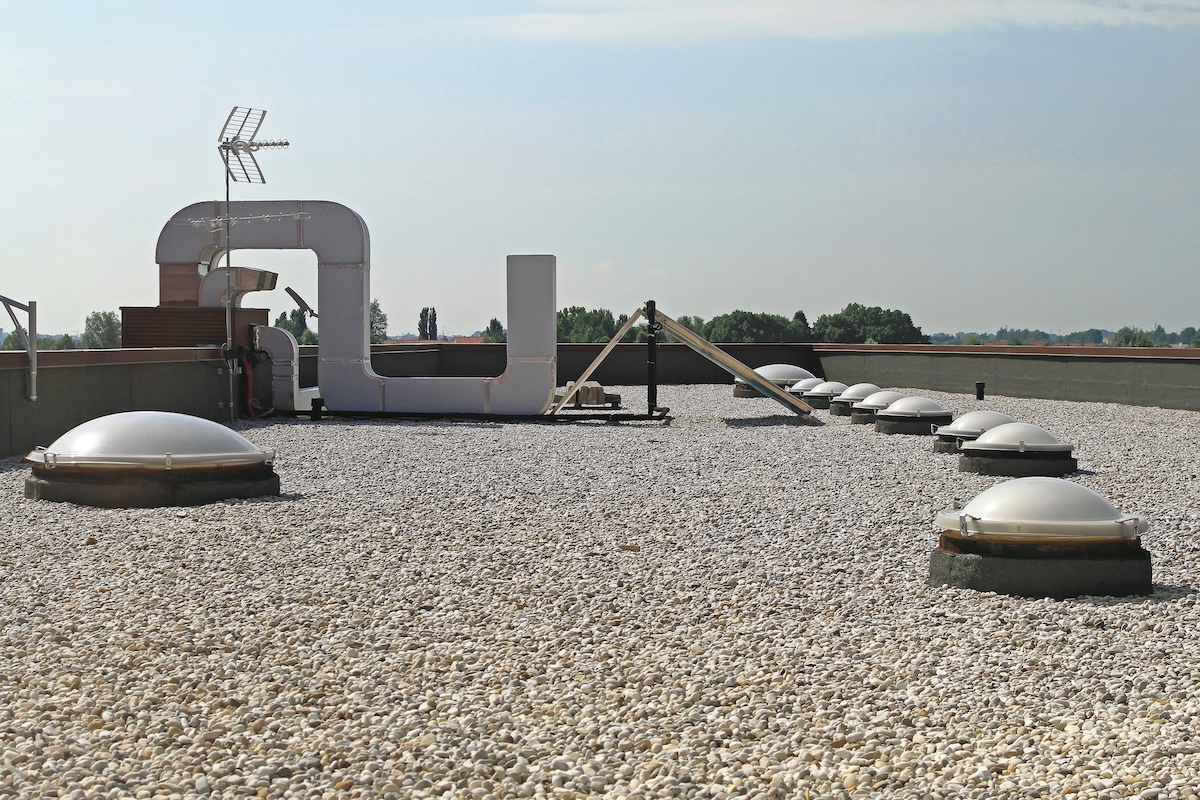

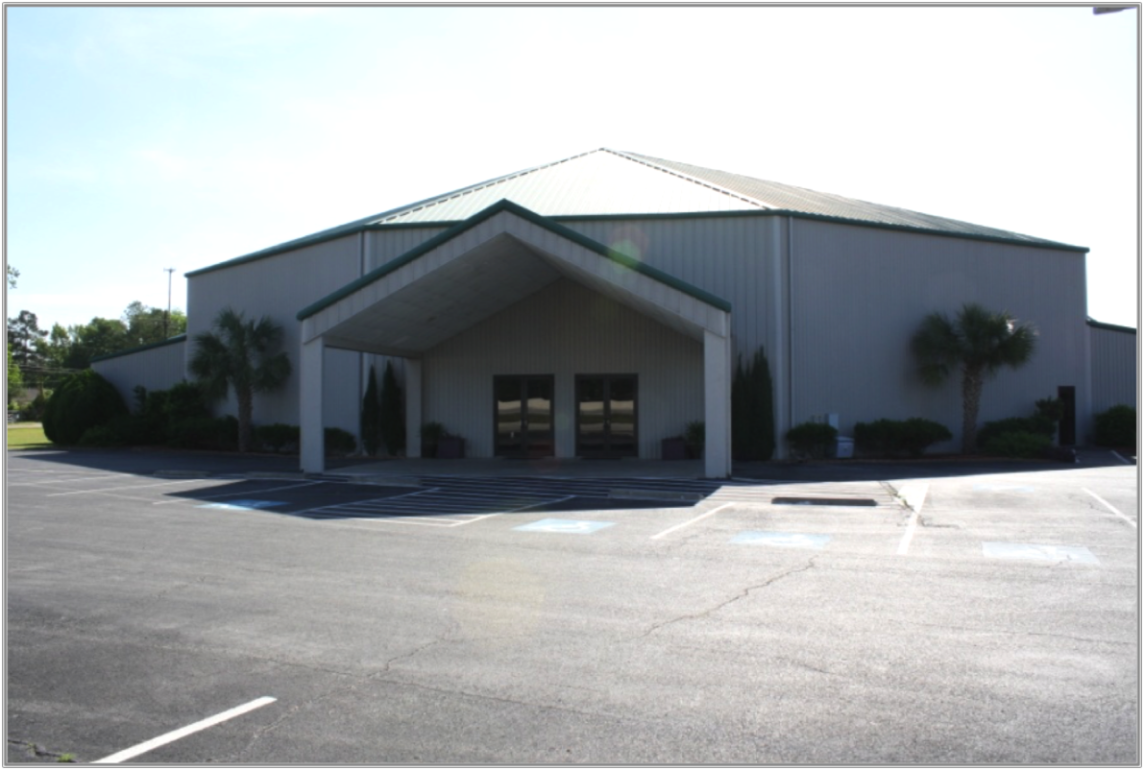
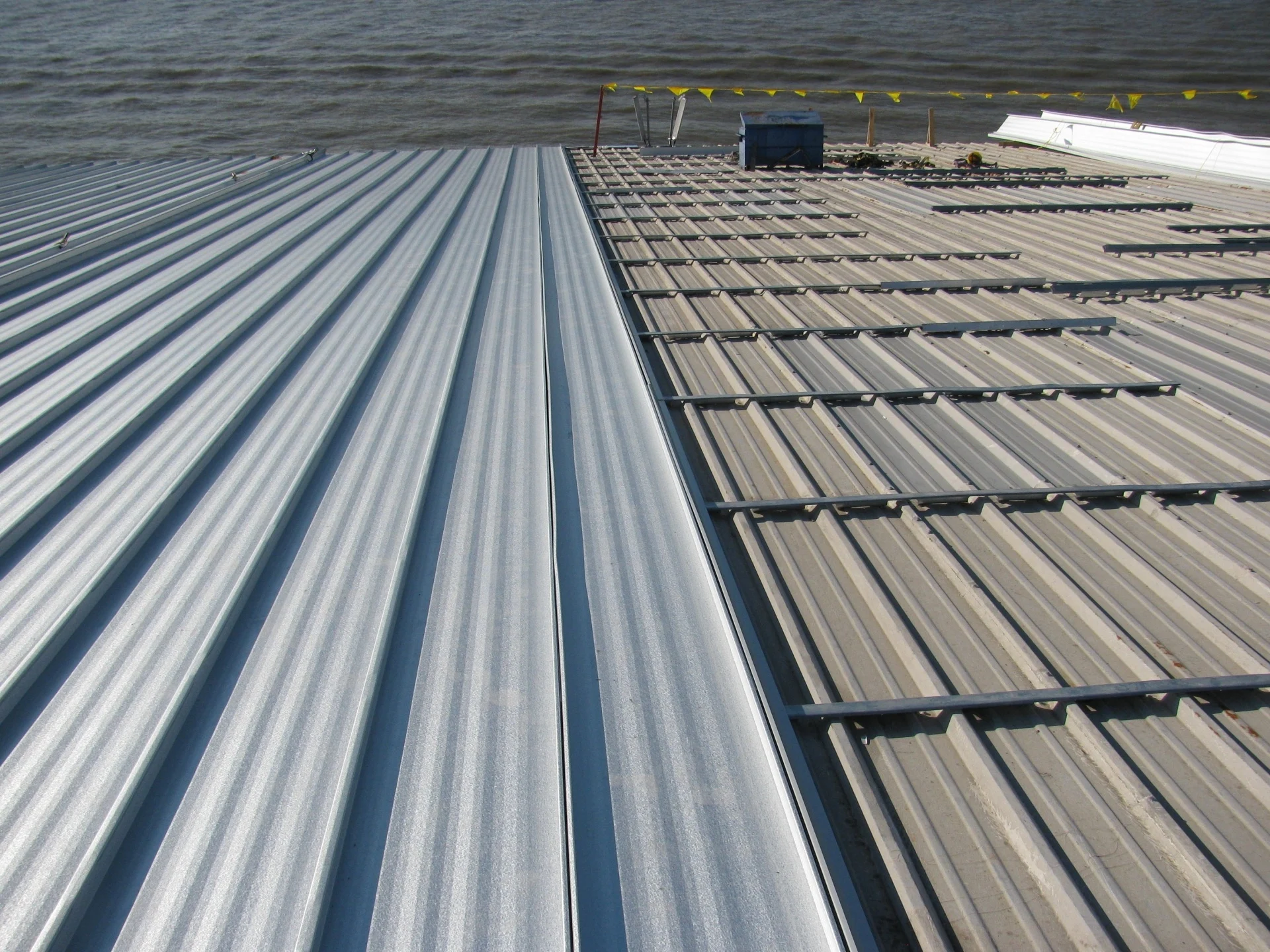
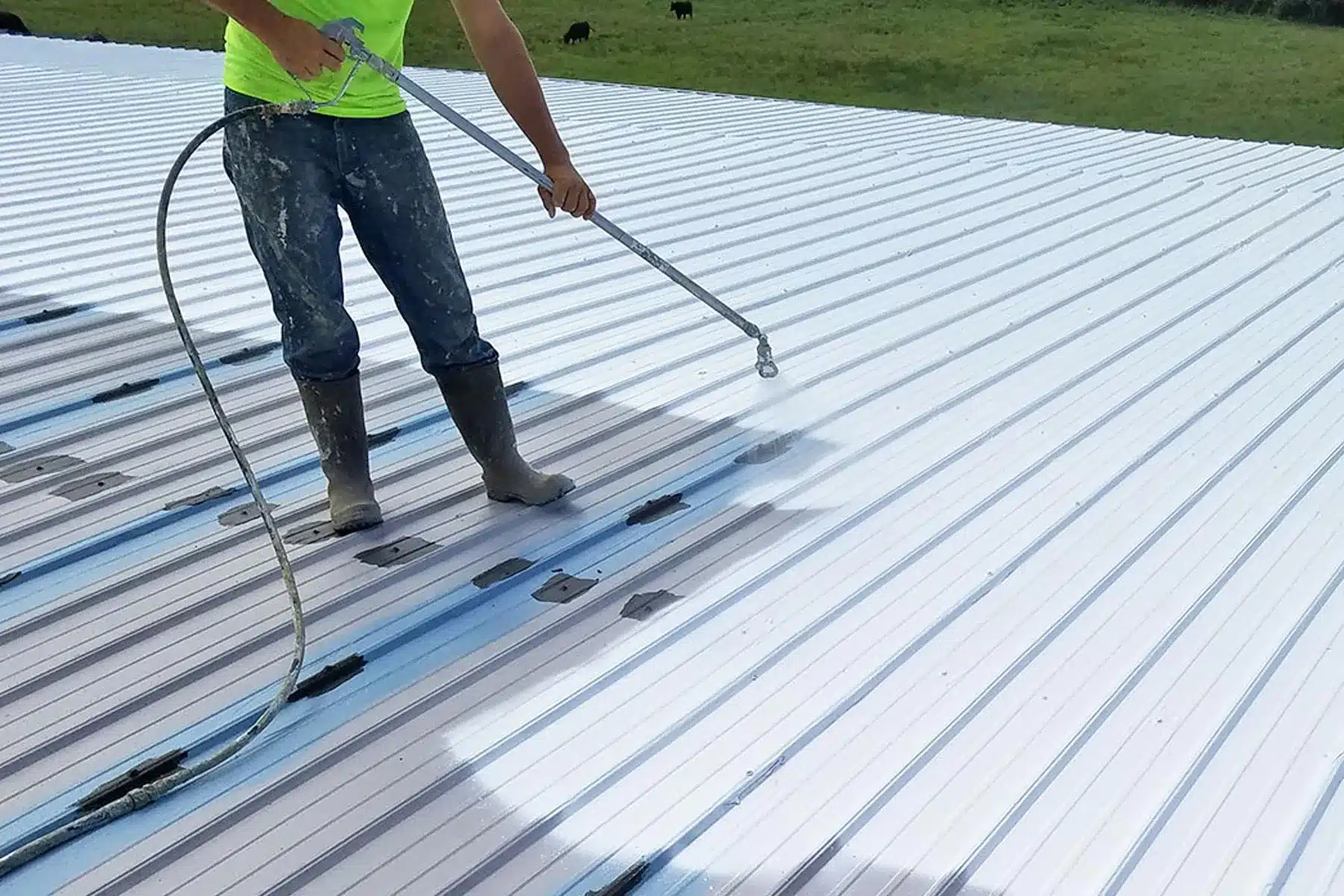
Hurricane Andrew in 1992 and Hurricane Irma in 2017 each produced thousands of Miami-Dade commercial roof claims. The ones that under-settled shared a common problem: the post-storm damage documentation did not separate pre-existing condition from event-related damage at a level adjusters could evaluate. We document hurricane damage the way a claims process requires.
Every commercial roof in Miami-Dade will be tested by hurricane-force winds during its service life. The Florida Building Code's High-Velocity Hurricane Zone requirements were written specifically for this reality — but code compliance is not the same as zero damage. Even an HVHZ-compliant roof absorbs dynamic pressure cycling that fatigues flashings, seams, and perimeter edge metal over multiple storm events. When a major hurricane comes through, those accumulated fatigue points become active failure locations.
Our hurricane damage assessment protocol starts with a photo-keyed roof zone diagram taken before any repair work touches the surface. We map wind uplift locations, debris puncture locations, parapet flashing failures, and drain or scupper damage against the pre-storm condition record if one exists — or against physical evidence of pre-storm condition when no prior inspection record is available. That separation of pre-existing versus event-related damage is what an insurance adjuster needs to evaluate a commercial claim at the correct scope.
Hurricane Irma made landfall near Marco Island on September 10, 2017, but its wind field crossed Miami-Dade County with sustained winds of 100 to 130 mph depending on location. Post-storm inspections across the county consistently showed the same failure pattern Andrew revealed 25 years earlier: corner and perimeter zone membrane blow-off initiated at locations where fastener density did not match the HVHZ design requirement, and parapet flashings failed at transitions that were not detailed to the current NOA-approved method. We document these failure modes specifically because adjusters and building owners need to understand whether the damage reflects installation deficiency, maintenance neglect, or storm severity that exceeded the design envelope.
What Hurricane Damage Looks Like on Miami Flat Roofs
Corner zone blow-off is the most visible hurricane failure mode on Miami commercial buildings. The ASCE 7 wind pressure design in the corner zones of a commercial flat roof can reach two to three times the field zone pressure — and when sustained winds exceed the design speed or when fastener density in a prior installation was below the HVHZ requirement, the corner zone is where membrane lifts first. Post-Andrew engineering analysis documented this mechanism, and post-Irma inspections 25 years later confirmed it remained the primary failure initiator on underperforming roofs.
Parapet flashing separation is the second most common hurricane failure. The dynamic pressure cycling that accompanies sustained high winds — not just peak gusts but repeated load-unload cycles over several hours — fatigues the bond or mechanical connection between the roof membrane and the parapet flashing termination bar. Pre-Andrew buildings with metal termination bars that were never upgraded to current NOA-approved coping systems are particularly vulnerable. Even post-Andrew buildings can have parapet flashing fatigue from multiple storm events over 20-plus years.
Flying debris punctures occur at every storm intensity. Mechanical equipment, rooftop drains and scupper covers, aggregate ballast from neighboring buildings, and construction debris from nearby sites all become projectiles at sustained hurricane-force winds. Puncture locations need to be documented by exact coordinates on the roof zone diagram — not just photographed in isolation — so the adjuster can verify that repair costs map to a specific location and scope.
The Damage Documentation Process
We photograph the entire roof surface before any repair work begins — including areas that appear undamaged. This baseline matters because water intrusion from a storm event does not always manifest as interior water staining until days or weeks after the event, when the intrusion path migrates through the insulation stack. A post-storm roof surface photo log taken immediately after the event is the only way to document event-related damage at locations that show interior damage later.
Pre-existing condition is documented separately. Physical evidence of pre-existing condition includes prior repair patches, lap seam adhesion failures that are oxidized and aged rather than fresh, perimeter metal corrosion, and drain sumps with accumulated debris that predates the storm. Separating pre-existing from event-related damage is not adversarial — it is what produces an accurate claim scope. An adjuster who cannot distinguish pre-existing from event-related damage will either deny items that should be covered or allow items that are not legitimately the storm's fault.
The written damage report specifies repair scope by zone, repair method, and material specification compliant with the existing assembly's Miami-Dade NOA. Repairs that install materials outside the NOA-approved assembly invalidate the manufacturer warranty and create compliance problems at future sale or refinancing. We specify NOA-compliant repairs as the baseline, not the premium option.
Emergency Dry-In After a Hurricane
Miami-Dade Building Department issues emergency repair authorizations in the immediate post-hurricane period that allow temporary dry-in work without a standard building permit. Emergency dry-in — installing temporary single-ply membrane over exposed deck or failed flashings — is the priority in the hours and days after a storm, before water intrusion can migrate through the insulation and reach occupied floors.
We maintain emergency tarping and temporary membrane materials on every active project during hurricane season (June 1 through November 30). For buildings on our maintenance contracts, post-storm mobilization is a priority commitment. For non-contract buildings, we respond as crew capacity allows after the storm event — and we communicate honestly about timeline when demand exceeds capacity in the immediate post-storm period.
Emergency dry-in does not substitute for a permanent repair scope. Once the building is protected and the claim process is underway, the permanent repair scope needs to be developed against the full damage assessment — not against what was visible during the emergency dry-in. We keep our emergency dry-in documentation as part of the full damage record.
NOA Compliance in Hurricane Repairs
Every repair installed on a Miami-Dade commercial roof must use materials and methods from an assembly with a current Miami-Dade Notice of Acceptance. This is not optional — repairs made with materials outside the NOA-approved assembly create code compliance gaps that can surface at the next building permit inspection, at property sale, or at the next manufacturer warranty renewal. When we write a repair scope, we specify the replacement membrane patch, adhesive, and fastener system by manufacturer and model number, and we document the active NOA number that covers the assembly.
Hurricane damage repairs on buildings with older NOA systems sometimes reveal that the existing assembly's NOA has lapsed or that the manufacturer has discontinued the product. In those situations, the repair cannot simply match the existing system — it needs to transition to a currently NOA-approved assembly. We identify these situations in the damage assessment and explain the compliance path before repair work begins.
Frequently asked questions
How quickly can you get on a roof after a hurricane in Miami?
For buildings on our maintenance contracts, we mobilize for emergency assessment and dry-in as soon as conditions allow crew access — typically within 24 to 48 hours of a storm passing. For non-contract buildings, timeline depends on post-storm demand. We maintain a call list for buildings that contact us before hurricane season and commit to communication about timeline even when demand exceeds immediate capacity.
Should I contact my insurer or a roofing contractor first after a hurricane?
Contact both as soon as possible. Your insurer needs prompt notice of loss. A roofing contractor needs to document the damage before repair work begins — repair work without prior documentation makes it difficult to support the claim. We can document damage and prepare for emergency dry-in simultaneously, and we provide the documentation package directly to your adjuster or broker.
Can you repair a roof that was not originally installed to HVHZ standards?
Yes, but the repair scope needs to address the compliance gap, not paper over it. If the existing assembly lacks an active Miami-Dade NOA or was installed with a fastener pattern below the current HVHZ design requirement, we document that in the assessment and scope the repair to bring the repaired area into compliance. We do not install repairs that restore a building to a non-compliant baseline.
What is the difference between a hurricane damage repair and a full roof replacement?
It depends on the percentage and distribution of damaged area and the condition of the remaining roof. If hurricane damage is concentrated — 10 to 20 percent of the roof surface at corner and perimeter zones, with sound field zone membrane — targeted repairs are appropriate. If moisture intrusion has saturated the insulation stack across a large percentage of the roof, or if the field zone membrane is near end-of-life, the hurricane event may be the trigger for a full replacement scope that makes more economic sense than patching.
Get a documented hurricane damage assessment before repair work begins.
Our project managers will walk the entire roof surface, photograph damage against a zone diagram, distinguish pre-existing from event-related damage in writing, and deliver a report your adjuster can act on.
Explore More
- Salt Air Corrosion Damage Roof Repair
- Structural Roof Damage Assessment
- Insurance Claim Roof Documentation
- Wind Damage Roof Repair
- Storm Surge Coastal Damage Roof Repair
- Drain Cleaning Repair
- Roof Asset Management Program
- Mixed Use Roofing