Automotive Manufacturing Roofing
Miami, FL · Property Types

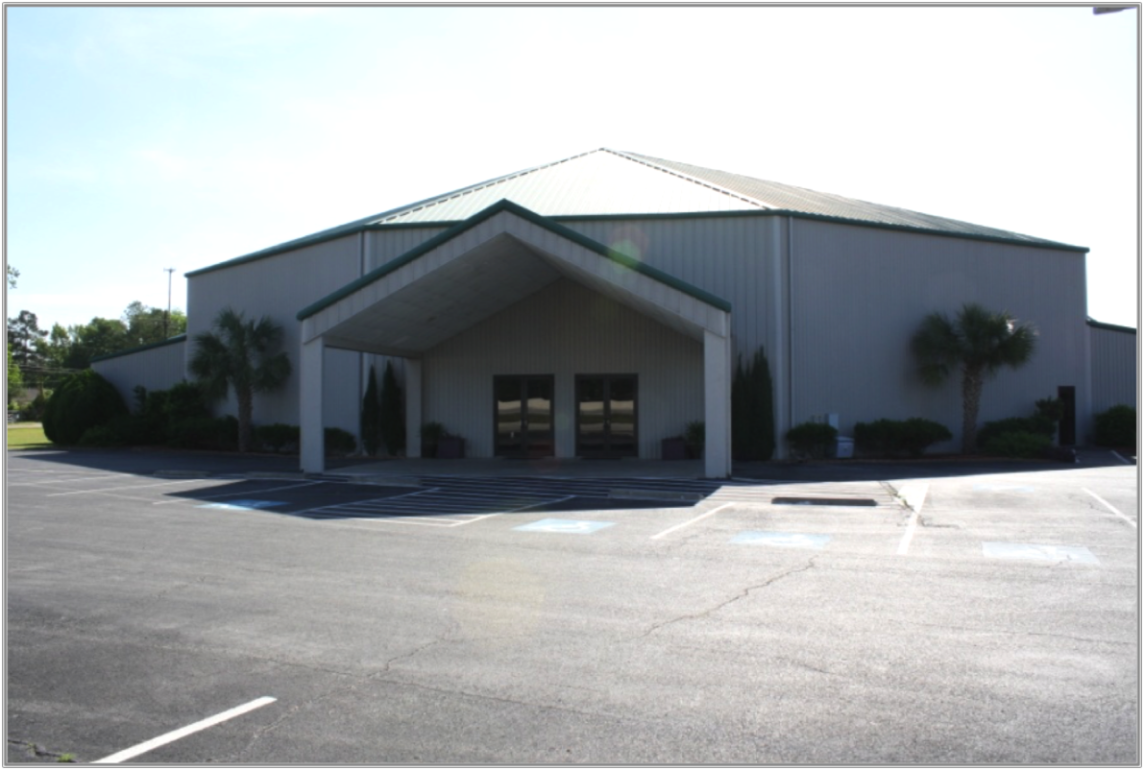
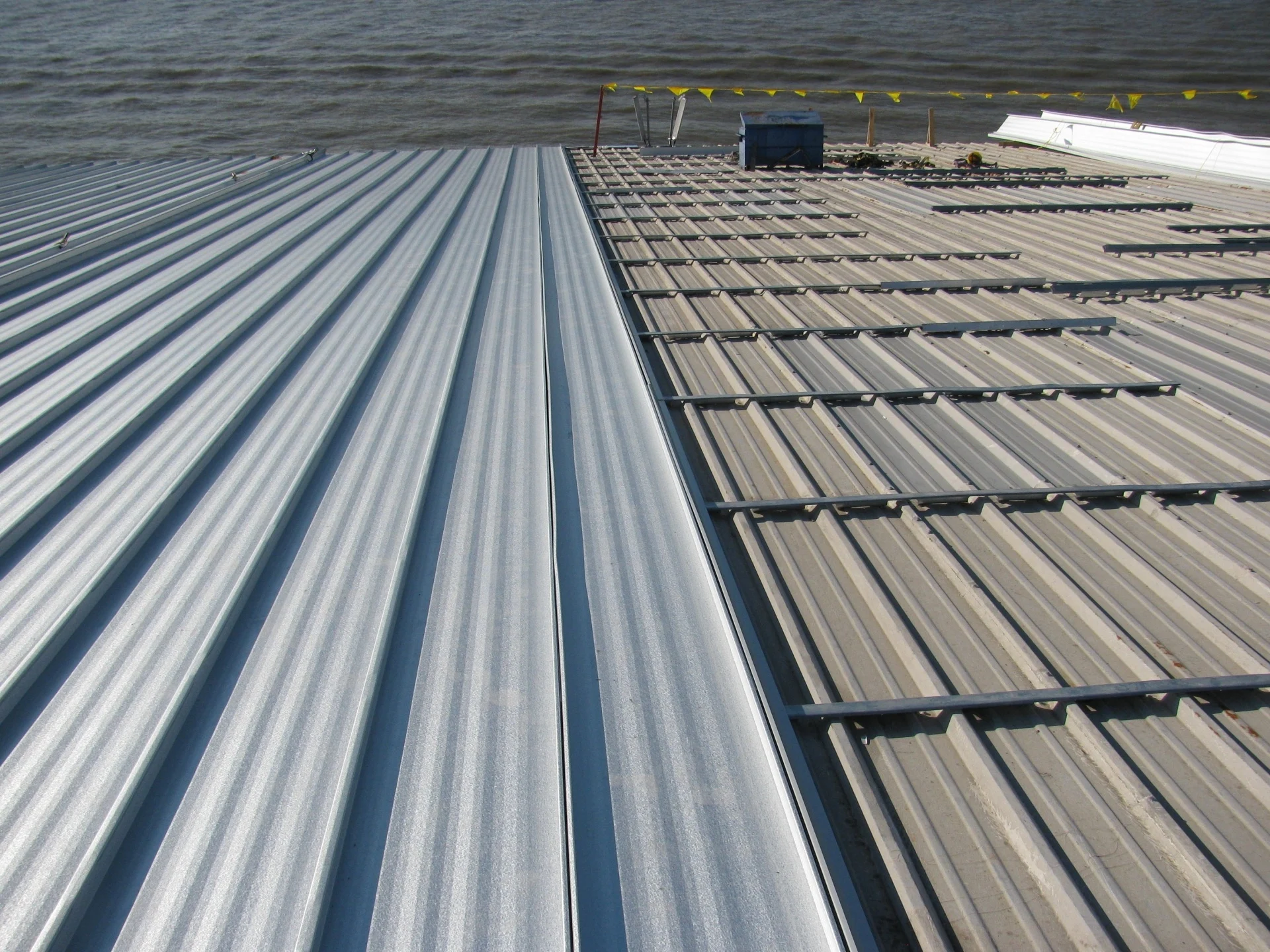
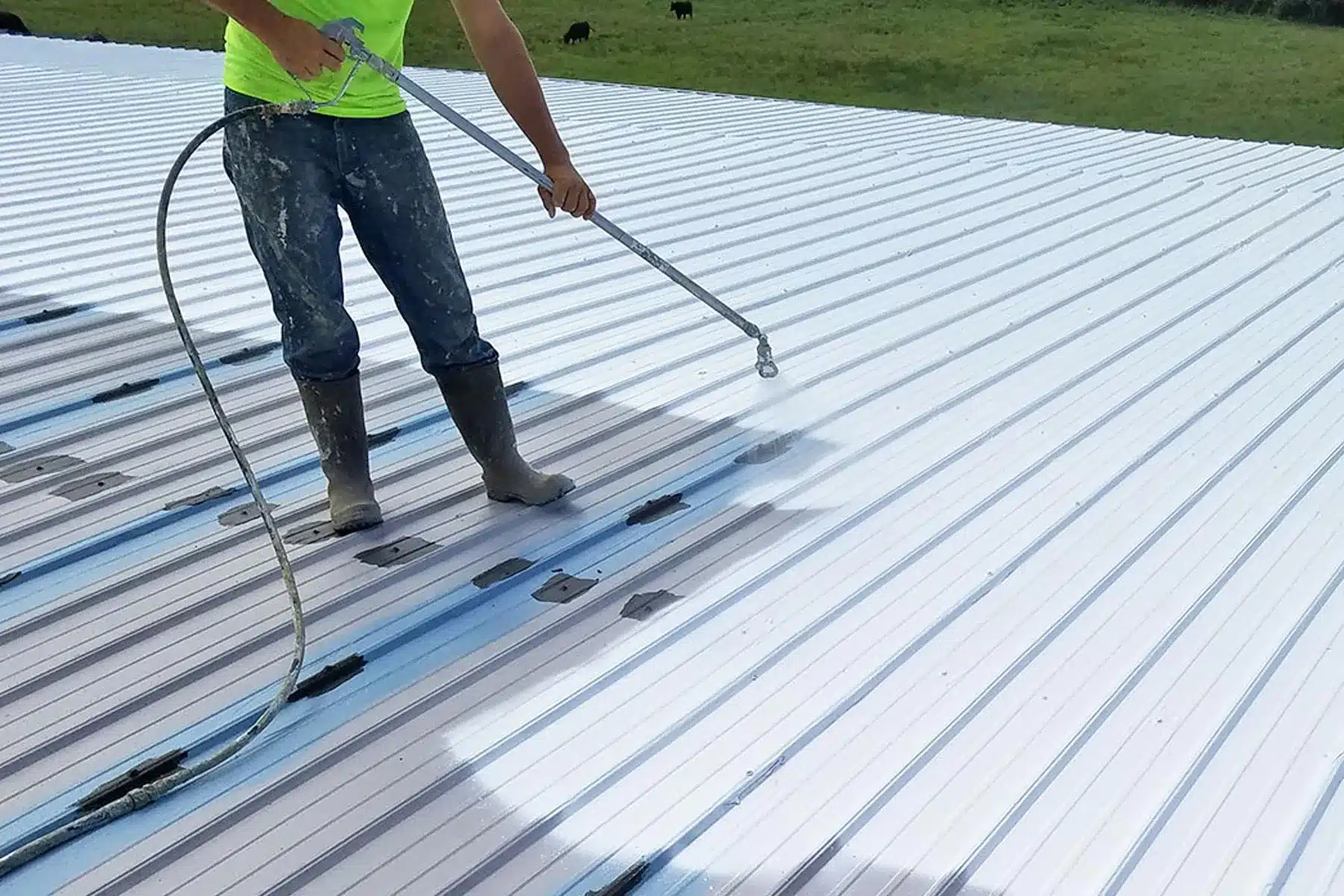
Automotive manufacturing and assembly facilities have some of the largest roofs of any building type — vast low-slope expanses covering production lines, paint and finishing areas, fabrication bays and parts storage all under one continuous deck. At that scale, every roofing decision multiplies. A detail that is a minor concern on a small building becomes a major exposure across hundreds of thousands of square feet, and a leak over a production line can stop work that costs real money for every minute it is down. We approach automotive plant roofing in Miami as a large-scale, production-critical undertaking.
Miami's automotive industrial base is concentrated and active. We work component manufacturers, assembly and upfitting operations, and supplier plants throughout the heavy-industrial corridors of Medley, Hialeah and Doral, along with the auto-trade and remanufacturing cluster that has grown up around the airport on Northwest 36th and 79th Streets. These are demanding facilities, often running multiple shifts, with processes that load the roof in ways an ordinary warehouse never does.
Heavy Ventilation and Process Loads
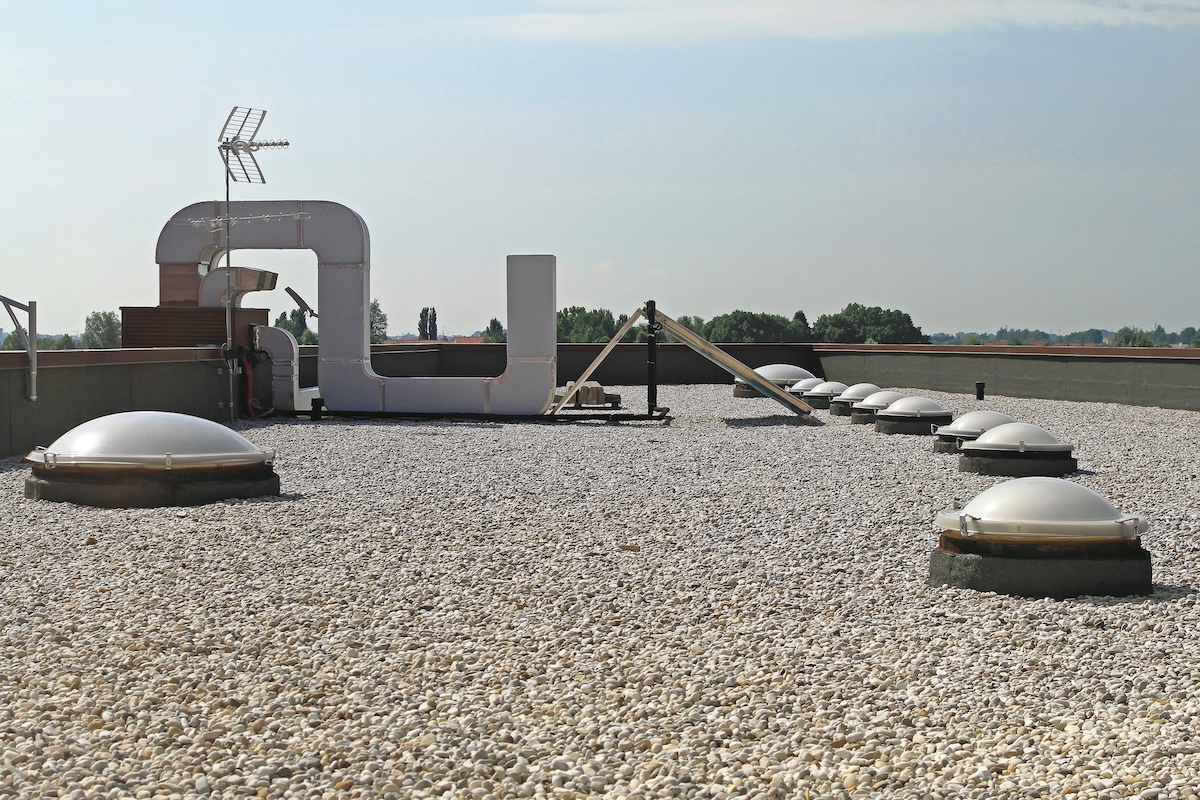
What sets an automotive plant roof apart from a plain industrial roof is everything the manufacturing process puts on top of it. Paint booths, welding and fabrication areas, and finishing lines all require substantial exhaust and make-up air, which means a dense field of large fans, ductwork, exhaust stacks and air handlers penetrating the membrane. Each one is a curb that must be flashed and maintained, and over a paint or solvent area those stacks discharge fumes and residue that can attack a standard membrane. We plan for that load specifically:
- Fully engineered, properly flashed curbs for the many large ventilation and exhaust units a plant requires, detailed for movement and long-term resealing.
- Chemical- and fume-resistant membrane and flashing choices around paint, solvent and finishing exhaust where ordinary materials degrade.
- Structural supports for heavy rooftop mechanical equipment and process piping, set so loads spread properly across a wide deck.
Before any reroof we map the existing penetrations and equipment so the new system is designed around how this specific plant actually vents and operates, not a generic layout.
Managing an Enormous Low-Slope Surface
A roof this large moves with temperature, and across the Miami year the swing from a cool morning to a baking afternoon drives real expansion and contraction. We design for that with expansion joints, properly placed details, and membranes able to handle the movement of a huge continuous surface without splitting at the seams. We also stage the work in defined sections so a large reroof stays organized and so each completed area is fully watertight before we move on.
That much surface in the Miami sun is also a massive heat gain. A highly reflective membrane over an air-conditioned or process-controlled plant meaningfully cuts cooling load and helps hold steady interior conditions on a production floor — which matters both for comfort and for processes that are sensitive to temperature.
Membrane Systems for Industrial Service
For automotive plants we generally specify durable single-ply systems sized to the building's exposure, with thicker membranes and reinforced detailing in the high-traffic and high-exposure zones around major equipment. The right system stands up to Miami's UV and heat, tolerates the foot traffic of ongoing maintenance, and resists the specific chemical exposures of the process areas it covers.
Keeping the Line Running
An automotive plant lives and dies by uptime, and a roof project cannot be allowed to stop production. We sequence our work to protect the operation — isolating one section at a time, scheduling disruptive phases around shift changes or planned maintenance windows, and protecting equipment and work areas below whenever we open the deck above them. A leak or a debris incident over a line or a paint booth is exactly the disruption we are hired to prevent, so we work methodically and keep each area secured.
Miami's climate adds a hard constraint on a roof this size. With near-daily summer storms and a long hurricane season, leaving acres of deck open is never an option, and we build every plant roof to meet Miami-Dade's High-Velocity Hurricane Zone uplift requirements. A roof this large presents an enormous surface to storm winds, so attachment and uplift resistance across the whole field are critical to keeping the building and the operation protected.
Drainage at Scale
Moving water off a roof measured in acres takes a deliberate drainage strategy, and the dense field of equipment only complicates it. We design positive slope with tapered insulation, keep equipment platforms and piping from damming the flow, and provide adequate primary drains and overflow capacity so a heavy South Florida storm clears quickly instead of ponding across a wide low-slope field where standing water adds weight and finds seams.
Maintenance for a Production-Critical Asset
On a plant this size, regular maintenance is far cheaper than emergency response over a running line. We set up inspection programs that systematically check the many equipment curbs and flashings, the seams across the large field, drainage, and the high-exposure process areas, catching problems while they are small repairs. Given how much a single leak over production can cost, proactive care on an automotive roof pays for itself.
If you operate an automotive manufacturing, assembly, upfitting or component facility anywhere in Miami, we have the capacity and the approach for a roof at this scale. We will assess it against your process loads, ventilation, and production schedule, and recommend a system and a phasing plan that protect the building without stopping the line.
Phasing a Roof That Covers Multiple Production Areas
On a plant where one continuous roof spans fabrication, assembly, paint and storage, a smart phasing plan is the difference between an organized project and a constant disruption. We divide the roof into logical sections that line up with the operations beneath them, so we can complete the area over parts storage during one window and the area over the line during another, each timed to when that part of the plant can best absorb the work. Every section is brought fully watertight before we move on, so an afternoon storm during the project never reaches an area we have opened. Coordinating those sections with your production calendar keeps the roof moving forward without ever forcing the plant to stop.
We also map logistics at this scale before we start — where material stages, how we get it up onto a roof that may be a quarter-mile across, and how crews move without crossing active process areas. On a plant this size, that planning is as important to a clean project as the roofing itself.
Reducing Heat Load Over a Conditioned Plant
A roof covering acres of conditioned or process-controlled floor space is a major driver of the building's energy use in the Miami climate. Choosing a highly reflective membrane across that whole surface cuts the heat the roof absorbs and pushes into the plant, easing the load on cooling and process-control systems and helping hold the steady interior conditions that many manufacturing processes depend on. On a footprint this large, even a modest per-square-foot improvement adds up to real savings, which makes the membrane choice a budget decision as much as a roofing one.
Contact us to arrange a plant assessment coordinated with your operations team.