Bank Financial Building Roofing
Miami, FL · Property Types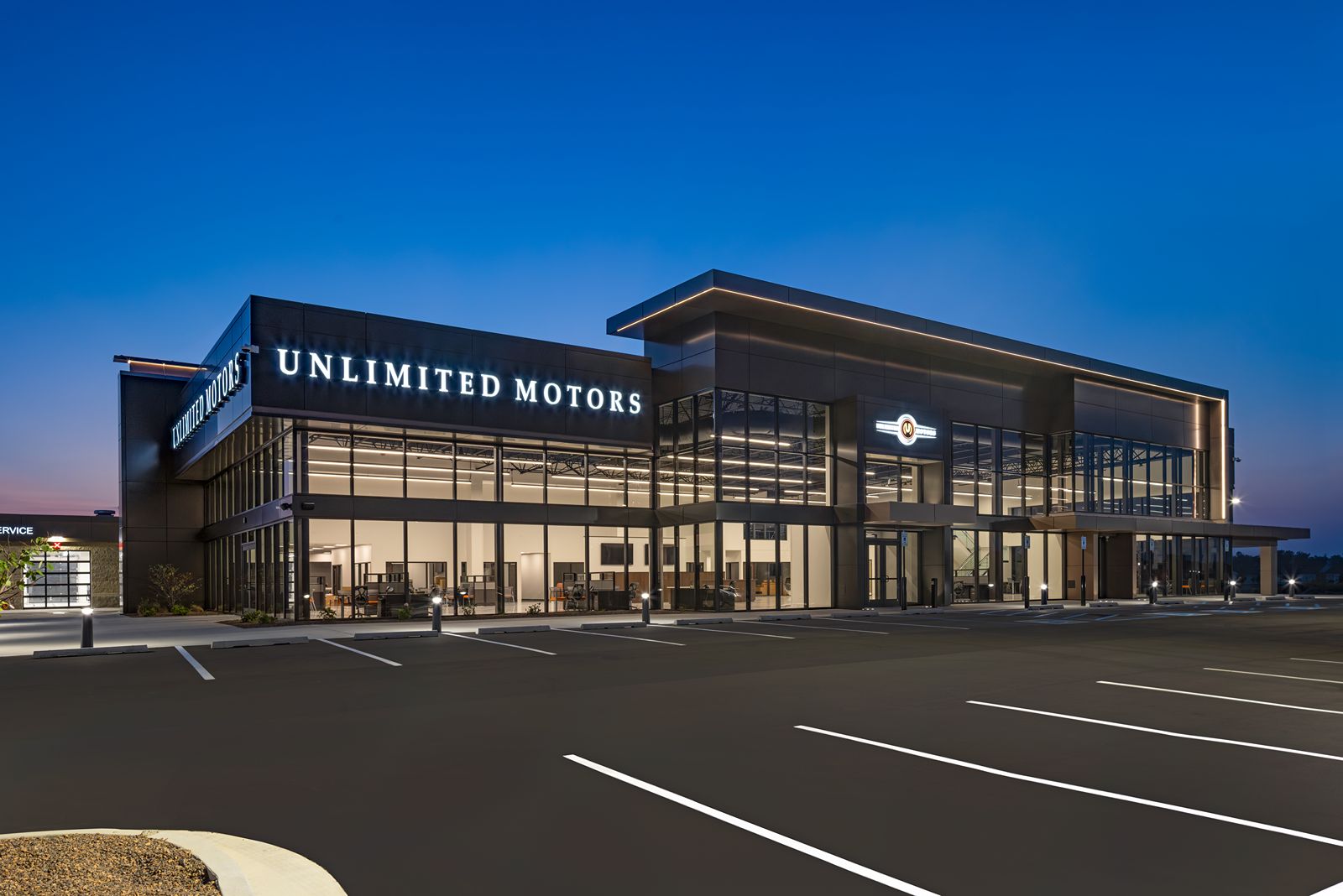
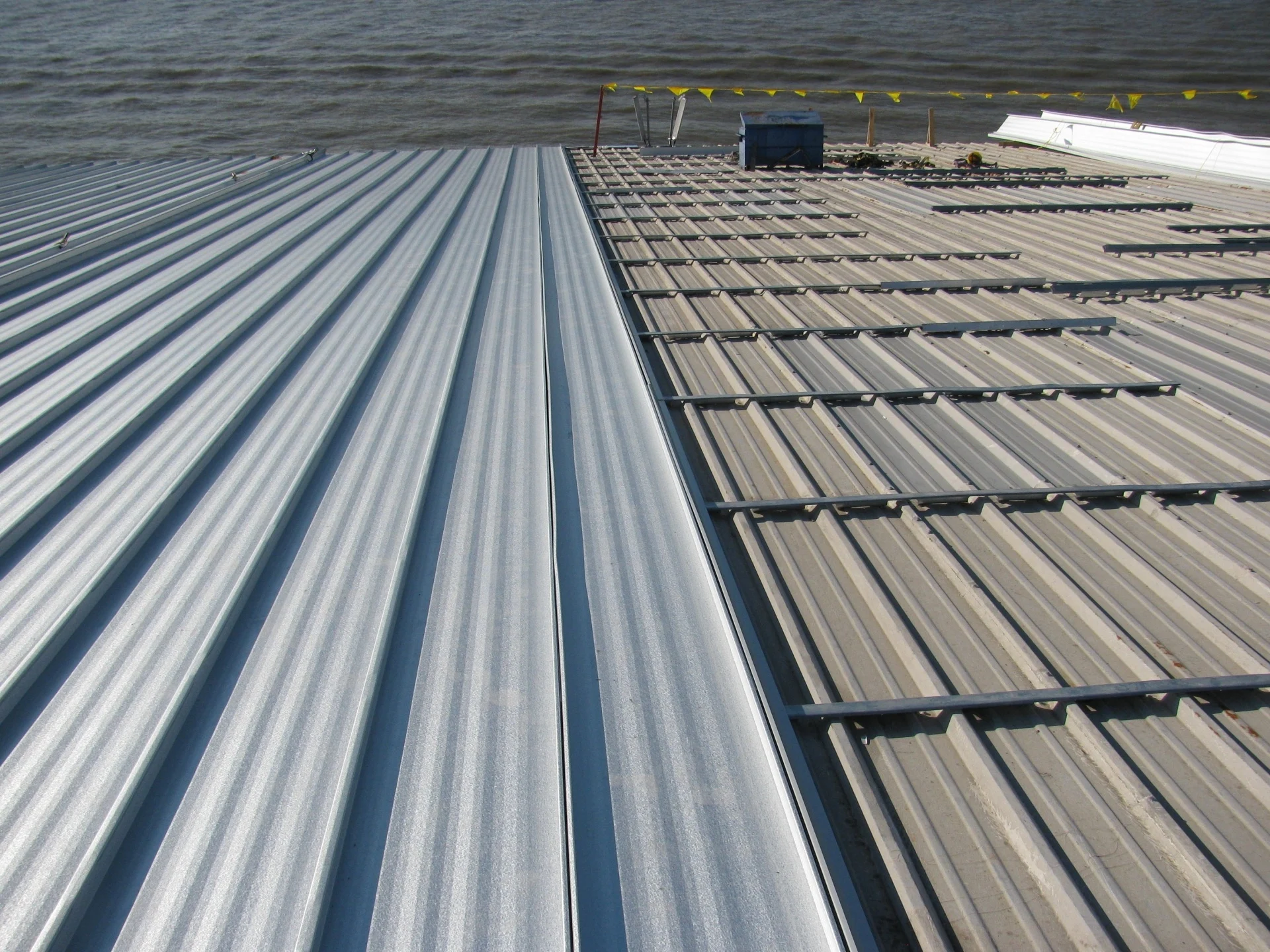
A bank roof is small, but it carries an outsized amount of responsibility for its size. Beneath a typical branch's compact flat roof sit the things a financial institution cannot afford to have water reach: the teller line, the vault and safe-deposit area, the server and network closet that keeps the branch online, and a lobby that customers judge the institution by the moment they walk in. We roof these buildings with that in mind, because on a bank the cost of a leak is measured less in square footage and more in what stops working when water gets in.
We work on financial buildings across the Miami market, from standalone retail branches along South Dixie Highway, Coral Way, and the Biscayne Boulevard corridor to the credit-union and community-bank offices serving neighborhoods across Hialeah, Doral, and Kendall. Miami is also a genuine international banking center, with corporate financial offices concentrated in the Brickell financial district, and the roofs there, on low- and mid-rise office buildings, carry their own demands. Across all of them, the common threads are high visibility, low tolerance for disruption, and sensitive contents directly below the roof.
Small Roofs, High Visibility
A bank branch is a designed building. The institution has spent real money on its image, the landscaping, the signage, the architecture, all of it meant to project stability and care. The roof is part of that picture, especially the visible edge metal, the fascia, and the parapet caps that frame the building from the parking lot and the street. A streaked, sagging, or poorly repaired roof edge undercuts the impression the whole branch is built to create.
Because these roofs are small, the details dominate. There is not a large field of membrane to average out a sloppy flashing, on a compact roof, the perimeter metal, the parapet, and the few penetrations are most of the roof, and any flaw in them is both more likely to leak and more likely to be seen. We approach bank roofs as detail work, getting the edge metal clean and straight, the parapet caps properly sealed and fastened, and the visible terminations crisp, because on a building this size the finish quality of the roof's edge is the roof, both functionally and visually.
Protecting What Sits Under the Roof
The contents of a bank raise the stakes on a leak well beyond cosmetic damage. The server room or network closet that keeps transactions, ATMs, and connectivity running is often tucked against an exterior wall directly under the roof, and water reaching that equipment can take a branch offline. The vault and safe-deposit area cannot tolerate moisture intrusion. Even a leak over the teller line or the manager's office disrupts operations and exposes documents and equipment. We scope bank roofs with those critical zones identified, prioritizing the integrity of the membrane and flashings above the technology and secure areas, and giving the institution clear documentation of any developing risk over those spots so it is handled on a planned basis rather than as an emergency that interrupts a business day.
Drive-Through Canopies
The drive-through canopy is a roofing element nearly unique to banks, and it is a common source of trouble. The canopy is a small, separate roof, often attached back to the main building, sheltering the teller lanes and the pneumatic-tube and ATM equipment beneath it. Its scale and its separate structure make it easy to neglect, and its details, where the canopy ties into the main building, the edge metal around its perimeter, the penetrations for lighting and equipment, are exactly the kind of transitions where water gets in.
A leaking canopy drips onto customers in their cars and onto the transaction equipment in the lanes, both of which a bank notices quickly. We give the drive-through canopy the same attention as the main roof, sealing its tie-in to the building, keeping its edge metal sound, and flashing its penetrations properly. On a financial building the canopy is part of the customer experience, sheltering people at the exact moment they are interacting with the branch, so keeping it dry and presentable matters as much as the roof over the lobby.
Rooftop Equipment on a Compact Roof
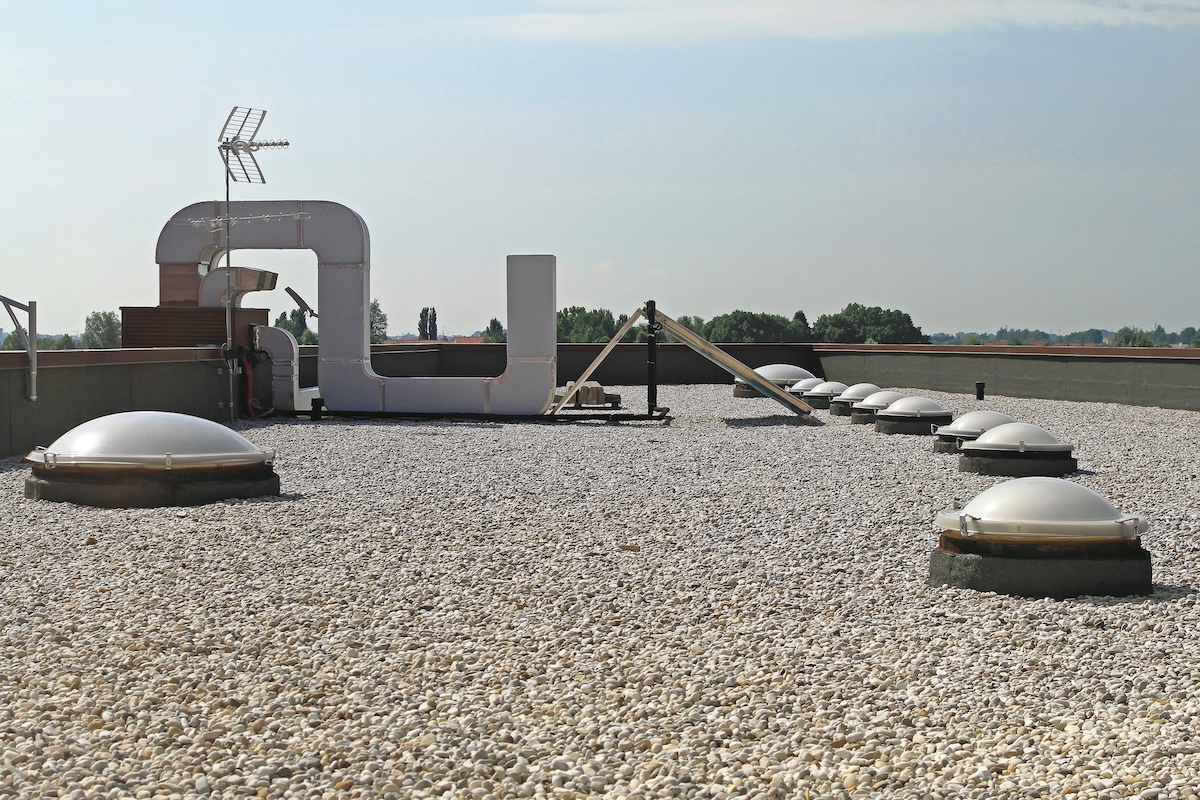
Even a small branch carries rooftop HVAC to condition the lobby, the offices, and especially the server room, which often needs its own dedicated cooling. On a compact roof, that equipment and its curbs, condensate lines, and service-access paths take up a meaningful share of the surface, and the penetrations cluster the leak risk. We make sure the unit curbs are flashed to last through Miami's thermal cycling, that condensate is carried off the roof rather than dripping onto the membrane in our humidity, and that the short paths techs walk to the equipment are protected so routine service is not wearing through a roof that does not have much area to spare.
Draining and Protecting a Branch Roof in Miami
Small flat roofs still have to handle Miami's rain, and a compact roof with a parapet around it is essentially a shallow basin. Wet-season storms drop intense rain quickly, and if the few drains or scuppers a branch roof has are undersized or clogged, water backs up fast against the parapet and goes looking for a seam. On a small roof there is little margin, one blocked drain can put standing water across most of the field in a single storm. We confirm the drainage is adequate for the rain the roof actually sees, keep the outlets and any internal lines clear, and rebuild positive slope toward the drains where an aged roof has gone flat or ponded.
Reflectivity helps here too. A bright single-ply membrane reflects much of the solar heat that would otherwise drive up the cooling load, which matters on a branch where the server room is already demanding steady cooling through a Miami summer. A reflective roof eases that burden and slows the aging of the membrane at the same time.
Systems We Install on Financial Buildings
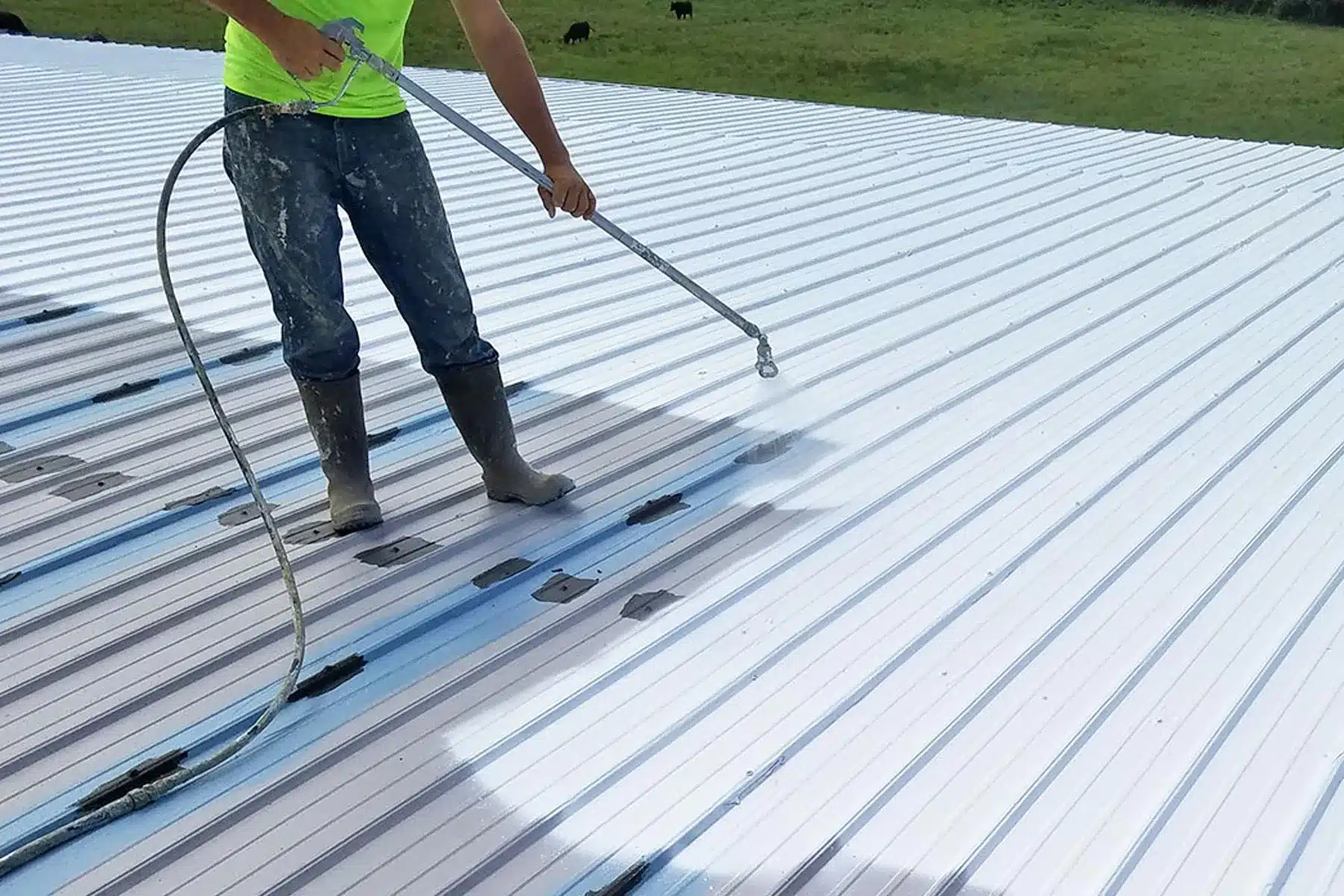
For most Miami bank branches we install a reflective single-ply membrane, TPO or PVC, which suits a small low-slope roof well and reflects the heat that would otherwise load both the building and the membrane. PVC has an edge in durability and chemical resistance where it matters. On a branch with a sound but weathered roof, a fluid-applied silicone coating can restore the surface and seal aging flashings with minimal disruption, which is valuable for an institution that wants to avoid the noise and exposure of a full tear-off over operating hours. For the larger corporate financial offices in Brickell and similar buildings, we install the low-slope systems appropriate to mid-rise commercial roofs, with the same priority on protecting the sensitive operations below.
Every roof we install meets Miami-Dade's product-approval and high-velocity-hurricane-zone wind requirements. On a small roof the entire perimeter is essentially edge zone, where wind uplift is highest, so the edge-metal attachment and membrane fastening around the perimeter and the drive-through canopy have to be engineered to the building's real pressures. A bank's roof and canopy edges are both the most wind-vulnerable parts and the most visible, and we detail them to hold in a storm.
Keeping a Bank Roof Quiet and Dry
A financial institution does not want its roof to ever be a topic, no leaks during business hours, no unsightly edge, no surprise that takes the server room offline. The way to keep it that way is scheduled inspection rather than waiting for a problem. We set up maintenance programs that walk the roof and the drive-through canopy at least twice a year and after major storms, focusing on the perimeter and parapet details, the HVAC curbs, the penetrations over the server and secure areas, and the drains. We re-seal flashings that are beginning to open, keep the edge metal sound and presentable, confirm condensate is routed off the roof, and clear the drains before the next downpour.
For a bank, credit union, or financial office anywhere in the Miami area, that steady, low-key attention is exactly what a financial institution wants from its roof, problems handled quietly on a schedule, before they ever reach a customer or a critical system. If you are responsible for a branch, a drive-through, or a financial building here, we will inspect the roof and canopy, give you a straight assessment of where they stand, and lay out a repair, coating, or replacement plan that fits your operations and protects what sits beneath the roof. Reach out and we will arrange a time that works around your business hours.