Auto Dealership Roofing
Miami, FL · Services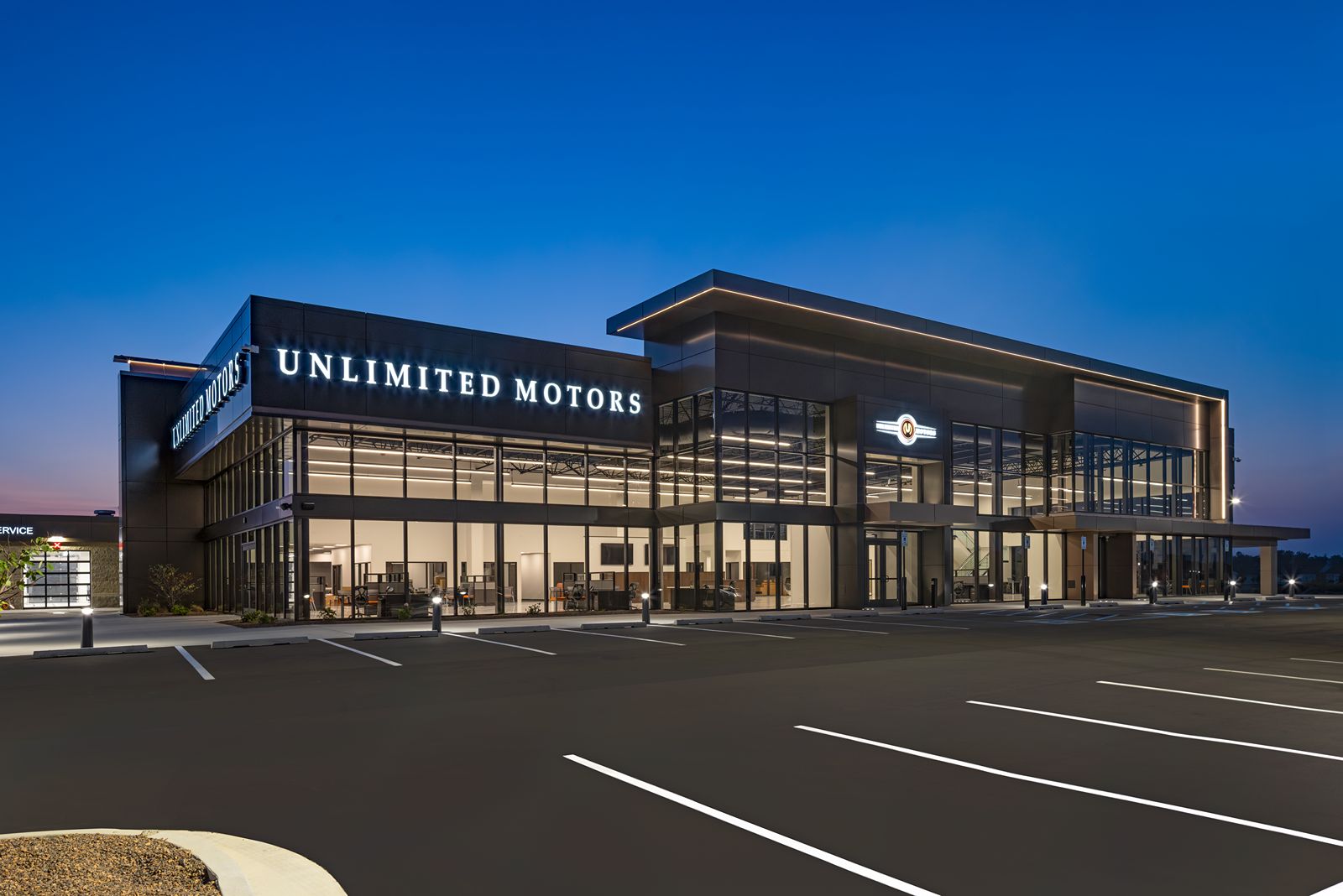
Commercial roofing for auto dealerships, car lots, service centers, and automotive facilities throughout Miami, FL.
AutoNation, headquartered in Fort Lauderdale and operating dozens of dealerships across Miami-Dade and Broward Counties, is the nation's largest automotive retailer and its South Florida facilities represent the gold standard for hurricane-resistant auto dealership construction. Every AutoNation showroom, service department, and parts warehouse in Miami-Dade must satisfy the Florida Building Code's High-Velocity Hurricane Zone provisions — the most stringent wind-resistance roofing requirements in the United States — and must do so while maintaining the premium appearance standards that luxury and near-luxury brands require.
Miami-Dade NOA approval is the non-negotiable product certification requirement for all roofing system components installed on Miami dealerships. The Notice of Acceptance program administered by Miami-Dade County requires independent wind-resistance testing that goes beyond FM Global ratings. Membrane products, insulation boards, fasteners, edge metal, and skylight systems all must carry current NOA approval for legal installation in the HVHZ. An AutoNation facility manager or any Miami dealership operator who accepts a contractor proposal using non-NOA-approved products is creating an unlicensed construction situation that voids the manufacturer warranty and may invalidate the building permit.
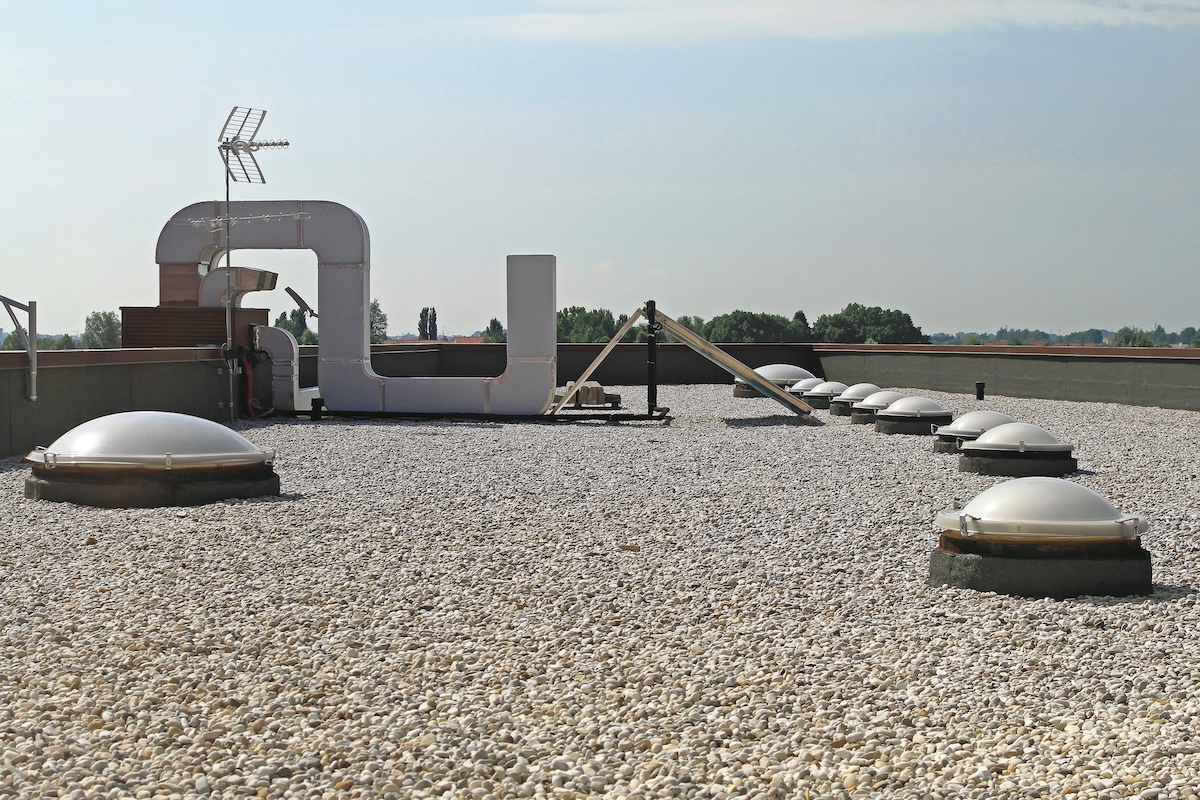
Showroom skylights at Miami dealerships must be specified to HVHZ impact resistance requirements. Florida's building code requires that skylights in the HVHZ meet large-missile impact resistance standards — not just small-missile impact as required in most of the U.S. — because hurricane conditions can project large debris at roof surfaces. Tempered glass alone is not sufficient; laminated impact-resistant glass meeting HVHZ large-missile impact specifications is required. At AutoNation's luxury brand showrooms, the aesthetic quality of this glass — color rendering, distortion level — must also satisfy OEM facility lighting standards.
Hurricane season preparation is an active operational protocol for Miami dealerships, not just a design consideration. Before each hurricane season, the facility manager should confirm that all roof edge metal and parapet cap flashings are secure, that all HVAC equipment anchors are tight, that all skylight frames are properly seated, and that emergency board-up materials are available for any glazed openings not already impact-rated. A pre-season roof inspection by a qualified contractor — conducted in May before the June 1 official start of hurricane season — is the minimum responsible maintenance practice.
Salt air corrosion affects all metal roofing components at Miami dealerships, and the marine environment is particularly harsh on properties near Biscayne Bay or the Intracoastal Waterway. Standard galvanized steel flashings and edge metal used in inland markets will corrode visibly within three to five years in Miami's coastal atmosphere. All metal components on Miami dealership roofs — parapet caps, edge metal, equipment curb flashings, skylight frame anchor hardware — should be specified in aluminum, stainless steel, or Kynar-coated steel as standard. Annual inspection for early corrosion signs, beginning at year two for any galvanized components that may have been installed on older buildings, allows proactive replacement before structural failure occurs.
UV and heat degradation at Miami's latitude affects membrane service life more aggressively than in any U.S. market north of the Florida Keys. Ozone near ocean surfaces also contributes to elastomeric membrane aging. TPO and PVC membranes with demonstrated South Florida performance records should be specified over generic products from manufacturers without regional track records. A membrane system that delivers 25 years of service life in a northern market may deliver 15 to 18 years in Miami without a proactive maintenance coating program at the ten-year mark.
Service department operations at Miami dealerships run long hours with high vehicle throughput — the South Florida market's year-round operating pattern means there is no winter slow season. Service bay exhaust systems, compressed air lines, and HVAC equipment create a dense penetration pattern that must be individually flashed and maintained. In the HVHZ, penetration flashings must also satisfy wind-resistance requirements at each penetration location, making field-fabricated pitch pockets unacceptable — only pre-manufactured and NOA-approved penetration assemblies meet the standard.
OEM facility programs for AutoNation's brand portfolio — which includes BMW, Mercedes-Benz, Toyota, Ford, and many others — include specific standards for showroom appearance, lighting quality, and facility energy performance. Each brand has distinct requirements, and a re-roofing project at a multi-brand AutoNation campus may involve reviewing multiple concurrent OEM programs. The brand with the most stringent requirement typically sets the effective standard when the programs are reviewed together.
Preventive maintenance at Miami dealerships requires the most rigorous schedule of any U.S. market: May pre-hurricane-season inspection, November post-hurricane-season inspection, and immediate post-storm assessments after any tropical system that generates 40 mph or higher sustained winds within 50 miles of the property. Post-storm assessment should be completed within 48 hours and should document conditions with photographs and written reports that support timely insurance claims.
Frequently asked questions
Is built-up roofing still installed on new Miami commercial buildings?
Rarely on new construction. BUR has largely been replaced by TPO and PVC single-ply membranes for new commercial low-slope construction in Miami-Dade. Modified bitumen — a close relative of BUR using polymer-modified asphalt plies — is still specified for specific applications, particularly in recover configurations and on buildings where foot traffic and mechanical abuse favor the thicker ply system. We install and maintain both BUR and modified bitumen on existing buildings but rarely specify BUR for new construction.
How do I know if my 1980s Miami office building's BUR system is still viable?
A moisture survey is the starting point — either electronic moisture probing or infrared thermography. If insulation saturation is below 25 percent by area and the deck is sound, a recover with targeted wet-area removal and a new mechanically attached membrane or modified bitumen cap is often viable. If saturation is widespread or the deck is deteriorated, replacement is the honest scope. We provide the moisture survey data and the deck inspection findings as part of the assessment so the decision is based on documented condition rather than a contractor's estimate.
Can a BUR system be recovered with TPO in Miami-Dade?
Yes, when the BUR substrate is dry, the deck is sound, and an NOA-approved recover assembly exists for the specific BUR type and TPO system combination. We verify the NOA approval before designing the recover specification. Not all TPO manufacturer systems have Miami-Dade NOA approvals for BUR recover configurations — the approval list is assembly-specific.
What is the typical service life of a Miami BUR system?
A well-installed BUR system in Miami conditions typically provides 20 to 30 years of service life before significant rehabilitation is required. Miami's high UV intensity, surface temperatures exceeding 160 degrees F, and coastal salt environment accelerate asphalt oxidation and ply adhesion degradation relative to inland markets. Pre-1992 Miami BUR systems that are now 30-plus years old and have not been recovered or significantly repaired are generally past viable service life.
Get a documented BUR condition assessment for your Miami building.
Our project managers will conduct a moisture survey, pull cores at suspect locations, inspect deck condition, and deliver a written report with recover-versus-replace recommendation and cost basis — before any commitment to a scope.
Explore More
- Commercial Roof Replacement
- Expansion Joint Repair
- Standing Seam Metal Roofing
- Warehouse Roofing
- Retail Roofing
- Roof Inspections
- Healthcare Facility Roofing
- About