Fitness Center Gym Roofing
Miami, FL · Property Types

A gym roof has a job most commercial roofs never face: it has to keep a wide-open, column-free space comfortable while a hundred people are generating heat and moisture all at once. That combination of long structural spans and heavy rooftop mechanical load shapes everything about how we roof a fitness building, from the membrane we choose to the way we detail the equipment curbs.
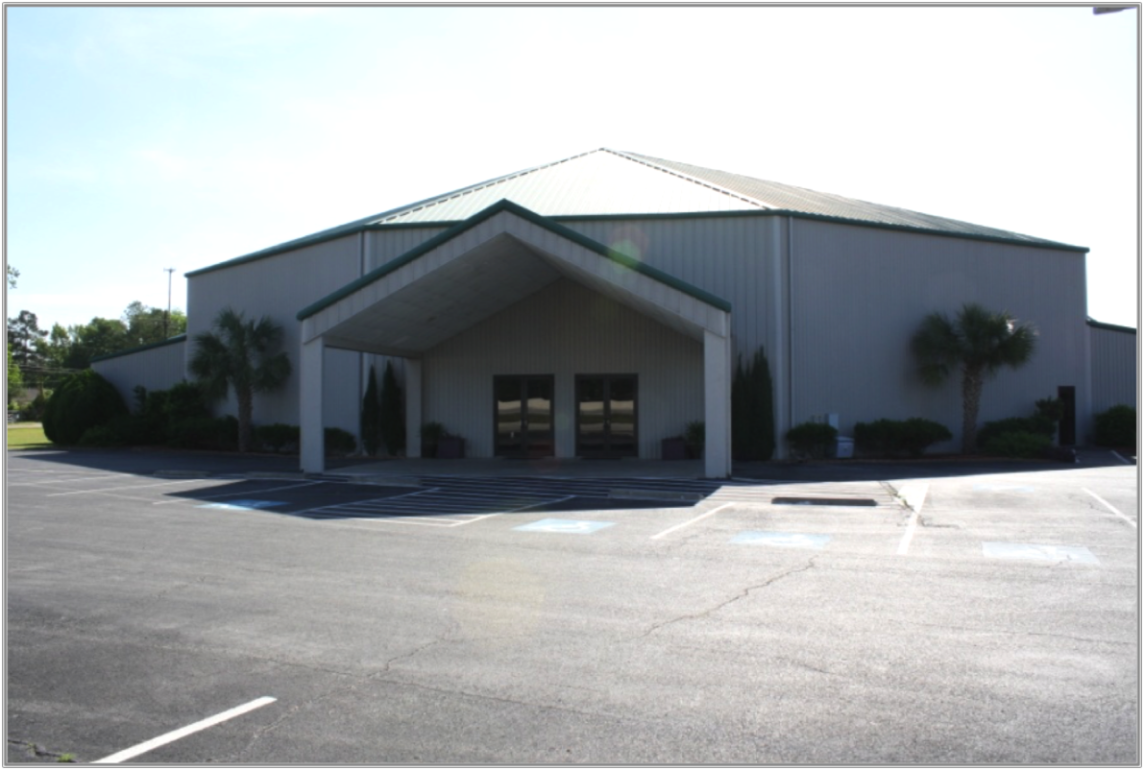
We roof fitness facilities across the full range Miami offers. There are the big-box clubs anchoring retail centers along South Dixie Highway and the corridors feeding off the Palmetto and Dolphin Expressways. There are boutique studios tucked into the ground floors of Brickell and Edgewater mid-rises. There are the recreation centers and converted warehouse gyms scattered through Doral, Wynwood, and Hialeah, where an old industrial roof is suddenly carrying a fitness load it was never designed for. Each of those puts a different demand on the roof, and we approach them accordingly.
Heavy HVAC Loads Over a High-Occupancy Floor
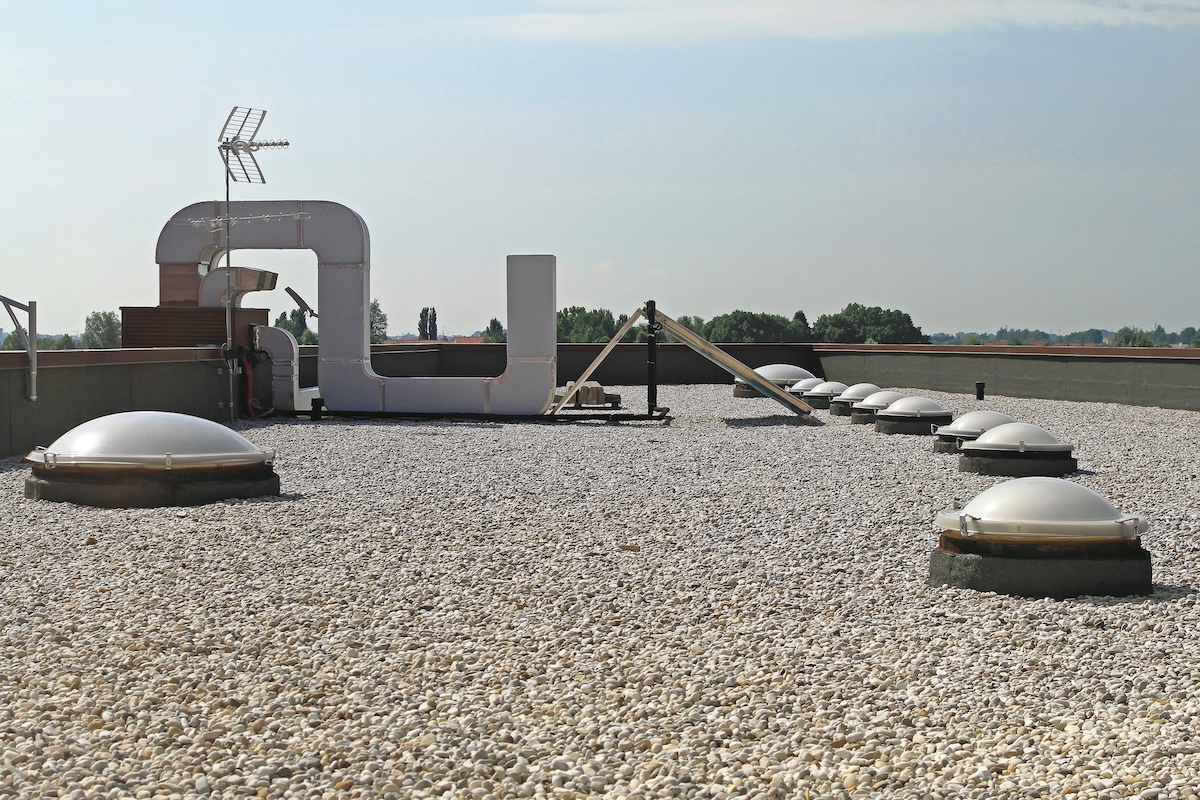
Cooling a packed gym in Miami is a serious mechanical undertaking. A room full of people working out throws off heat and humidity at a rate that a normal retail HVAC load would never approach, so fitness buildings carry oversized rooftop units, large exhaust fans, and dedicated outside-air equipment to keep the air breathable. All of that weight sits on the roof, and all of it has to be flashed, supported, and kept watertight.
The concentration of equipment is where gym roofs get into trouble. Big rooftop units mean big curbs, and big curbs mean long runs of flashing that have to stay sealed through years of thermal cycling. The units vibrate. They drain condensate, sometimes gallons a day in our humidity, and if that condensate is dumping onto the membrane instead of into a proper line it will rot a spot in the roof over time. Service techs walk to those units for filter changes and repairs, scuffing the membrane along the same paths until the traffic itself wears a path through it. We address all three: structurally sound curb flashing, condensate routed off the roof correctly, and walkway protection along the service routes so maintenance traffic stops chewing up the field.
When the Old Roof Has to Carry New Weight
A lot of Miami's newer gyms live in buildings that started life as something else, a former big-box store, a warehouse, a strip-center anchor. When a fitness tenant moves in and adds the mechanical load that a gym requires, the existing roof structure and the existing roof system are suddenly being asked to do more than they were built for. Before any of that equipment goes up, the roof deck and structure need to be evaluated for the added weight, and the membrane needs to be ready to take new penetrations without becoming a leak farm. We coordinate with the buildout so the roofing keeps pace with the conversion rather than becoming the problem that surfaces three months after opening.
Long Clear Spans and What They Mean for the Roof
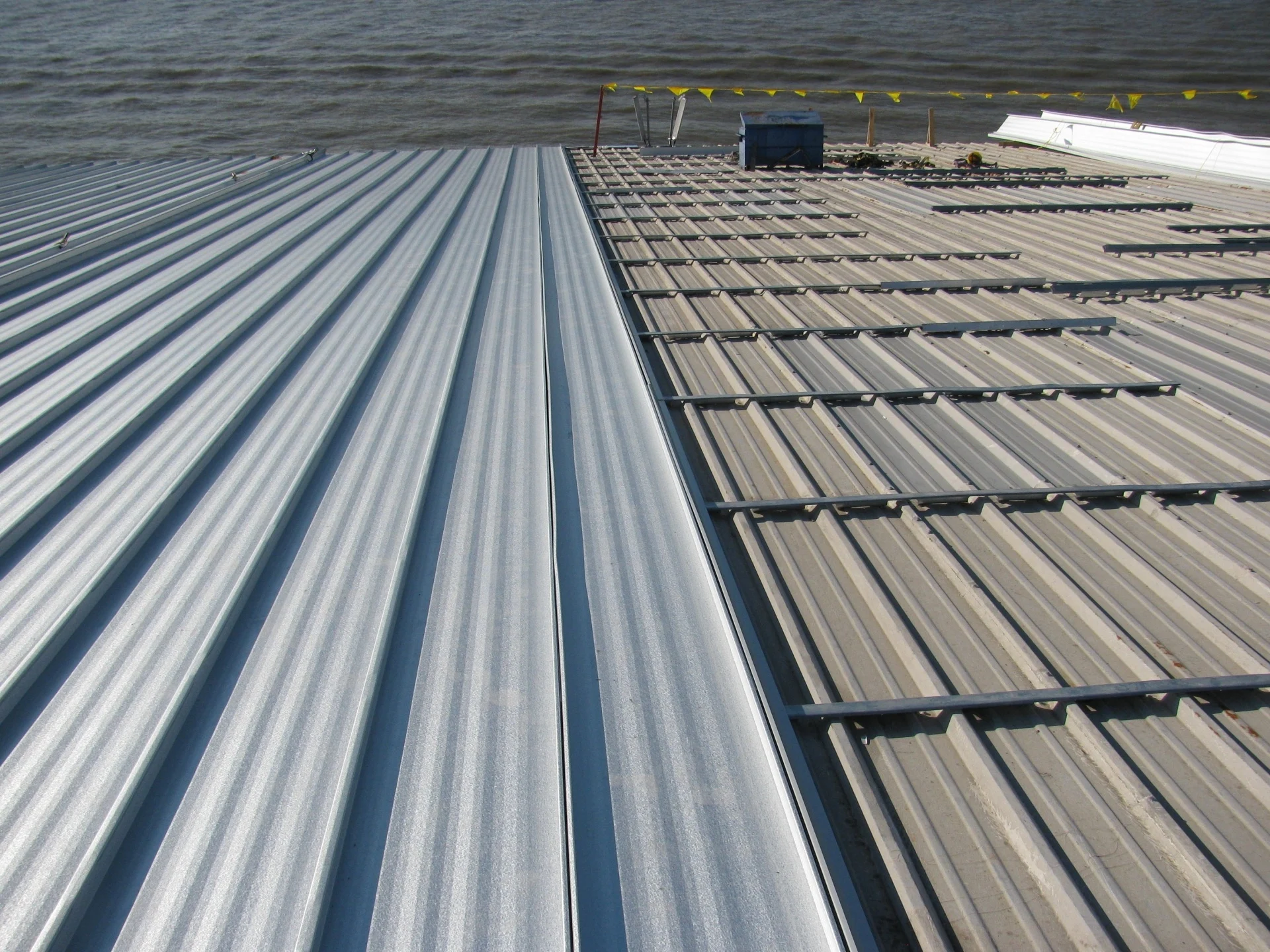
Gyms are tailored to open space. Nobody wants a column in the middle of the basketball court or the free-weight floor, so these buildings use long structural spans, steel joists or beams carrying the roof deck across wide distances. Long spans flex more under load than short ones, and that movement, from wind, from thermal expansion, from the live load of equipment, transfers into the roof. A membrane and especially its flashings have to tolerate that deck movement without splitting.
This is a strong argument for the systems we favor on gyms. A single-ply membrane that is properly adhered or fastened, with flashings detailed to accommodate movement, rides that flex far better than a brittle, aged roof that has lost its flexibility. When we re-roof a long-span gym building, we pay particular attention to how the membrane is secured at the perimeter and how the field is allowed to move, because the failures on these roofs concentrate where movement meets a rigid detail.
Keeping Water Off a Big Roof
Fitness buildings tend to have large, relatively flat roof areas, and in Miami a large flat roof is a rainwater management challenge every wet season. The afternoon storms that roll through from June into October can drop intense rain in a short window, and a roof with poor slope or undersized drains will pond. Ponding water over a gym is a particular hazard because the open floor below has no interior structure to catch a developing leak, water that gets through ends up on the workout floor, on equipment, or on people. We rebuild positive drainage with tapered insulation where slope is lacking, verify the drains and scuppers can move the volume Miami actually delivers, and keep those outlets clear on a maintenance schedule.
Working Without Closing the Gym
Gyms run long hours and lean on membership retention, so a roof project that shuts the doors is a project that costs the owner far more than the roofing. We plan fitness re-roofs around the club's operating reality. That means staging tear-off and installation to keep occupied areas protected, controlling fumes from adhesives and hot work so they do not migrate down into a room full of exercising members, and keeping debris off the floor below. On a building where the gym shares a roof with other tenants, we sequence the work so we are never dumping noise, smell, or water risk onto a class in session or a busy weekend floor.
Heat is its own scheduling factor here. A reflective roof membrane matters more on a gym than on most buildings, because the cooling system is already straining against the internal heat load of the occupants. A bright TPO or PVC surface reflects a large share of the solar gain that would otherwise pour through the roof and add to what the rooftop units have to fight. On a Miami gym, that reflectivity is not a sustainability talking point, it is the difference between an HVAC system that keeps up on an August afternoon and one that falls behind.
Systems We Install on Fitness Buildings
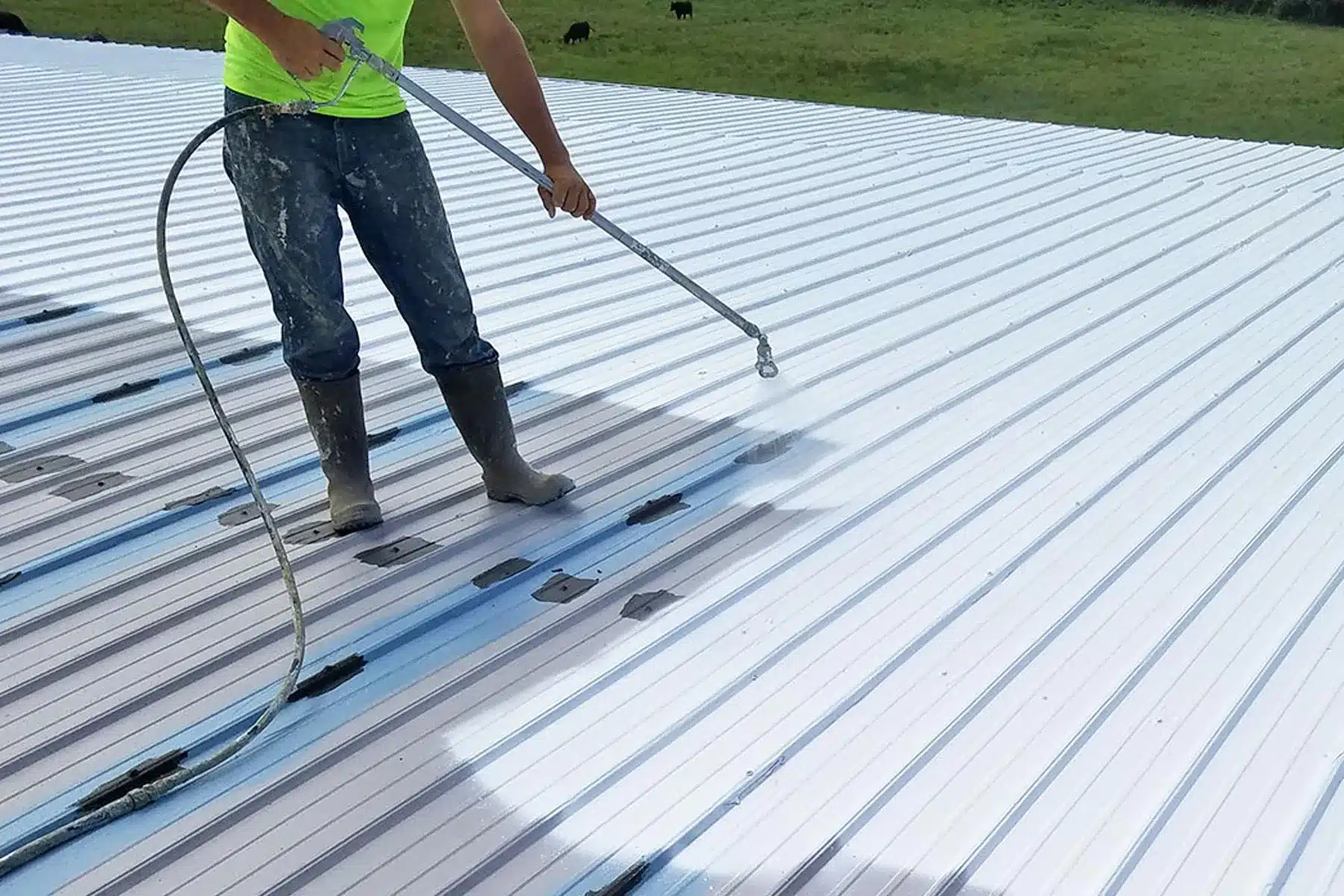
Most gym roofs we work on are best served by a reflective single-ply system. TPO gives a strong combination of heat reflection, weldable seams, and value, and it suits the wide field of a big-box fitness roof well. PVC is the choice where exhaust from a juice bar, locker-room, or any cooking or chemical source lands on the roof, since it resists those byproducts better. Where a studio or club occupies a building with a sound but weathered roof, a fluid-applied silicone coating can extend the membrane's life and seal aging flashings without the disruption of a full tear-off, which keeps the doors open and the members coming.
Every system we install meets Miami-Dade's product-approval and high-velocity-hurricane-zone wind requirements. On a wide gym roof the perimeter and corner uplift detailing is critical, because the edges of a big low-slope roof take the highest wind pressure in a storm and are where an under-fastened membrane begins to lift. We engineer the attachment and edge metal to the building's actual pressures, not a generic spec.
Keeping a Gym Roof Ahead of Trouble
The cheapest gym roof to own is the one that gets looked at before it leaks. We set up maintenance programs that inspect the roof at least twice a year and after major storms, with the attention focused where fitness roofs actually fail: the big HVAC curbs, the condensate drainage, the service-traffic paths, and the roof drains. We re-seal flashings that are beginning to open, confirm condensate is going where it should, add or refresh walkway pads on worn service routes, and clear the drains before the next downpour tests them.
For an owner or operator running a club anywhere across Miami, that recurring attention is what protects both the roof and the floor under it. A leak over an open gym is not a quiet ceiling stain, it closes a zone, damages equipment, and reaches members directly. Keeping the roof maintained keeps all of that from ever starting. If you operate a fitness center, studio, or rec facility in the Miami area, we will inspect your roof, tell you honestly where it stands, and lay out a repair, coating, or replacement plan that fits how your space is used and the hours you have to keep. Get in touch and we will set up a time.