Food Processing Facility Roofing
Miami, FL · Property Types
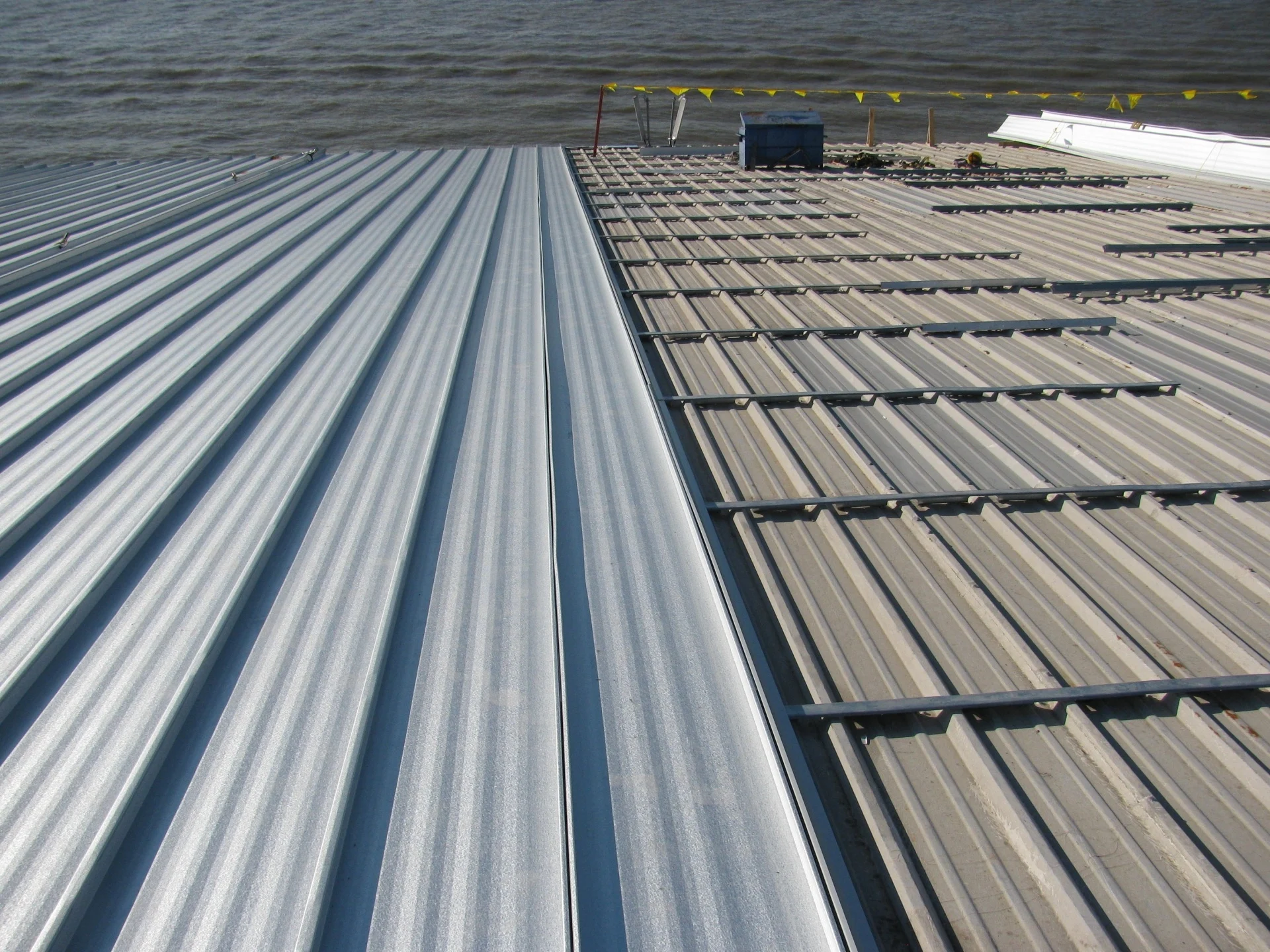
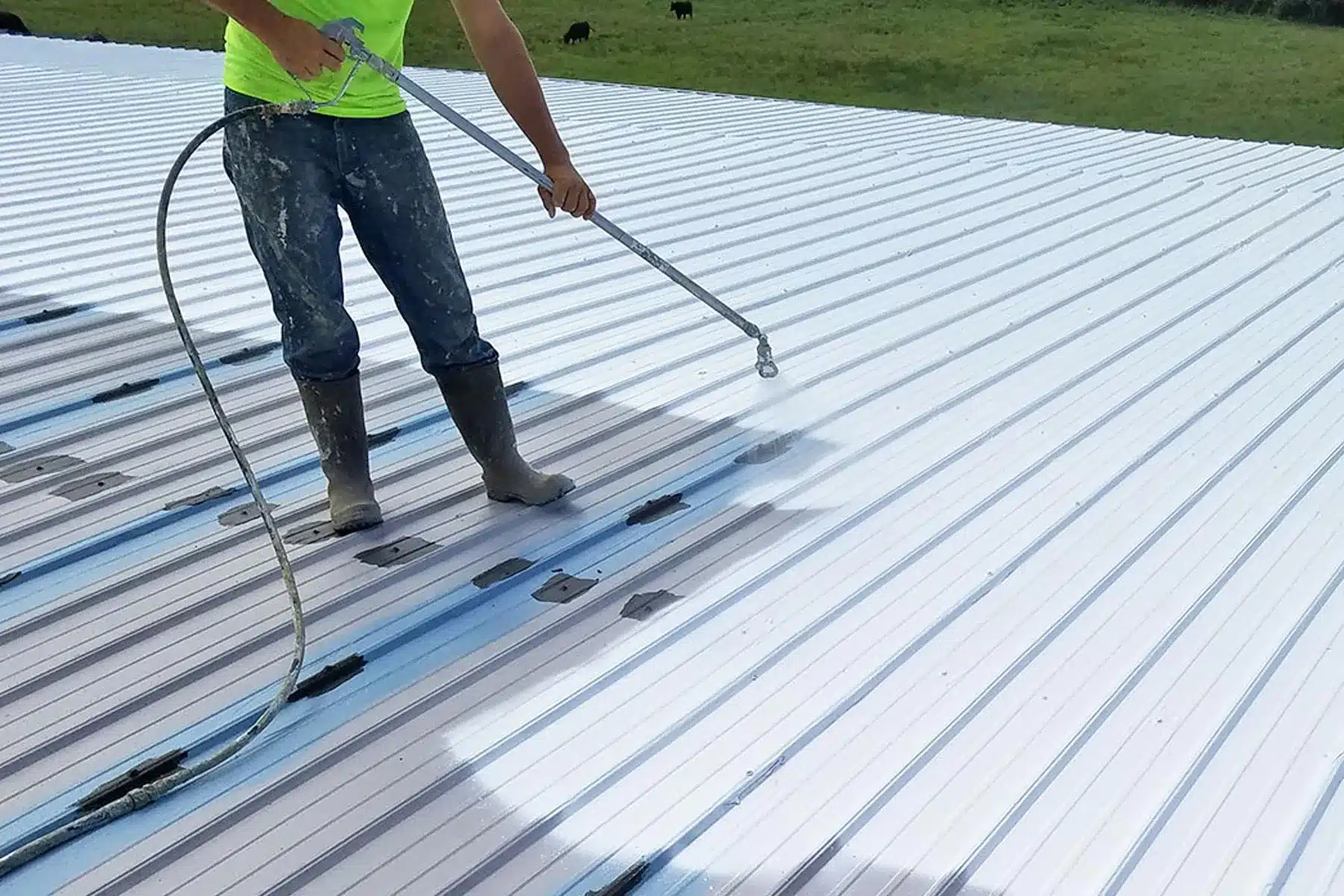
Food processing plants put two heavy demands on a roof at the same time. Inside, washdown cycles and cooking or chilling processes flood the air with moisture and push it upward against the deck; outside and on top, banks of refrigeration units, condensers and process equipment pile concentrated weight onto the structure and clutter the drainage path. A roof over a food plant has to handle interior humidity from below and serious mechanical loads from above, and it has to do all of it without ever becoming a contamination source for the product underneath.
Miami's food and beverage sector is real and busy. We work plants and commissaries across the city's industrial spine — the cold-storage and distribution operations near the airport on Northwest 36th and 72nd Streets, the food manufacturers and importers throughout Medley and Hialeah, and the bakeries, beverage bottlers and seafood processors that supply the region's restaurants and groceries. These are buildings that run shifts around the clock and cannot let the roof interrupt production.
Washdown Humidity Attacks the Deck
Sanitation washdowns are essential to food safety and brutal on a roof. Repeated high-pressure, often heated cleaning fills processing rooms with steam that rises and condenses on the underside of the deck. Combined with the moisture from cooking, blanching or chilling, that creates a chronically damp interior ceiling plane. Left unmanaged it produces:
- Corrosion of metal decking and fasteners from the warm, humid air pressing up from the production floor.
- Moisture-laden insulation that loses thermal value and feeds rust and, in the worst cases, microbial growth.
- Condensation dripping back down onto food-contact surfaces — a direct sanitation and audit failure.
We address this with vapor retarders above the deck, moisture-stable insulation, and assemblies designed to keep interior humidity from ever reaching the structural steel. Over the wettest rooms we treat vapor control as a primary design objective, not an afterthought.
Carrying the Weight of Refrigeration and Process Equipment
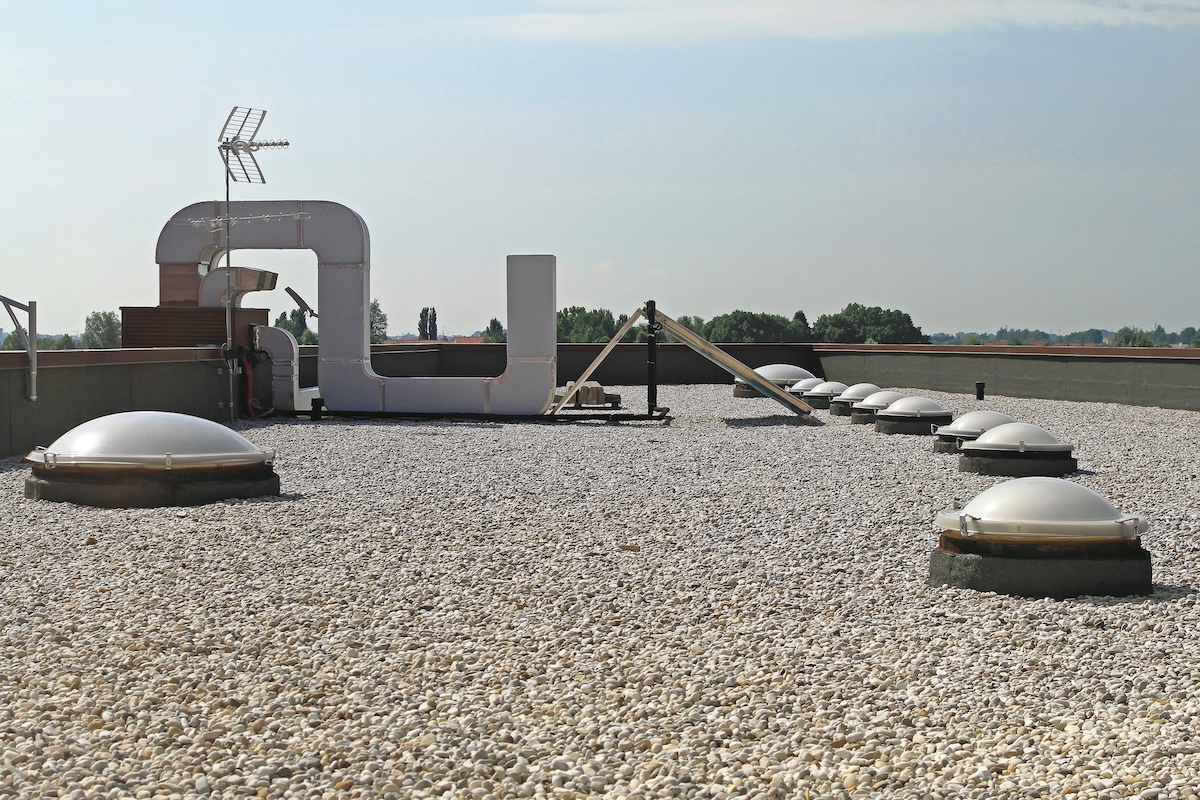
Cold storage and processing means rooftop condensers, refrigeration racks, evaporative units and process equipment, and all of it is heavy and concentrated. Before we reroof we confirm the assembly and supports can carry the equipment loads, and we set every unit on properly engineered curbs and sleepers that spread the weight and let the membrane move independently of vibrating machinery. Refrigeration equipment runs constantly and shakes the roof beneath it; details that ignore that movement open up and leak.
Those same units shed condensate continuously. We route that water deliberately to drains instead of letting it pool against a curb, because constant moisture at a penetration on a flat Miami roof is a fast path to a leak.
Sanitary Detailing and Membrane Choice
For food plants we favor smooth, cleanable single-ply membranes — typically PVC or KEE systems — that resist the animal fats, oils and cleaning chemicals a food roof is exposed to and that hold up to Miami's relentless sun. Where exhaust from fryers or cookers lands grease on the roof, standard membranes degrade; fat-resistant sheets and grease-tolerant detailing around exhaust fans keep those areas from breaking down early. We keep penetrations minimal and fully flashed so there are fewer places for water or pests to find a way in.
Keeping Production Running Through the Work
A food plant cannot simply shut down for a new roof — there is product in process, cold chains to protect, and shift schedules built months out. We phase our work around production, isolating one area at a time, protecting open product zones below from any debris, and scheduling the disruptive phases for sanitation windows or planned downtime. Anytime we open a roof over a processing or storage area, we protect what is beneath it as if it were our own inventory.
Miami's weather sets the pace. With near-daily summer storms and a long hurricane season, we never leave a section of a food-plant roof open to the sky, and we build every assembly to meet Miami-Dade's High-Velocity Hurricane Zone uplift requirements. A storm that gets into a cold-storage roof can spoil an entire warehouse of product, so wind and water resistance here protect inventory as much as structure.
Drainage on a Cluttered Low-Slope Roof
Food-plant roofs are flat and packed with equipment, which blocks water from reaching the drains. We re-slope with tapered insulation, keep equipment platforms from damming up the flow, and add overflow protection so a heavy South Florida downpour clears the roof instead of ponding around the refrigeration racks where the loads — and the leak risk — are already highest.
Maintenance That Protects the Audit and the Product
For food clients, roof maintenance is part of food safety. We set up regular inspections that check seams, the flashings around exhaust and refrigeration equipment, drainage, and any sign of interior condensation — the issues most likely to threaten product or surface during a sanitation audit. Finding and fixing a worn flashing on a scheduled visit is far cheaper than explaining a ceiling drip to an auditor or scrapping a contaminated lot.
If you run a food processing plant, a beverage operation, a bakery, a commissary or a cold-storage facility anywhere in Miami, we can help you keep the roof from becoming a liability. We will evaluate it against the humidity, the equipment loads and the sanitation demands specific to your operation, and recommend a system and schedule that protect both the building and what you produce in it.
Protecting the Cold Chain During the Work
Reroofing over cold storage or refrigerated processing carries a risk an ordinary building never faces: the cold chain cannot lapse. We plan these projects to keep refrigeration running and interior temperatures stable throughout. That means coordinating any work that touches a condenser or refrigeration line with your maintenance team well in advance, keeping the existing roof's thermal performance intact over occupied cold rooms until the new assembly is in place, and never opening a section over refrigerated product without a tight plan to close it the same day. We treat the temperature inside as a deliverable, not just the dryness.
On cold-storage roofs we also watch for a problem unique to them — condensation driven by the steep temperature difference between a frigid interior and a hot Miami roof deck. The right insulation thickness and a properly placed vapor retarder keep that boundary from sweating and dripping inside, which protects both the product and the structure from a slow, hidden moisture problem.
Building for Sanitation Audits From the Roof Down
Food safety auditors look up. Stained ceiling tiles, condensation marks, and any sign of past water intrusion over a production area become findings, and findings cost time and money to close out. We design and maintain food-plant roofs so the ceiling below stays clean and dry — controlling interior humidity at the deck, keeping seams and flashings tight over processing rooms, and routing all that refrigeration condensate to drains rather than onto the roof. A roof that keeps the production ceiling spotless is doing real work toward your next passing audit.
Get in touch to set up a plant walkthrough timed around your production and sanitation schedule.