Grocery Store Roofing
Miami, FL · Property Types
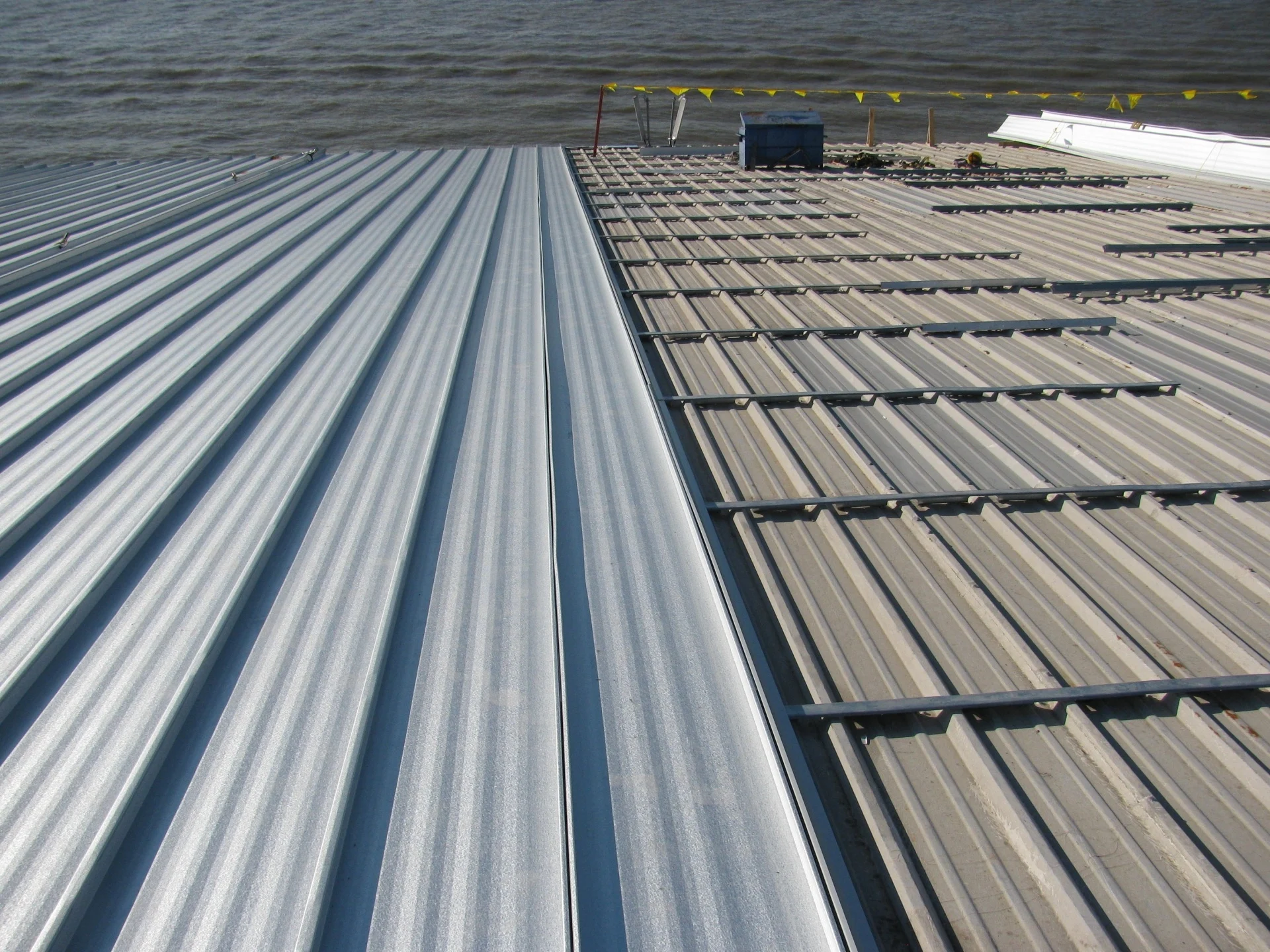
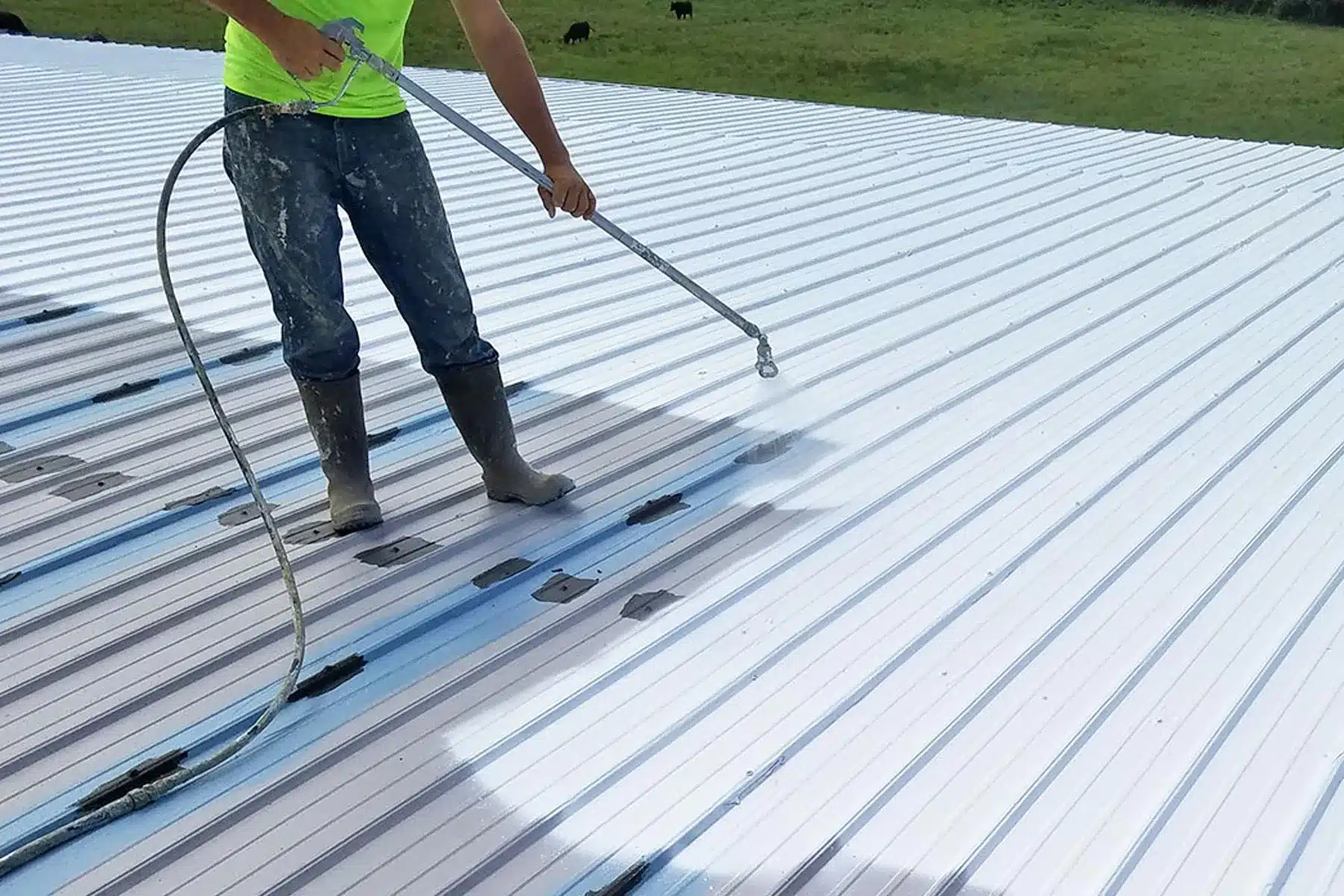
Grocery Store Roofing for commercial buildings across Miami.
Miami-Dade County's warehouse and distribution inventory is concentrated in three zones: Doral, which has absorbed much of the post- corridors adjacent to Miami International Airport; Medley, which runs light manufacturing, food processing, and regional distribution along the Okeechobee Road and NW 87th Avenue spine; and Hialeah, where a dense concentration of industrial and manufacturing buildings spans from the 1960s through the 1990s along the E 4th Avenue and W 29th Street industrial corridors.
I've spent years running roofing scopes on South Florida warehouse buildings. The failure patterns repeat: perimeter flashings that were never brought up to post-1992 FBC HVHZ standards, single-ply membranes installed over saturated insulation after an old built-up roof was recovered instead of torn off, and standing seam metal panel systems where the lap sealant has been failing for a decade but the owner didn't realize the drain path was carrying the water outside before it could show up as an interior leak. Identifying those patterns before writing a scope is what separates a replacement that holds from one that creates the same problem on a new membrane.
Doral and MIA-Adjacent Logistics Buildings
Doral's commercial and industrial inventory split into two generations. The pre- corridor was built when Hialeah-Doral was still an unincorporated industrial zone, before Doral incorporated as a city in 2003. These buildings often carry original or once-recovered built-up roofing systems — some with recovered modified bitumen over built-up that is now approaching 20 years. The post-2010 generation of logistics buildings — the speculative industrial product that absorbed last-mile e-commerce demand — was built to FBC HVHZ standards with mechanically attached TPO, but even first-generation TPO systems on 2010-era buildings are now 14 to 16 years old and entering the maintenance-intensive phase of their service life.
Proximity to Miami International Airport creates additional constraints. Doral buildings within the MIA approach corridor have FAA obstruction requirements for any construction equipment that exceeds specific heights. Crane selection and lift radius planning on MIA-adjacent roofs requires FAA coordination and, in some cases, FAA Notice to Airmen (NOTAM) filings before mobilization. We handle this pre-construction logistics work as part of the standard scope on any Doral building near the airport approach corridors.
Doral's city building department manages permits independently from Miami-Dade County. Doral commercial roofing permit review runs 3 to 5 weeks on complete submissions. We document the NOA approval numbers, wind-uplift design calculations, and all fastener pattern specs in the permit application to avoid resubmission delays.
Medley Light Industrial and Food Processing
Medley's industrial corridor along Okeechobee Road and NW 87th Avenue carries a high concentration of food processing and cold storage facilities — warehouses with refrigerated interior environments that create unique roofing conditions. Cold storage buildings run a thermal differential between interior and exterior that drives condensation into the roof assembly if vapor retarder placement and insulation stack design are incorrect. The failure mode is saturated insulation that degrades far faster than the same assembly on a non-refrigerated building — and the saturation is invisible until the deck shows rust or the interior ceiling shows moisture staining.
For cold storage buildings in Medley, I scope the vapor retarder placement and the insulation stack design before recommending a membrane system. The Florida Energy Code's R-value requirements for low-slope commercial roofing set minimums, but the actual insulation design for a refrigerated warehouse has to account for the full thermal and vapor drive — not just the code minimum. We specify assemblies that have been designed for the specific interior temperature conditions of the building, not generic commercial warehouse assemblies.
Non-refrigerated Medley warehouses — distribution, light manufacturing, and automotive aftermarket — are more straightforward but still face the same HVHZ and humidity conditions as the rest of Miami-Dade. Many of the 1980s-era Medley buildings are on their second or third roofing system, and the accumulated insulation layers from prior recovers have in some cases created assemblies that do not
Hialeah Industrial: Pre-1992 Inventory and Hurricane Compliance
Hialeah's industrial corridor is one of the oldest concentrations of warehouse and light manufacturing in South Florida. Buildings along E 4th Avenue, W 20th Street, and the Palm Springs North industrial parks span from the early 1960s through the early 1990s — the majority built before the 1993 FBC HVHZ revisions that followed Hurricane Andrew. Many of these buildings were repaired after Andrew but not fully brought to new HVHZ compliance standards at the time, because the post-Andrew construction code only applied to new permits, not repairs.
The result is a Hialeah industrial stock where many buildings have post-Andrew membrane systems installed to post-1993 standards, but the perimeter edge metal, coping, and corner zone flashing details still reflect pre-1992 design. These perimeter and corner details are the most likely failure points in a hurricane event. A pre-hurricane-season inspection in Hialeah almost always surfaces perimeter flashing conditions that represent meaningful wind-uplift risk even on buildings where the field zone membrane looks serviceable.
For full replacement on Hialeah pre-1992 buildings, we document deck condition carefully. Corroded metal deck and degraded gypsum decking — both common on buildings that have had chronic water intrusion over 30-plus years — change the replacement scope and cost significantly. Deck repair is always scoped separately from membrane replacement so the owner has a clear picture of what each component costs and what the risk profile is of replacing membrane without addressing deck corrosion.
Production Scheduling Around Active Warehouse Operations
Most warehouse clients in Doral, Medley, and Hialeah cannot shut down operations during roofing work. Tear-off and installation over active warehouse floors requires coordination with the warehouse operations manager to identify areas where inventory can be temporarily relocated, where equipment aisles need to remain clear, and where any debris or moisture risk from tear-off staging could damage active inventory.
We phase production in sections sized to match available dry-in capacity by end of each production day. No section is left exposed overnight. During Miami's summer rainy season — June through September — production phases are sized to reach dry-in before the typical 1:30 to 3:00 PM afternoon thunderstorm window. Material staging on active warehouse roofs is planned against the forklift and dock door traffic pattern to avoid blocking receiving operations.
Post-installation, we do a full interior walkthrough with the facility manager before the building is released — checking for any debris, screw drops, or membrane trim material that may have entered the warehouse space during the work. Final punch lists on active warehouse roofs always include an interior sweep as a line item.
Frequently asked questions
Can you work on our Doral warehouse while we're still operating?
Yes. Most of the warehouse reroofs we do in Doral, Medley, and Hialeah are on buildings in full operation during the project. We coordinate the production sequence with your operations manager, phase tear-off to avoid exposing interior spaces overnight, and plan material staging around dock door and forklift traffic. If you have temperature-sensitive inventory or specific aisle clearance requirements, we work those into the pre-construction plan.
My Hialeah warehouse was built in the 1980s. Does the whole roof need to come off, or can you recover it?
The honest answer depends on what the moisture cores show. We pull cores in five to ten representative locations on any roof we suspect has insulation saturation. If more than 25% of the cores read wet, tear-off is the right scope — recovering wet insulation traps moisture and creates conditions that degrade the new membrane faster than expected. If the insulation is dry, a recover can extend the asset another 15 to 20 years at roughly half the replacement cost. We give you the core data and the recommendation in writing — you decide.
Do you need FAA permits for crane work near Miami International Airport?
For buildings in the MIA approach corridor — which includes significant portions of Doral and some of the NW Miami-Dade industrial area — yes. We evaluate the specific property location relative to the MIA airspace corridors during pre-construction planning and handle any required FAA coordination, including NOTAM filings, as part of the project scope. This is not something we leave to the last minute.
What roofing system do you recommend for a cold storage warehouse in Medley?
It depends on the interior temperature and the existing assembly condition. For most refrigerated warehouses operating above 32°F, a mechanically attached TPO 60-mil or 80-mil system with a properly designed insulation stack and vapor retarder on the warm side of the insulation is the standard approach. For sub-freezing cold storage, the vapor retarder placement and insulation stack design require more careful engineering. We do not specify the same assembly for a 35°F produce warehouse and a -10°F blast freezer.
Get a written scope for your Doral, Medley, or Hialeah warehouse roof.
I'll walk the roof, pull cores where the recover-versus-replace decision is in question, and deliver a written scope detailed enough to bid against — NOA numbers, wind-uplift design, and deck condition documented.
Grocery Store Roofing in Miami, FL starts with the refrigeration system. Condensate drainage from refrigerated cases and walk-in coolers has to exit through roof penetrations without pooling on the membrane or backing up into insulation. Every grocery store roofing scope in Miami begins by mapping refrigerant line penetrations, condensate drain outlets, and HVAC curbs so flashing failures do not go undetected until a compressor shuts down or a health inspector flags a ceiling stain.
Food safety drives urgency for grocery store roofing. Moisture ingress near produce, meat, dairy, or bakery departments creates contamination risk that triggers regulatory action, not just a maintenance call. Chains like Kroger, Albertsons, Publix, H-E-B, Safeway, and regional grocers operating in Miami all have corporate facility standards that require documented roof conditions, photographic evidence of repairs, and contractor credentials before work begins. We build that documentation package into every grocery store roofing scope for Miami properties.
Grocery stores in Miami operate 24 hours a day or close only during the overnight window. That means grocery store roofing work has to be planned around the delivery schedule, refrigeration maintenance windows, and the foot-traffic peak at the front entrance. Loading dock roof areas present a separate challenge: they sit below truck canopies, collect debris, and see constant mechanical stress from dock levelers and freight activity. Grocery store roofing over loading docks often requires heavier membrane specifications and more frequent drain inspections than the field roof above the sales floor.
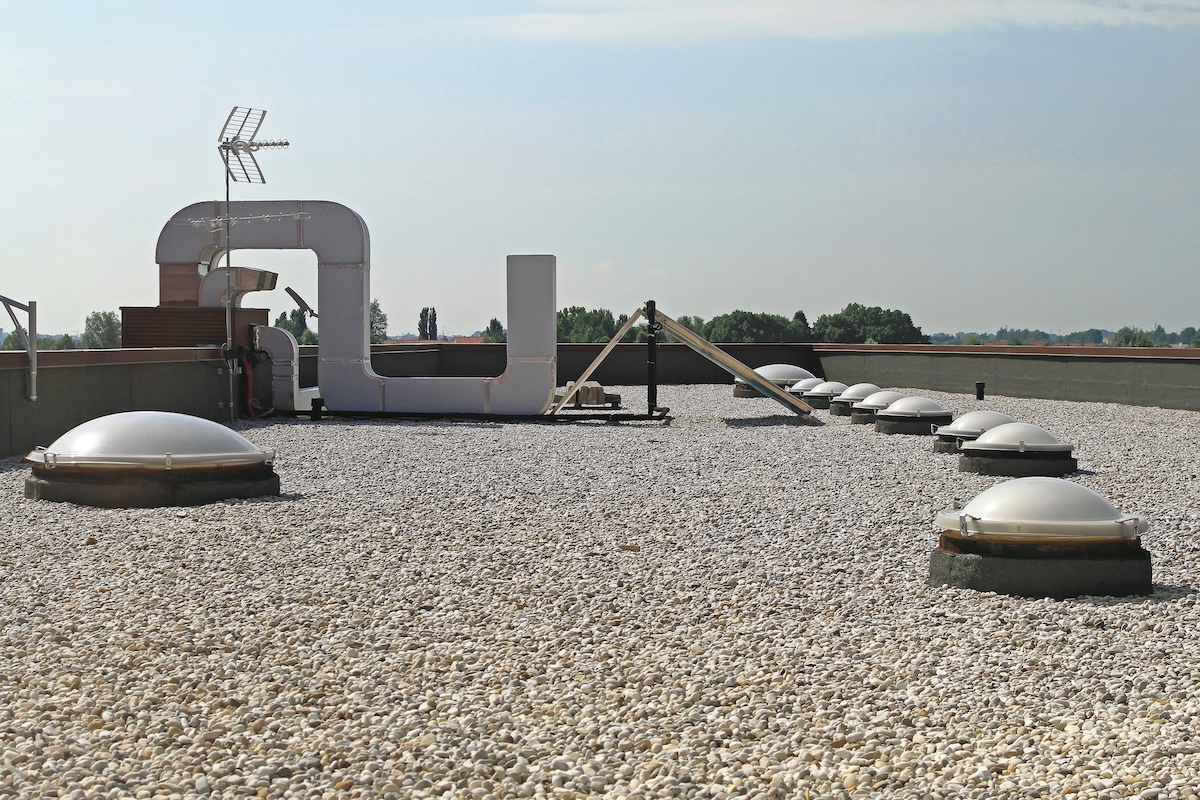
Skylight placement in older grocery stores creates penetration density that complicates grocery store roofing repairs. Skylights add light but multiply the number of curb transitions that can fail. Energy code compliance for cool roofs on food retail buildings in FL also affects material selection for grocery store roofing: white or light-colored membranes reduce mechanical cooling load, but they must still meet wind uplift and hail impact standards specific to the Miami market.
The right approach to grocery store roofing in Miami depends on roof age, refrigeration layout, occupancy schedule, and whether the current membrane can be recovered or needs full tear-off. Commercial Roofing inspects the roof assembly, reviews the penetration map, checks interior ceiling conditions, and gives ownership a clear scope before any purchase order is signed. Call or email to start the conversation.
Questions Owners Ask
Refrigeration condensate drainage, HVAC penetration density, food safety regulations, and 24-hour operations create flashing failure risks and documentation requirements that standard commercial scopes do not account for.
Usually yes, but the schedule has to work around refrigeration maintenance windows, delivery hours, and the overnight period when the sales floor can be partially protected from overhead work.
Loading dock roofs require heavier membrane specs and frequent drain inspections. We address them as a separate zone with their own flashing detail, drainage review, and protection plan during work.
National chains typically require contractor credentials, product data sheets, photographic before-and-after documentation, warranty paperwork, and a written scope that matches their approved vendor requirements.
Explore More
- Food Processing Facility Roofing
- Event Venue Roofing
- Museum Cultural Facility Roofing
- School Roofing
- Movie Theater Roofing
- Commercial Roof Coatings
- Church Roofing
- Roof Recover Overlay