Industrial Flex Space Roofing
Miami, FL · Property Types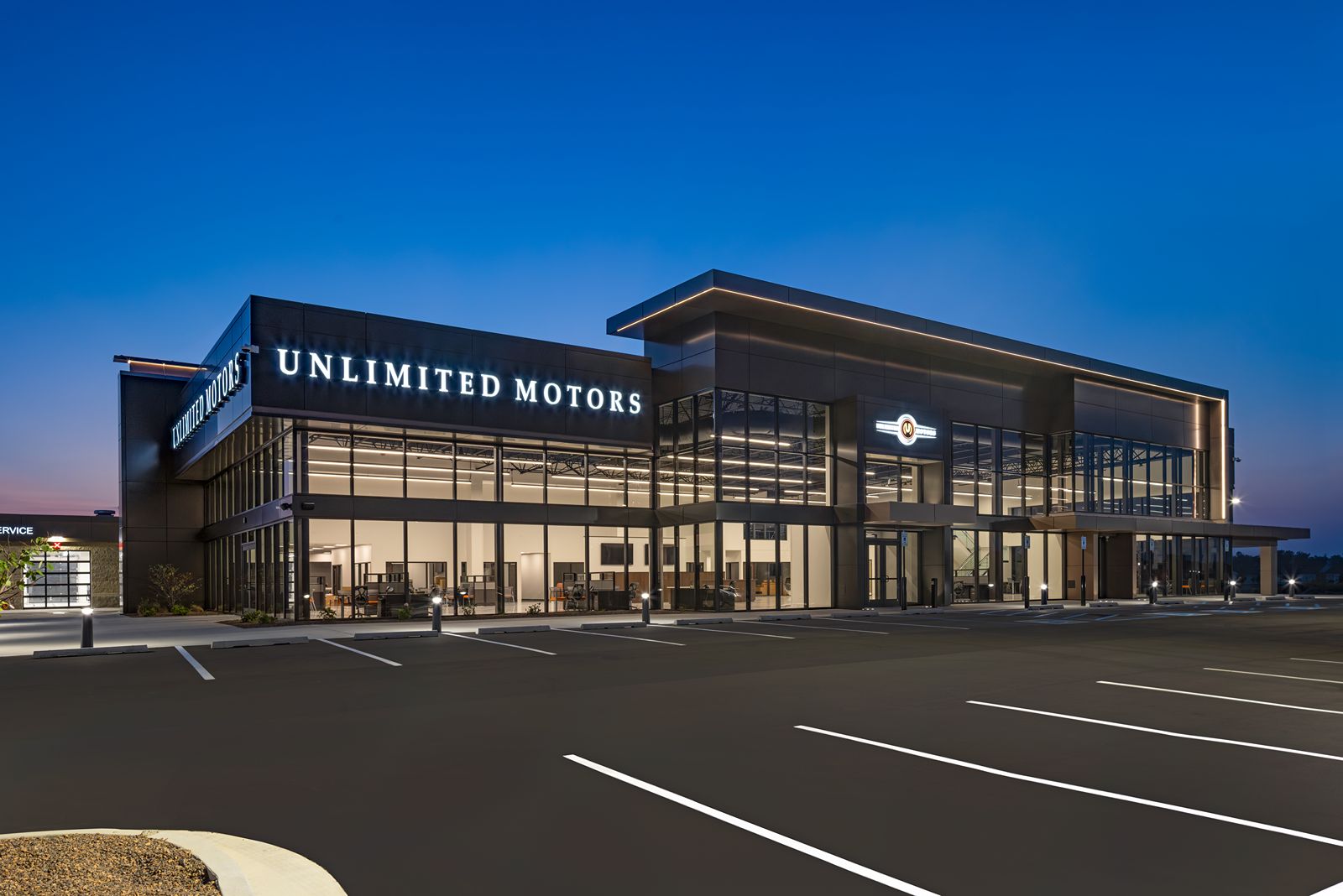

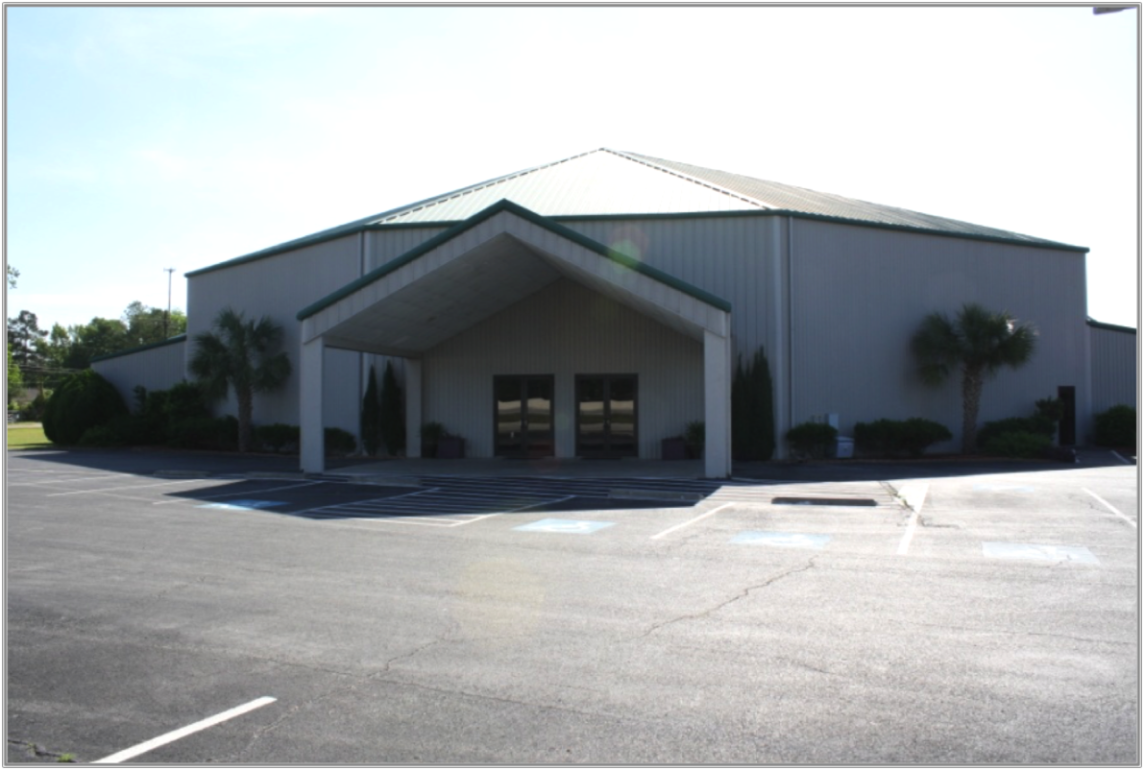
Flex space is the workhorse of Miami's industrial economy, and it is also one of the hardest roofs to keep watertight. A single building might house a logistics firm in one bay, a showroom and front office in the next, and a light-assembly tenant after that, each one cutting curbs and penetrations into the same continuous low-slope membrane. We roof these buildings the way they actually get used: as one shared structure with a dozen competing demands sitting on top of it.
Most of our flex work runs through the corridors where this product type concentrates. Doral's industrial core around NW 25th Street and the blocks feeding off the Palmetto Expressway are packed with multi-tenant flex parks. Medley, just north across the Okeechobee Road line, carries some of the densest warehouse-and-flex inventory in the county. Airport West, the band of business parks ringing Miami International, mixes freight-forwarding tenants with office showrooms under the same roofs. And the older flex stock through Hialeah keeps a steady stream of re-roof and repair work coming as those buildings age past their original membranes.
Why Flex-Space Roofs Fail Differently
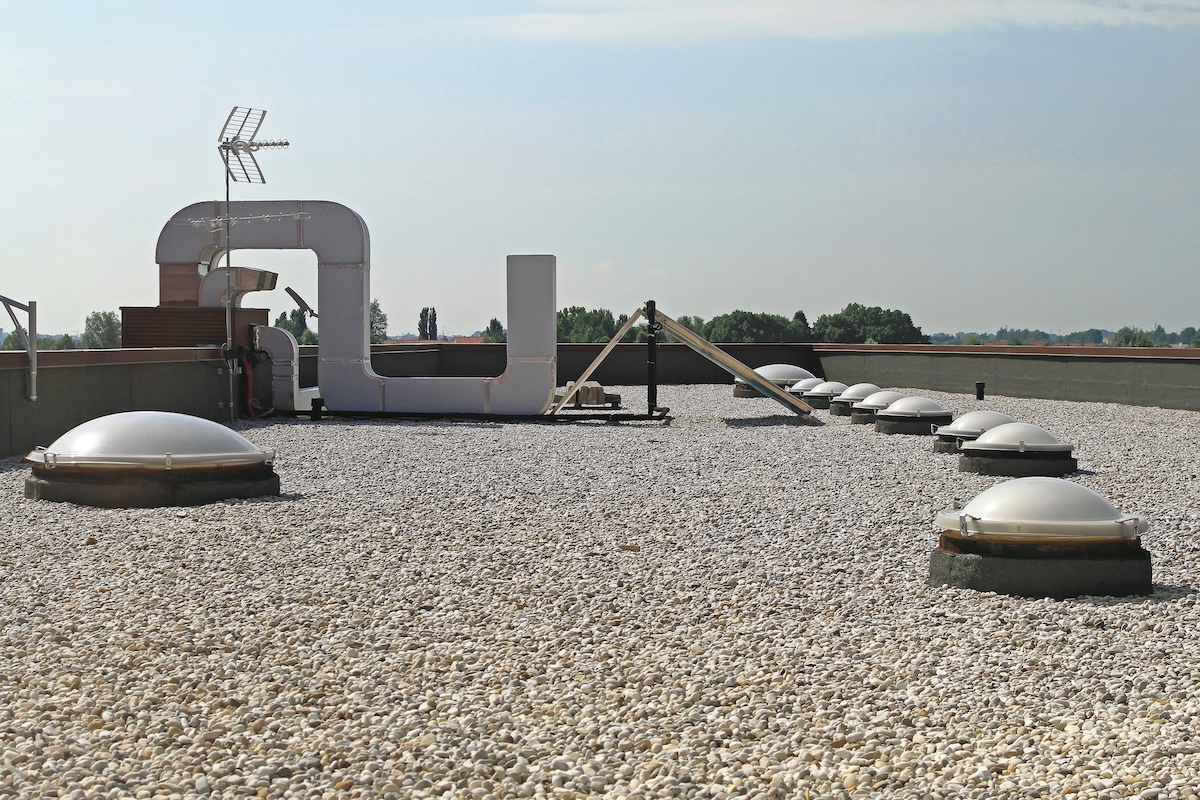
The defining problem with a flex roof is penetration count. Every tenant brings its own rooftop equipment: a packaged HVAC unit sized for an office buildout, an exhaust fan for a paint or assembly bay, a condenser line set, a plumbing vent, a satellite or antenna mount. Multiply that across six or eight bays and you have a roof field interrupted by dozens of curbs, pipes, and pitch pockets, and every one of them is a seam that has to be sealed and then stay sealed.
Those penetrations cluster the failures. In our experience, the membrane field on a flex building often has years of service left while the leaks are all happening at the flashings: a pitch pocket that dried out and cracked, a unit curb where the counterflashing pulled loose, a pipe boot that split at the clamp. A roof can look perfectly sound from the parking lot and still be feeding water into three different tenant spaces because the details around the equipment have quietly come apart.
Tenant turnover makes it worse. When a bay changes hands, the new occupant's contractor sets a new rooftop unit, abandons the old curb, and runs fresh conduit, frequently without anyone qualified to tie those changes back into the roof system. We routinely find abandoned curbs left open, sealant smeared over a cut instead of a proper flashing, and condensate lines dumping straight onto the membrane. By the time the leak shows up at a ceiling tile, the trail leads back to a rooftop change nobody documented.
Drainage Across a Long, Low Field
Flex buildings tend to be wide and shallow-sloped, which means water has to travel a long way to reach a drain or scupper. Miami's rain does not arrive gently. A summer afternoon can drop two or three inches in an hour, and on a roof with marginal slope that water ponds wherever the deck has settled or an old repair built up a low spot. Standing water finds the weak seam, works under the flashing, and accelerates membrane aging in exactly the spots that were already vulnerable.
We treat drainage as a design problem, not just a maintenance chore. That means checking whether the existing drains and scuppers are actually sized and placed for the roof they serve, clearing internal drain lines that tenants have let clog, and using tapered insulation to rebuild positive slope toward the outlets when we re-roof. On a building where the bays drain toward different points, getting that water moving decisively off the roof is often the single biggest improvement we can make.
Working Around Active Tenants
The hardest part of a flex re-roof usually is not the roofing. It is doing the work over occupied bays without shutting down anyone's business. A logistics tenant has trucks at the dock by six in the morning. A showroom has customers on the floor by ten. An assembly tenant cannot have debris or fumes coming through the roof deck onto a production line.
We sequence flex projects bay by bay, coordinating with each tenant's hours and protecting the interior below wherever we are tearing off. Adhesive and torch work gets scheduled and ventilated so it does not migrate into occupied space. We stage materials to keep dock doors and drive aisles clear, because a blocked loading bay is a real cost to the tenant and a fast way to sour a landlord's relationship with their occupants. The goal is a roof that gets replaced while the building keeps earning rent.
One Roof, Many Leases
Multi-tenant ownership also raises a question that single-occupant buildings never face: who pays, and for which part of the roof. A leak over Bay 4 is the landlord's structural responsibility, but the rooftop unit that caused it may belong to the tenant under their lease. We give owners and property managers documentation clear enough to sort that out, photographing the failure, identifying whether it originated in the base roof system or in tenant-installed equipment, and scoping the repair so the right party is billed for the right work.
That clarity matters even more at acquisition or refinance. A flex building trading hands needs a roof assessment that a buyer's lender will accept, with honest remaining-life estimates rather than a blanket recommendation to replace. We provide that, and we will tell an owner plainly when a roof has good years left and only needs its flashings brought back into shape.
Systems We Install on Flex Buildings
Most Miami flex roofs are single-ply, and for good reason. A reflective TPO or PVC membrane sheds the heat that builds up on a wide, exposed roof field through a South Florida summer, which keeps the tenant spaces below easier to cool and slows the aging of the membrane itself. PVC in particular earns its place over bays with grease, oil, or chemical exhaust, because it stands up to those byproducts better than other single-plies, and flex buildings almost always have at least one tenant putting something other than clean air through a rooftop fan.
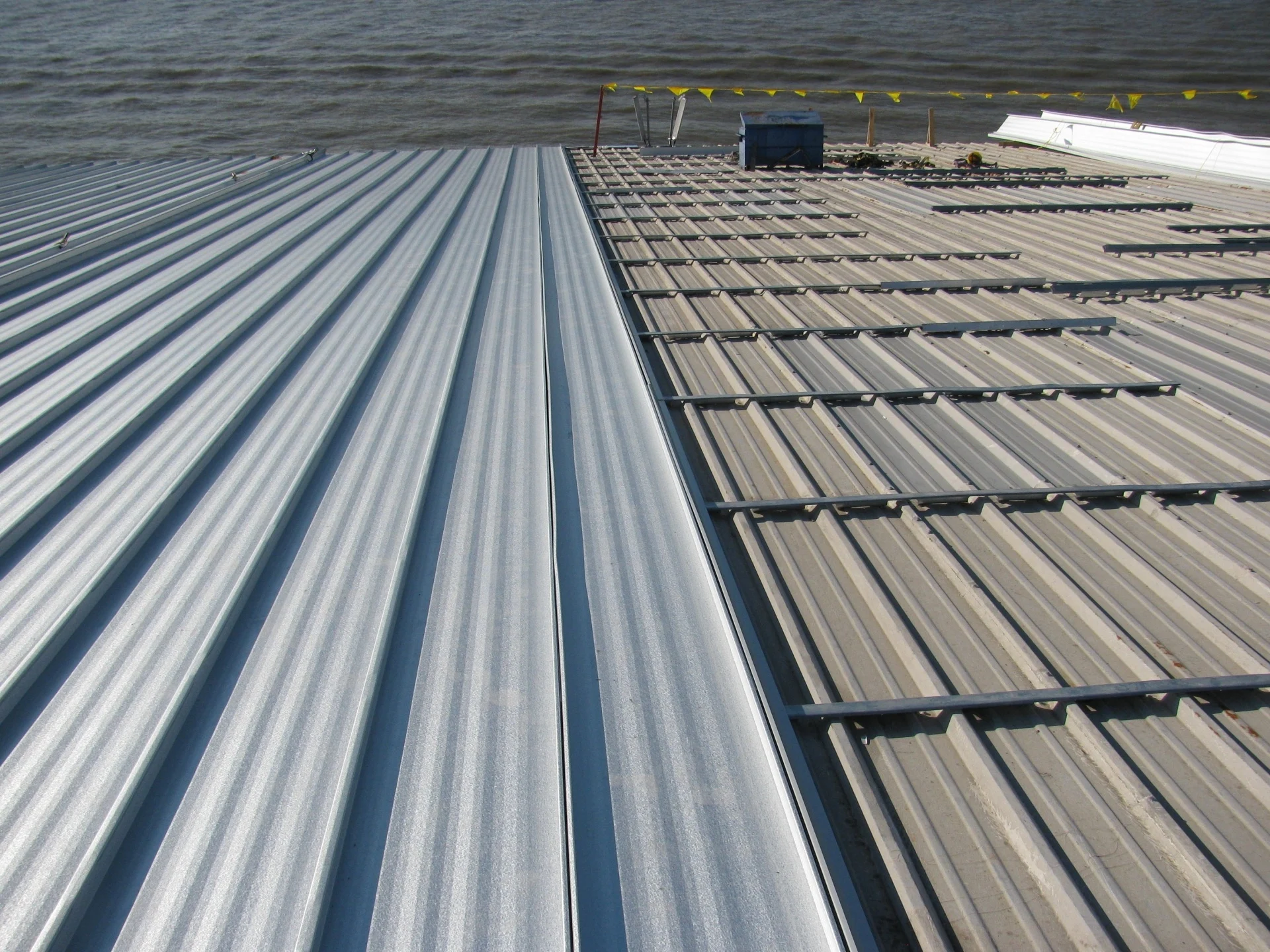
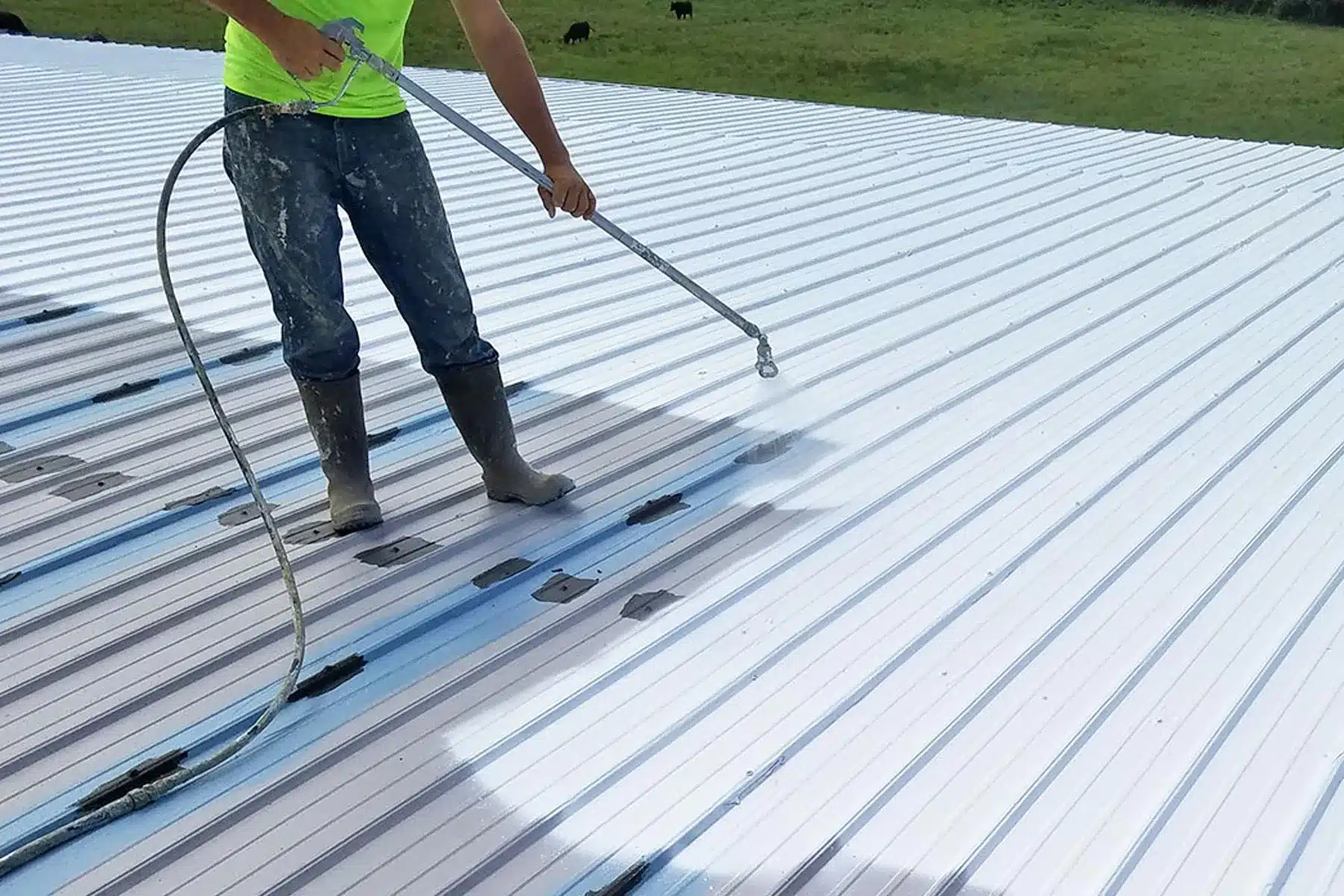
Where an owner wants to extend the life of a sound but weathered roof rather than tear it off, a fluid-applied silicone coating can restore the surface and seal minor flashing detail at a fraction of replacement cost and disruption, an attractive option when a building is fully leased and a teardown would mean displacing tenants. When the existing roof has reached the end and the deck is intact, a full re-cover or replacement with new tapered insulation resets the building for the next twenty years. We match the system to the building's tenant mix, its drainage, and the owner's hold horizon rather than installing the same assembly on every roof.
Wind Uplift and Florida Code
Every roof we install in Miami-Dade has to meet the county's product-approval and high-velocity-hurricane-zone requirements, and on a wide flex building the wind-uplift detailing is not a formality. The corners and perimeter of a low-slope roof take far higher uplift pressure than the field, and a membrane that is correctly fastened in the middle but under-secured at the edges is the one that peels in a storm. We specify and install attachment, edge metal, and perimeter fastening to the engineered pressures for the building, because the difference between a code-compliant edge and a guessed one is the difference between a roof that survives a hurricane and one that becomes a claim.
Maintenance That Matches the Building
Given how flex roofs fail, the most cost-effective thing an owner can do is inspect the penetrations on a schedule rather than waiting for a tenant complaint. We set up maintenance programs that walk the roof at least twice a year and after major storms, focusing on the pitch pockets, unit curbs, pipe boots, and drains where the trouble actually starts. We re-seal what is starting to go before it lets water in, document every tenant-installed change we find, and flag the abandoned curbs and improvised repairs that previous occupants left behind.
For a landlord managing several flex buildings across Doral, Medley, and Airport West, that kind of recurring attention is what keeps a roof from turning into a string of emergency calls and tenant-relations problems. A managed roof gets small fixes at low cost on a planned schedule; a neglected one gets a major leak, a damaged tenant buildout, and a replacement that arrives years sooner than it had to. We would rather keep your roof in the first category.
If you own or manage industrial flex space anywhere across Miami-Dade, we can walk your roof, give you a straight account of where it stands, and lay out the repair, coating, or replacement path that fits how your building is actually leased and used. Reach out and we will get you on the schedule.