Movie Theater Roofing
Miami, FL · Property Types

A movie theater is essentially a row of large dark boxes with one enormous, unbroken roof stretched over all of them. Each auditorium needs a wide, column-free span so every seat has a clean sightline to the screen, which means the roof deck is carried across long distances with no interior support to break it up. That single design fact, big spans over occupied, blacked-out rooms, drives how we roof a cinema differently from almost any other commercial building.
We work on theaters across the Miami market, from the multiplexes anchoring shopping centers along the Dadeland and Dolphin Mall corridors to the cinemas built into mixed-use destinations like the developments around Brickell and downtown. Some are purpose-built modern multiplexes; others are older houses that have been renovated and re-seated. They share the same roofing realities: a vast low-slope field, heavy rooftop air handling, and zero tolerance for a leak appearing mid-screening.
A Leak Over a Dark Auditorium Is a Hidden Problem
In most buildings a roof leak announces itself, a stained ceiling tile, a drip in a hallway, somebody notices. An auditorium is the opposite. The room is intentionally dark, the ceiling is high and often acoustically treated, and the floor slopes down toward a screen. Water can come through the roof and run for a long time before anyone sees it, and when it does show up it shows up on seats, on carpet, on the projection or sound equipment, or worst of all on the screen itself.
That delayed visibility is why we treat cinema roofs as a place where small problems have to be caught early. A pinhole at a flashing or a seam that has begun to open is a minor repair on the roof and a major disruption if it is allowed to find its way into an auditorium. Our inspection approach on theaters is deliberately thorough at the details, the seams, the equipment curbs, the penetrations, because by the time a theater leak is obvious from inside, it has usually already done damage to something expensive or stopped a screening.
Protecting the Screen and the Equipment
The most valuable things in a cinema sit directly under the roof: digital projection systems, sound processing equipment, the screen. A roof failure over the projection booth or the front of the house does not just mean cleanup, it can take out a theater's ability to run shows in that auditorium until the equipment is repaired or replaced. We scope theater roofs with those high-value zones in mind, prioritizing the integrity of the membrane and flashings over the rooms that house projection and sound, and giving operators clear documentation of any developing risk over those areas so it gets handled on a planned basis instead of as an emergency during a sold-out weekend.
Rooftop HVAC Over a Full House
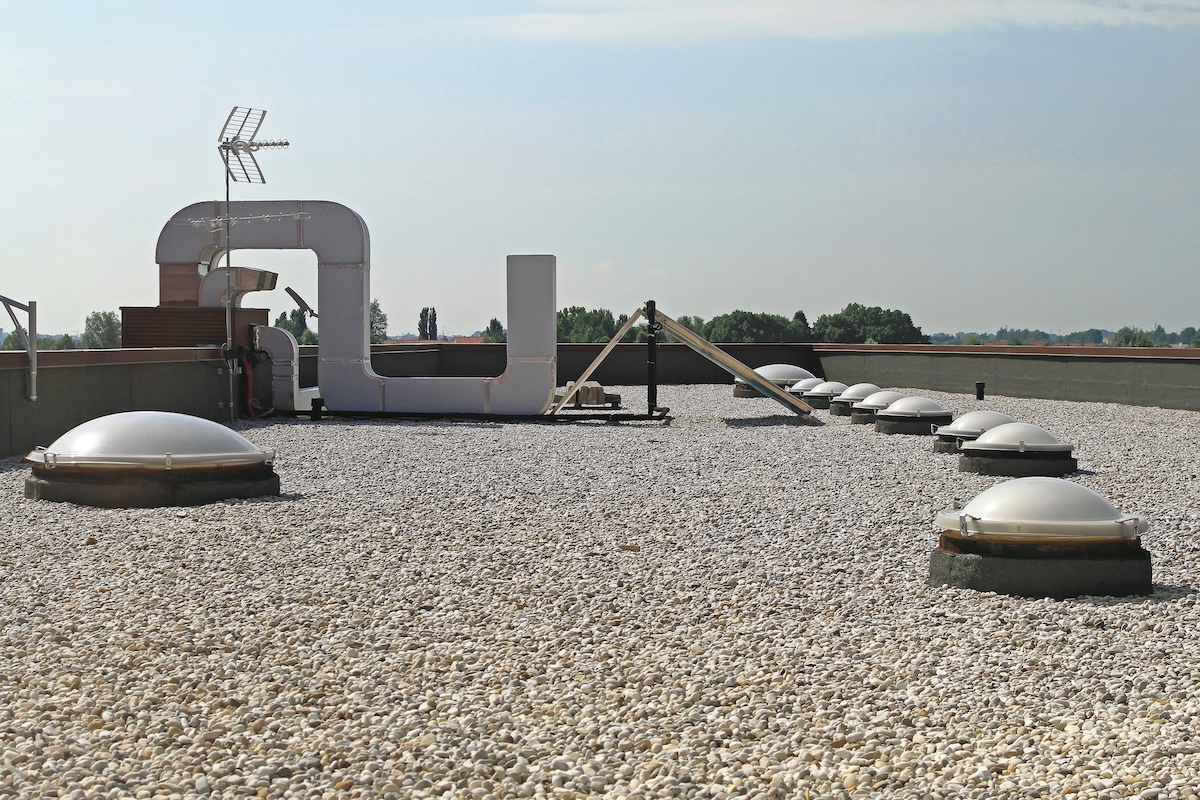
A packed auditorium is a heavy cooling load. Hundreds of people in an enclosed room, in Miami's heat, generate a lot of warmth and humidity, and the air handling that keeps a full house comfortable rides on the roof. Theaters carry substantial rooftop units and ductwork, and every one of those is a curb, a penetration, and a maintenance access point cut into the membrane.
Those mechanical penetrations are where cinema roofs leak, and the stakes are higher because of what is below. We make sure unit curbs are flashed to hold up through years of thermal movement and vibration, that condensate is carried off the roof properly rather than dripping onto the membrane in our humidity, and that the paths service techs walk to those units are protected so routine maintenance is not slowly wearing through the roof above an auditorium. Getting the equipment details right on a theater is not just about the roof's lifespan, it is about keeping water away from the rooms that cannot tolerate it.
The Roof's Role in Sound
Sound is part of the product a cinema sells, and the roof is part of how a theater controls it. There are two directions that matter. Outside in: Miami gets heavy rain and, in season, serious storms, and on a large flat roof a downpour can be loud enough to bleed into a quiet scene if the roof and deck assembly do not damp it. Inside out and between rooms: the roof and ceiling assembly help keep the soundtrack from one auditorium from leaking into the next. When we re-roof or re-cover a theater, we respect the acoustic assembly that is part of that system, the insulation, the deck, any sound treatment, rather than treating it as just thermal layers. A roofing approach that ignores the acoustic function of the assembly can undo something the building was carefully designed to do.
Draining a Vast Flat Roof in a Wet Climate
A multiplex roof is one of the larger continuous low-slope fields you will find on a commercial building, and Miami's rainfall makes draining it correctly a real engineering concern. Wet-season storms can dump intense rain in a short period, and water on a big, minimally sloped roof travels a long way before it reaches an outlet. Where slope is poor or drains are undersized, it ponds, and ponding over a theater means added load on a long-span structure and a higher chance that water finds a seam and ends up inside a room nobody can see into.
We handle theater drainage as a priority. That means confirming the drains and scuppers are sized and placed for the volume the roof actually sheds, keeping internal drain lines clear so they do not back up during a storm, and rebuilding positive slope with tapered insulation toward the outlets when we re-roof. On a roof this size, decisive drainage is one of the most important things separating a cinema roof that lasts from one that leaks.
Working Around the Schedule, Not Against It
Theaters earn their money on nights, weekends, and holidays, and they run shows for most of the day. A roof project cannot black out the screens during the hours that matter. We plan cinema re-roofs around the programming, sequencing the work so we are not running noisy tear-off or fume-producing hot work directly over an auditorium that has a screening in progress. We coordinate with management on which houses are dark and when, control debris and odor so nothing reaches the lobby or the seats, and keep the work from intruding on the experience a guest paid for. The aim is a fully re-roofed building that never had to cancel a showtime to get there.
Systems We Install on Cinemas
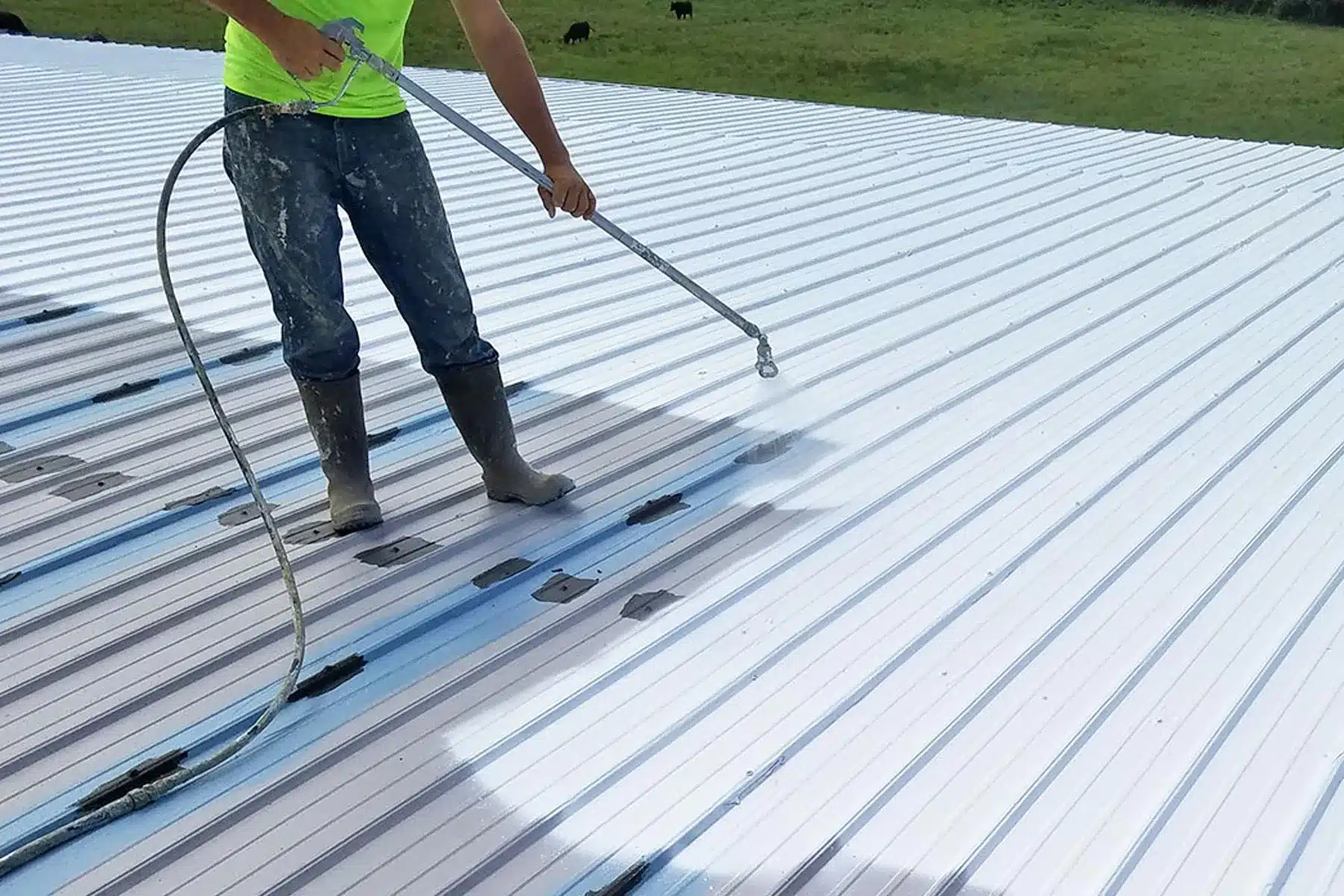
For most Miami theaters we install a reflective single-ply membrane. A bright TPO or PVC surface reflects a large share of the solar heat that would otherwise load a roof this size, which directly eases the cooling burden of keeping full auditoriums comfortable through the summer. PVC is the right call where concession-stand or kitchen exhaust lands on the roof, because it resists grease and oils better than other single-plies. Where a theater's existing roof is sound but weathered, a fluid-applied silicone coating can restore the surface and seal aging flashings without a disruptive tear-off, which keeps a busy house open while still adding years of service.
Every theater roof we install meets Miami-Dade's product-approval and high-velocity-hurricane-zone wind requirements. On a roof field this large the perimeter and corner detailing is where uplift concentrates in a storm, so we engineer the membrane attachment and edge metal to the building's real wind pressures. A correctly fastened edge is what keeps a hurricane from peeling a roof off a building full of irreplaceable projection and sound equipment.
Keeping a Cinema Roof Maintained
Because theater leaks hide and then surface as expensive interior damage, the smartest thing an operator can do is have the roof inspected before problems reach the auditoriums. We set up maintenance programs that walk the roof at least twice a year and after major storms, concentrating on the seams, the HVAC curbs, the penetrations over projection and sound rooms, and the drains. We re-seal flashings that are starting to open, confirm condensate is routed off the roof, refresh walkway protection on service paths, and clear the drains before the next downpour. For an operator running a multiplex or specialty cinema anywhere in the Miami area, that recurring attention is what keeps the roof from ever turning into a canceled show or a damaged screen. If you operate a theater here, we will inspect your roof, give you a straight assessment, and lay out the repair, coating, or replacement plan that fits your house and your schedule. Reach out and we will set a time that works around your programming.