Pharmaceutical Lab Roofing
Miami, FL · Property Types
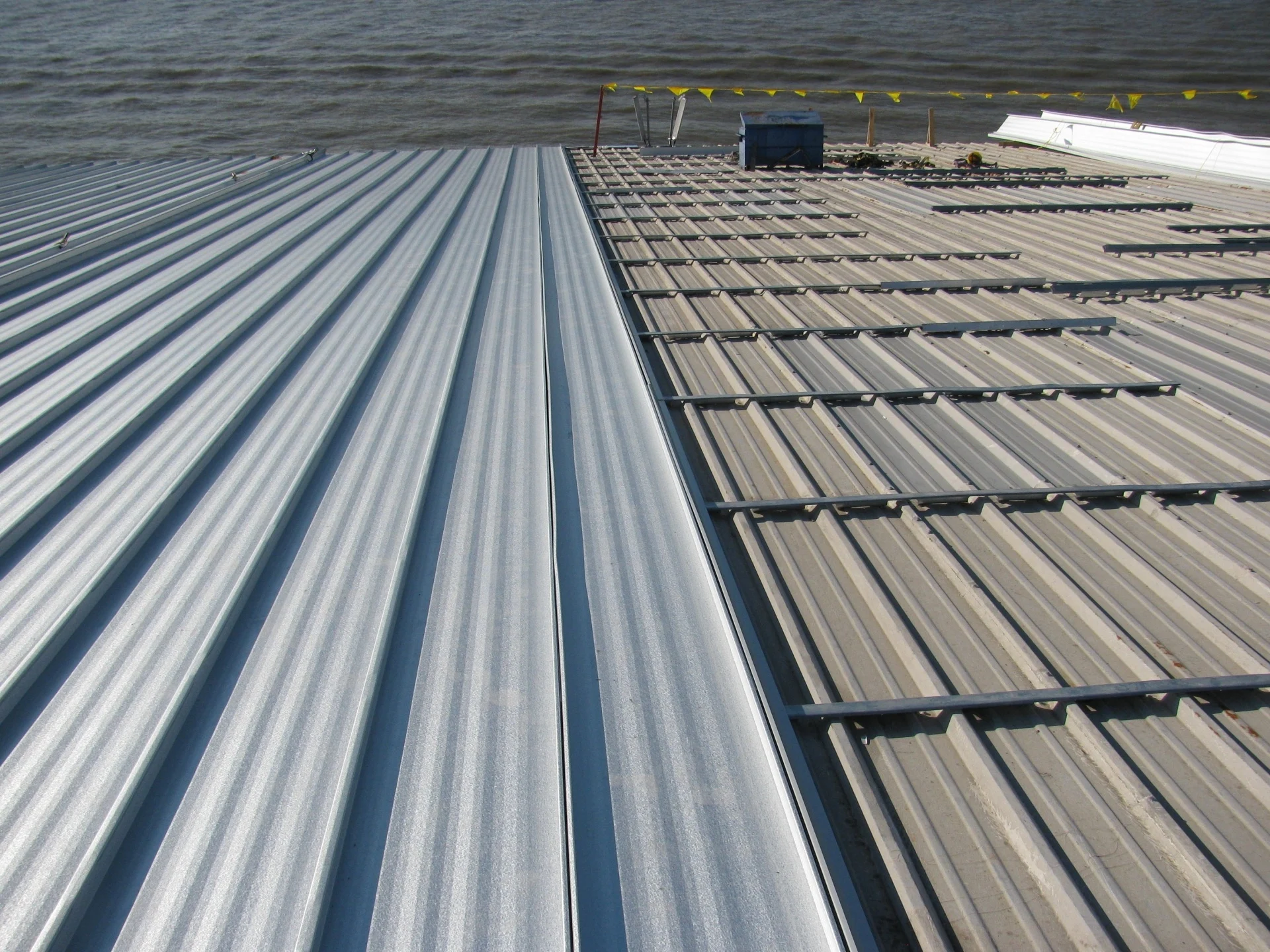
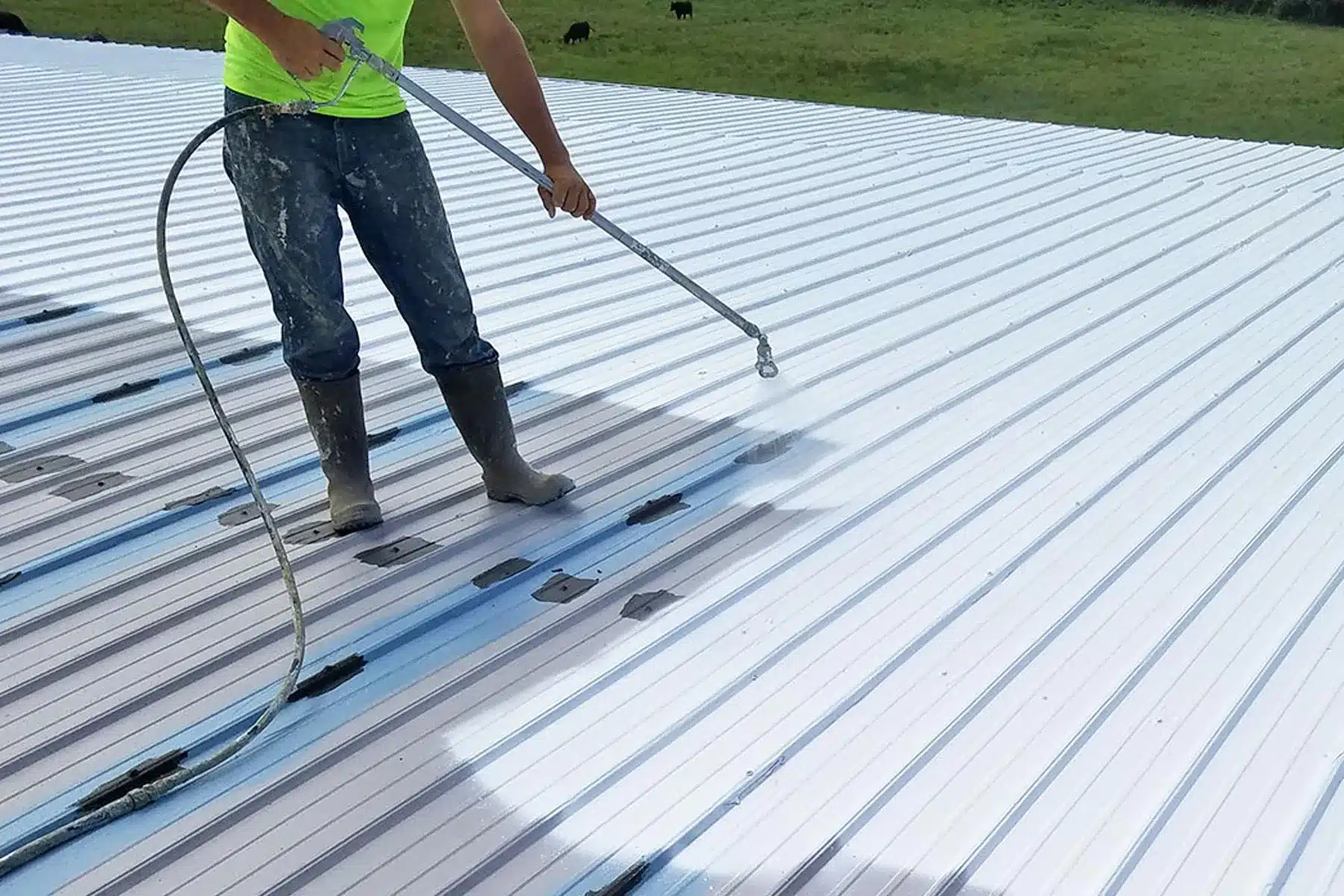
On most buildings a roof leak is an inconvenience. Over a pharmaceutical suite or a research lab it can mean a contaminated batch, a failed environmental monitoring reading, ruined reagents, or weeks of requalification on equipment that runs into the millions. We approach lab and pharma roofing in Miami with that stakes in mind: the goal is not just a dry roof but a roof that never puts a validated environment at risk.
Miami's life-science footprint keeps growing, and it clusters in places with real demand. We work facilities tied to the University of Miami medical district near Civic Center, the biotech and diagnostics tenants in the research space around the Miami Health District, and the GMP-style production and compounding sites tucked into the industrial parks of Doral and Medley. Each of these buildings shares one trait — the people inside cannot tolerate the kind of intrusion a normal commercial roof shrugs off.
Cleanroom HVAC Is the Hardest Part of the Roof
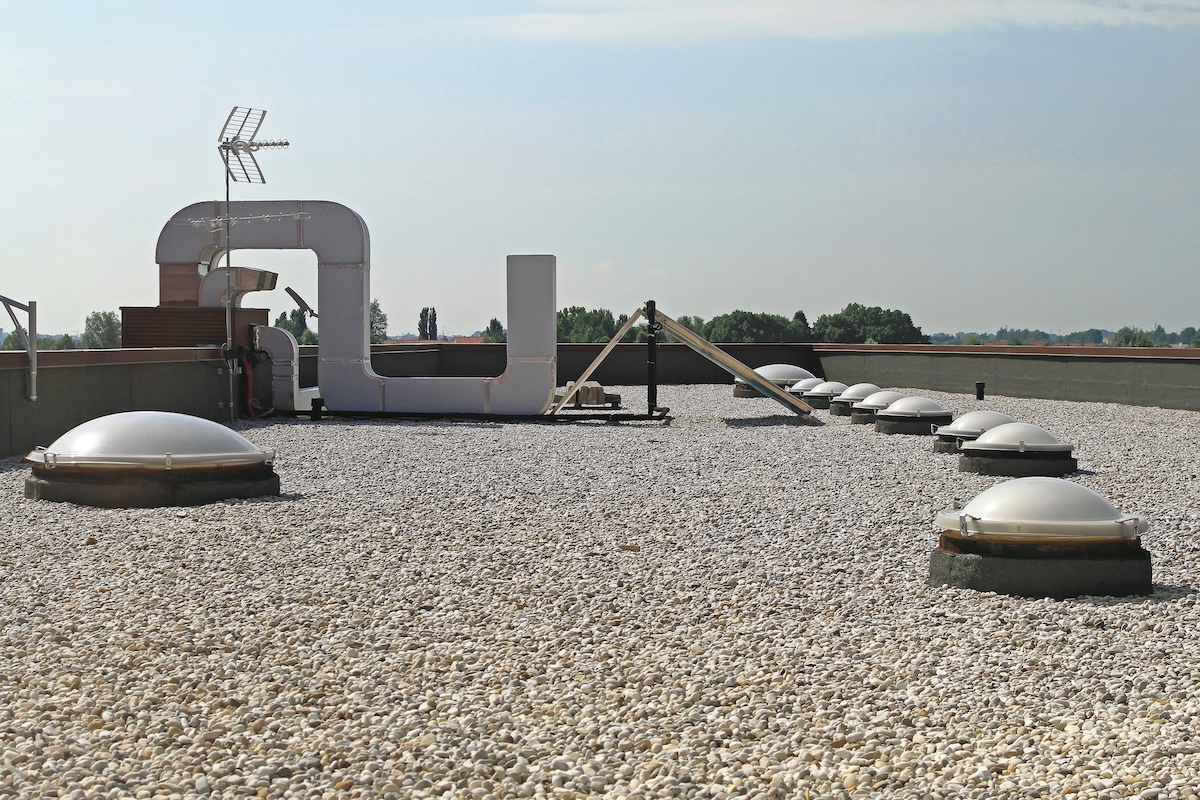
The defining roofing challenge over a lab or pharma suite is the cleanroom mechanical system. Cleanrooms run on dedicated air handlers, recirculation units and exhaust stacks, and all of that equipment sits on the roof on curbs that penetrate the membrane. Those curbs are where leaks start, and over a cleanroom a leak that tracks down a curb does not just stain a ceiling — it can breach the pressurized envelope the room depends on. We treat every HVAC curb as a critical detail:
- Properly sized, fully flashed curbs with welded or sealed corners, not field-patched terminations.
- Coordinated heights so condensate lines, gas lines and conduit penetrate cleanly and individually rather than bundled through one compromised opening.
- Redundant water stops at the most sensitive areas so a single seam failure does not reach the deck above the room.
Where a facility has a known critical space — a sterile fill room, an analytical instrument bay, a stability chamber — we map it before we touch the roof and add protection over that footprint specifically.
Membranes and Contamination Control
For lab and pharma work we specify membranes that hold up to Miami's UV and heat while keeping particulate and odor out of the building. Single-ply systems installed with low-VOC adhesives, or mechanically attached and induction-welded assemblies that limit fumes, let us work without driving solvent smell into the air intakes. Where hot work would put fumes near an intake, we shift methods or temporarily coordinate the affected air handler with facilities staff rather than risk an alarm or a contamination event.
Dust is its own enemy. Tear-off debris and grinding particulate are exactly what a cleanroom is built to exclude, so we seal intakes during demolition, keep cutting and grinding contained, and clean as we go so nothing migrates toward a louver or an open curb.
Zero Tolerance Means Zero Open Deck
We never leave a roof over a validated space open to weather, full stop. In Miami that discipline is doubled by the climate — the afternoon storm is close to a daily event for much of the year, and an open deck at 3 p.m. in July is an invitation for exactly the intrusion we are paid to prevent. We size each day's tear-off to what we can dry in and watertight before the sky changes, and we keep tarps and pumps staged the entire time.
Working Inside a Validated, Occupied Facility
Pharma and lab buildings run on protocols, and our crews work inside them. That means coordinating roof access through the facility's procedures, timing loud or vibration-heavy work around sensitive instruments and ongoing runs, and giving quality and facilities teams advance notice of anything that touches an air handler or a critical zone. Vibration alone can disturb a sensitive balance or an imaging tool, so we plan fastening and equipment work around the schedules of the rooms below.
We also document thoroughly. Facilities and quality groups often need a record of what was opened, when it was closed, and how each penetration was sealed. We provide that paper trail so a future audit or investigation has a clear answer about the roof.
Hurricane-Zone Requirements Over Critical Equipment
Everything we install in Miami meets the High-Velocity Hurricane Zone standards, and over a lab that is not just code compliance — it is protection for irreplaceable equipment. Rooftop air handlers and exhaust stacks have to stay attached and sealed through a major storm, because the failure mode is not just a wet ceiling but a breached, depressurized cleanroom full of ruined work. We detail attachment and flashing to hold under design wind and to keep wind-driven rain out of every curb.
Maintenance for Leak-Intolerant Roofs
The right maintenance posture for a pharma or lab roof is proactive, not reactive. We set these clients on frequent inspections focused on the HVAC curbs, seams over critical rooms and the condition of any rooftop equipment supports, so a minor seam separation is found and sealed long before it can reach a validated space. We would far rather make a five-minute repair on a scheduled visit than respond to a leak over a stability chamber.
If you operate a lab, a compounding pharmacy, a diagnostics facility or a GMP production site anywhere in Miami and you need a roofing partner who understands that a leak is a quality event, we are ready to help. We will assess the roof against the rooms beneath it, flag the curbs and details that put your critical spaces at risk, and propose a system and a work sequence that protect both the building and the science inside it.
Planning a Reroof Around Validated Operations
The hardest part of replacing a roof over a working lab or pharma facility is not the membrane — it is doing it without interrupting validated operations or compromising the controlled environment for even a day. We plan these projects backward from your constraints. We identify which rooms are most sensitive and sequence the work so those areas are addressed under the tightest controls, often during planned shutdowns or low-activity windows. We isolate each work zone, protect the air handlers serving the spaces below, and keep the rest of the facility running normally while we work overhead.
Where a critical room simply cannot have any roof activity above it during operation, we say so up front and build the schedule around that fact rather than discovering the conflict mid-project. Clear coordination with your quality and facilities groups before the first day of work is what keeps a reroof from becoming a deviation report.
Detailing for the Specific Equipment You Run
Two life-science buildings are rarely alike on the roof. A facility with rooftop air handlers, exhaust stacks, fume hood discharges, gas and vacuum lines, and chiller connections presents a dense and varied field of penetrations, and each type needs its own correct detail. We survey exactly what penetrates your roof and design terminations suited to each — sealed and flashed for the wet ones, properly supported for the heavy ones, and separated so they do not crowd a single weak point. The result is a roof engineered around your actual mechanical layout, which is what keeps water away from the equipment and the products that cannot tolerate it.
Contact us to arrange an assessment coordinated with your facilities and quality teams.