Drain Cleaning Repair
Miami, FL · Services
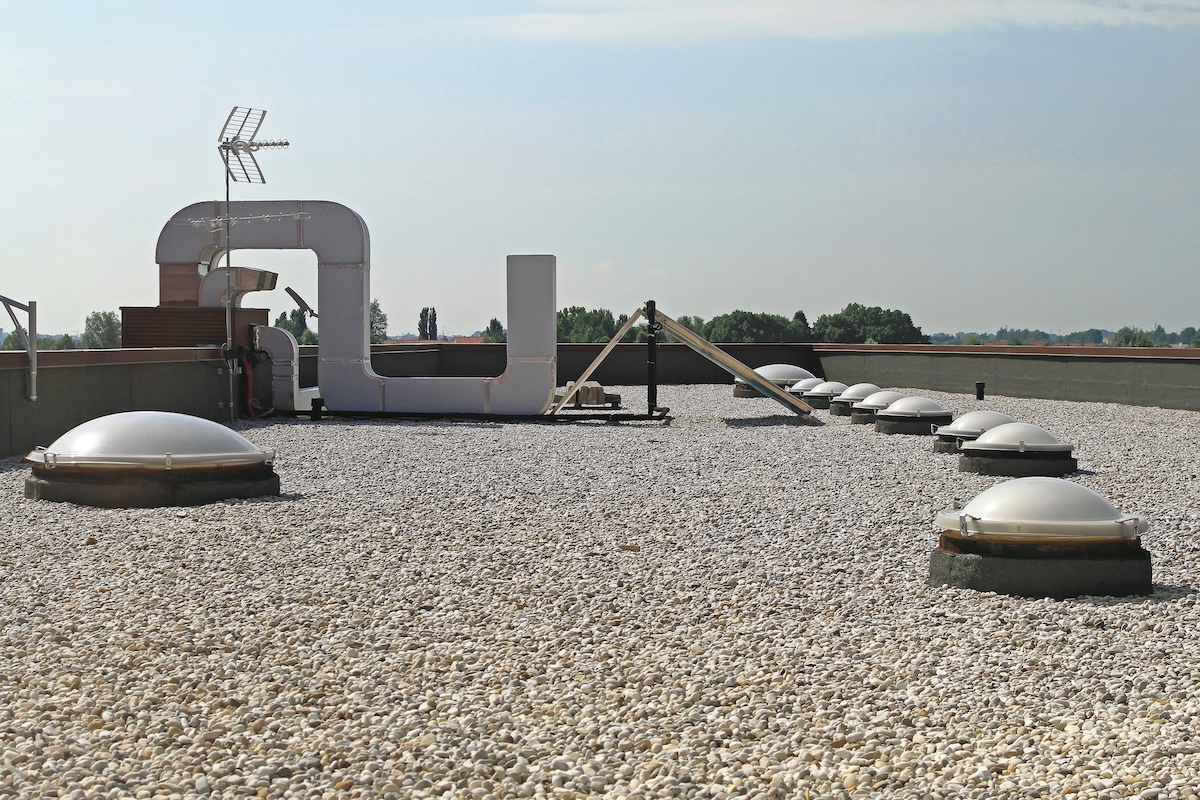

Miami's flat commercial roofs rely entirely on interior drains to remove rainfall — and Miami produces a lot of rainfall, fast. A partially blocked drain on a 20,000-square-foot roof during a two-inch-per-hour Miami afternoon thunderstorm is not a maintenance inconvenience. It is a structural load problem and a leak initiation point.
Miami-Dade commercial buildings predominantly use interior roof drains rather than edge scuppers because the flat-to-slope ratio of most commercial construction here channels water toward the roof field center, not the perimeter. That design places the drain — and the drain-to-membrane seal — at the most critical single point for water management on the building. We clean and inspect drains on a maintenance schedule calibrated to Miami's rainfall intensity, and we repair drain boot and clamping ring failures before they become the confirmed source of a chronic leak investigation.
The rainfall data for Miami makes drain maintenance non-negotiable as a planning matter. Miami International Airport records an average annual rainfall of approximately 61 inches, concentrated heavily in the June-through-October wet season. Peak rainfall intensity during Miami's convective summer storms regularly exceeds two inches per hour. A 20,000-square-foot roof receiving two inches per hour generates approximately 25,000 gallons of drainage per hour — all of which must pass through the drain array. A drain that is 50% blocked does not remove water at 50% of capacity; it backs water up into the roof field, increasing structural load and driving water toward the lowest seam or flashing failure point.
Overflow scuppers and emergency drains are the code-required backup for Miami flat roofs. We verify that overflow scuppers are unobstructed and are positioned at the correct elevation above the primary drain elevation as specified by the Florida Building Code. An overflow scupper that is blocked, elevated incorrectly, or that discharges to a location that re-enters the building envelope is not functioning as the code-required safety relief it was designed to provide.
Drain Failure Modes in Miami Conditions
Debris accumulation: Miami's urban landscape and coastal proximity generate a specific debris profile on commercial rooftops — palm fronds and seed pods from the ubiquitous royal palms and coconut palms planted throughout Miami's commercial landscaping, construction debris from the perennial mid-rise and high-rise construction activity in Brickell and Wynwood, and algae and lichen growth on drain strainer bowls in the shaded sump area. We clean every drain strainer, sump bowl, and leader opening during scheduled maintenance, and we photograph the drain condition before and after cleaning.
Grease accumulation at kitchen exhaust-adjacent drains: Restaurant and food service buildings in Miami — particularly in the Brickell City Centre ground-level retail, the Wynwood restaurant corridor, and the Miami Beach hospitality strip — produce airborne grease that accumulates on roof surfaces near kitchen exhaust fans. Grease mixes with debris to form a dense plug at drain strainer bowls that is not removed by rainfall. We use hot-water flush and mechanical augering for grease-accumulation drains, and we recommend more frequent cleaning intervals for kitchen-adjacent drain locations.
Root intrusion: Miami's subtropical climate supports aggressive root growth from rooftop vegetation — seeds deposited by birds, wind-blown organic material in drain sumps, and aerial root systems from ficus and other subtropical ornamentals in adjacent landscaping. Root systems following water to drains can penetrate the drain body, grow into the drain leader, and eventually obstruct flow entirely. We inspect for root intrusion during drain cleaning and address root penetration at the drain body before it compromises the drain-to-membrane seal.
Drain Boot and Clamping Ring Repair
The drain boot is the waterproof membrane that seals the roof membrane to the drain body. On single-ply TPO and EPDM roofs, the boot is typically a pre-formed membrane component heat-welded or adhesive-bonded to the field membrane and clamped to the drain body with a clamping ring. On modified bitumen and built-up roofs, the boot is typically a bituminous membrane component embedded in mastic around the drain flange. In both cases, the connection between the membrane and the drain body is the highest-stress transition point on the roof — thermal expansion differential between the metal drain body and the membrane material places daily cycling stress on the seal.
Failed drain boots present in two failure modes. Complete separation allows bulk water to pass directly between the membrane and the drain flange into the insulation — this typically shows up as a concentrated leak at the interior ceiling below the drain location. Partial delamination allows water to wick between the boot and the drain flange during high-rainfall events — this presents as a leak that is intermittent and rainfall-volume-dependent, which is the signature that a drain boot is the source rather than a lap seam or flashing failure.
Clamping ring replacement is the standard repair for drain boot failures. We remove the existing clamping ring, clean the drain flange and membrane surface, install a new boot if the existing boot is deteriorated beyond repair, and torque the new clamping ring to the manufacturer's specification. On modified bitumen roofs, we re-embed the drain flange in fresh mastic and apply a new bituminous boot membrane straddling the drain flange. All drain repairs are photographed before, during, and after for the maintenance record.
Frequently asked questions
How often should roof drains on a Miami commercial building be cleaned?
At minimum twice annually — once before hurricane season (April or May) and once in mid-dry-season (January or February). Buildings with kitchen exhaust-adjacent drains or with heavy palm tree debris loading typically warrant quarterly cleaning. We recommend cleaning frequency based on the building's specific debris profile and drainage design.
What is an overflow scupper and does my building have them?
An overflow scupper is a secondary drainage opening through the parapet wall that activates when primary drains are blocked or overwhelmed — it limits roof ponding depth by discharging water over the parapet before structural load limits are exceeded. Florida Building Code requires overflow drainage systems on most commercial flat roofs. We verify presence, elevation, and discharge condition of overflow scuppers during drain inspections and document any deficiencies in the written report.
Can a blocked drain cause structural damage to my Miami building?
Yes. Miami Building Code and the Florida Building Code calculate roof structural load based on a design rainfall rate that assumes drains are functioning. A blocked drain during a two-inch-per-hour storm event can add 10 to 12 pounds per square foot of hydrostatic load to the roof structure above the code design assumption. On older Miami commercial buildings designed to pre-Andrew code minimums, this margin is thin. Drain maintenance is a structural issue, not merely a waterproofing issue.
Pre-season drain cleaning or drain boot repair.
Our crews clean, inspect, and photograph every drain on your Miami roof, identify boot or clamping ring failures, and repair confirmed sources before hurricane season opens.
Explore More
- Government Building Roofing
- Commercial Roof Replacement
- Commercial Roof Repair
- Built Up Roofing
- Church Roofing
- Occupied Building Reroofing
- Industrial Roofing
- About