EPDM Roofing
Miami, FL · Services
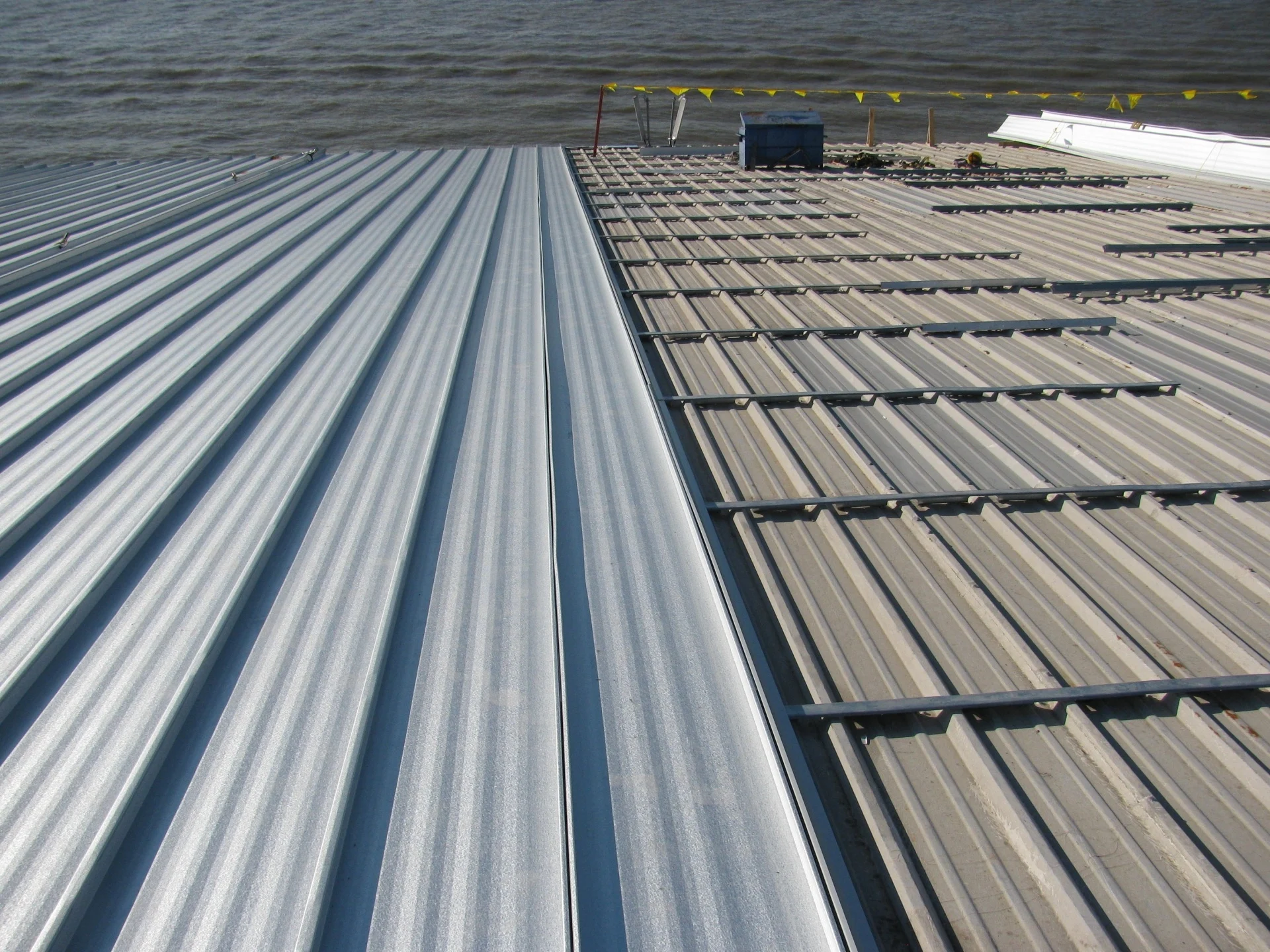
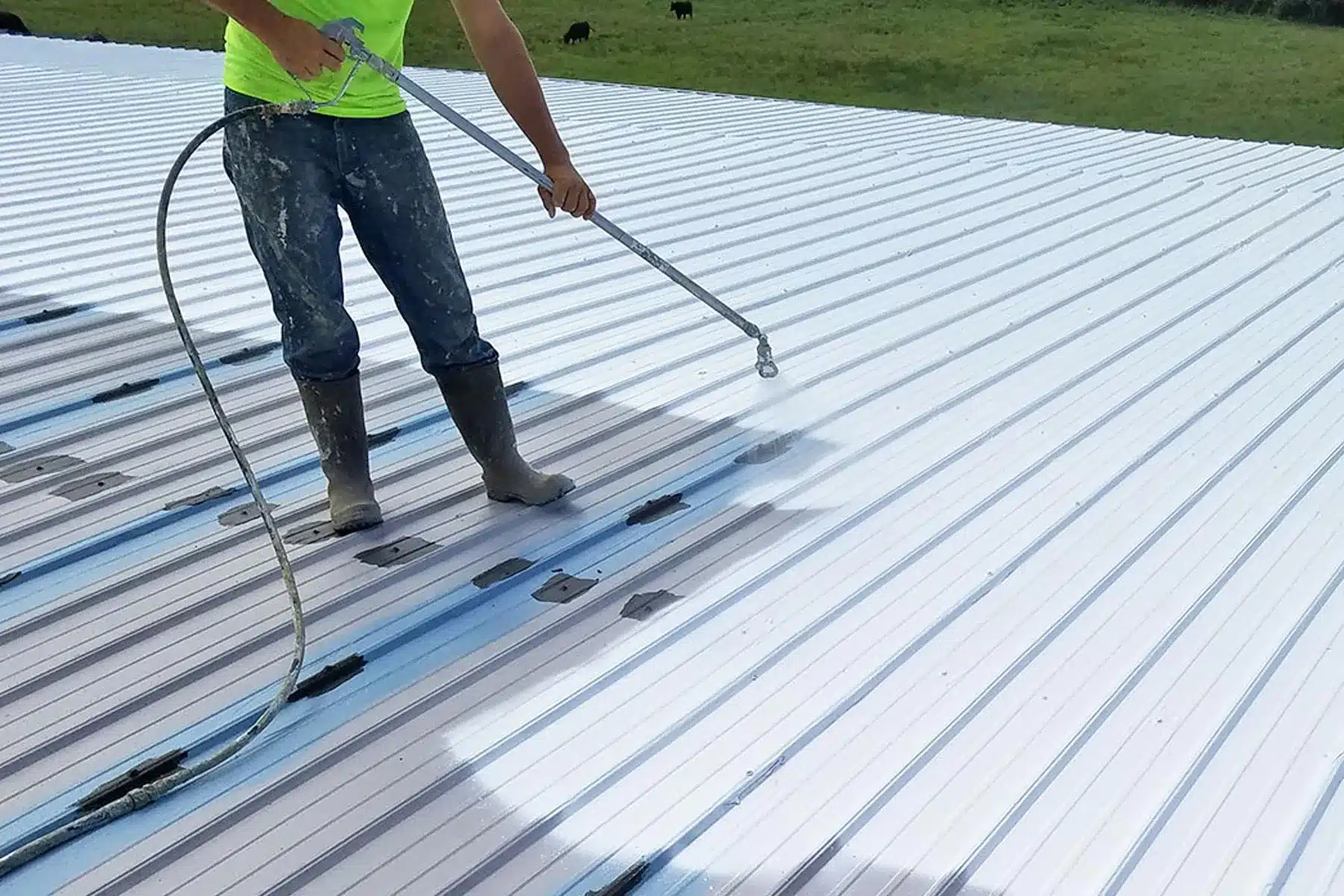
EPDM's flexibility and elongation properties make it one of the most durable single-ply options for Miami commercial buildings that experience differential movement at parapets, expansion joints, or building corners — which in oolite limestone Miami-Dade is a larger category of buildings than most owners realize.
EPDM — ethylene propylene diene monomer — is the single-ply membrane with the longest field history in the commercial roofing market. Installations from the mid-1980s are still performing in other climates. In Miami-Dade, EPDM's service life is compressed by UV intensity and thermal cycling, but it retains advantages over TPO and PVC in specific applications: differential-movement environments, buildings with high mechanical rooftop traffic, and buildings where the owner has a documented preference based on prior asset experience.
We install 60-mil EPDM as the standard thickness for Miami commercial buildings. Some specialized applications — buildings with high rooftop equipment traffic, buildings where the insulation substrate presents challenges for TPO welding — use EPDM for its mechanical tolerance. Every EPDM system we specify carries a Miami-Dade NOA for the complete assembly as installed: membrane thickness, insulation type, attachment method (mechanically attached or fully adhered), and adhesive system where applicable.
EPDM lap seam adhesion in Miami's climate requires more attention than TPO or PVC heat-welded seams, because bonded EPDM seams depend on solvent-based adhesive chemistry that is sensitive to surface cleanliness, temperature, and humidity. We train our crews to Miami's specific application conditions — heat, humidity, afternoon rain windows — and inspect lap seams with a probe tool before leaving each section.
EPDM Installation Methods and Miami NOA Requirements
Fully adhered EPDM systems bond the membrane to the insulation substrate using a contact adhesive applied at a rate specified by the manufacturer's Miami-Dade NOA. Fully adhered systems distribute wind-uplift load across the membrane area rather than concentrating it at mechanical fasteners — which produces smoother wind performance under dynamic loading from hurricane gusts. Miami-Dade's NOA system requires documented adhesive coverage rate verification during installation for fully adhered assemblies, and our foremen record application rate at each section during the adhesive application phase.
Mechanically attached EPDM systems use batten bars and fasteners at the seam location to anchor the membrane to the deck. The fastener pattern in field, perimeter, and corner zones is designed to FBC HVHZ wind-uplift requirements — the same three-zone design that applies to mechanically attached TPO and PVC. For EPDM specifically, the seam location relative to the fastener bar means that seam width and splice adhesive quality are as important as fastener spacing for wind-uplift performance.
Ballasted EPDM — where the membrane is held in place by gravel ballast rather than mechanical attachment or adhesive — is not used in Miami-Dade's HVHZ. The Miami-Dade NOA system does not include ballasted assemblies for HVHZ applications, and the wind speeds that Miami roofs must be designed for make ballasted systems code-non-compliant regardless of gravel weight. All EPDM installations we specify are either fully adhered or mechanically attached with a Miami-Dade NOA.
EPDM on Miami Buildings with Differential Movement
Miami-Dade's oolite limestone subbase, combined with the fill depths found in bay-adjacent areas of Brickell, Downtown Miami, and Miami Beach, creates conditions for differential settlement at building perimeters and expansion joints. EPDM's elongation at break — typically 300% or higher for 60-mil membrane — gives it a materially larger deformation tolerance than TPO or PVC membranes in situations where the building moves after installation. For buildings along Brickell Avenue or on the Miami Beach barrier island where soil conditions produce documented parapet movement, EPDM is often the membrane of choice for flashing systems at the movement joints.
Expansion joint covers and transition flashings at building joints are areas where we specify EPDM regardless of the field membrane system on buildings where movement has been documented. A TPO expansion joint cover that tears under differential movement at a Brickell high-rise produces a large-area interior leak. An EPDM expansion joint cover on the same building can absorb significantly more movement before failure. We document this design rationale in the specification so future project managers understand why the flashing system is EPDM on a TPO field membrane building.
EPDM Repair and Restoration in Miami
EPDM repair in Miami is more straightforward than TPO repair for two reasons: EPDM repairs do not require heat-welding equipment, and the repair materials — patches, splice adhesive, seam tape — are more forgiving of Miami's humidity and temperature conditions than TPO welding parameters. We carry EPDM repair materials on every service truck for immediate response to membrane punctures or lap seam failures.
Silicone coating systems carry Miami-Dade NOA approvals for application over EPDM in some configurations — making EPDM a viable candidate for fluid-applied restoration when the substrate is structurally sound. We assess EPDM restoration eligibility using the same moisture core and adhesion pull protocol we use for all coating candidates: if the substrate qualifies, we specify the coating system with its NOA number; if it does not, we provide the replacement scope.
Frequently asked questions
Is EPDM or TPO better for Miami commercial roofs?
Neither membrane is universally better — the right choice depends on building-specific factors. TPO's heat-welded seams perform better than EPDM's bonded seams over the long term in Miami's thermal cycling environment. EPDM's superior elongation makes it more appropriate for buildings with documented differential movement at parapets or expansion joints. We specify the membrane that is right for the specific building, not the one that is easiest for our crews to install.
What is the lifespan of EPDM roofing in Miami's climate?
60-mil EPDM with a Miami-Dade NOA-approved installation and documented annual maintenance typically achieves 20 to 25 years of service life in South Florida conditions — slightly shorter than TPO in Miami's UV environment due to EPDM's black color and higher surface temperature. White-coated EPDM systems extend service life by reducing thermal amplitude.
Can EPDM be installed on a Wynwood arts district warehouse conversion?
Yes. Wynwood warehouse conversions are one of our higher-volume EPDM application environments — the older metal decks on converted warehouses often have surface profile issues that affect TPO welding quality, and EPDM's installation method is more tolerant of surface irregularity. We assess deck condition on every Wynwood project before specifying the membrane system.
Do EPDM systems carry Miami-Dade NOA approvals?
Yes. Most major EPDM manufacturers — Firestone, Carlisle, Versico, and others — carry active Miami-Dade NOA approvals for their 60-mil fully adhered and mechanically attached systems. The NOA specifies the complete assembly: membrane, insulation type, attachment method, and adhesive system. We install only systems with current Miami-Dade NOA coverage and document the NOA number in the permit application and closeout package.
Get an EPDM system specification for your Miami commercial building.
We assess the building's movement history, deck condition, and mechanical loading before specifying an EPDM system — and we close out with NOA documentation and a maintenance contract that keeps the manufacturer warranty active.
Explore More
- Preventive Roof Maintenance
- Drain Cleaning Repair
- Single Ply Roofing
- Industrial Roofing
- Healthcare Facility Roofing
- Commercial Roof Replacement
- Office Building Roofing
- About