Government Building Roofing
Miami, FL · Services
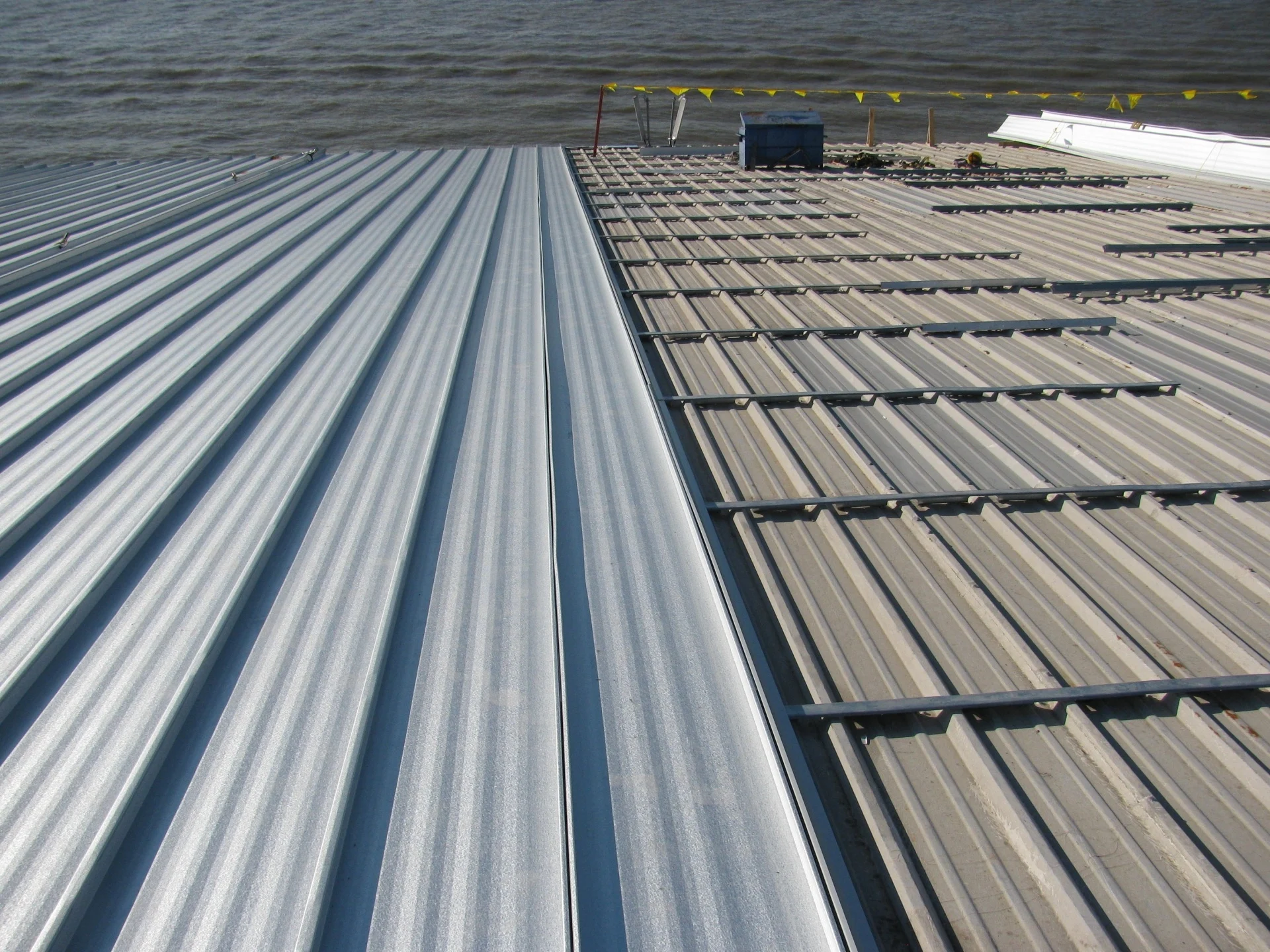
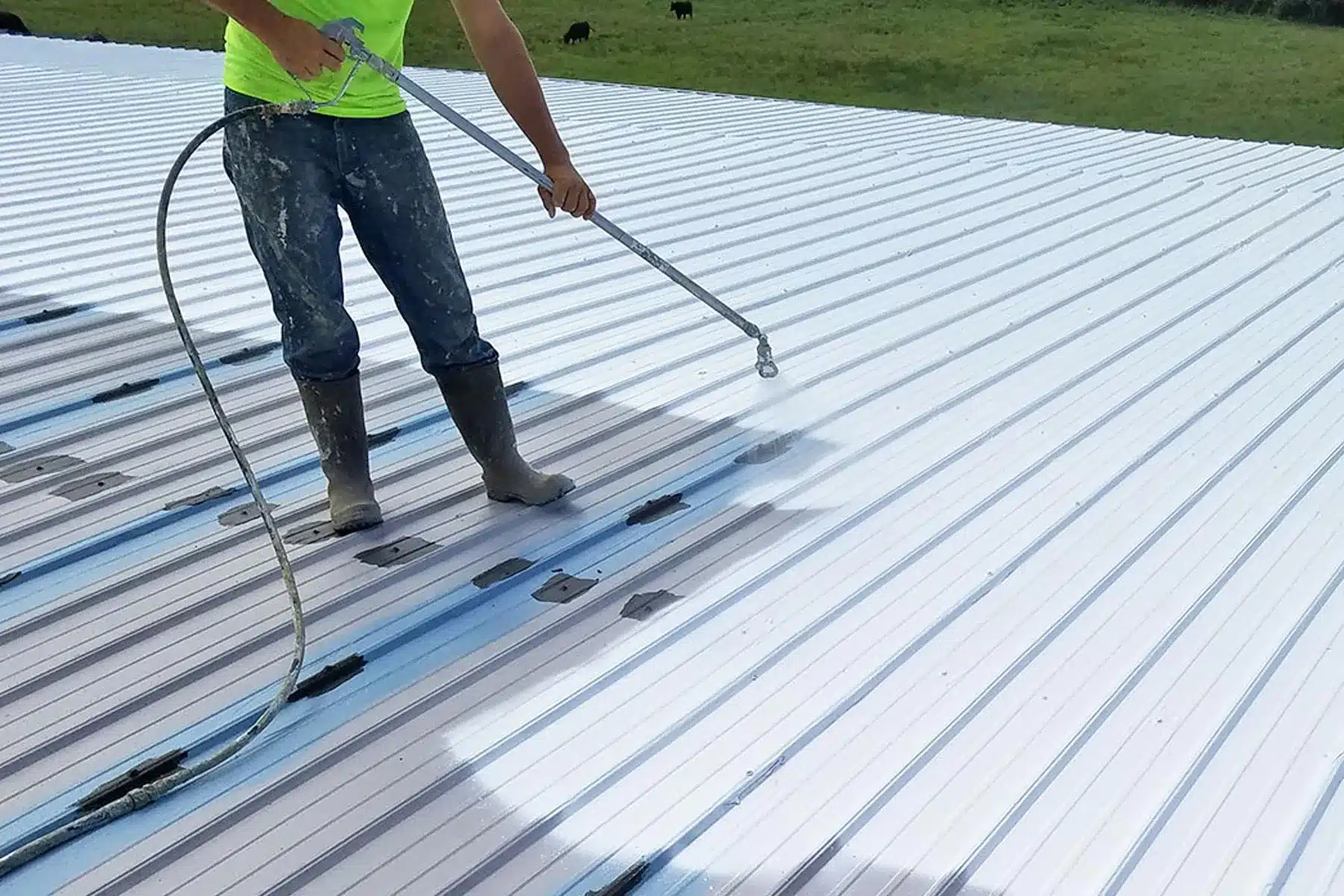
Commercial roofing for city halls, courthouses, fire stations, police stations, and public facilities throughout Miami, FL.
Miami's government building portfolio sits at the intersection of the tropics and one of the most scrutinized hurricane-prone building environments in the United States. Miami City Hall in Coconut Grove, the Miami Police Department's headquarters on Northwest 2nd Avenue, the Coral Way branch of the Miami-Dade Public Library system, the Miami Fire-Rescue stations distributed across a densely developed urban core, and the broader inventory of municipal and Miami-Dade County buildings that stretch from the Brickell financial district to Little Haiti—all of these facilities operate under roofing requirements shaped by Florida's post-Hurricane Andrew building code transformation. The Florida Building Code's wind resistance provisions, which were substantially strengthened after the 1992 hurricane revealed catastrophic failures in pre-code construction, set minimum standards that exceed those of virtually every other state, and Miami contractors who treat FBC compliance as a paperwork exercise rather than a fundamental design parameter have seen their roofing systems fail under inspection.
Miami-Dade County's Building Department operates the most rigorous roofing inspection regime in Florida, with a product approval system that requires all roofing products to carry Miami-Dade Notice of Acceptance (NOA) before installation on any building in the county. The NOA system is not merely a preference—it is a mandatory code requirement, and the absence of a current NOA for a proposed roofing product results in failed inspection regardless of the product's performance in other jurisdictions or its national certifications. Contractors bidding Miami and Miami-Dade government roofing projects must verify current NOA status for every roofing product in their proposed system, including accessories, fasteners, and adhesives, because NOA certifications expire and are not automatically renewed when manufacturers update product formulations.
The City of Miami's procurement for government building roofing projects flows through the City's Purchasing Department, which advertises competitive bids on the city's DemandStar system and requires contractors to hold current City of Miami contractor registration alongside Florida state certification. Miami-Dade County government buildings—including the Stephen P. Clark Center on Flagler Street, the Miami-Dade County Courthouse, and the numerous county branch libraries—are bid separately through the Internal Services Department's Procurement Management Division. These are distinct procurement authorities, and the bid forms, insurance requirements, and evaluation criteria differ between them. Contractors who regularly work for the county and then pursue a city project without adjusting their bid package format lose points in procedural compliance evaluations before technical qualifications are considered.
Florida's public construction contracting statute, Florida Statute § 255.05, requires performance and payment bonds on all public works contracts above $200,000, and the bonding company must be licensed to write surety in Florida. Miami-Dade County's Internal Services Department enforces bond requirements strictly, and the county's standard contract form includes provisions requiring the contractor to notify the county within five business days if the surety's financial rating changes during the contract period. Miami's government roofing contracts above the state threshold also carry a statutory requirement for the payment bond to be recorded in Miami-Dade County's public records before construction begins—a procedural step that out-of-state contractors sometimes overlook because it is uncommon in other jurisdictions, and failure to record results in the payment bond losing its statutory protection for unpaid subcontractors and suppliers.
Hurricane preparedness requirements for Miami government buildings extend beyond the building code's structural provisions into contractor obligations during active storm threat periods. Miami-Dade County's roofing construction ordinances require that open roof areas—where existing roofing has been removed and temporary protection is in place—be fully secured and the contractor's storm plan implemented when the National Hurricane Center issues a tropical storm watch for the area. The contractor's storm plan, detailing how temporary protective systems will be tensioned, how materials will be secured, and how the site will be vacated, must be submitted to the facility manager and the building inspector before roofing demolition begins. Roofing projects on Miami government buildings routinely include hurricane season sequencing provisions that restrict the size of open roof areas during the June-through-November Atlantic hurricane season.
Miami's government buildings frequently operate as emergency shelters, cooling centers, or emergency operations hubs during extreme weather events, and the roofing systems protecting those facilities carry an elevated operational responsibility. Miami Fire-Rescue stations designated as Hurricane Hardened facilities must maintain structural and waterproofing integrity through design wind events, and roofing replacement on those stations typically requires wind engineer certification that the installed system meets the station's design wind speed requirements, which may exceed standard FBC minimums. Miami-Dade County Public Libraries that function as cooling centers during heat events—a public health service that has become increasingly important given Miami's intensifying summer heat—require uninterrupted facility availability that constrains roofing project scheduling more tightly than standard office or warehouse projects.
Historic preservation in Miami's government building context involves the Art Deco and MiMo (Miami Modern) architectural periods that defined civic construction from the 1920s through the 1960s. The City of Miami Historic Preservation Office reviews changes to designated historic landmarks and to buildings within locally designated historic districts, and several Miami-Dade public buildings from the 1930s–50s carry historic designation that limits roofing material and color choices. The Florida State Historic Preservation Office under the Division of Historical Resources reviews federally funded projects affecting National Register–eligible buildings. Contractors working on Art Deco–era government buildings should anticipate that specification development for those projects will involve the Historic Preservation Office and may require documentary mockups before full roofing material approvals are granted.
Energy efficiency requirements for Miami government buildings reflect both Florida Building Code compliance and the City's commitments under the Miami Climate Equity Plan. The FBC's energy provisions for Climate Zone 1—which covers Miami-Dade County—require cool roof reflectance standards on low-slope commercial roofing, and Miami's procurement specifications typically impose additional reflectance minimums above the code floor on city buildings. The City of Miami has also been advancing solar panel installations on municipal buildings, and roofing replacement projects on facilities identified in the city's solar master plan now require structural blocking and penetration sleeve provisions accommodating future PV installation without penetrating the new membrane system. Contractors who have coordinated solar-ready roofing installations elsewhere in South Florida bring immediately applicable knowledge to Miami's government building solar-track projects.
Contractors pursuing Miami government roofing work should maintain both Florida Division of Corporations registration and City of Miami contractor registration, verify their roofing products' current Miami-Dade NOA status for every project, and engage with the City's Small Business Opportunity Program, which provides bid preference credits for certified SBE firms on Miami procurement. Attending pre-bid site visits—which for Miami government buildings frequently involve rooftop access that requires advance security clearance coordination for police or detention facilities—is essential both for accurate bidding and for demonstrating to facility managers the organizational capacity to manage South Florida's demanding combination of hurricane season scheduling, heat-and-humidity installation requirements, and Miami-Dade inspection scrutiny.
Frequently asked questions
Is built-up roofing still installed on new Miami commercial buildings?
Rarely on new construction. BUR has largely been replaced by TPO and PVC single-ply membranes for new commercial low-slope construction in Miami-Dade. Modified bitumen — a close relative of BUR using polymer-modified asphalt plies — is still specified for specific applications, particularly in recover configurations and on buildings where foot traffic and mechanical abuse favor the thicker ply system. We install and maintain both BUR and modified bitumen on existing buildings but rarely specify BUR for new construction.
How do I know if my 1980s Miami office building's BUR system is still viable?
A moisture survey is the starting point — either electronic moisture probing or infrared thermography. If insulation saturation is below 25 percent by area and the deck is sound, a recover with targeted wet-area removal and a new mechanically attached membrane or modified bitumen cap is often viable. If saturation is widespread or the deck is deteriorated, replacement is the honest scope. We provide the moisture survey data and the deck inspection findings as part of the assessment so the decision is based on documented condition rather than a contractor's estimate.
Can a BUR system be recovered with TPO in Miami-Dade?
Yes, when the BUR substrate is dry, the deck is sound, and an NOA-approved recover assembly exists for the specific BUR type and TPO system combination. We verify the NOA approval before designing the recover specification. Not all TPO manufacturer systems have Miami-Dade NOA approvals for BUR recover configurations — the approval list is assembly-specific.
What is the typical service life of a Miami BUR system?
A well-installed BUR system in Miami conditions typically provides 20 to 30 years of service life before significant rehabilitation is required. Miami's high UV intensity, surface temperatures exceeding 160 degrees F, and coastal salt environment accelerate asphalt oxidation and ply adhesion degradation relative to inland markets. Pre-1992 Miami BUR systems that are now 30-plus years old and have not been recovered or significantly repaired are generally past viable service life.
Get a documented BUR condition assessment for your Miami building.
Our project managers will conduct a moisture survey, pull cores at suspect locations, inspect deck condition, and deliver a written report with recover-versus-replace recommendation and cost basis — before any commitment to a scope.
Explore More
- Commercial Roof Coatings
- Roof Recover Systems
- Manufacturing Facility Roofing
- Mixed Use Roofing
- Storm Damage Roof Repair
- EPDM Roofing
- Drone Roof Inspection
- About