Healthcare Facility Roofing
Miami, FL · Services
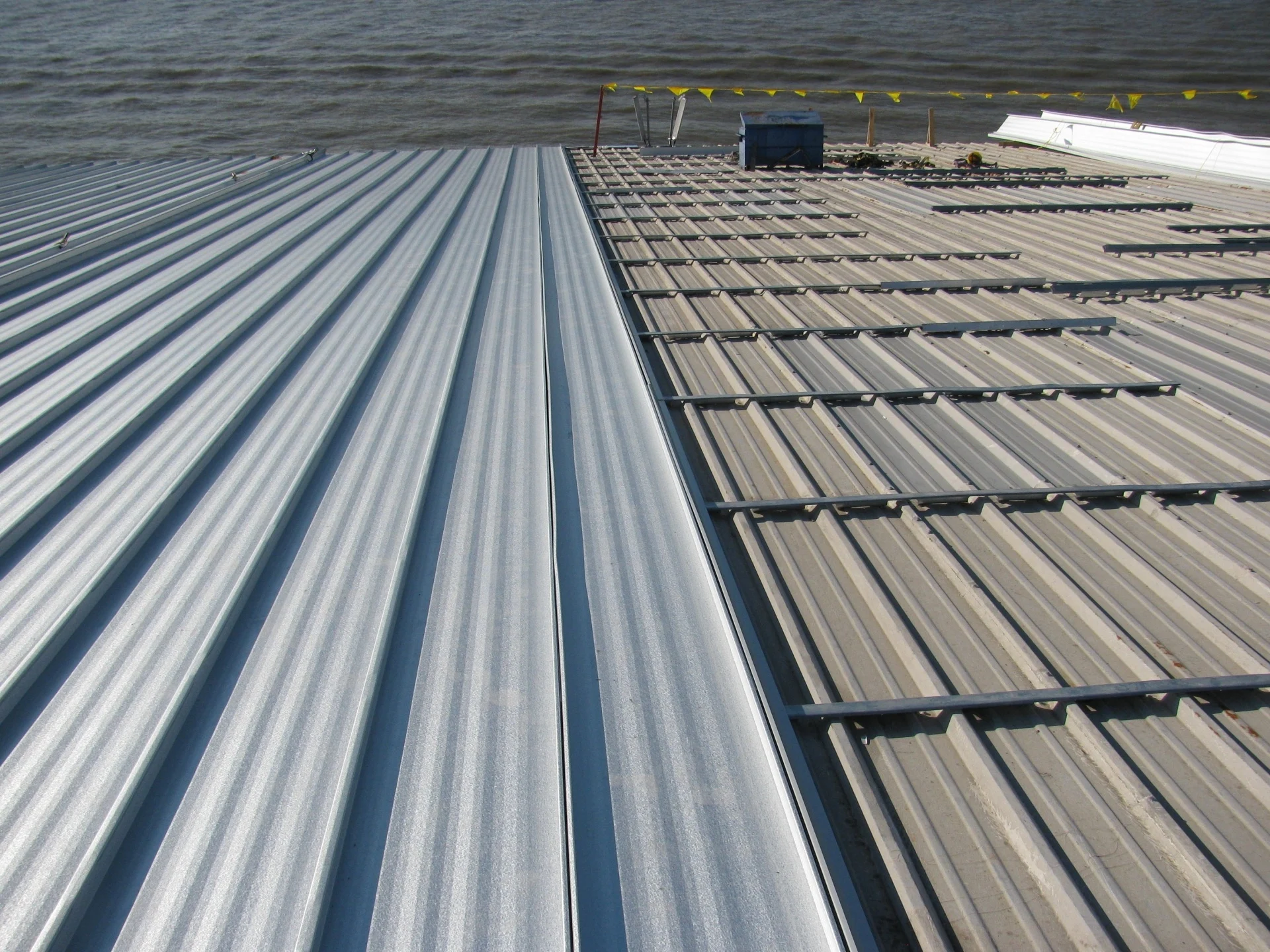
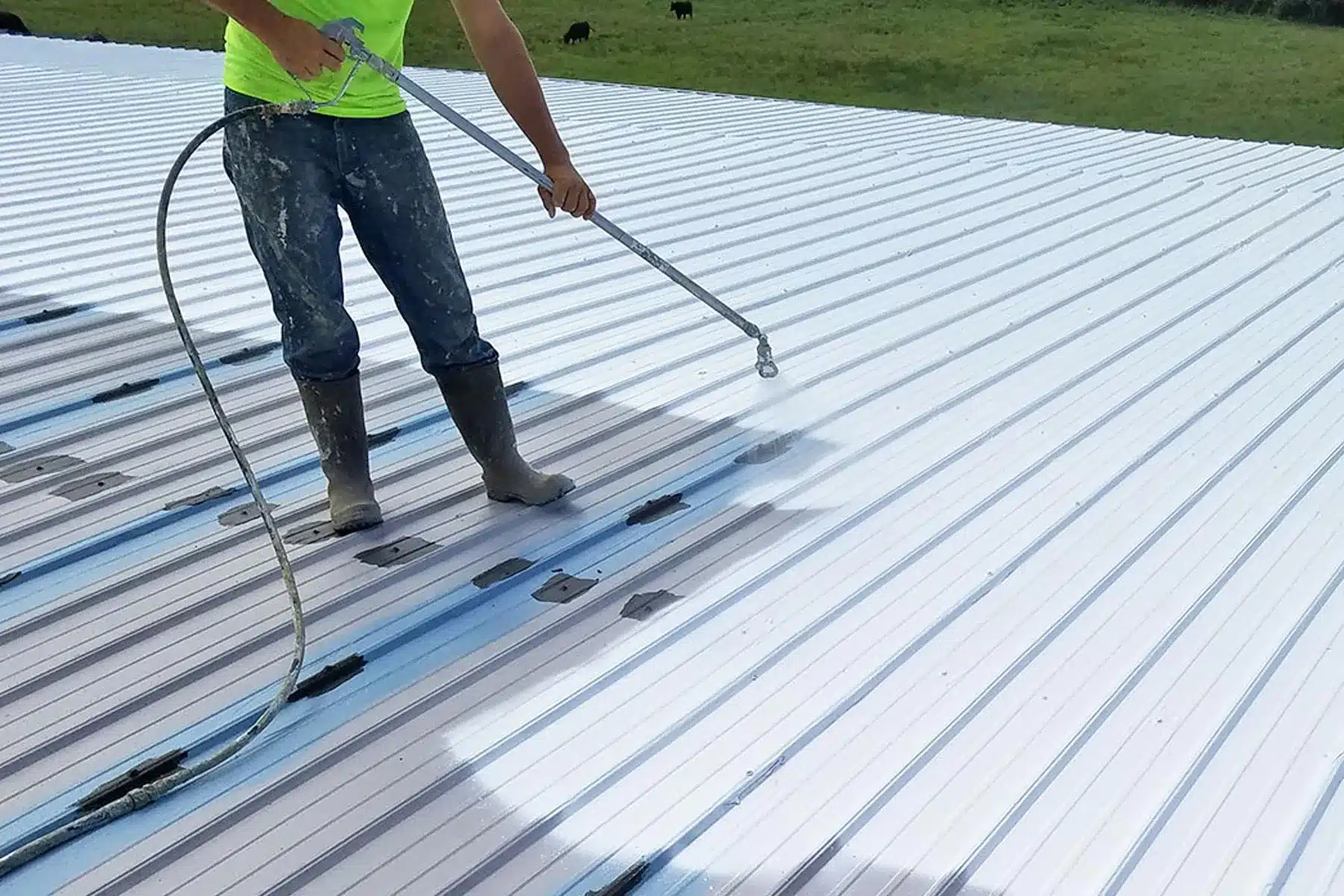
Commercial roofing for hospitals, medical office buildings, surgical centers, and healthcare facilities throughout Miami, FL.
Miami's healthcare ecosystem is among the most dynamic in the southeastern United States, shaped by a population that includes one of the largest concentrations of elderly residents in any American city, a robust medical tourism economy drawing international patients from Latin America and the Caribbean, and the research and academic infrastructure led by the University of Miami Health System and its Miller School of Medicine. Jackson Health System operates the flagship public hospital — Jackson Memorial, the state's largest — alongside Holtz Children's Hospital and the Ryder Trauma Center, which serves as Miami-Dade's Level I trauma resource. Baptist Health South Florida, Miami Clinic Florida, HCA's multiple Miami area hospitals, and the Nicklaus Children's Hospital network collectively provide the region's private hospital capacity. Every one of these institutions, and the hundreds of medical office buildings and ambulatory surgery centers that support their care networks, depends absolutely on roofing systems that perform under South Florida's unforgiving climate conditions.
No other major American city faces the combination of roofing stressors that Miami presents. Year-round UV radiation at Florida's southernmost latitude degrades roofing membranes faster than anywhere else in the continental United States. The June through November hurricane season creates the most demanding wind envelope requirement of any market outside coastal Louisiana and Texas. Miami's average of 61 inches of annual rainfall, concentrated in intense afternoon thunderstorms, produces drainage demands that challenge any system that has not been specifically engineered for the volume and intensity of South Florida precipitation. And the salt air influence from Biscayne Bay and the Atlantic Ocean accelerates corrosion of every metal component in a roofing assembly, from edge metal and drain bodies to HVAC curb caps and mechanical fasteners. Healthcare facilities must address all of these factors simultaneously, and the roofing systems serving them must be specified and installed accordingly.
Florida's hospital licensure requirements and the CMS Conditions of Participation that govern Medicare and Medicaid certification both require hospitals to maintain their physical plants in a condition that protects patient safety and enables emergency operations during declared disasters. For Miami healthcare facilities, this requirement has teeth — the Florida Agency for Health Care Administration actively investigates facilities that fail to maintain roofing and building envelope integrity, and post-hurricane surveys have resulted in citation and corrective action requirements for facilities that allowed their roofing programs to fall behind. Jackson Memorial Hospital and Baptist Health's South Miami and Coral Gables campuses both maintain documented roofing inspection programs that satisfy AHCA's physical plant standards while demonstrating the institutional commitment to facility integrity that patient confidence requires.
Hurricane readiness is the most visible dimension of Miami healthcare roofing management, but it is not the only one. The pre-season inspection programs that facility managers conduct at Jackson Memorial, Baptist Health, and the Miami Clinic Florida campus in Weston serve multiple purposes simultaneously: they verify storm preparedness, they identify maintenance needs that would have caused problems regardless of storm activity, and they create the documentation trail that satisfies regulatory requirements and insurance program requirements. FM Global, the insurer for many large healthcare facilities in South Florida, maintains rigorous wind uplift requirements that exceed standard building code in many cases and that require verification of compliance as a condition of coverage.
Medical office building development in Miami's urban core, along Coral Gables' Ponce de Leon Boulevard medical strip, in Doral's growing healthcare district, and throughout the Kendall and Hialeah markets has created substantial demand for healthcare-specific roofing expertise in buildings that do not always carry the institutional resources of a major hospital campus. These smaller healthcare properties — ambulatory surgery centers, imaging and radiation therapy facilities, multi-specialty clinics — often change ownership more frequently than hospital campuses, and each ownership transition creates a critical moment for roofing system assessment. Pre-acquisition roof condition reports are standard practice in South Florida's medical real estate market, and investors who skip this step frequently inherit capital obligations that were not reflected in their acquisition pricing.
Infection control during roofing work at Miami's hospital campuses must account for the biological growth that is endemic to South Florida's climate. Existing roofing membranes on Miami hospital buildings frequently carry significant algae and mold growth that, when disturbed during tear-off operations, releases spore loads that can compromise the sterile environments below. ICRA protocols at facilities like the University of Miami's Sylvester Comprehensive Cancer Center and Holtz Children's Hospital require contractors to treat existing roof surfaces with biocide before any mechanical disturbance, establish sealed containment from roof to occupied floor, and conduct air sampling in sensitive clinical areas during and after roofing operations to verify that contamination levels remain within acceptable limits.
The Latin American and Caribbean medical tourism market that Miami's healthcare facilities serve creates facility quality expectations that are directly linked to institutional reputation and revenue. Miami Clinic Florida's Weston campus, the various Baptist Health specialty centers, and the private hospital facilities that cater to international patients operate in a market where word-of-mouth recommendations from satisfied patients drive significant referral volume across national borders. A facility that presents with ceiling staining, musty conditions, or any evidence of inadequate building maintenance sends a signal that can redirect referral patterns away from Miami's healthcare market entirely. Preventive roofing maintenance is, in this context, a marketing investment as much as a physical plant obligation.
Skilled nursing and assisted living facilities in Miami-Dade County operate under some of Florida's most active AHCA oversight, reflecting the state's large elderly population and the high-profile care quality issues that have historically affected South Florida's long-term care sector. Roofing deficiencies at these facilities — ceiling damage, evidence of past water intrusion, conditions suggesting inadequate drainage — are regularly cited during AHCA surveys. The combination of Miami's rainfall intensity, the biological growth that thrives in the subtropical climate, and the age of many long-term care building stocks in Miami-Dade creates a persistent roofing management challenge that requires consistent investment and documentation. Facilities that have allowed their roofing programs to lapse typically face more extensive and costly corrective action than those that have maintained continuous preventive programs.
Engaging a commercial roofing contractor for Miami healthcare work requires verifying Florida licensure, documented hurricane-zone experience, active manufacturer certification, and healthcare project references from recognized institutions in the South Florida market. The competitive healthcare roofing market in Miami includes many contractors with general commercial experience but relatively few with the specific hospital campus, ICRA compliance, and hurricane preparedness specialization that institutional healthcare clients require. Reference verification with Jackson Health System's facilities division, Baptist Health's real estate services team, or the University of Miami Health System's facilities management office provides the assurance that general commercial credentials cannot supply. In South Florida's demanding climate and regulatory environment, this verification step is not optional.
Frequently asked questions
Is built-up roofing still installed on new Miami commercial buildings?
Rarely on new construction. BUR has largely been replaced by TPO and PVC single-ply membranes for new commercial low-slope construction in Miami-Dade. Modified bitumen — a close relative of BUR using polymer-modified asphalt plies — is still specified for specific applications, particularly in recover configurations and on buildings where foot traffic and mechanical abuse favor the thicker ply system. We install and maintain both BUR and modified bitumen on existing buildings but rarely specify BUR for new construction.
How do I know if my 1980s Miami office building's BUR system is still viable?
A moisture survey is the starting point — either electronic moisture probing or infrared thermography. If insulation saturation is below 25 percent by area and the deck is sound, a recover with targeted wet-area removal and a new mechanically attached membrane or modified bitumen cap is often viable. If saturation is widespread or the deck is deteriorated, replacement is the honest scope. We provide the moisture survey data and the deck inspection findings as part of the assessment so the decision is based on documented condition rather than a contractor's estimate.
Can a BUR system be recovered with TPO in Miami-Dade?
Yes, when the BUR substrate is dry, the deck is sound, and an NOA-approved recover assembly exists for the specific BUR type and TPO system combination. We verify the NOA approval before designing the recover specification. Not all TPO manufacturer systems have Miami-Dade NOA approvals for BUR recover configurations — the approval list is assembly-specific.
What is the typical service life of a Miami BUR system?
A well-installed BUR system in Miami conditions typically provides 20 to 30 years of service life before significant rehabilitation is required. Miami's high UV intensity, surface temperatures exceeding 160 degrees F, and coastal salt environment accelerate asphalt oxidation and ply adhesion degradation relative to inland markets. Pre-1992 Miami BUR systems that are now 30-plus years old and have not been recovered or significantly repaired are generally past viable service life.
Get a documented BUR condition assessment for your Miami building.
Our project managers will conduct a moisture survey, pull cores at suspect locations, inspect deck condition, and deliver a written report with recover-versus-replace recommendation and cost basis — before any commitment to a scope.
Explore More
- Parapet Wall Repair
- PVC Roofing
- Condition Reporting
- Office Building Roofing
- Occupied Building Reroofing
- Skylight Repair
- Government Building Roofing
- About