Humidity Damage Roof Repair
Miami, FL · Services
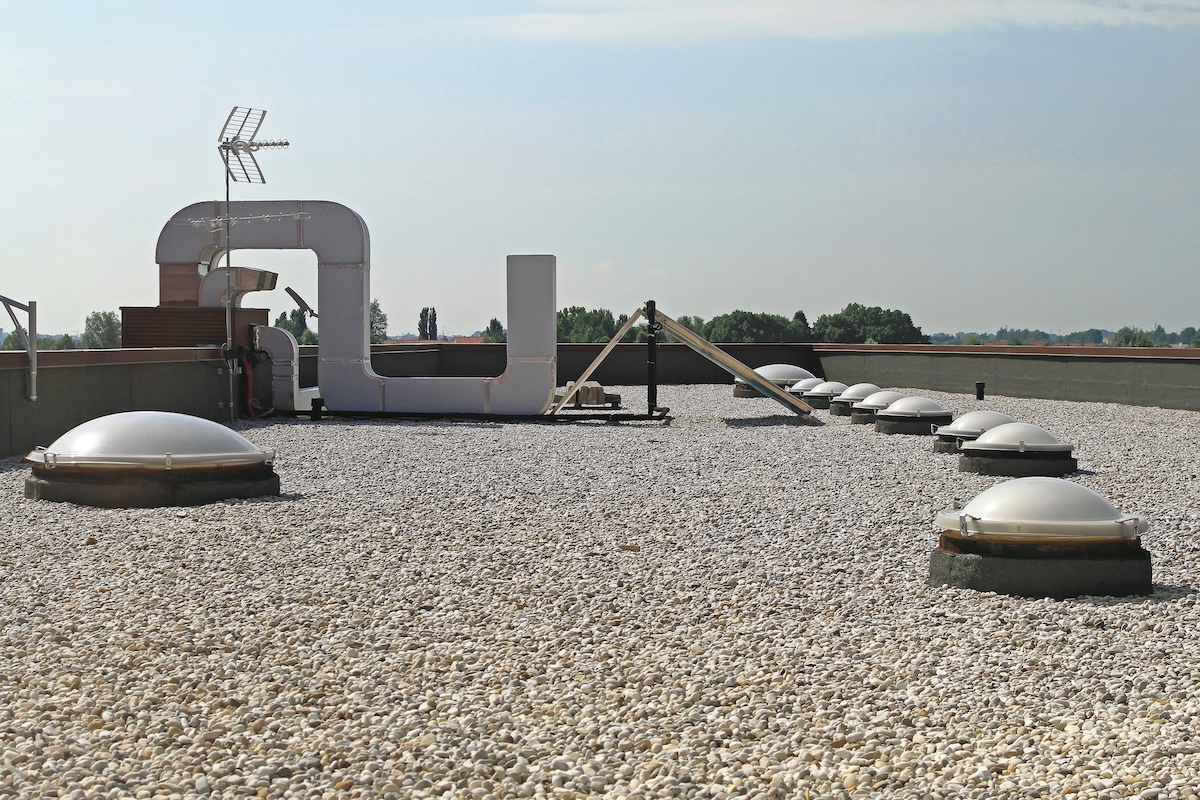

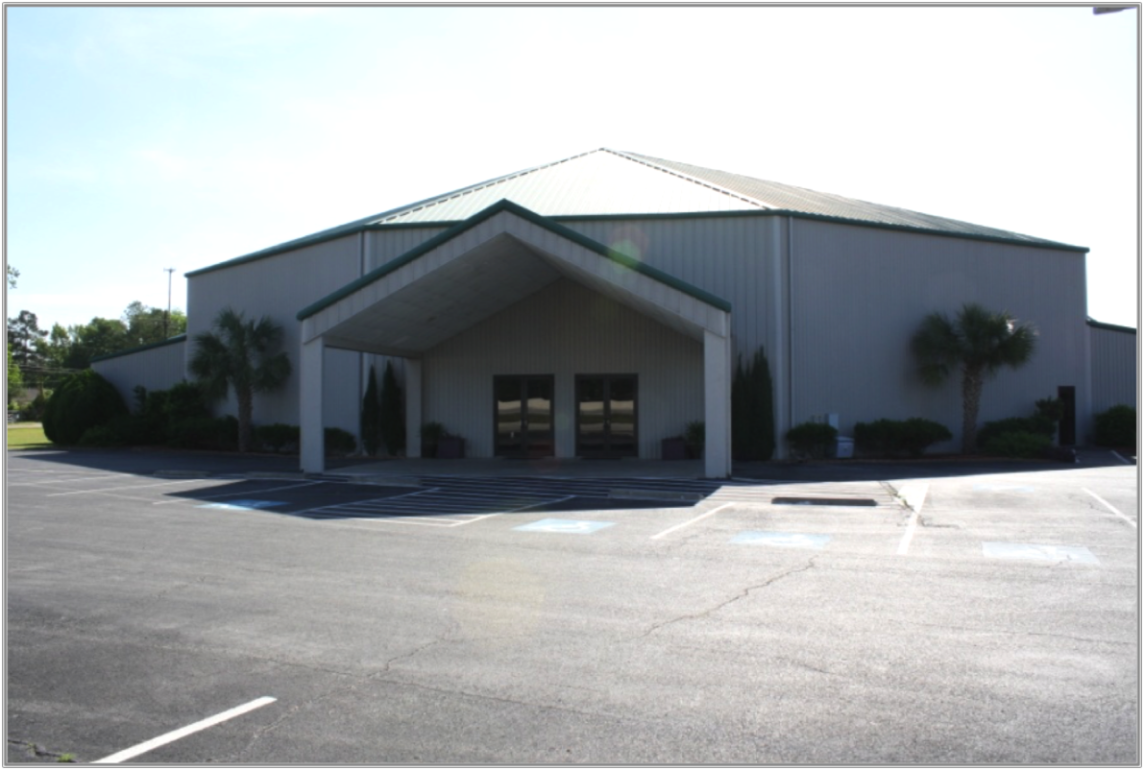
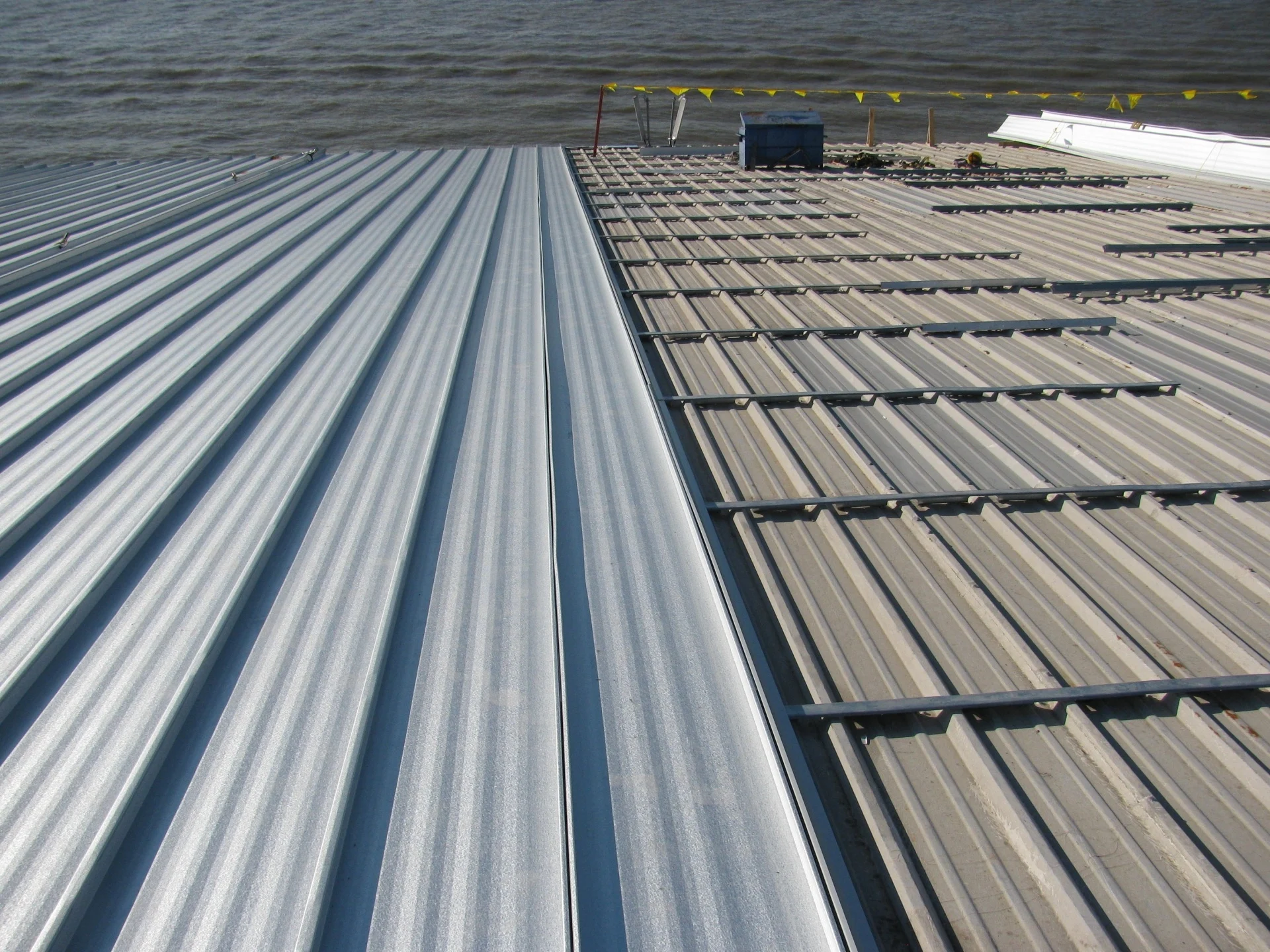
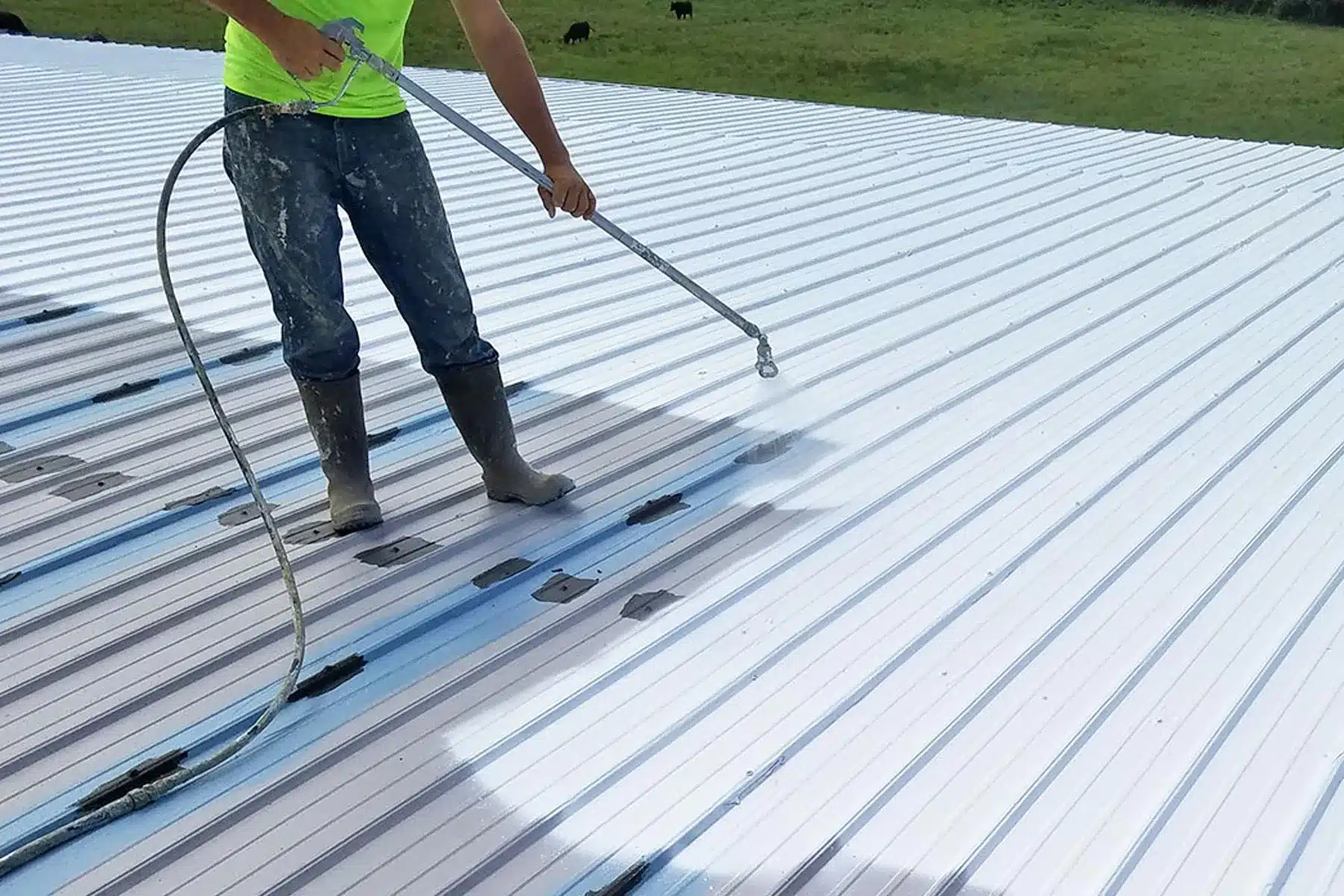
The reflexive assumption about a wet commercial roof is that rain found a way in. Across Miami-Dade, a real share of the roof failures we repair run the opposite direction: moisture driven up into the assembly by humid air from inside the building. We are called to roofs where the membrane is intact and the flashings are sound, yet the insulation beneath is soaked, the surface is blistering, and long ridges have heaved up across the field. That is the fingerprint of trapped interior moisture, and patching the surface without addressing what is feeding it just buys a few months before the same problem returns.
Miami's climate makes this failure mode unusually routine. The outdoor air carries heavy moisture for most of the year, and inside many commercial buildings the air is wetter still. When that humid interior air migrates up through the deck and hits the cold underside of an air-conditioned roof, it condenses, and the water has nowhere to drain. Over months it pools in the insulation, drives blisters into the membrane, and rots the roof from underneath. Diagnosing that correctly, rather than treating it as an ordinary rain leak, is the entire job.
The Sequence Trapped Moisture Follows Through a Roof
Interior humidity attacks a roof in a progression we watch repeat on building after building. It starts in the insulation. Saturated insulation loses most of its R-value, so cooling bills climb and the deck runs colder, which makes the condensation worse in a self-reinforcing loop. Then the moisture goes after the membrane. Vapor pressure trapped beneath it pushes the membrane up into blisters, soft bubbles that are weak points waiting to crack open into actual leaks. On hot Miami afternoons those blisters expand and contract until the membrane fatigues and splits.
Ridging is the next stage, and it is most visible on built-up and modified bitumen roofs. As moisture moves through the insulation joints and the assembly cycles between expansion and contraction, long raised ridges telegraph up through the surface along the board seams. Ignored, the felts crack along those ridges and the roof finally opens. By the time an owner notices a stain inside a warehouse off Okeechobee Road, the assembly overhead may be broadly saturated rather than leaking at one tidy point. Our job is to find the full extent of the wet area, not just the spot that finally let go and dripped through.
- Saturated insulation that has lost its R-value and is quietly driving up cooling costs
- Blisters in the membrane raised by vapor pressure pushing up from beneath
- Ridging along insulation seams on built-up and modified bitumen roofs
- Interior stains that surface well away from the actual saturated zone
The Vapor Barrier That Was Never There, or Never Sealed
The component meant to stop all of this is the vapor retarder, the layer that blocks humid interior air from migrating up into the roof. On plenty of older Miami commercial buildings it was simply never installed, or it went in without sealed laps and penetrations, which leaves an open highway for moist air. On buildings re-roofed without anyone accounting for the vapor drive, a new membrane can actually make matters worse by sealing in moisture that used to find its way out.
When we diagnose a humidity-damaged roof, we read the whole assembly, not just the top layer. We determine whether a vapor retarder exists, whether it is continuous, and whether the building's interior conditions are pushing more moisture into the roof than it was ever designed to handle. The remedy follows the answer. Sometimes it is a properly detailed vapor retarder integrated into a recover. Sometimes it is removing and replacing saturated insulation and rebuilding the assembly so it can actually dry. Repairing the surface while ignoring the vapor drive is exactly how a roof ends up failing a second time.
The Miami Operations Whose Roofs Are Always at Risk
Certain businesses generate so much interior moisture that their roofs are under chronic assault, and Miami has them in abundance. Commercial laundries and dry cleaners pump enormous volumes of water vapor into the air. Food processors and commercial kitchens run hot, wet interiors all day. Refrigerated warehouses and cold-storage facilities along the airport and seaport corridors create steep temperature swings across the deck that drive condensation hard. Indoor pools, car washes, breweries, and grocery operations with heavy refrigeration loads all push humidity up into their roofs every hour they operate.
For these buildings, generic roof maintenance misses the real problem. The roof is fighting a moisture source that runs every day the doors are open. We tailor both the diagnosis and the repair to what the building actually does inside, because a commercial laundry near Hialeah and a dry-goods warehouse in Medley carry completely different moisture loads even when their roofs look identical from the street.
We Map the Wet Zone Before We Open the Roof
You cannot repair what you have not located, and in a humidity-damaged roof the wet zone is rarely obvious from above. We map the saturated areas before any repair begins, using moisture-survey methods that include infrared scanning, which reveals where wet insulation holds heat differently than dry insulation. Where it adds certainty, we pull core samples to confirm exactly how far the moisture has migrated and how many layers of the assembly are caught in it.
That mapping is what keeps the repair both efficient and honest. If only a defined section of insulation is saturated, we cut out and replace that section, dry the area, and tie the new work into the existing membrane with proper detailing. If the moisture has spread across most of the roof, we tell the owner plainly that spot repairs will not hold and that a recover with a real vapor retarder is the durable answer. Either way the decision is driven by what the survey shows, not by a guess from the parking lot.
- Infrared moisture surveys to map the full extent of saturated insulation
- Core sampling to confirm how many layers of the assembly are holding water
- Targeted removal and replacement of wet insulation where the damage is contained
- Recover with an integrated vapor retarder where moisture has spread roof-wide
Repairs Built for Miami Heat and Humidity
A humidity repair in Miami has to respect the conditions it will live in. New insulation and membrane have to go in dry, which means working around the afternoon storms and the high ambient moisture that can compromise an assembly the moment material is left open. We sequence the work so saturated material comes out, the deck and remaining assembly get a real chance to dry, and the new layers go in clean, with seams and penetrations detailed so the surface stays watertight and the vapor drive is controlled from then on.
We also look at whether anything inside the building can be changed to ease the load, because the most durable roof repair is one that is not fighting an overwhelming moisture source from below. Improving interior ventilation or exhaust sometimes cuts what the roof has to handle by a meaningful margin. We flag that when we see it, even though it sits outside the roofing scope, because it directly governs how long our repair will last.
Start With a Diagnosis That Tells You the Truth
If you have a commercial roof in Miami showing blisters, ridges, soft spots underfoot, climbing cooling costs, or stains that do not line up with any obvious leak, the cause may well be coming from inside the building. Treating those symptoms as routine rain leaks is the most common and most expensive mistake we are brought in to correct, and it is the one that sends owners back to the same patch year after year. We open every one of these jobs with a genuine diagnosis, map the moisture, and then recommend the smallest repair that will actually hold. Reach out and we will assess the roof, explain what the assembly is really doing, and lay out repair options that address the source instead of just the surface.