Occupied Building Reroofing
Miami, FL · Services
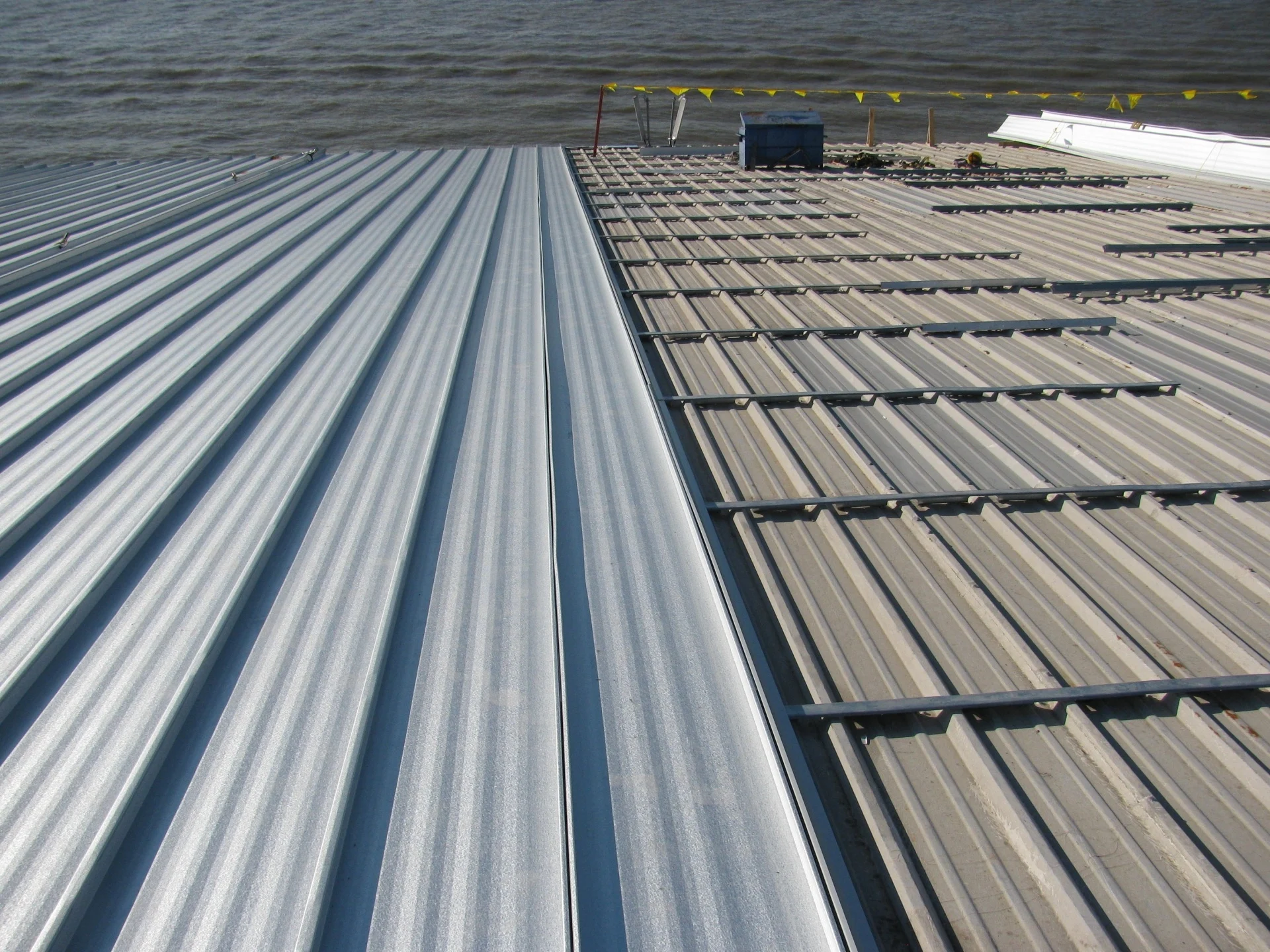
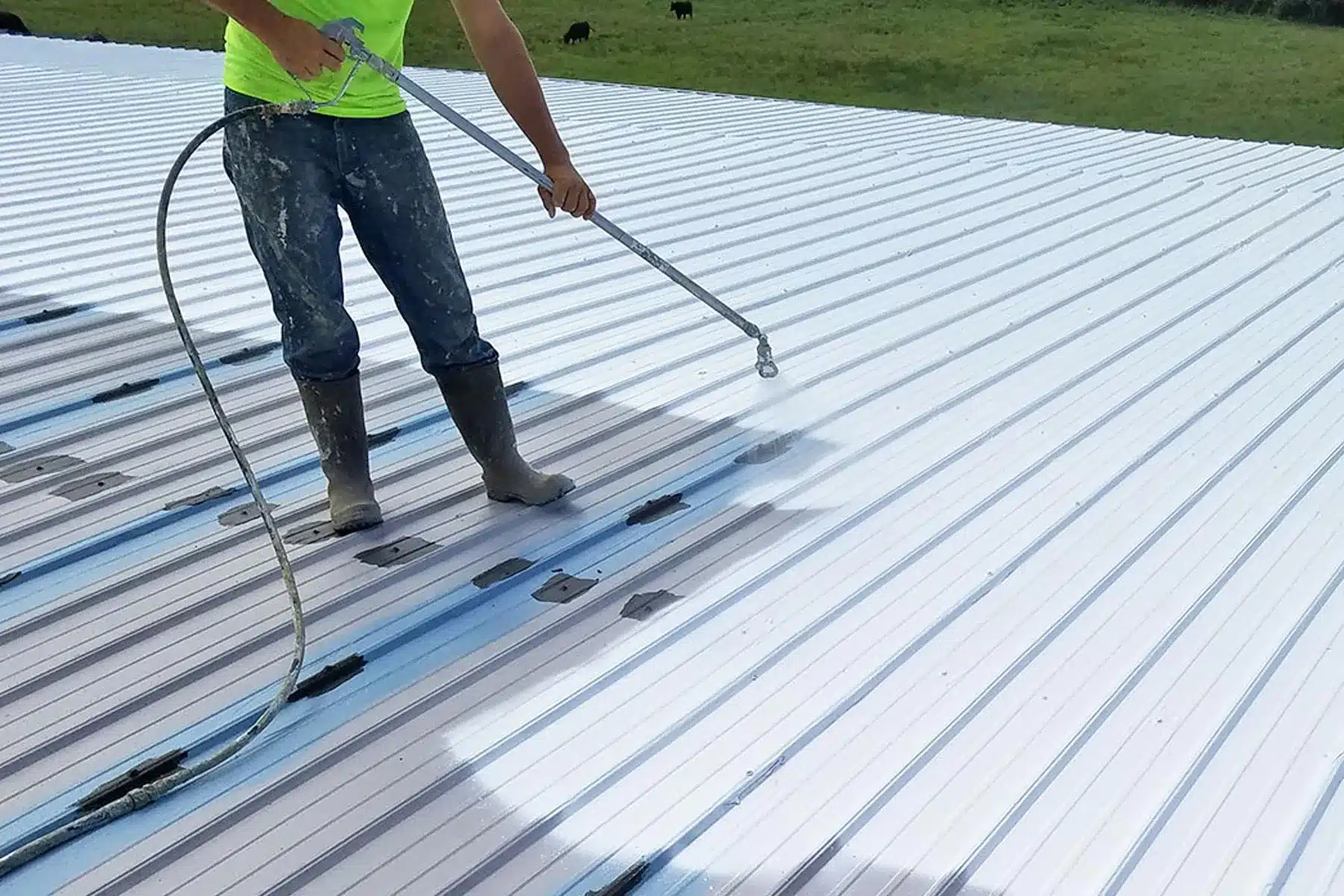
Occupied Building Re-Roofing for commercial buildings across Miami.
Most commercial roof replacements in Miami-Dade get scoped reactively. The roof leaks after a king-tide event, or a tropical storm exposes failed perimeter flashings, and someone calls three contractors for bids. The lowest bid wins, the new membrane goes on the same insulation against the same parapet detailing — and then leaks again in two years. We do not work that way.
Our replacement scope starts with a roof walk and a moisture-core pull on any roof we suspect has saturated insulation from chronic water intrusion. We document deck condition, parapet flashing condition, drain status, every penetration, and every prior repair. The replacement scope then specifies the membrane (with its Miami-Dade Notice of Acceptance number), the insulation stack compliant with Florida Energy Code R-value requirements, the fastener density to FBC HVHZ wind-uplift design, the manufacturer warranty path, and the maintenance contract that keeps the warranty active.
Miami-Dade's product approval system matters in ways it does not in most other markets. If a roof assembly — membrane, insulation, fastener pattern, and adhesive system — does not have an active Miami-Dade NOA for the complete assembly as installed, the system is not code-compliant regardless of how well the individual components perform. We specify only assembly systems with current NOA approvals, and we document the approval numbers at closeout.
When Replacement Is the Right Call in South Florida
Recover-versus-replace is the first decision in any aging-roof scope. We pull moisture cores in five to ten representative locations on roofs we suspect have insulation saturation. If more than 25% of cores read wet, replacement is the honest scope — recovering wet insulation traps moisture, creates a perfect mold environment in Miami's humidity, and voids the new manufacturer warranty. If under 25%, a recover with targeted insulation replacement at wet areas can extend the asset another 15 to 20 years at roughly half the capital cost of full replacement.
Deck condition is the second decision. Corroded metal deck or rotted wood sheathing drives the project into a different cost band. In Miami's coastal humidity environment, deck corrosion on older pre-1992 buildings is more common than owners expect — especially on roofs that have had chronic water intrusion. We pull deck inspection ports under wet cores and at visible deflection points before the replacement scope is finalized.
FBC HVHZ compliance is the third decision. Any roofing system installed in Miami-Dade must comply with the Florida Building Code's High-Velocity Hurricane Zone requirements. The key variables are the fastener density in field, perimeter, and corner zones — the three zones that carry progressively higher wind-uplift design pressures per ASCE 7 and the FBC. Buildings close to Biscayne Bay or with open-exposure roof edges require more conservative perimeter fastening than inland buildings sheltered by adjacent structures.
What the Replacement Scope Specifies
Membrane and NOA: TPO 60-mil or 80-mil for most Miami commercial buildings — every manufacturer's TPO system we specify carries an active Miami-Dade NOA for the complete assembly. EPDM 60-mil for buildings with high mechanical traffic or specific owner preference. PVC 50-mil or 60-mil for restaurants and high-chemical exposure. Modified bitumen for buildings where the recover path makes cost sense and a compliant NOA-approved assembly exists. We do not install any assembly that lacks a current Miami-Dade product approval.
Insulation: We spec to Florida Energy Code minimum R-25 for low-slope commercial, often higher depending on building use and utility cost analysis. The stack typically runs polyiso primary insulation with a cover board — HD polyiso, gypsum board, or high-density polyiso depending on membrane manufacturer's installation requirements. Tapered insulation packages are designed against the existing drain layout and documented ponding patterns.
Fastener pattern: Designed against FBC HVHZ wind-uplift requirements using the ASCE 7 design pressure for the specific building, zone (field, perimeter, corner), and exposure category. Biscayne Bay waterfront buildings and rooftop edges with open exposure get the most conservative pattern. All fastener patterns are submitted as part of the Miami-Dade permit application.
Manufacturer warranty: 20-year NDL (no-dollar-limit) warranty is standard for most TPO and EPDM systems. PVC can carry 25-year warranties. The warranty path requires documented annual maintenance — we build that into every replacement closeout.
How We Sequence the Project
Pre-construction: Permits filed with Miami-Dade Building Department (or the relevant municipal building department for Coral Gables, Miami Beach, or other incorporated municipalities), pre-job meeting with the building's facility manager to set crane placement and material lay-down zones, tenant notification distributed, parking and ingress/egress plan documented. Miami-Dade's building department permitting timelines run 3 to 6 weeks for commercial roofing permits — we file early.
Production: Tear-off staged in 5,000 to 10,000 sq ft sections with same-day dry-in on each section, so the building is never exposed overnight. Miami's afternoon thunderstorm pattern from June through October means production work starts at 6 AM and dry-in is complete by 1 PM. Hurricane season (June 1 through November 30) requires heightened daily weather monitoring — we maintain emergency tarping materials on every active project during hurricane season.
Closeout: Punch walk with the building's facility manager and our project manager, manufacturer warranty inspection with the manufacturer's field representative, Miami-Dade final inspection and certificate of completion, closeout package delivered — warranty document, NOA approval documentation, photo-keyed zone diagram, maintenance contract.
Frequently asked questions
What is a Miami-Dade NOA and why does it matter for my roof replacement?
NOA stands for Notice of Acceptance — Miami-Dade County's product approval process for building materials used in the High-Velocity Hurricane Zone. Every roofing assembly installed in Miami-Dade must have an active NOA that covers the complete system as installed: membrane, insulation type, attachment method, and adhesive or fastener system. If a contractor installs a system without a current NOA — even if the individual components are high quality — the installation is not code-compliant and will fail Miami-Dade final inspection. We specify only NOA-approved assembly systems and document the approval numbers in the permit application and closeout package.
How long does a Miami commercial roof replacement take?
For a 50,000 sq ft single-story commercial building with no deck replacement and no major structural issues: approximately 3 to 4 weeks of production from tear-off through closeout, assuming no hurricane weather delays. Add 3 to 6 weeks for Miami-Dade permitting before production starts. During hurricane season we build weather contingency into every production schedule.
Will my building be exposed to rain during the replacement?
No. We tear off only what we can dry-in the same day. During Miami's summer rainy season (June through September), we structure production phases to reach same-day dry-in before the typical 2 to 3 PM afternoon thunderstorm window. Each section gets a temporary dry-in — single-ply membrane lap with mechanical fasteners — before the crew leaves for the day. We do not leave the building's interior exposed overnight.
Do you work on buildings in Coral Gables, Miami Beach, and other incorporated cities?
Yes. Coral Gables, Miami Beach, Hialeah, Doral, Opa-locka, and other incorporated municipalities each have their own building departments and permit processes, but all still operate under Miami-Dade's HVHZ requirements and product approval system. Our project managers are familiar with each municipality's specific permitting requirements and inspection schedules.
Get a written replacement scope for your Miami building.
Our project managers will walk the roof, pull moisture cores if the recover-vs-replace decision depends on them, and deliver a written scope detailed enough to bid against — with NOA numbers and wind-uplift design included.
Occupied Building Re-Roofing in Miami, FL requires a phased work plan approved by the building owner before mobilization. Each phase defines the open roof area for that work day, the temporary protection strategy if weather interrupts the schedule, the access route that avoids tenant entrances and parking areas, and the daily dry-in standard that must be met before the crew leaves the site. For occupied building re-roofing in Miami, the dry-in requirement is non-negotiable: no open membrane section stays unprotected overnight.
OSHA 1926.502 fall protection requirements apply to every occupied building re-roofing project. Workers on low-slope roofs more than six feet above the lower level must be protected by guardrails, safety nets, or a personal fall arrest system. For occupied building re-roofing in Miami, the fall protection plan also has to account for the people below: tenant notifications, sidewalk protection at eave edges, and daily housekeeping to prevent debris from becoming a pedestrian hazard are all part of the scope before a nail gun fires.
Material staging for occupied building re-roofing requires site-specific coordination. Tear-off material cannot block tenant loading docks, fire exits, accessible parking spaces, or HVAC fresh air intakes. For occupied building re-roofing in Miami, we review the site plan before scheduling delivery, identify crane or forklift staging windows that minimize operational disruption, and establish a debris disposal sequence that keeps dumpsters from occupying tenant or customer spaces for more than one work day.
Contingency planning separates quality occupied building re-roofing from a project that becomes a tenant relations problem. A weather delay at the wrong moment in an occupied building re-roofing sequence can leave a building exposed overnight. We build contingency dry-in materials into the initial mobilization, keep the facility contact informed of forecast changes, and document every weather decision so the owner has a clear record of protective measures taken. Contact Commercial Roofing at or to discuss occupied building re-roofing for your Miami property.
Questions Owners Ask
We review tenant operations, loading dock schedules, access routes, forecast windows, and daily dry-in capacity to build a phase sequence that keeps the building protected and operations running.
Workers within six feet of an unprotected roof edge must be protected by guardrails, safety nets, or a personal fall arrest system. The fall protection plan is submitted before work begins.
We provide the building owner with a daily work summary, notify affected tenants in advance of work near their spaces, and designate a single point of contact for questions during the project.
Pre-staged contingency dry-in materials are deployed to protect any open section. The facility contact is notified, and the phase plan is adjusted to keep the building protected while rescheduling lost time.
Explore More
- Standing Seam Metal Roofing
- Warehouse Roofing
- Restaurant Roofing
- Solar Roof Integration
- Roof Leak Repair
- Silicone Roof Coating
- Infrared Moisture Scanning
- About