Restaurant Roofing
Miami, FL · Services
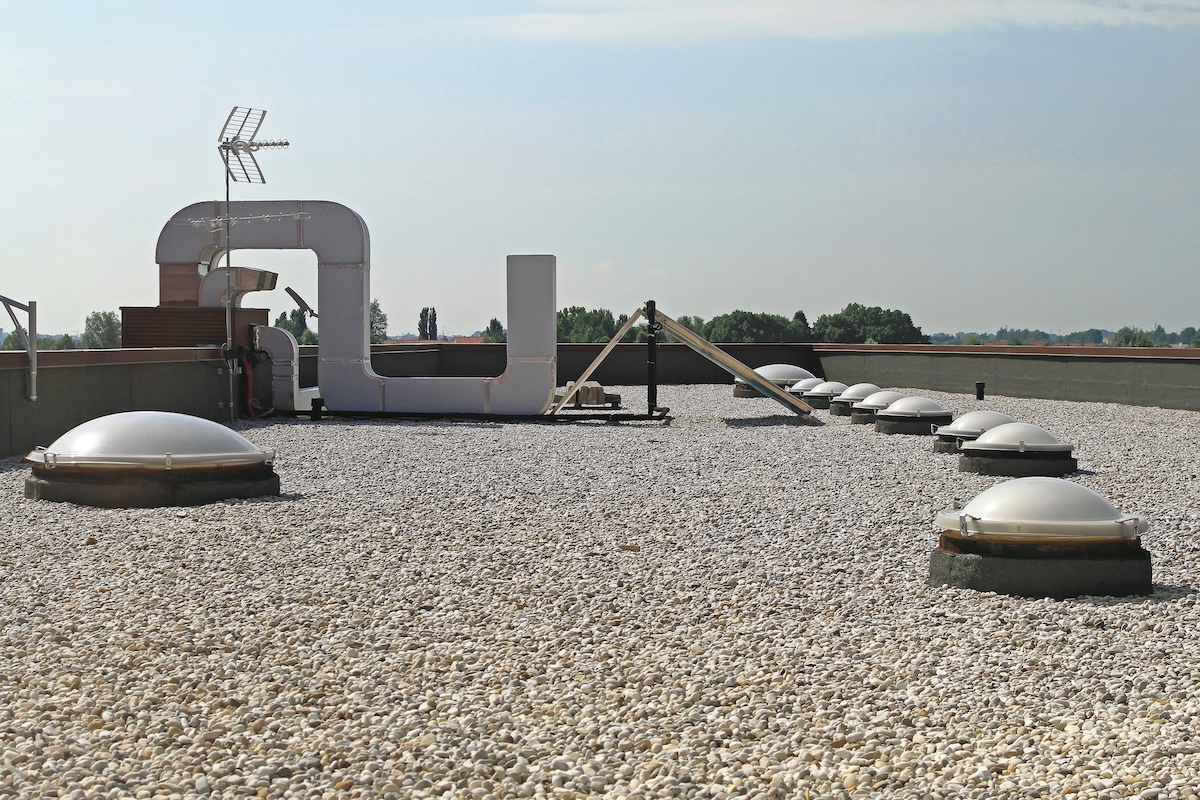
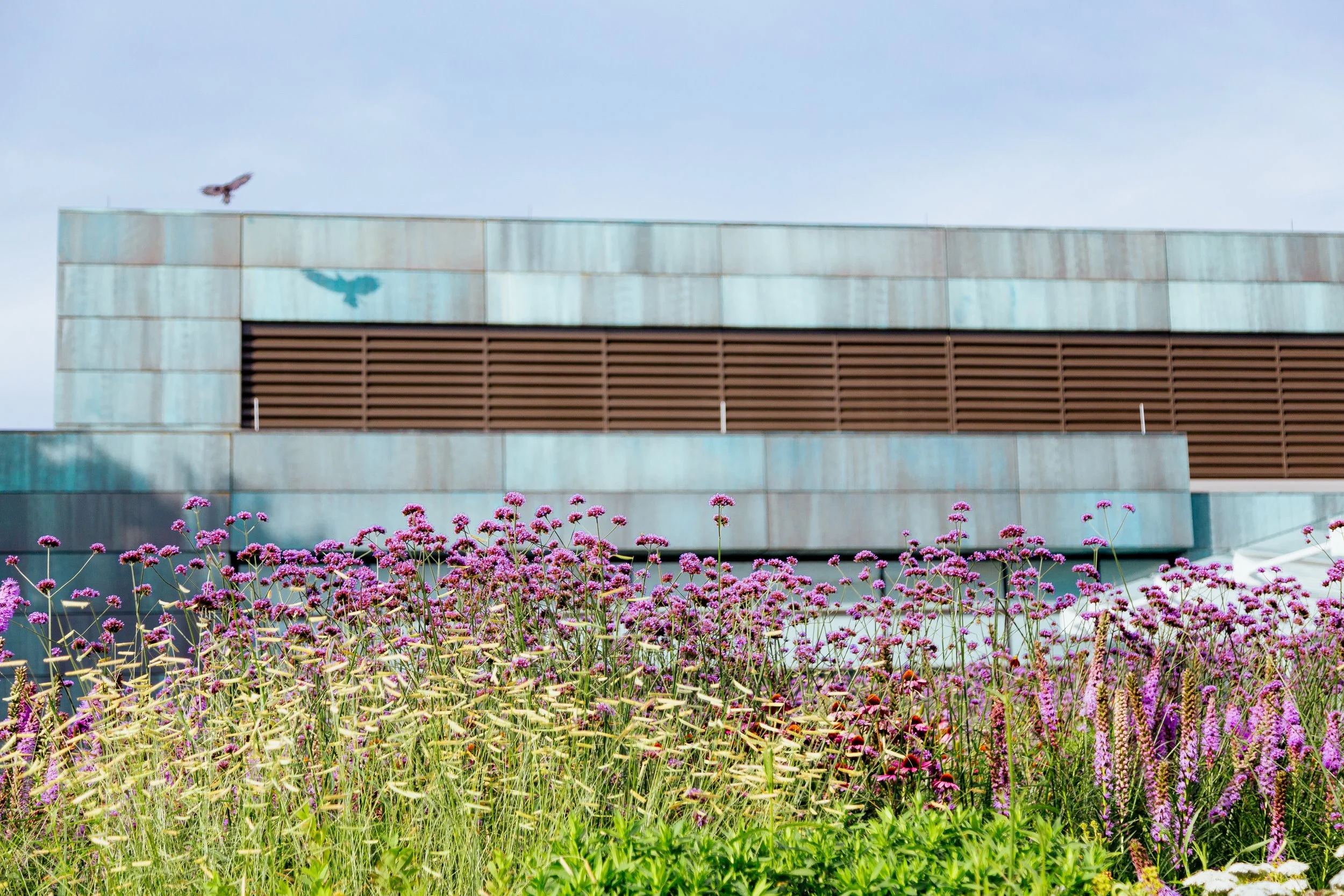
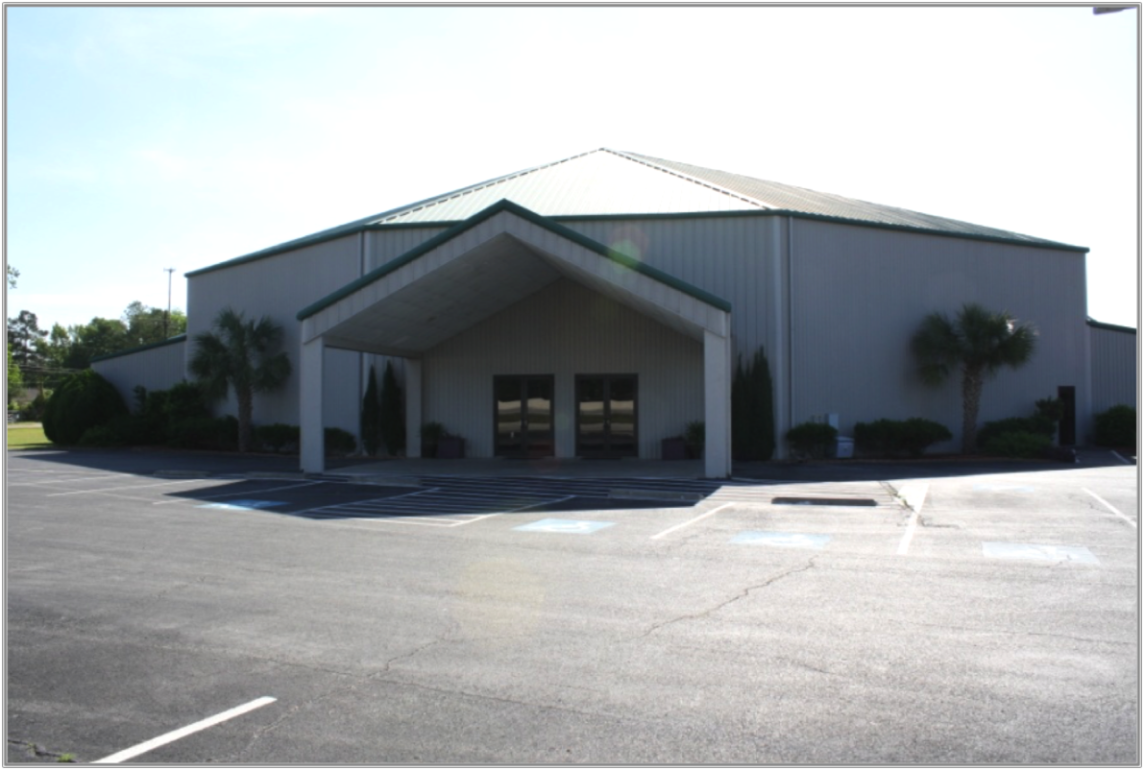
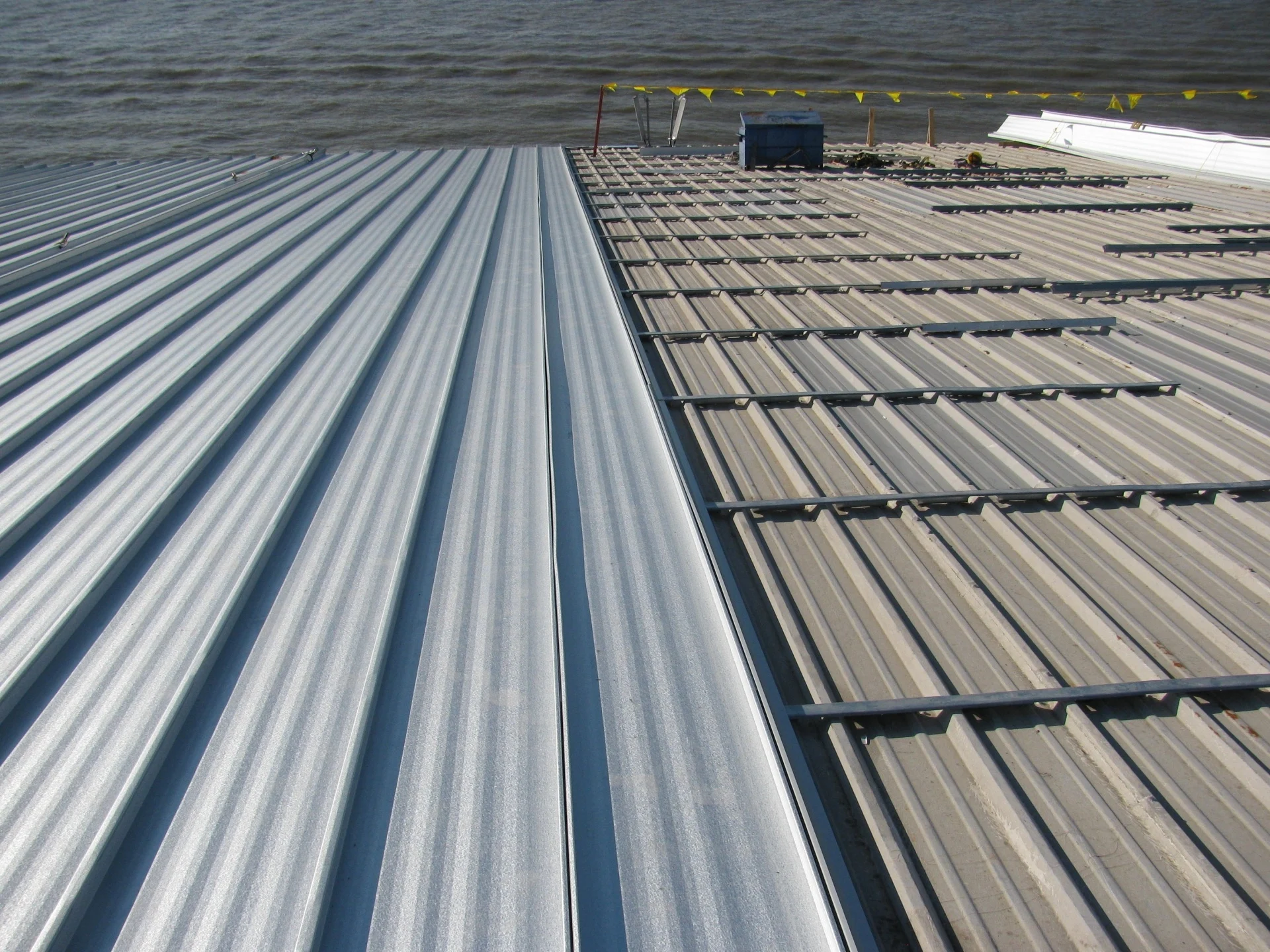
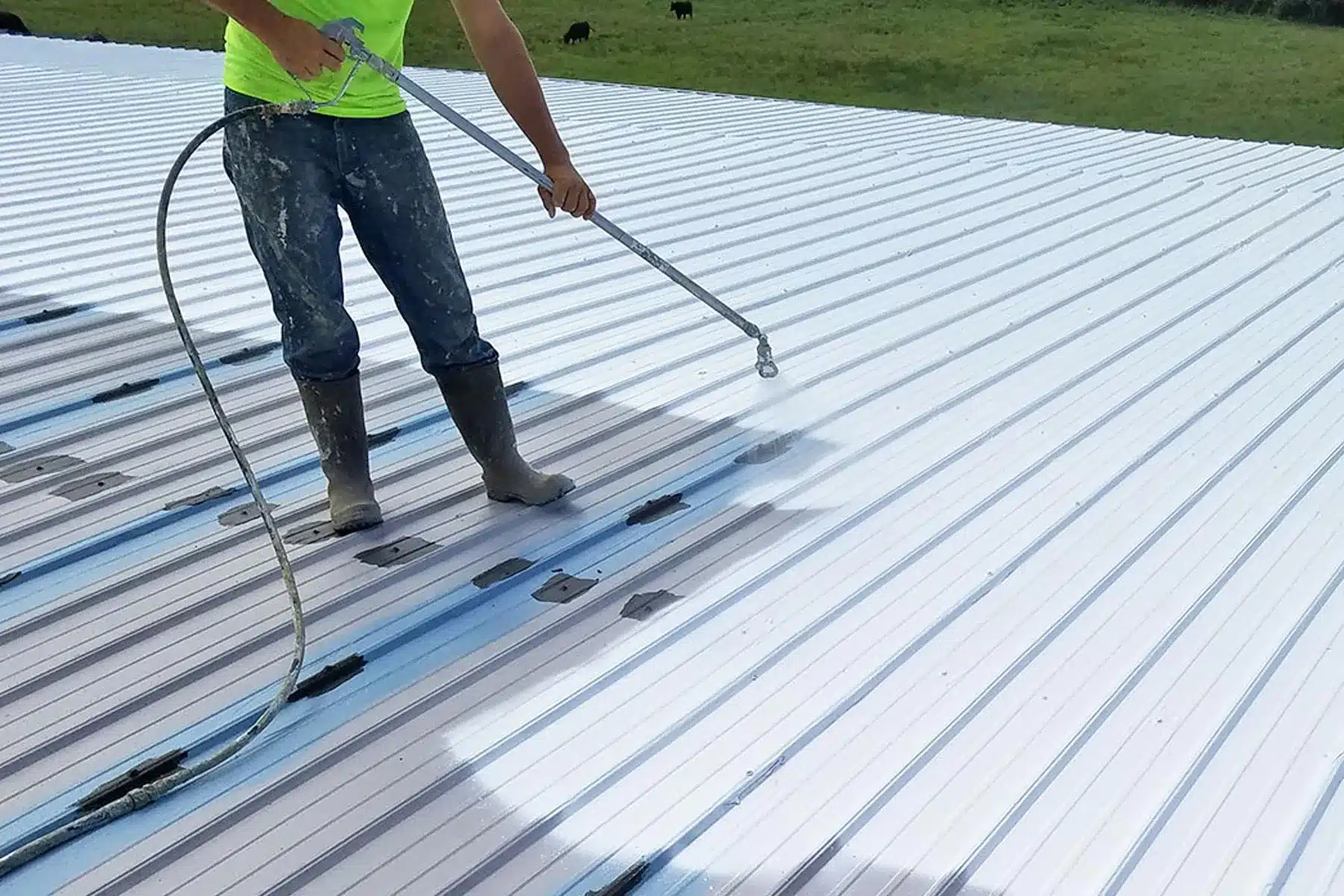
Commercial roofing for restaurants, quick-service chains, breweries, and food service facilities throughout Miami, FL.
Miami's restaurant industry operates at a pace few cities can match. From the neon-lit counters of Little Havana's ventanitas to the packed outdoor terraces of Brickell's steakhouses and the sprawling kitchen footprints of Wynwood's craft breweries, commercial food-service buildings here face roofing challenges that are shaped as much by the tropics as by the demands of high-volume cooking. A flat or low-slope roof above a working kitchen in Miami needs to perform in ways that a standard commercial roof simply doesn't.
Grease exhaust is the first conversation any Miami roofing contractor worth hiring will want to have. Restaurants running multiple hood systems generate persistent grease-laden vapors that exit through roof penetrations and settle on membrane surfaces over months and years. In a climate where afternoon thunderstorms and 90-percent humidity are routine from May through October, that grease residue traps moisture and accelerates membrane breakdown faster than in drier climates. TPO and PVC membranes are the right choice for Miami food-service roofs precisely because their thermoplastic chemistry resists grease degradation better than traditional EPDM, and both carry NSF-certified formulations that hold up in the heat.
Walk-in coolers and freezers present a second major concern for Brickell tower restaurants and the strip-center fast-food franchises lining Coral Way and Bird Road. The roof area directly above a walk-in unit experiences dramatic thermal cycling: the ceiling is kept near freezing while the Miami sun bakes the membrane above it. That cycle creates condensation within the roof assembly, and when moisture migrates into the insulation, R-value collapses and energy bills climb. Proper vapor retarder placement and fully adhered membrane installation around walk-in curbs are non-negotiable details during any Miami restaurant re-roof.
The QSR corridors along Flagler Street and the franchise clusters near Dolphin Mall and Doral keep roofing crews busy because franchise standards are unforgiving. Corporate brand managers require that rooftop equipment curbs meet specific flashing heights, that HVAC clearances pass inspection, and that the roof system carries a manufacturer warranty acceptable to the franchise agreement. Local crews who understand both Florida Building Code requirements and national franchise curb-mount specs can complete scope documents that satisfy both, avoiding costly rework on opening day.
Miami-Dade's wind design requirements are among the strictest in the country, a direct result of the hurricane seasons that have rewritten the local building code since Andrew in 1992. Every roofing assembly installed on a restaurant or taproom here must carry a Notice of Acceptance issued by Miami-Dade County. That NOA process tests membrane attachment at corner zones, perimeter zones, and field zones separately, because wind uplift loads are highest at roof edges. Quick-service chains that cut corners and install a membrane system without a valid NOA face permit failures and potential liability if a storm causes roof failure during business hours.
The brewery and taproom segment along Wynwood Arts District and in the emerging Little River corridor adds its own complexity. Fermentation and brewing operations generate both heat and moisture, and many taprooms occupy older concrete-block or tilt-wall buildings that have seen decades of deferred roof maintenance. When a taproom owner calls for a re-roof, the existing deck frequently has wet insulation pockets that infrared scanning and nuclear moisture surveys will reveal. Removing saturated insulation before installing new cover board and a TPO membrane is the only legitimate path; otherwise moisture continues migrating and the new warranty is voided within months.
Health code compliance runs through every restaurant roofing project in Miami-Dade County. The county's environmental health division inspects commercial kitchens, and inspectors routinely note roof-related deficiencies: mold on ceiling tiles tracing back to a slow membrane leak, pest entry points at deteriorated flashing, standing water on the roof above a prep area. Resolving those citations quickly requires a roofing contractor who has worked with health department timelines before and knows how to document completed repairs in a format the inspectors accept for re-inspection scheduling.
Minimizing downtime is a financial priority that differs sharply between a Wynwood taproom open only evenings and weekends versus a Brickell fast-casual restaurant turning tables from 11 a.m. through midnight seven days a week. Miami roofing contractors who specialize in food-service work schedule tear-off around kitchen close times, stage materials to avoid blocking delivery lanes, and can complete a full TPO re-roof in sections so a portion of the kitchen remains operational throughout. That operational continuity planning is part of the bid conversation, not an afterthought.
Seasonal timing matters in Miami in ways it doesn't in northern states. The dry season from November through April is the preferred window for major restaurant re-roofing because rain delays are less frequent and the membrane welding process benefits from lower ambient humidity. Owners who wait until summer to address a failing roof often find themselves patching through hurricane season, compounding risk with every tropical system that forms in the Atlantic. Getting a roof assessment in the fall and booking a winter installation slot is the standard approach Miami food-service operators use to protect their kitchens, their health permits, and their revenue.
Frequently asked questions
Is built-up roofing still installed on new Miami commercial buildings?
Rarely on new construction. BUR has largely been replaced by TPO and PVC single-ply membranes for new commercial low-slope construction in Miami-Dade. Modified bitumen — a close relative of BUR using polymer-modified asphalt plies — is still specified for specific applications, particularly in recover configurations and on buildings where foot traffic and mechanical abuse favor the thicker ply system. We install and maintain both BUR and modified bitumen on existing buildings but rarely specify BUR for new construction.
How do I know if my 1980s Miami office building's BUR system is still viable?
A moisture survey is the starting point — either electronic moisture probing or infrared thermography. If insulation saturation is below 25 percent by area and the deck is sound, a recover with targeted wet-area removal and a new mechanically attached membrane or modified bitumen cap is often viable. If saturation is widespread or the deck is deteriorated, replacement is the honest scope. We provide the moisture survey data and the deck inspection findings as part of the assessment so the decision is based on documented condition rather than a contractor's estimate.
Can a BUR system be recovered with TPO in Miami-Dade?
Yes, when the BUR substrate is dry, the deck is sound, and an NOA-approved recover assembly exists for the specific BUR type and TPO system combination. We verify the NOA approval before designing the recover specification. Not all TPO manufacturer systems have Miami-Dade NOA approvals for BUR recover configurations — the approval list is assembly-specific.
What is the typical service life of a Miami BUR system?
A well-installed BUR system in Miami conditions typically provides 20 to 30 years of service life before significant rehabilitation is required. Miami's high UV intensity, surface temperatures exceeding 160 degrees F, and coastal salt environment accelerate asphalt oxidation and ply adhesion degradation relative to inland markets. Pre-1992 Miami BUR systems that are now 30-plus years old and have not been recovered or significantly repaired are generally past viable service life.
Get a documented BUR condition assessment for your Miami building.
Our project managers will conduct a moisture survey, pull cores at suspect locations, inspect deck condition, and deliver a written report with recover-versus-replace recommendation and cost basis — before any commitment to a scope.
Explore More
- Drain Cleaning Repair
- Modified Bitumen Roofing
- Capital Planning Support
- Multifamily Roofing
- Roof Recover Overlay
- Expansion Joint Repair
- Commercial Reroofing
- About