Roof Recover Systems
Miami, FL · Services
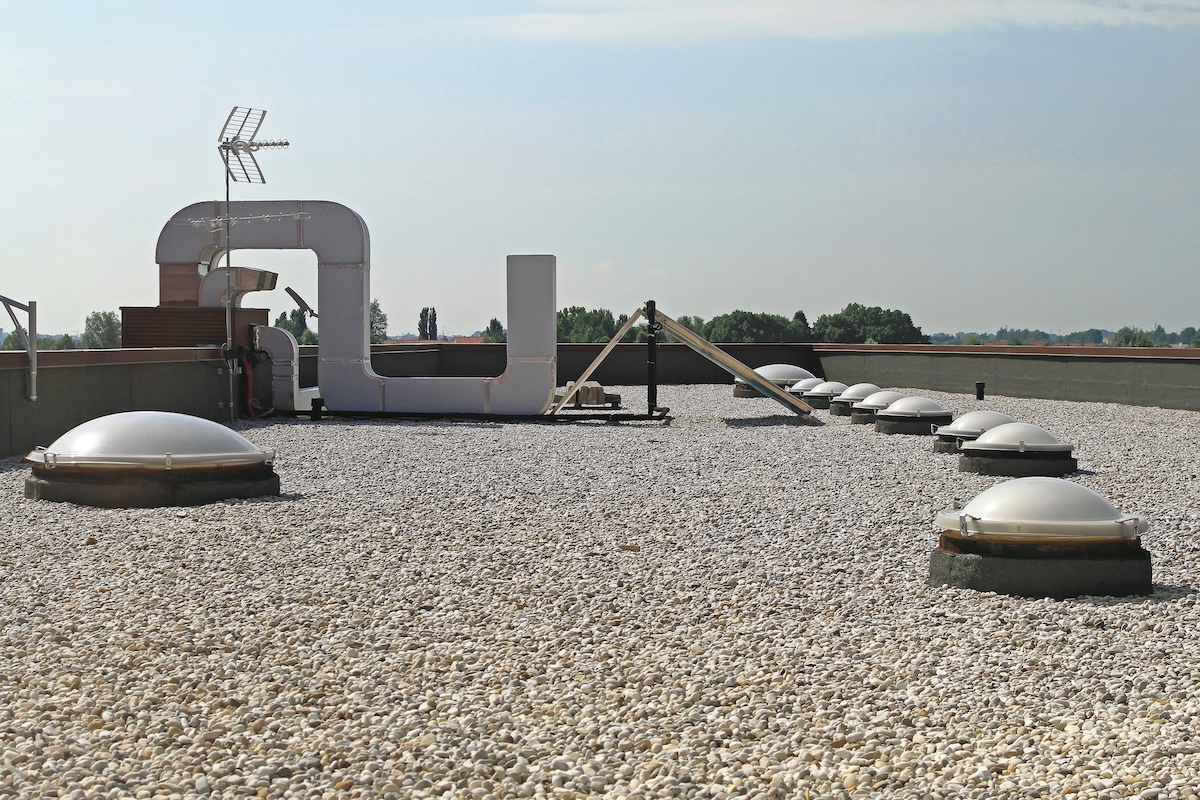
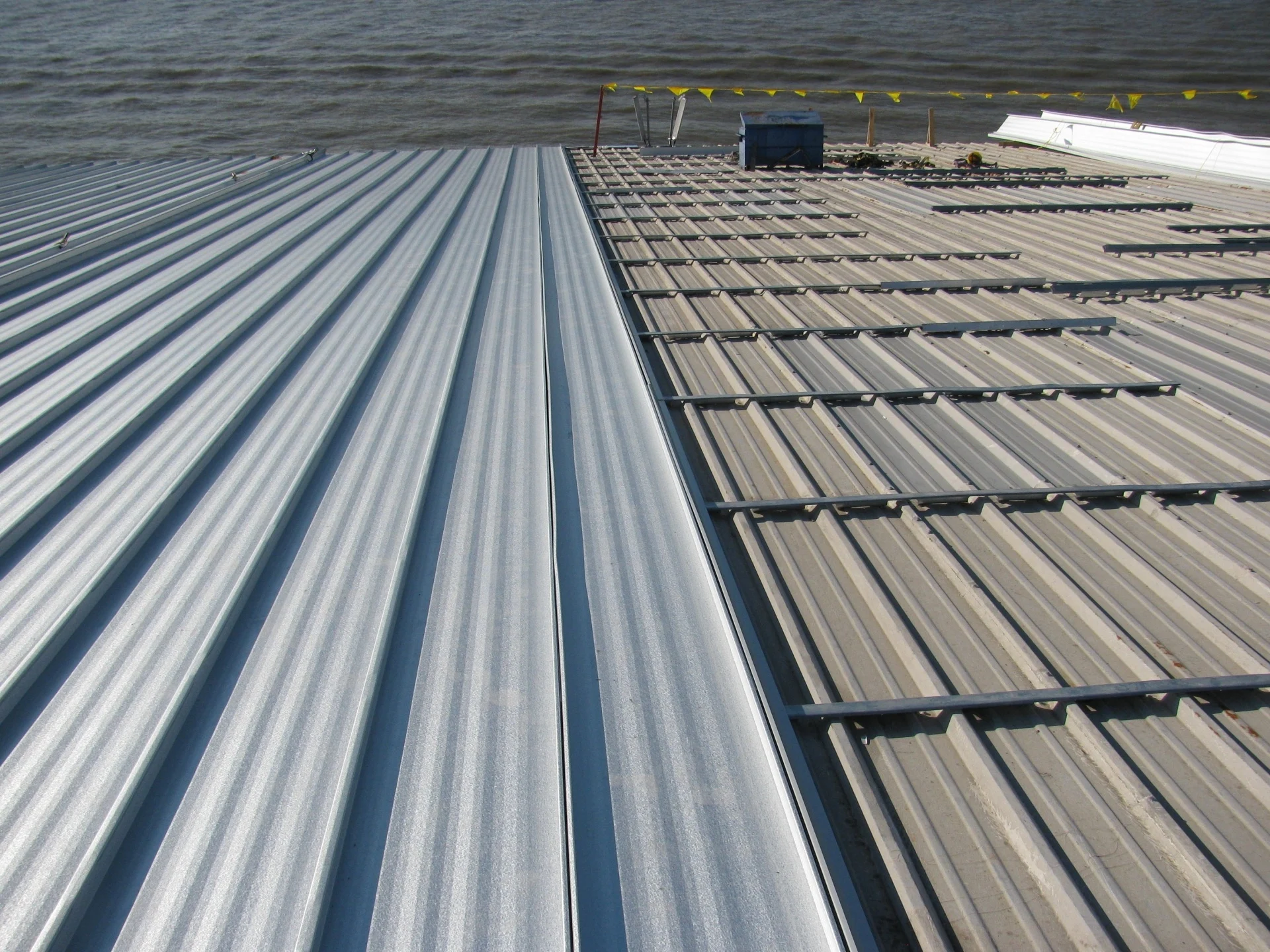
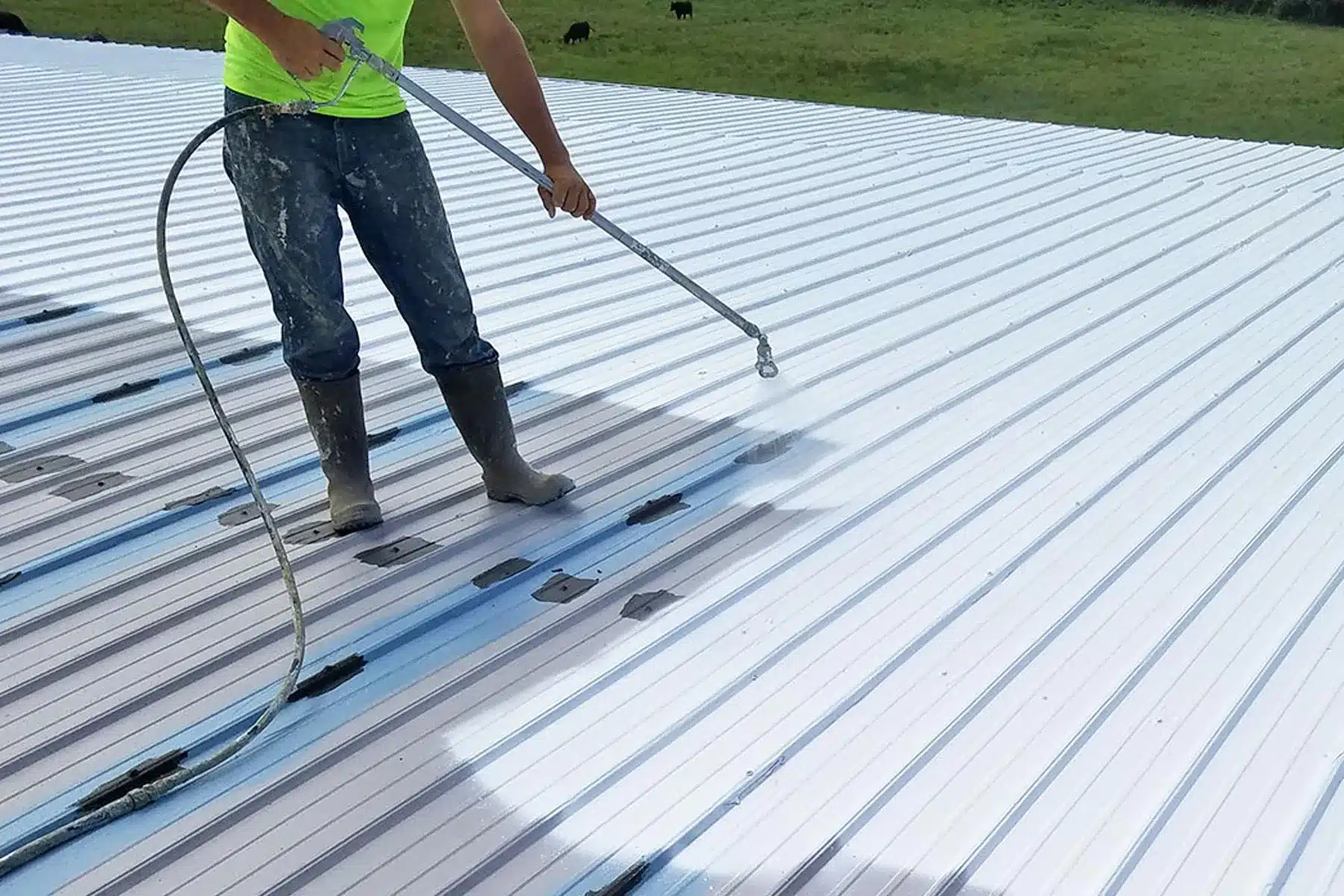
A properly scoped recover extends a Miami commercial roof asset by 15 to 20 years at roughly half the cost of full tear-off and replacement. The qualifier is properly scoped — recover over wet insulation creates a worse problem than the roof it replaced. We pull moisture cores before we quote recovers.
Roof recover — installing a new membrane system over an existing roof without full tear-off — is one of the most cost-effective tools available to Miami commercial building owners managing aging roof assets on constrained capital cycles. When the conditions are right, it defers the significantly higher cost of full tear-off and replacement while providing a new manufacturer warranty, restoring wind-uplift compliance, and qualifying for the Florida Building Code's additional insulation R-value requirement that triggers on any roof assembly that is replaced or significantly modified.
The conditions that make a recover appropriate are specific. The existing substrate — whether BUR, modified bitumen, or single-ply membrane — must be dry and structurally sound. Insulation saturation above roughly 25 percent of the roof area is the line where recover stops making sense: recovering wet insulation traps moisture permanently below the new assembly, creates mold-favorable conditions in Miami's year-round high humidity, and voids the new membrane's manufacturer warranty. Deck condition must be adequate to accept the recover board and new fastener pattern without requiring deck repair.
Miami-Dade's High-Velocity Hurricane Zone requirements apply to recover systems as fully as they apply to new roof installations. Every recover assembly we install carries a current Miami-Dade NOA for the specific combination of existing substrate type, recover board, and new membrane system. The fastener pattern for the recover board and membrane is engineered against the HVHZ wind-uplift requirements for the specific building.
Pre-Recover Assessment: What We Verify Before Designing the Scope
Moisture survey is the gating step. We conduct electronic moisture probing on all roof areas and pull physical moisture cores at locations where the probes indicate elevated moisture content. The cores confirm saturation at depth and show us the deck condition below. On a 50,000 sq ft Hialeah warehouse BUR roof, we typically pull 15 to 25 cores at representative locations — at drains, at low areas visible from post-rain observation, at parapet base flashings where water frequently ponds, and at random field locations across the dry-reading areas. The core data produces a saturation map that drives the recover-versus-tear-off decision.
If the moisture survey shows that more than 25 percent of the insulation area is wet, the honest conversation is about tear-off rather than recover. Below 25 percent saturation, we typically recommend a targeted wet-area tear-out — removing only the saturated sections to deck, installing new insulation in those areas, and then proceeding with the recover assembly over the dry balance of the roof. This hybrid approach is more cost-effective than full tear-off and provides a clean, dry substrate for the new membrane.
Drain capacity assessment is part of the pre-recover scope. A recover assembly adds thickness to the roof assembly — the thickness of the recover board and new membrane — which effectively reduces the drain bowl depth and can create ponding conditions where the original drainage was marginally adequate. We verify that drain capacity with the added assembly thickness will still drain the roof within 48 hours under Miami's design rainfall event, and we adjust drain sumps or add drains where necessary to maintain drainage adequacy.
Recover Assembly Design for Miami-Dade
The recover assembly consists of three primary components: the recover board (a rigid substrate layer attached over the existing roof), the attachment system (mechanical fasteners into the structural deck through the existing assembly), and the new membrane (TPO, EPDM, or PVC for single-ply; modified bitumen cap for BUR-compatible recovers). Each component is specified against the NOA approval for the complete assembly.
Recover board selection depends on the substrate condition and the new membrane manufacturer's requirements. High-density polyiso recover board (typically 1/2-inch to 1-inch nominal) works on most existing substrates and adds modest R-value. Gypsum board recover is used where the existing substrate has surface irregularities that would telegraph through a flexible membrane or where the membrane manufacturer requires a non-combustible cover board. Both options have Miami-Dade product approvals for specific assemblies — we verify the approval before specifying.
Fastener pattern for the recover board and membrane is engineered for the specific building. In Miami-Dade HVHZ, field zone fastener density is the baseline, perimeter zones require 1.5 to 2 times the field density, and corner zones require 2 to 3 times. On a recover, the fasteners must penetrate through the recover board, through the existing assembly, and into the structural deck — fastener length must be selected to achieve the required embedment depth in the structural substrate. We submit fastener calculations and the NOA approval number with the Miami-Dade permit application.
R-Value and Florida Energy Code Compliance in Recover Projects
Florida's Energy Code requires that any commercial roof alteration meeting certain triggers — including recover projects that replace the membrane system — bring the assembly up to the current minimum R-value for low-slope commercial roofing in Climate Zone 1 (Miami-Dade's zone). The current requirement is R-25 for most commercial occupancies. Many pre-2010 Miami commercial buildings have insulation assemblies below R-25, and a recover project triggers the upgrade requirement.
The practical implication is that recover board selection often includes additional polyiso insulation to meet the R-value requirement rather than just the minimum thickness needed for the recover substrate. A building with R-19 existing insulation needs to add approximately R-6 of polyiso in the recover board to meet the R-25 requirement. We calculate the existing insulation R-value from the as-built documents (or estimate from core sample thickness if as-built documents are unavailable) and specify the recover board to achieve compliance.
Tapered insulation in the recover layer is sometimes used to improve drainage on roofs with inadequate slope to drain. Adding a modest taper — 1/4 inch per foot — in the recover board at low areas can eliminate chronic ponding that has persisted through the life of the original membrane. We evaluate drainage improvement opportunity as part of the recover scope, particularly on Brickell and Downtown Miami buildings where original roof slope was often designed to minimum tolerances.
Recover versus Tear-Off: The Honest Decision
The recover-versus-tear-off decision is not simply about moisture survey results. Building code limits in Miami-Dade restrict the number of roofing layers that can exist on a building — generally two layers maximum for most low-slope commercial assemblies, consistent with the Florida Building Code. A building that already has one recover installed over its original membrane is at the layer limit and must tear off before a new system can be installed. We verify the existing layer count before designing a recover scope.
Deck accessibility matters too. In some cases, the building owner needs the opportunity to inspect or repair the structural deck before closing it under a new membrane. Water intrusion over years or decades may have affected not just insulation but the deck below. If there is any indication of deck compromise — visible deflection, corrosion rust staining through the membrane, or structural consultant concern — a tear-off that provides deck access is the right scope regardless of the moisture survey results.
Frequently asked questions
How much does a commercial roof recover cost compared to full replacement in Miami?
A recover typically costs 40 to 60 percent of full tear-off replacement on the same roof area. The savings come from eliminating tear-off labor and disposal costs, which can run 15 to 25 percent of total project cost on a Miami commercial building. The recover still requires permitting, engineering for the fastener pattern, recover board, and new membrane — those costs are similar to replacement. The cost advantage exists primarily in the labor and disposal savings from skipping tear-off.
Does a roof recover require a Miami-Dade building permit?
Yes. A recover that installs a new membrane system over an existing roof is a roofing alteration that requires a Miami-Dade building permit (or the relevant municipal permit for Coral Gables, Miami Beach, and other incorporated cities). The permit application requires the NOA approval documentation, fastener pattern design, and the R-value compliance calculation for the recover assembly. We pull all required permits as part of the project scope.
Can I recover a Miami flat roof that already has one recover on it?
Generally no. Miami-Dade and the Florida Building Code limit most low-slope commercial roof assemblies to two layers of roofing — the original installation and one recover. A building with an existing recover in place must tear off before a new system can be installed. We verify the existing layer count during the pre-recover assessment and will not design a recover scope over a building that is already at the layer limit.
What membrane systems are available for commercial roof recovers in Miami-Dade?
TPO 60-mil and EPDM 60-mil are the most common recover membranes on Miami commercial buildings — both have extensive Miami-Dade NOA approvals for recover configurations over most common existing substrates. PVC is available for specific chemical-exposure applications. Modified bitumen torch-down cap sheet is used for cap-sheet BUR recovers where the existing smooth surface is appropriate. We verify the specific NOA approval for the existing substrate before specifying a recover membrane.
Get a recover-versus-replace assessment for your Miami commercial roof.
We will conduct a moisture survey, pull cores at suspect locations, verify the existing layer count, and give you a written recommendation with the cost basis for recover versus tear-off — before any commitment to a scope.
Explore More
- Multifamily Roofing
- Occupied Building Reroofing
- Roof Inspections
- Emergency Roof Repair
- Silicone Roof Coating
- Restaurant Roofing
- Standing Seam Metal Roofing
- About