Self Storage Roofing
Miami, FL · Services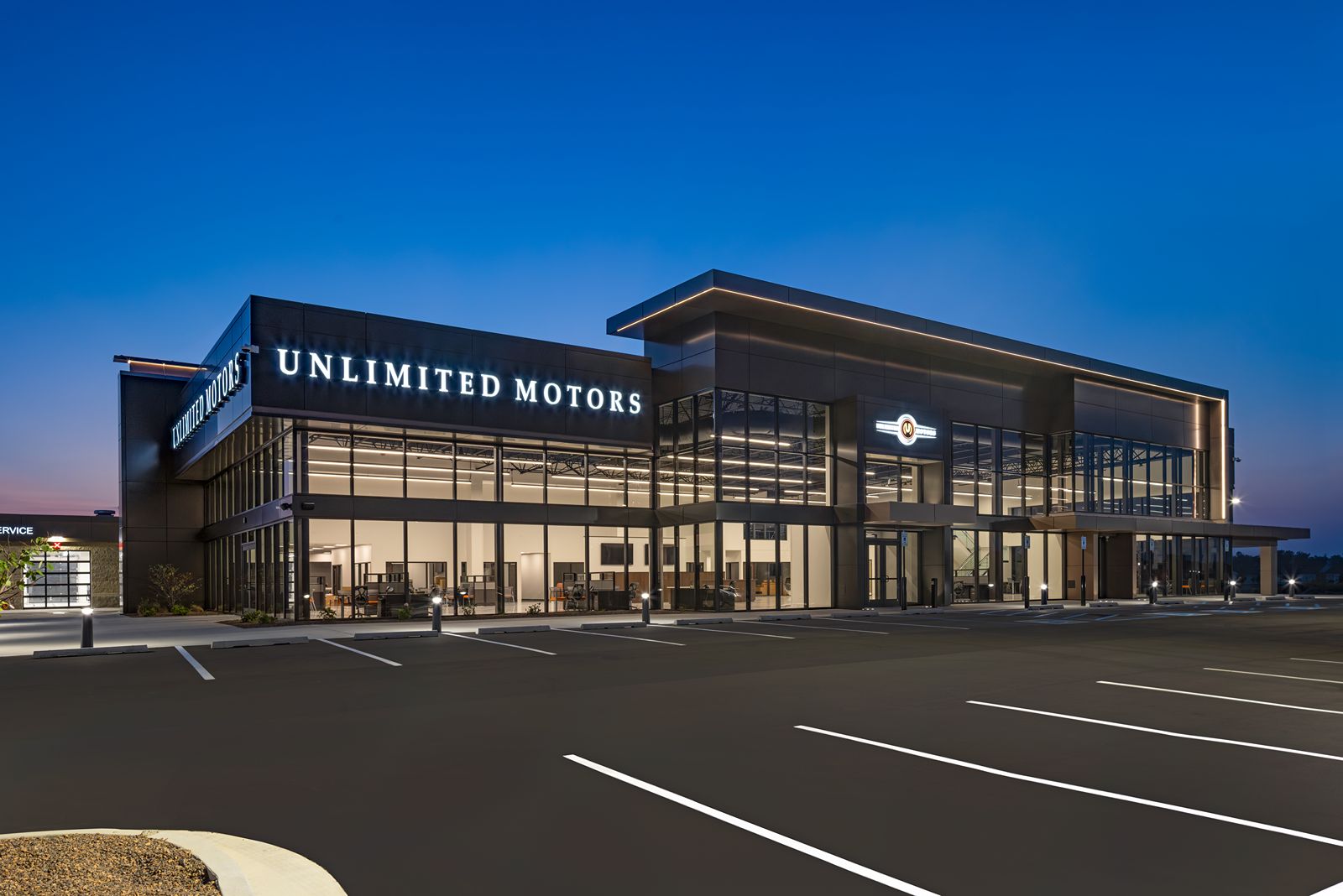
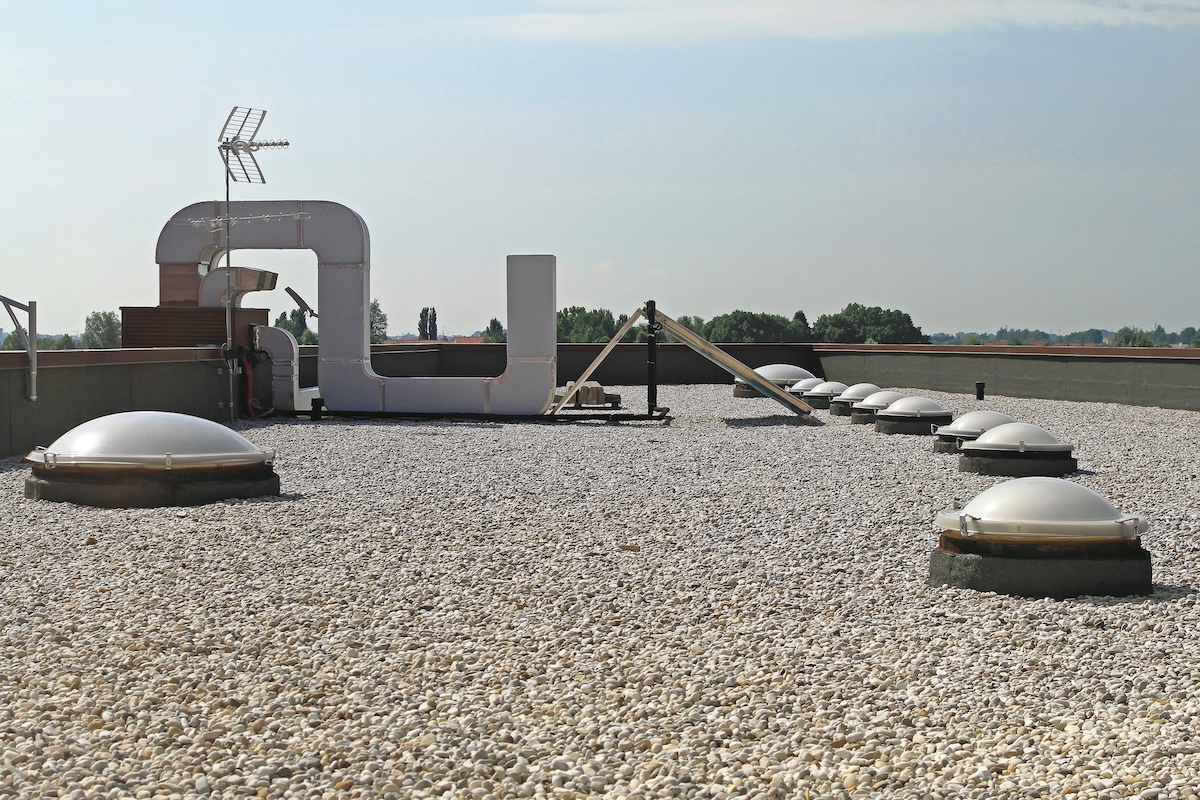

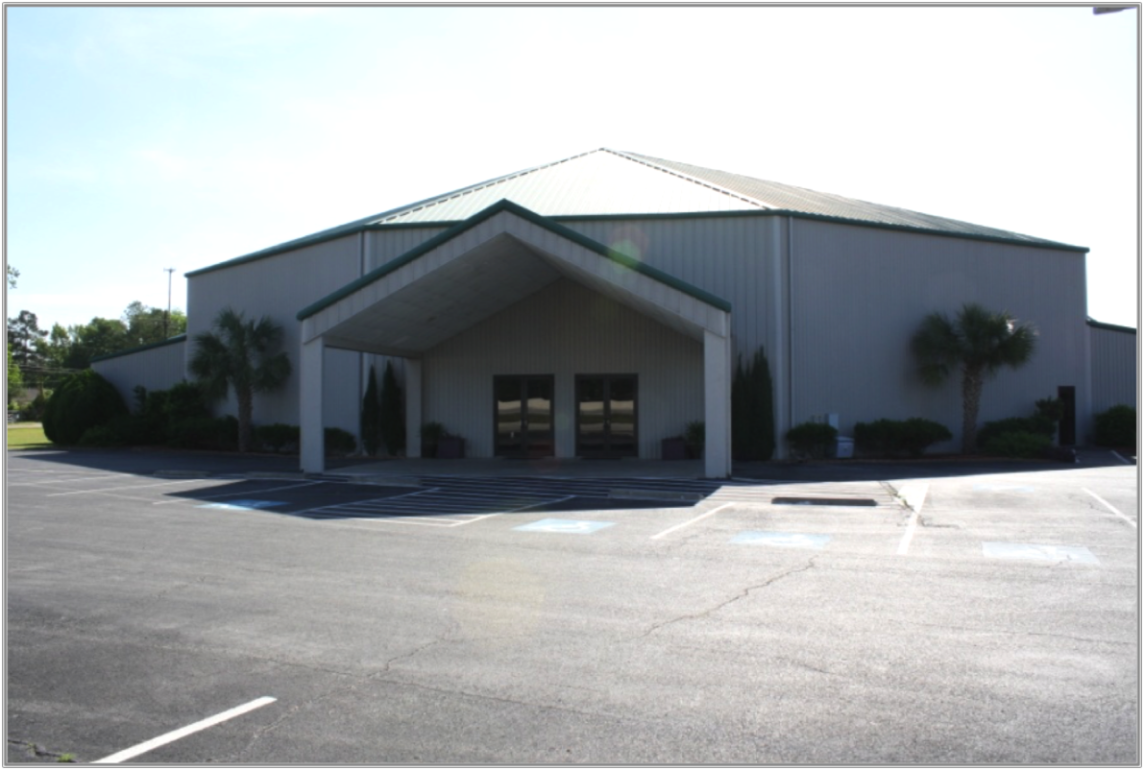
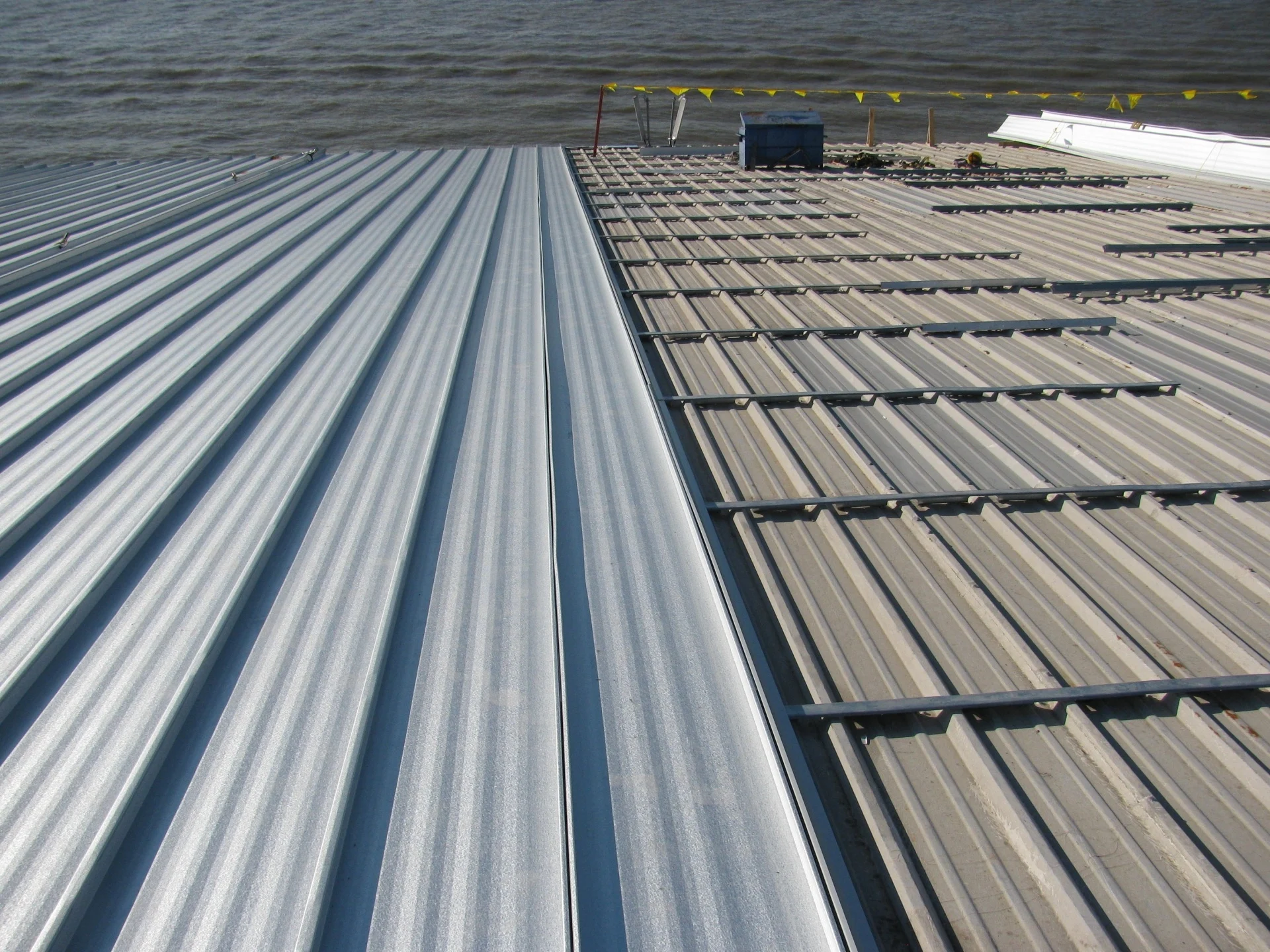
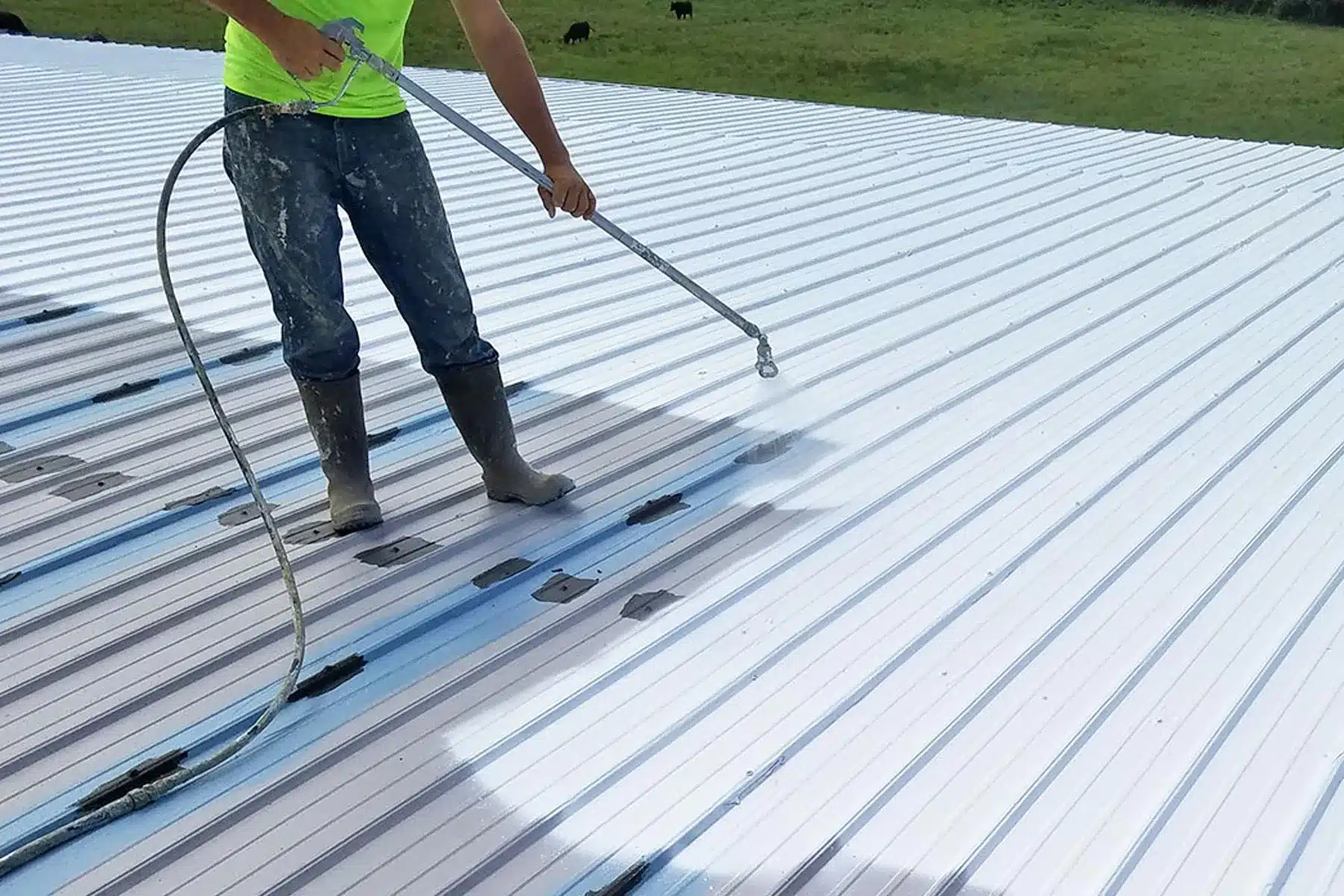
Commercial roofing for self-storage facilities, mini-storage buildings, and climate-controlled storage properties throughout Miami, FL.
Public Storage operates dozens of locations across Miami-Dade County, from high-density urban facilities in Coral Gables and Brickell to sprawling suburban campuses in Homestead and Hialeah, and every one of those properties must be engineered to survive a direct hit from a major hurricane. Miami's self-storage roofing environment is defined by the Florida Building Code's hurricane provisions — among the most demanding wind-resistance requirements in the world — and by the harsh subtropical climate that degrades roofing materials faster than almost any other major U.S. market.
Hurricane wind-resistance requirements govern every roofing decision in Miami-Dade County. The Florida Building Code High-Velocity Hurricane Zone (HVHZ) provisions apply throughout Miami-Dade and Broward Counties and require roofing systems to meet specific wind uplift resistance standards that exceed the requirements in every other U.S. jurisdiction. Products used in the HVHZ must carry Miami-Dade County Notice of Acceptance (NOA) approval — a rigorous third-party product certification that goes beyond standard FM Global ratings. Any contractor proposing HVHZ roofing work on a Miami storage facility must verify that all membrane products, insulation boards, fasteners, and edge metal components carry current NOA approvals.
Roof-to-wall connection performance is as important as membrane system performance in a hurricane. During a major storm, wind pressures at parapet walls, roof edges, and equipment curbs can exceed the design limits of improperly installed or deteriorated edge metal. FM 1-90 rated edge metal is inadequate for Miami-Dade's HVHZ; edge metal must be specified and installed to achieve the uplift resistance required by the site-specific design wind speed, which for Miami-Dade may require FM 1-120 or higher. A storage facility that loses edge metal during a hurricane is at risk of progressive membrane loss across the entire roof area.
Tenant protection at Miami storage facilities has a hurricane preparation dimension that does not exist in other markets. When a hurricane warning is issued, facility management must close the campus to tenant access while simultaneously managing last-minute arrivals who need to retrieve belongings. The roofing system's pre-storm condition assessment — part of a good preventive maintenance program — should inform the operator's decision about whether to issue precautionary tenant notifications based on known roof vulnerabilities.
Large-footprint storage campuses in Miami must manage drainage for both hurricane rainfall and the intense afternoon thunderstorms that characterize Miami's summer wet season. Miami averages 61 inches of rainfall per year, nearly all concentrated in the May-October wet season, with individual storm events capable of delivering four to six inches in under two hours. Drain capacity must be sized for these extreme events, and the combination of flat topography and high seasonal water tables means that drainage cannot rely on rapid infiltration to relieve surface ponding.
UV and heat degradation rates in Miami are among the highest in the continental U.S. Ozone concentrations near the ocean surface accelerate degradation of some elastomeric membranes, and the combination of intense UV radiation and sustained heat creates conditions where a membrane system that would last 25 years in a northern climate may deliver only 15 to 18 years of useful service without a proactive maintenance coating program. High-quality TPO or PVC membranes with demonstrated Florida track records should be specified over generic products from manufacturers without regional performance data.
Salt air exposure affects all rooftop metal components on Miami storage facilities. Parapet cap flashings, edge metal, HVAC equipment housings, conduit penetrations, and fastener heads are all subject to accelerated corrosion from the marine atmospheric environment. Stainless steel fasteners and aluminum or Kynar-coated steel flashings should be specified as standard on all Miami storage roofing projects. Galvanized metal used in non-coastal markets will have a dramatically shortened service life in Miami's salt-air environment.
Post-hurricane inspection and documentation protocols are a core competency requirement for roofing contractors serving the Miami storage market. After a major hurricane, the pace of insurance claims and the demand for roofing contractors can create a situation where property owners feel pressure to accept the first available contractor rather than one qualified for their specific project. Storage operators should pre-select and contract with a qualified roofing contractor before storm season begins, establishing a priority service relationship that includes post-hurricane inspection within 72 hours and prioritized repair scheduling.
Preventive maintenance on Miami storage properties should include pre-hurricane season inspection in May and post-hurricane season inspection in November, with immediate post-storm assessments after any significant tropical system. The May inspection should specifically evaluate edge metal condition, penetration flashing integrity, and drain function before the storm season begins. A Miami storage operator who identifies and corrects a deteriorated flashing in May avoids a potentially catastrophic failure in August.
Frequently asked questions
Is built-up roofing still installed on new Miami commercial buildings?
Rarely on new construction. BUR has largely been replaced by TPO and PVC single-ply membranes for new commercial low-slope construction in Miami-Dade. Modified bitumen — a close relative of BUR using polymer-modified asphalt plies — is still specified for specific applications, particularly in recover configurations and on buildings where foot traffic and mechanical abuse favor the thicker ply system. We install and maintain both BUR and modified bitumen on existing buildings but rarely specify BUR for new construction.
How do I know if my 1980s Miami office building's BUR system is still viable?
A moisture survey is the starting point — either electronic moisture probing or infrared thermography. If insulation saturation is below 25 percent by area and the deck is sound, a recover with targeted wet-area removal and a new mechanically attached membrane or modified bitumen cap is often viable. If saturation is widespread or the deck is deteriorated, replacement is the honest scope. We provide the moisture survey data and the deck inspection findings as part of the assessment so the decision is based on documented condition rather than a contractor's estimate.
Can a BUR system be recovered with TPO in Miami-Dade?
Yes, when the BUR substrate is dry, the deck is sound, and an NOA-approved recover assembly exists for the specific BUR type and TPO system combination. We verify the NOA approval before designing the recover specification. Not all TPO manufacturer systems have Miami-Dade NOA approvals for BUR recover configurations — the approval list is assembly-specific.
What is the typical service life of a Miami BUR system?
A well-installed BUR system in Miami conditions typically provides 20 to 30 years of service life before significant rehabilitation is required. Miami's high UV intensity, surface temperatures exceeding 160 degrees F, and coastal salt environment accelerate asphalt oxidation and ply adhesion degradation relative to inland markets. Pre-1992 Miami BUR systems that are now 30-plus years old and have not been recovered or significantly repaired are generally past viable service life.
Get a documented BUR condition assessment for your Miami building.
Our project managers will conduct a moisture survey, pull cores at suspect locations, inspect deck condition, and deliver a written report with recover-versus-replace recommendation and cost basis — before any commitment to a scope.
Explore More
- Hurricane Wind Uplift Roofing
- Commercial Roof Repair
- Built Up Roofing
- Church Roofing
- Hotel Roofing
- Infrared Moisture Scanning
- Restaurant Roofing
- About