Solar Roof Integration
Miami, FL · Services
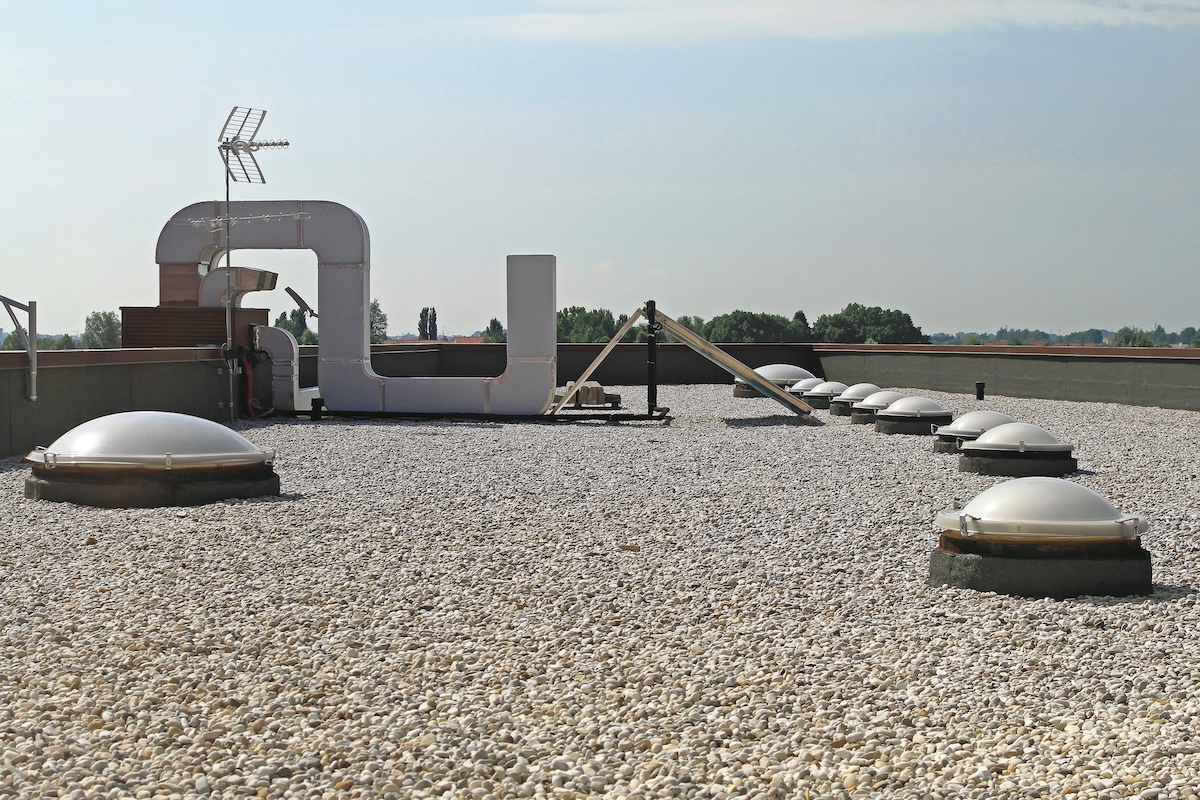

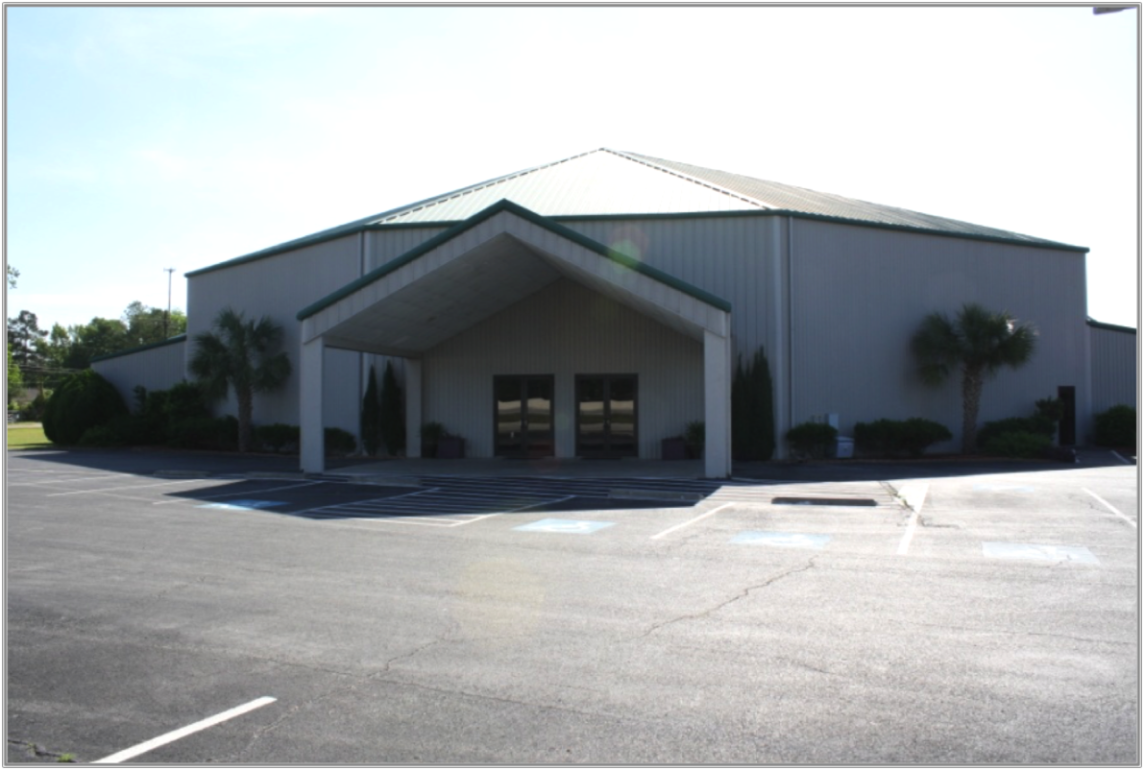
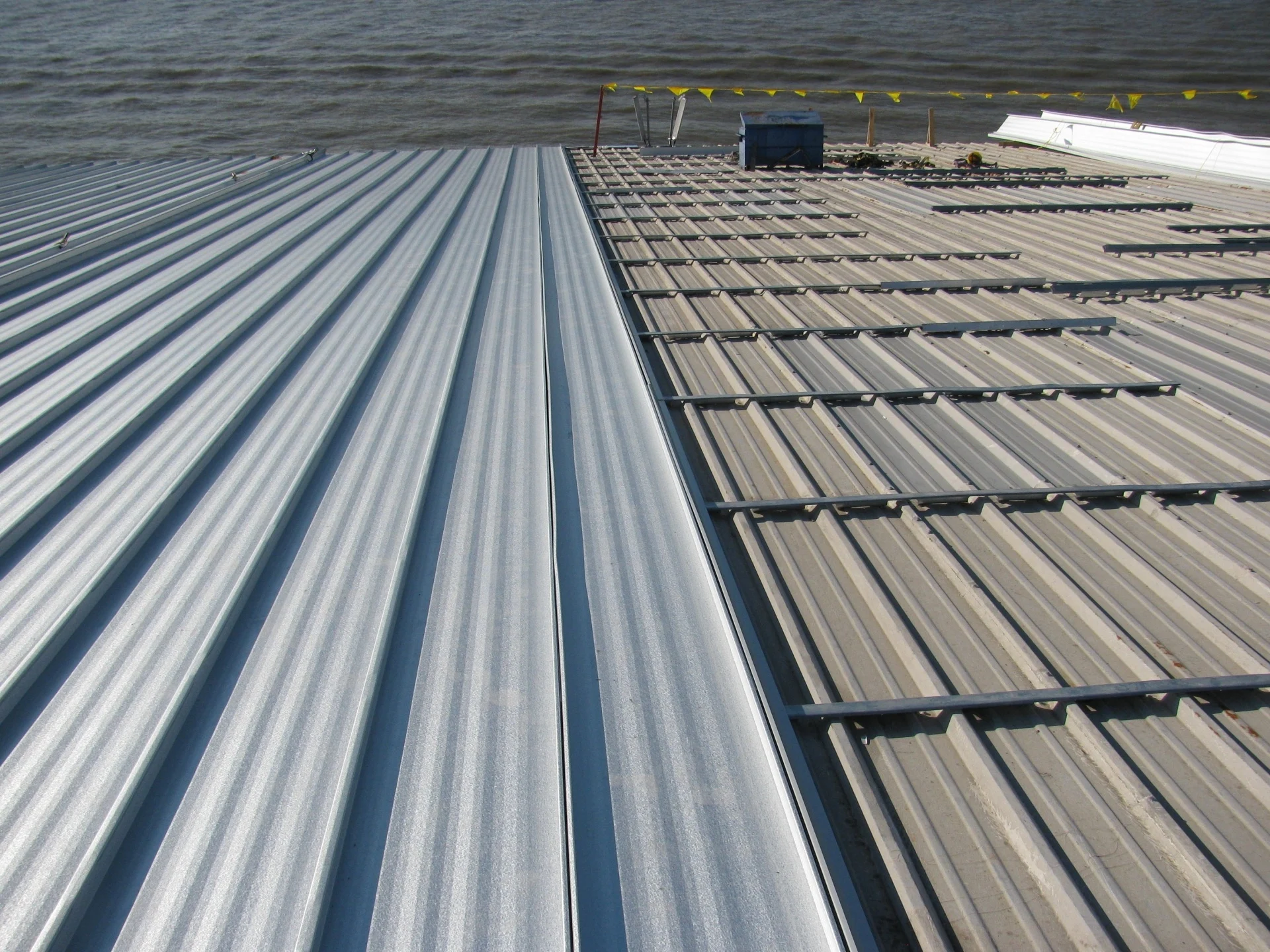
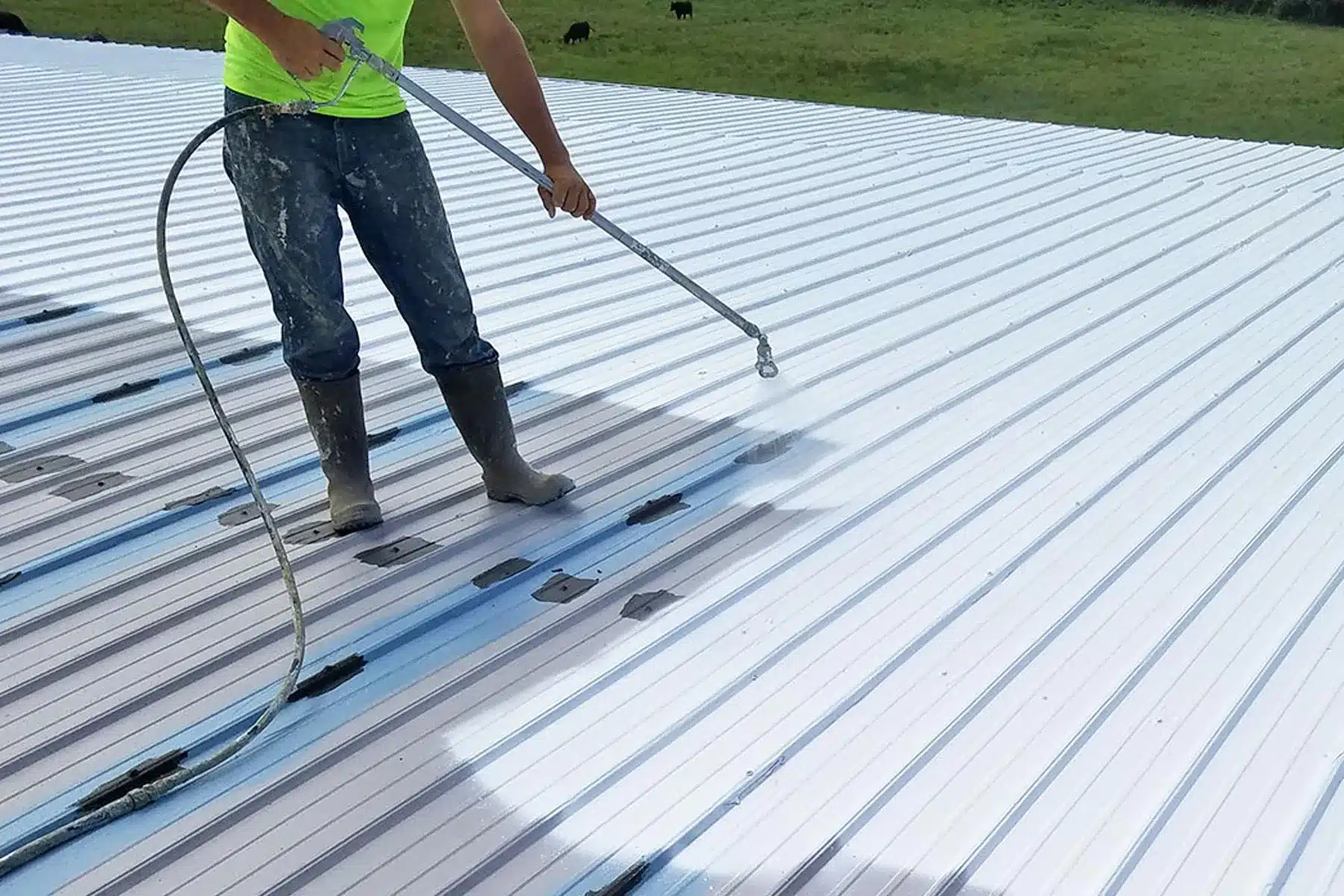
A photovoltaic system carries a twenty-five-year production warranty. The membrane it sits on may have eight years of service left. That mismatch is the single most expensive mistake we are called to untangle on commercial buildings around Miami, and it is entirely avoidable. We approach rooftop solar on low-slope commercial roofs across Miami-Dade as a roofing project that happens to involve panels, because once the array is bolted down, the roof beneath it becomes nearly impossible to service without pulling the whole system back off. Get the sequencing wrong and you have stranded a quarter-million-dollar asset on top of a roof that is already failing.
The big flat roofs along the Airport West submarket, the Hialeah manufacturing belt, and the retail rooftops feeding Coral Way are ideal canvases for solar because they are wide, unshaded, and oriented for production. But every one also has to survive inside Florida's High-Velocity Hurricane Zone, and that is where the engineering gets serious. Bolting an airfoil to a roof that must take 175-plus mile-per-hour design winds is not the same exercise it is in Miami or Atlanta. We size the whole assembly so the finished, panel-loaded roof resists wind the way the bare roof was certified to.
Why We Walk the Roof Before Anyone Talks Panel Counts
Our first visit is a condition assessment, not a sales pitch for a layout. We need three answers before a single module is specified: what membrane is up there and whether it is weldable, how many years of life it realistically has left, and whether the deck and structure can carry the load a given mounting method imposes. Skipping those answers is how solar crews end up screwing racking feet into a roof that should have been recovered first.
For a self-storage operator in Doral or an office park owner off Bird Road, this assessment is where we earn our keep. If the roof has plenty of life and a compatible membrane, we move straight to mounting design. If it is mid-life modified bitumen with marginal seams, we lay out the honest options: recover now and install onto a fresh surface, or accept that the array comes off early for a tear-off.
Penetrations: The Detail That Decides Whether the Roof Leaks
Attached racking systems anchor to the structure through the membrane, which means each stanchion is a deliberate hole in a watertight surface. On a large warehouse array that can be hundreds of penetrations, and the entire building's dryness now rests on how those feet were flashed. A solar electrician treats a mounting foot as a structural connection. A roofer treats it as a flashing detail. Both are right, and the failures happen when only the first one is in the room.
We flash every fastener-based foot with components from the membrane manufacturer's own system, so the connection is part of the roof rather than a bead of sealant hoping to hold through a Miami summer. On TPO and PVC we heat-weld boots and curbs directly into the field sheet; on EPDM we confirm the primer and adhesive chemistry before anything bonds. Where the roof and budget allow it, we steer owners toward a ballasted design instead, which holds the array down with weight and keeps the field intact. On a repositioned building in Wynwood or a logistics box near the Medley rail yards, avoiding several hundred new holes is frequently the smarter move.
- Each penetrating foot flashed with manufacturer-approved boots, curbs, or pitch pans so the roof warranty survives
- Welded details inspected after the solar crew demobilizes, not taken on faith beforehand
- Walk pads laid along every service route so future panel cleaning never abrades the membrane
- Conduit and cable trays supported clear of the deck so nothing dams water or chafes the surface
Matching the Mounting Method to the Membrane You Actually Have
There is no universal mounting system, and pretending otherwise is what kills roofs. Thermoplastic membranes like TPO and PVC accept clean welded flashings, which is why they are our first preference for any new penetrating array. EPDM is workable but demands the right bonding chemistry, confirmed in advance. The aged, gravel-surfaced built-up and granulated modified bitumen roofs that blanket Miami's mid-century commercial stock are a different story: you cannot reliably flash a post into a brittle, granule-shedding surface, so attached racking on those roofs almost always means a recover first.
We verify membrane type, remaining life, and hardware compatibility together, because they are one decision, not three. A roof with five years left and panels warrantied for twenty-five is a recover-or-replace job before it is a solar job, and we say so plainly. Layering a long-life asset over a short-life roof guarantees an early, costly tear-off that takes the whole array down with it.
Two Loads Pulling Opposite Directions on a Hurricane-Coast Roof
Every Miami solar roof has to answer to two loads at once, and they fight each other. The first is dead load. Ballasted systems can add several pounds per square foot, and across a large warehouse roof near the Port of Miami logistics corridor that is real structural weight the deck and joists have to be confirmed to carry. We get a structural review before any ballast is staged on a roof that was not designed for it.
The second load is uplift, and it is the one that puts buildings on the news. Panels behave like airfoils, and when hurricane wind sweeps a flat roof the array generates lift that concentrates at the perimeter and corners, the exact high-pressure zones where membranes themselves peel first. We engineer attachment density and ballast placement so the array meets the uplift resistance the Florida Building Code mandates for the HVHZ, tightening fastener spacing and adding ballast at the edges and corners where the storm hits hardest. On exposed roofs near Biscayne Bay or out in the open industrial flats of Medley, that perimeter work is what separates an array that rides out a hurricane from one that becomes wind-borne debris.
Closing the Warranty Gap Between Two Contractors
The trap that catches commercial owners is the seam between the solar warranty and the roofing warranty. The solar company stands behind the modules and electrical; the membrane manufacturer stands behind the roof. When water shows up around a mounting foot two years later, each side points at the other and the owner pays to find the source while they argue. We close that gap before it can open.
On an integrated project we either make the roof penetrations ourselves under our roofing scope, or we inspect and certify the solar contractor's penetrations so the manufacturer's membrane warranty explicitly survives the install. That means securing the manufacturer's pre-approval of the mounting details, photographing every flashing, and getting the solar work named in the roofing warranty as an authorized modification rather than the unauthorized one that voids coverage. The owner ends up with one party accountable for watertightness instead of a standoff.
- Manufacturer pre-approval of all mounting details so the existing roof warranty is preserved in writing
- A clear scope split naming who owns watertightness at every single penetration
- Photo documentation of each flashing turned over to the owner for their files
- One point of contact for any future leak, so there is never contractor finger-pointing
Why the Numbers Work for Miami Owners Right Now
The economics here are genuinely strong. Miami commercial buildings run air conditioning close to year-round, so peak demand lines up almost exactly with peak sun, the ideal load profile for a rooftop array to offset. Federal tax credits and accelerated depreciation pull the payback period into a range that makes sense for warehouses, retail centers, and self-storage with large unshaded roofs, and the cold-storage operators clustered around the airport and seaport, carrying enormous compressor loads, stand to gain the most.
What we add is the discipline to make sure the roof underneath never becomes the failure point. We have repaired too many leaking solar penetrations left behind by crews who treated the membrane as an afterthought. In this climate the panels are the easy part. Protecting the roof that holds them through hurricane season is the work that actually returns the investment.
How a Solar Integration Project Runs With Us
We begin at the roof and work up: a condition assessment to confirm membrane type and remaining life, a structural review for the added dead load, and a wind-uplift analysis tied to the HVHZ requirements for the building's height and exposure. From there we coordinate the mounting strategy with the solar designer, detail every penetration to the membrane manufacturer's standard, and stay on the roof to inspect the solar crew's work before the system is energized.
If you are weighing an array on a commercial building anywhere in Miami, talk to a roofer before you sign with a solar company. That order decides whether you finish with a clean twenty-five-year asset or a roof full of leaks you cannot reach. We will walk your roof, tell you honestly whether it is ready for solar, and lay out the sequence that protects both investments.