Warehouse Roofing
Miami, FL · Services
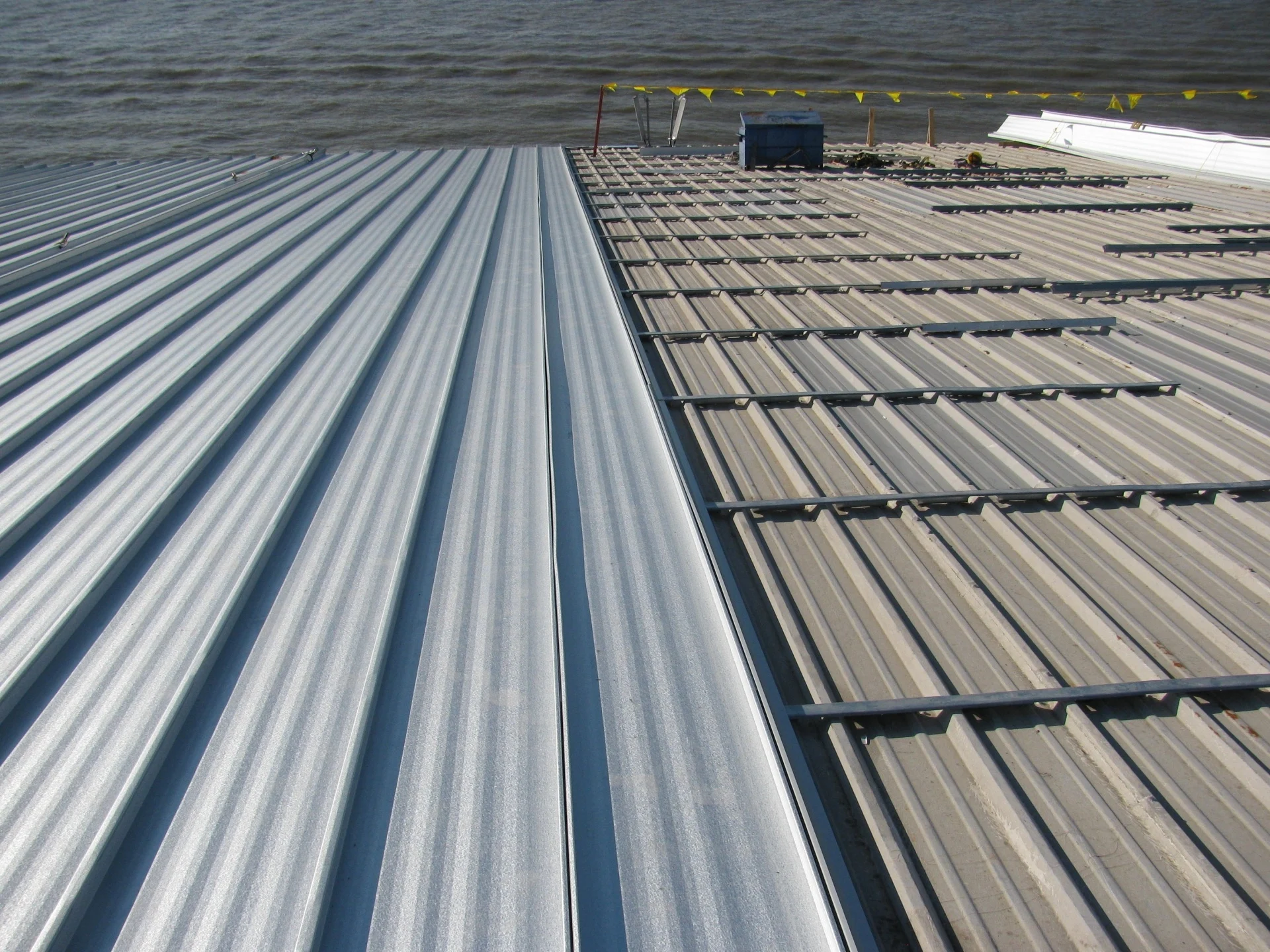
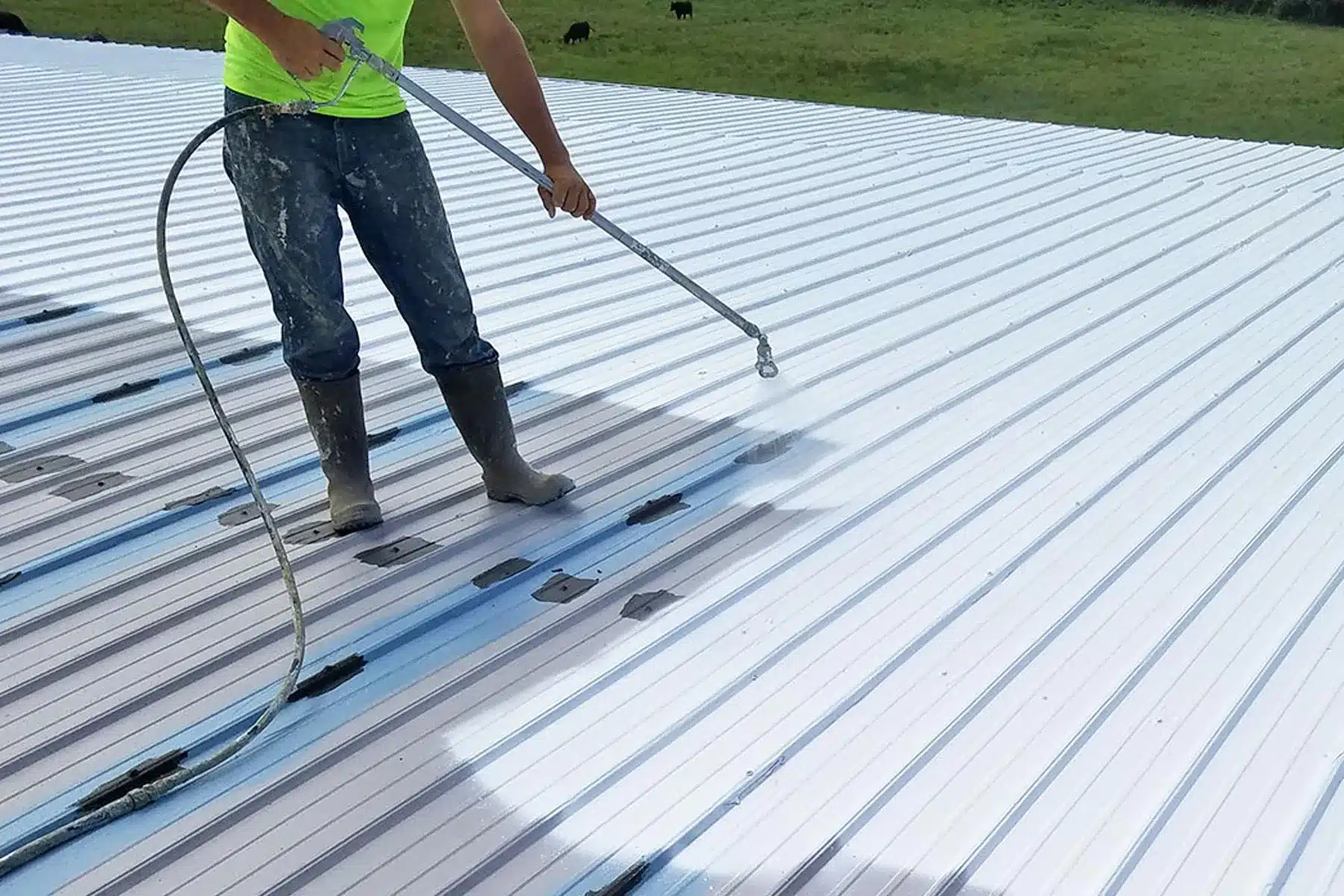
Commercial roofing for warehouses, distribution centers, and industrial facilities throughout Miami, FL. TPO, EPDM, and metal roof systems.
Ryder System's headquarters and fleet management operations in Miami sit at the center of a logistics ecosystem that includes major distribution facilities serving South Florida's dense retail and hospitality markets. The warehouse and light industrial properties that cluster in Doral, Medley, Hialeah, and along the Florida Turnpike operate in what is arguably the most extreme commercial roofing climate in the continental United States: hurricane wind loads that require design above 170 mph in Miami-Dade County, subtropical heat and UV intensity that destroys unprotected membranes within years, a rainy season that delivers 12–15 inches of monthly rainfall from June through September, and building codes so stringent that only properly certified contractors can pull roofing permits.
Miami-Dade County's High Velocity Hurricane Zone (HVHZ) product approval requirements apply to every roofing material installed on commercial buildings in the county. Roofing membranes, insulation, fasteners, adhesives, and flashing components must all carry Miami-Dade Notice of Acceptance (NOA) before they can be installed on a permitted project. This is not a procedural technicality—it is a product qualification system designed to ensure that roofing materials in the country's highest wind zone meet performance standards that most products fail. TPO and PVC membranes with HVHZ NOA approval are available from major manufacturers, and specifying only NOA-approved products on every component of a Miami warehouse roofing project is non-negotiable.
Drainage design for Miami warehouse roofs must treat hurricane-level rainfall as the design event. Tropical systems can deliver 10–15 inches of rain in 24 hours, and the drainage system on a large warehouse must be able to handle this volume without structural overload. Primary internal drains sized generously, with secondary overflow scuppers at code elevations and unobstructed discharge paths, are the minimum system. Miami-Dade building code inspectors verify drainage design as part of permit review, and undersized drainage is a common reason for permit rejection. After Hurricane Irma in 2017, many Miami warehouse operators discovered that their drainage systems were inadequate for extreme storm events and subsequently upgraded drain sizing.
Dock penetrations in Miami warehouse facilities must be designed for the full wind loads imposed by a major hurricane. Through-roof penetrations are a structural weak point if not properly engineered—the upward pressure on a penetrating pipe or conduit during a major wind event can dislodge a standard pipe boot and create a large opening in the membrane. Miami-Dade code requires that penetration details be designed by a licensed Florida engineer, and the specific flashing design must be documented in the permit drawings. Stainless steel pitch pockets with mechanically fastened flanges and silicone sealant are the appropriate specification, with all metal components rated for coastal corrosion environment (CLC).
Forklift equipment in Miami warehouses is transitioning to electric at a faster rate than most US markets because of both fleet sustainability programs and the operational advantage of electric equipment in Miami's hot, humid environment—propane exhaust in an un-air-conditioned South Florida warehouse is a significant heat and air quality burden on workers. For facilities still operating propane equipment, exhaust stack flashing must meet HVHZ standards and should be inspected twice annually because Miami's humidity and salt air accelerate the degradation of metal components and sealants around hot penetrations.
Energy efficiency in Miami warehouse roofing is mandated through Florida's commercial energy code and is also a significant operating cost factor. Florida Building Code requires minimum solar reflectance of 0.65 and thermal emittance of 0.9 for low-slope commercial roofs in the Miami climate zone. White TPO and white PVC are the primary code-compliant membrane options, and both deliver meaningful cooling load reduction in a market where warehouse cooling is a year-round operational cost. FPL (Florida Power and Light) offers commercial rebates for energy efficiency improvements, and the Business Express rebate program has included cool roof components in past years.
The question of whether a Miami warehouse roof qualifies for a recover versus requiring full tear-off involves both the standard condition assessment factors and the additional consideration of HVHZ compliance. If the existing membrane is not HVHZ NOA-approved, a recover does not legalize the existing system—it just adds a compliant layer on top. Miami-Dade building officials have begun scrutinizing recover projects more carefully to confirm that the overall assembly meets current hurricane wind uplift requirements, and a recover that places a new compliant membrane over an old non-compliant assembly may not pass inspection without additional wind mitigation work.
Contractor licensing in Miami-Dade County for commercial roofing requires a Florida Certified Roofing Contractor license plus a local Miami-Dade county qualifier registration. The county qualifier registration is separate from the state license and verifies that the contractor has demonstrated knowledge of HVHZ code requirements. Verify both credentials before signing any contract. National roofing companies with Florida divisions typically hold these credentials, but smaller out-of-state firms mobilizing after hurricane events sometimes operate without proper local registration—a serious compliance risk for the building owner.
Replacement costs for Miami-Dade warehouse roofing are among the highest in the country. HVHZ-compliant products carry a premium, Miami labor rates are elevated, and the permit and inspection process adds time and cost that other markets do not experience. Budget $16–$24 per square foot for a standard TPO replace-and-recover, and $22–$32 for full tear-off on a large warehouse. Hurricane damage claims are a near-certain occurrence over the life of any South Florida warehouse, and maintaining an HVHZ-compliant roof system with current NOA-approved products is the single most important factor in a clean claim settlement after a storm event.
Frequently asked questions
Is built-up roofing still installed on new Miami commercial buildings?
Rarely on new construction. BUR has largely been replaced by TPO and PVC single-ply membranes for new commercial low-slope construction in Miami-Dade. Modified bitumen — a close relative of BUR using polymer-modified asphalt plies — is still specified for specific applications, particularly in recover configurations and on buildings where foot traffic and mechanical abuse favor the thicker ply system. We install and maintain both BUR and modified bitumen on existing buildings but rarely specify BUR for new construction.
How do I know if my 1980s Miami office building's BUR system is still viable?
A moisture survey is the starting point — either electronic moisture probing or infrared thermography. If insulation saturation is below 25 percent by area and the deck is sound, a recover with targeted wet-area removal and a new mechanically attached membrane or modified bitumen cap is often viable. If saturation is widespread or the deck is deteriorated, replacement is the honest scope. We provide the moisture survey data and the deck inspection findings as part of the assessment so the decision is based on documented condition rather than a contractor's estimate.
Can a BUR system be recovered with TPO in Miami-Dade?
Yes, when the BUR substrate is dry, the deck is sound, and an NOA-approved recover assembly exists for the specific BUR type and TPO system combination. We verify the NOA approval before designing the recover specification. Not all TPO manufacturer systems have Miami-Dade NOA approvals for BUR recover configurations — the approval list is assembly-specific.
What is the typical service life of a Miami BUR system?
A well-installed BUR system in Miami conditions typically provides 20 to 30 years of service life before significant rehabilitation is required. Miami's high UV intensity, surface temperatures exceeding 160 degrees F, and coastal salt environment accelerate asphalt oxidation and ply adhesion degradation relative to inland markets. Pre-1992 Miami BUR systems that are now 30-plus years old and have not been recovered or significantly repaired are generally past viable service life.
Get a documented BUR condition assessment for your Miami building.
Our project managers will conduct a moisture survey, pull cores at suspect locations, inspect deck condition, and deliver a written report with recover-versus-replace recommendation and cost basis — before any commitment to a scope.
Explore More
- Solar Roof Integration
- Roof Leak Repair
- EPDM Roofing
- Roof Asset Management Program
- Office Building Roofing
- Preventive Roof Maintenance
- Auto Dealership Roofing
- About