Capital Planning
Miami, FL · Capabilities
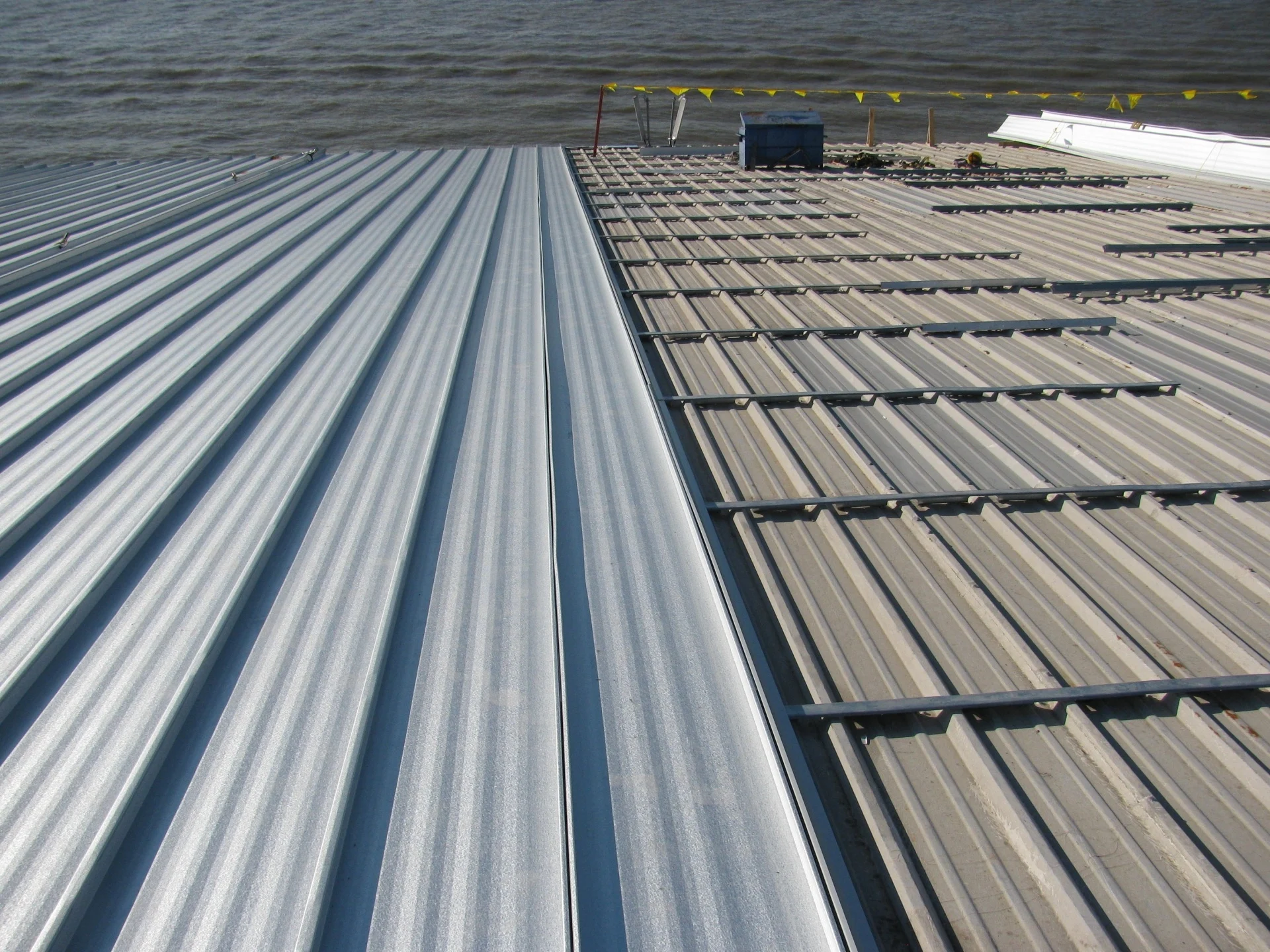
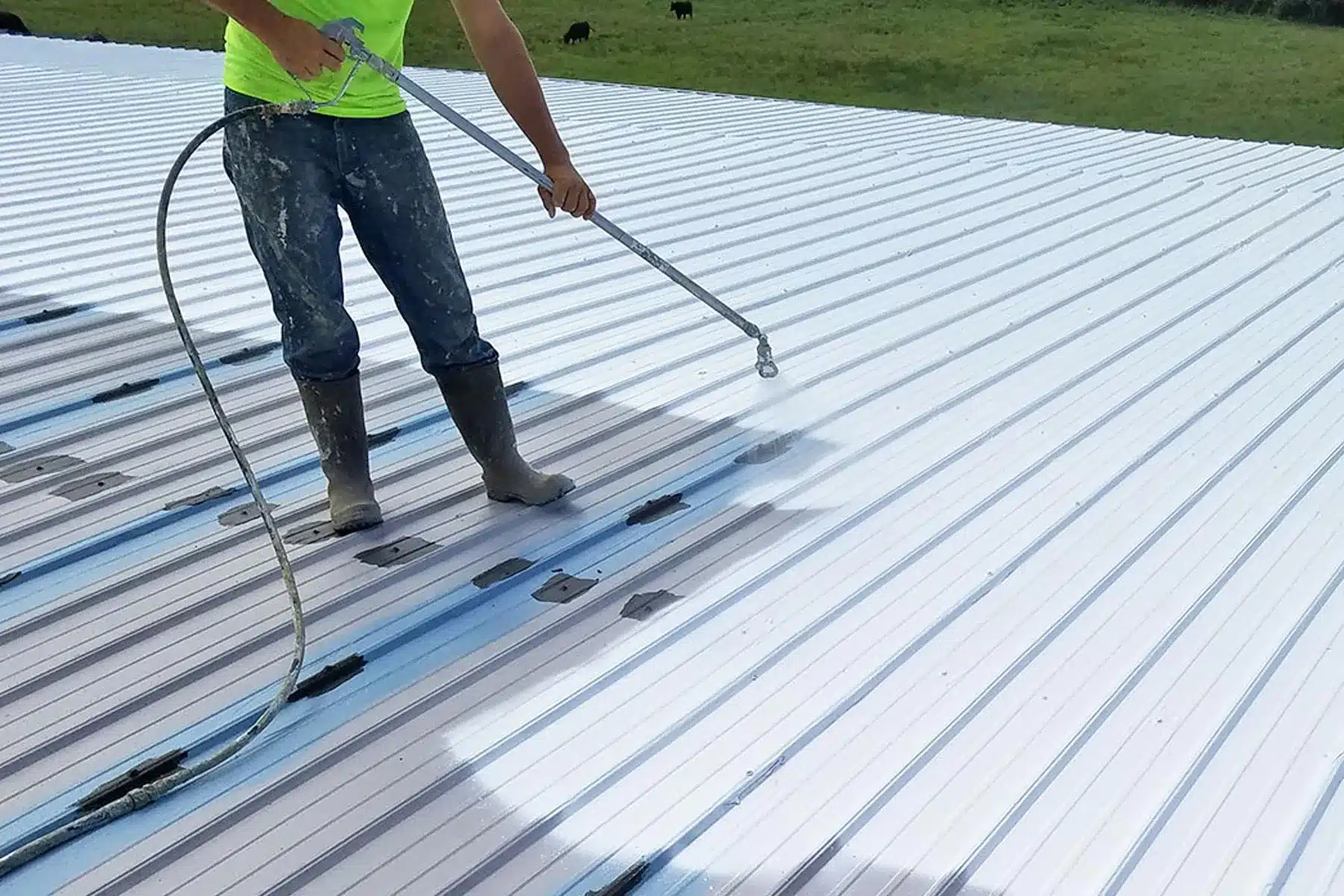
A roof replacement in Miami-Dade is not a line item you can estimate from building age. Coastal degradation rates, hurricane history, NOA compliance status, and actual insulation saturation — not manufacturer life tables — determine when a Miami commercial roof needs to be replaced.
The most expensive commercial roof project is the one that becomes an emergency replacement. In Miami, the difference between a planned replacement and an emergency replacement is often a failed hurricane season — a storm that exposes a membrane system that was already past serviceable life and converts a deferred capital item into an immediate unbudgeted cost with hurricane-season contractor premiums and material delays layered on top. Capital planning is the discipline that prevents that scenario.
Our capital planning work starts with a condition assessment — not a visual estimate, but a documented zone-by-zone evaluation that establishes the current state of the membrane, the insulation, the flashings, and the drainage system. For roofs where insulation saturation is a variable in the replace-versus-recover decision, we include moisture survey data in the assessment. The condition data then drives the projection: which zones are candidates for repair-only in years one and two, which zones are approaching recover-or-replace decisions in years two through five, and which are at or past serviceable life and should be in the current-year capital budget.
Miami-Dade's HVHZ requirements add a cost dimension to capital planning that does not apply in most markets. A replacement that is simply triggered by membrane end-of-life may also need to address NOA compliance gaps in the existing perimeter and corner zone fastening, deck condition issues from chronic coastal exposure, or drainage infrastructure that has never met current FBC standards. Our capital projections include those compliance-driven scope items — not just membrane replacement cost — so the owner's capital reserve is actually sized for what the project will require.
How We Build the Projection
Condition assessment: We walk every zone of the roof and produce a scored condition matrix — membrane surface condition, flashing condition, drainage condition, and equipment penetration condition — scored on a 1 to 5 scale with 1 representing new or like-new and 5 representing at or past serviceable life. The scoring is zone-specific, not building-wide. A roof that is a 3 overall may have corner zones that are a 5 and a field zone that is a 2 — and the capital projection needs to reflect that distribution.
Recover-versus-replace analysis: If any roof zones score 3 or above and the insulation saturation question is open, we pull moisture cores or run a non-destructive moisture survey before finalizing the projection. A recover recommendation on a roof with 30% saturated insulation is not a capital plan — it is a deferred problem. We include the moisture data in the written projection so the owner can see the basis of the recommendation.
FBC HVHZ compliance review: For any roof approaching replacement, we note whether the existing assembly meets current FBC High-Velocity Hurricane Zone requirements for the building's design wind speed and exposure category. Buildings constructed before the early 2000s FBC revisions may have perimeter and corner zone fastening that does not meet current design pressure requirements — a replacement project on these buildings carries additional scope that a capital reserve based on per-square-foot replacement cost alone will underestimate.
Multi-year schedule: The final capital plan shows year-by-year capital requirements across the projection period (typically five to ten years), distinguishing repair-only years from major maintenance years from replacement years. For owners with multiple Miami-Dade properties, we roll individual property projections into a portfolio capital schedule that identifies which properties are competing for capital in the same year.
Miami-Specific Factors in the Projection
Coastal degradation adjustment: Manufacturer-stated membrane life expectations are typically derived from inland test data. Miami's combination of UV intensity, humidity, surface temperature peaks, and coastal salt spray at bay-adjacent buildings produces degradation rates that run 15 to 25 percent faster than those benchmarks. We adjust service life projections for building location within Miami-Dade — Brickell and Miami Beach waterfront buildings get a more conservative remaining-life estimate than Doral or Hialeah inland buildings in comparable condition.
Hurricane history: A building that sustained a direct impact from Hurricane Irma in 2017 or Hurricane Andrew in 1992 may have deck or structural conditions that are not visible in the membrane surface but affect the replacement scope. We review building history in our assessment for properties we have not previously managed.
Permitting timeline in the capital schedule: Miami-Dade commercial roofing permits typically take 3 to 6 weeks from submission to issuance. That lead time needs to be in the capital schedule — a replacement budgeted for Q3 needs a permit submission in Q1 or Q2 to maintain the schedule. Our capital plans include suggested permitting and mobilization timelines.
Using the Capital Plan at Budget Time
The capital plan document is designed to be used in budget meetings, not just read by the facilities team. For each capital year, it shows the specific zone or roof section being addressed, the condition basis for the recommendation (with reference to the inspection photo log), the scope description including NOA compliance elements, and the projected cost. Facility directors at Brickell Class A towers, property managers for Wynwood mixed-use portfolios, and CFOs reviewing capital reserves for Hialeah industrial holdings have all used our capital plan documents to support budget requests and reserve calculations.
When a Miami-Dade property insurer requires a property condition assessment or roof capital reserve schedule for underwriting or renewal, the capital plan we produce meets the documentation standard those requests typically require. The condition scoring, zone-by-zone analysis, and multi-year projection are the elements underwriters are looking for.
Frequently asked questions
How far in advance should I begin capital planning for a Miami roof replacement?
Three years out is the minimum planning horizon for a replacement that will be executed in a planned, cost-effective way. Miami-Dade permitting takes 3 to 6 weeks. Major membrane manufacturers' warranty inspection programs require lead time to schedule. Pre-hurricane-season contractor availability in Miami peaks in March through May, and contractors who have managed the capital plan for the building can prioritize those projects. Emergency replacements triggered by storm damage or end-of-life failure carry premium costs and longer lead times.
Can a capital plan be used to support property insurance underwriting?
Yes. Miami-Dade commercial property insurers increasingly require documented roof condition assessments and capital reserve schedules as part of underwriting or renewal for older buildings. Our capital plan provides the condition documentation, remaining service life estimate, and planned replacement timeline that underwriters request. We have produced capital plan documents for this specific purpose for Brickell and Downtown Miami commercial properties.
What is the difference between a recover and a full replacement, and how does it affect the capital plan?
A recover installs a new membrane over the existing system without removing the existing insulation and membrane — approximately half the cost of full replacement when the existing insulation is dry and the deck is sound. A recover extends the roof asset life by 15 to 20 years at lower capital cost. The recover decision requires moisture survey data confirming that insulation saturation is below the threshold that voids recover viability (typically below 25% wet). In the capital plan, a recover in year two versus a replacement in year two represents a significant difference in capital requirement.
Do you produce capital plans for Miami-Dade multi-property portfolios?
Yes. Multi-property portfolios in Miami-Dade are a significant part of our capital planning practice. We assess each property individually, produce a property-level capital plan, and roll the properties into a consolidated portfolio capital schedule that shows which properties are competing for replacement capital in overlapping years — so the owner can sequence capital deployment across the portfolio strategically.
Get a condition-based capital plan for your Miami commercial roof.
Our project managers assess the roof, score the condition zone by zone, and produce a written multi-year capital projection with NOA compliance scope and Miami-specific degradation factors included.
Explore More
- Moisture Survey Services
- Competitive Bid Coordination
- Procurement Support
- Life Cycle Cost Analysis
- Roof Asset Management
- Modified Bitumen Roofing
- Self Storage Roofing
- Preventive Roof Maintenance