Life Cycle Cost Analysis
Miami, FL · Capabilities
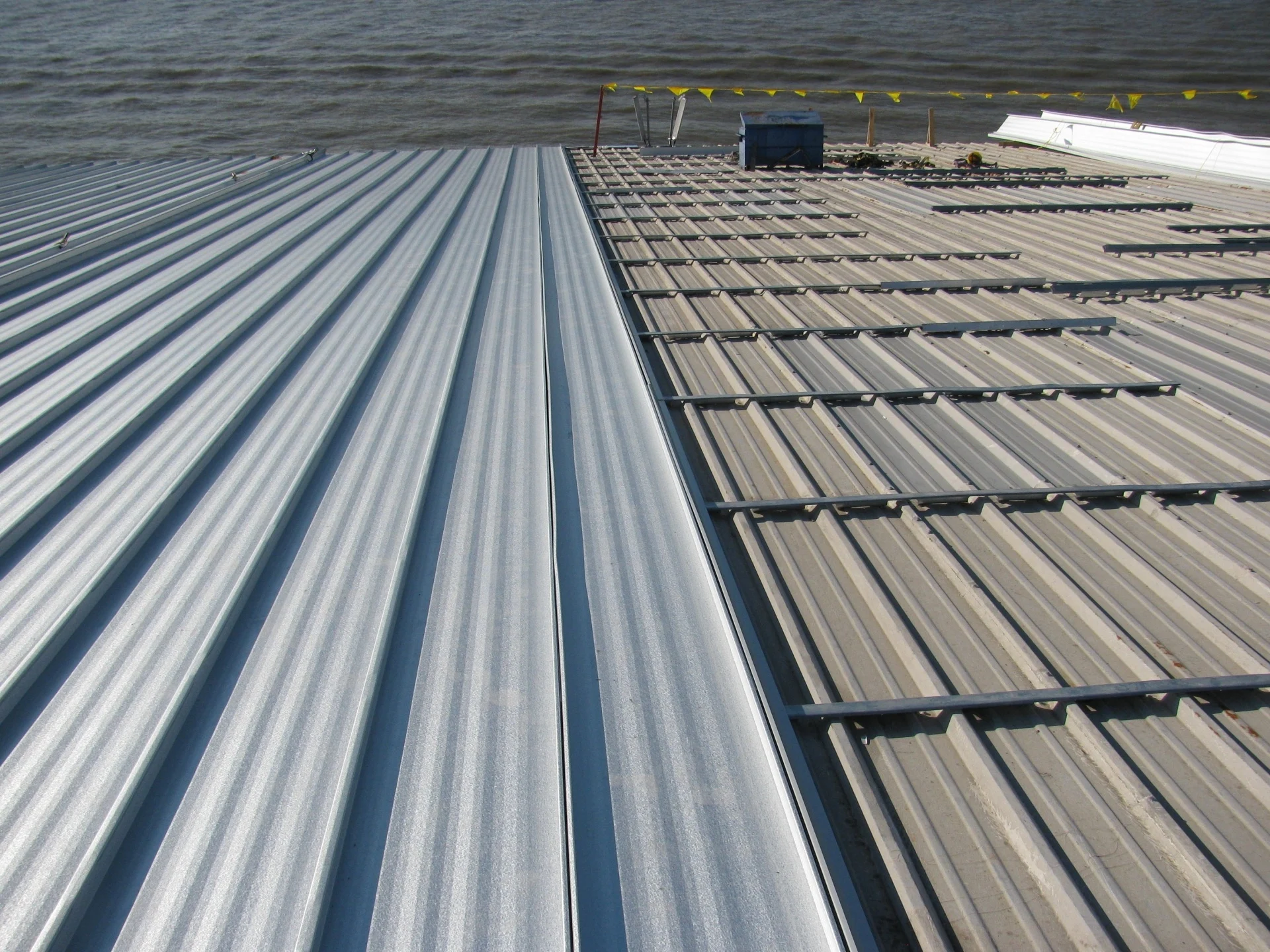
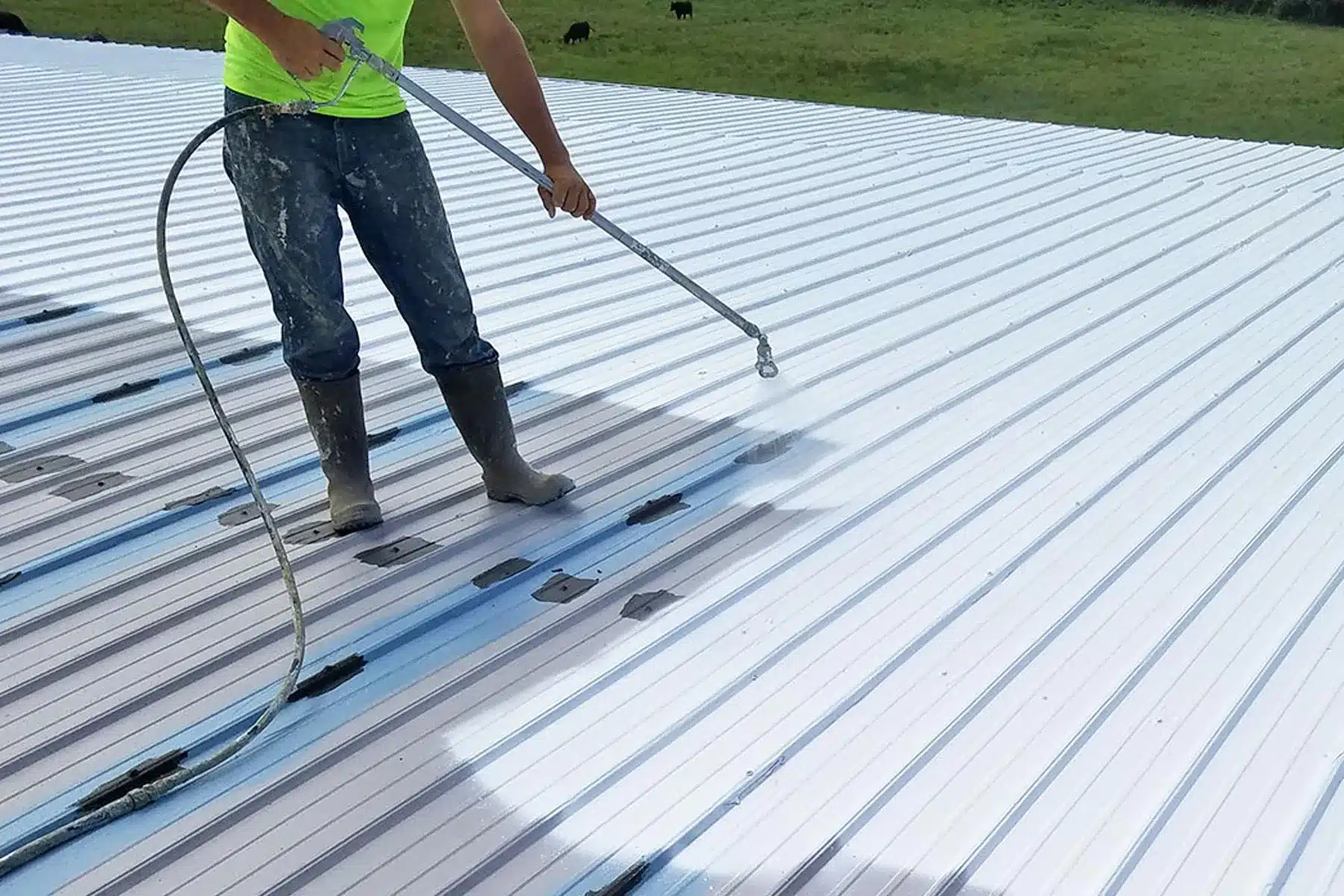
The cheapest commercial roofing system to install in Miami is rarely the cheapest system to own over a 20-year horizon. A life-cycle cost analysis accounts for capital cost, maintenance cost, energy performance, expected service life in Miami's UV and salt-air environment, and the cost of the replacement cycle — and it produces a number that building owners can use to make a capital decision rather than a gut call.
I prepare life-cycle cost analyses for commercial roofing decisions at Miami-Dade County buildings — system selection, recover-versus-replace decisions, and multi-building portfolio capital planning. The analysis compares alternatives on a net present value basis over a common analysis period (typically 20 or 30 years), accounting for capital cost, maintenance cost, expected service life in Miami's specific climate envelope, and energy performance where the insulation or membrane system affects building energy consumption.
Miami's climate conditions change the life-cycle math compared to inland markets. Surface temperatures on dark roofs in Miami regularly exceed 165 degrees Fahrenheit in summer. UV intensity at Miami's latitude accelerates membrane surface degradation 15 to 20 percent faster than manufacturer projections derived from inland test sites. Salt-air corrosion at buildings within proximity of Biscayne Bay or the Atlantic coast adds a premium on fastener and metal flashing replacement rates. A life-cycle analysis that uses manufacturer-provided service life estimates without adjusting for Miami conditions produces a number that is structurally optimistic.
I use actual Miami-Dade maintenance cost data from my ongoing maintenance accounts to populate the maintenance cost assumptions in my analyses — not industry averages from national cost databases. Maintenance costs per square foot for a Miami commercial roof are 20 to 35 percent higher than the national averages published in cost databases, because Miami's hurricane season requires pre-season and post-season inspections that inland markets do not, and because salt-air corrosion of metal flashings requires more frequent flashing repair and replacement.
Capital Cost and Service Life Assumptions
The capital cost component of a Miami roofing life-cycle analysis includes: installation cost (membrane, insulation, fasteners, flashings, labor), permitting cost (Miami-Dade or municipal building permit, plan review, and inspection fees), and the first-year maintenance and warranty closeout cost. For comparison analyses, I develop installed cost estimates for each alternative system based on current Miami submarket pricing — Brickell and Downtown Miami construction costs run 8 to 15 percent above Hialeah and Doral industrial pricing for the same scope, reflecting labor market and access cost differences.
Service life assumptions for Miami conditions are derived from manufacturer warranty periods (as a floor), my own maintenance record data (which documents when Miami-installed systems typically approach the end of serviceable life), and published post-hurricane performance data from the Florida Roofing and Sheet Metal Contractors Association and the Insurance Institute for Business and Home Safety. For TPO systems installed in Miami conditions, I use a 17 to 20 year serviceable life assumption. For modified bitumen, 13 to 16 years. For fluid-applied restoration coatings, 8 to 12 years before the next intervention cycle.
The replacement horizon is probabilistic in Miami: hurricane events can end a system's service life at any point in the analysis period. I include a hurricane replacement probability term in the life-cycle model based on the historical frequency of major hurricane events in Miami-Dade County — roughly one event per 8 to 12 years that is severe enough to cause replacement-level damage to a percentage of the building stock. For NOA-compliant systems, the probability of replacement-level hurricane damage is lower; for non-compliant or aging systems, it is higher.
Energy Performance and Operating Cost
Roofing system insulation and membrane reflectivity both affect building cooling energy consumption in Miami's year-round cooling-dominated climate. Florida Energy Code minimum R-25 for low-slope commercial roofing is the legal floor. Buildings where the existing insulation stack falls below R-25 — common in pre-2010 construction — face a code compliance upgrade as part of any replacement project, which changes the capital cost comparison between maintain-existing and replace alternatives.
Cool roof membranes — highly reflective white TPO and PVC — reduce rooftop surface temperatures and building cooling loads in Miami. The energy savings from a cool roof in South Florida are among the highest in the continental US due to the length and intensity of the cooling season. I use FPL (Florida Power and Light) commercial rate data and the Miami TMY (typical meteorological year) weather file to estimate cooling energy savings from cool-roof versus standard-reflectivity systems over the analysis period.
The energy performance component of the life-cycle analysis is presented as an annual energy cost delta and a net present value of energy savings over the analysis period — so it can be directly compared to the capital cost premium for the higher-performance system. For many Miami commercial buildings, the NPV of cooling energy savings from upgrading from a darker recovering membrane to a white TPO replacement exceeds the incremental cost premium within 6 to 10 years.
Portfolio and Multi-Building Analysis
For building owners and property management companies with multiple Miami-Dade commercial buildings, a portfolio life-cycle analysis ranks buildings by replacement urgency and capital cost, and produces a multi-year capital budget projection. The portfolio analysis identifies which buildings are within 5 years of their projected replacement horizon, which buildings benefit from a recover option that defers major capital, and which buildings are candidates for phased replacement to smooth the capital impact over a multi-year period.
Institutional asset owners in the Brickell and Coral Gables Class A office market use portfolio life-cycle analyses as inputs to ARGUS or similar asset management models — the roof replacement cost and timing feeds into the building's hold-period capital expenditure projections. I deliver portfolio analyses in a format compatible with these workflows: the roof replacement cost, timing, and service life data in a structure that asset managers can import into their existing models.
For buildings approaching an acquisition or disposition, a life-cycle analysis that documents the remaining useful life of the current roofing system and the projected replacement cost over a specific hold period is a due diligence deliverable that buyers, sellers, and their advisors can act on. A Miami commercial building with 18 years of remaining roof life at market replacement cost is a different asset than one with 4 years of remaining life at the same replacement cost.
Frequently asked questions
How long does a life-cycle cost analysis take for a single Miami commercial building?
For a single building in the 20,000 to 100,000 sq ft range with two to three alternative systems being compared: the site inspection, data gathering, and analysis typically takes 10 to 15 business days from site walk to delivered report. The report includes the assumption basis, the year-by-year cash flow projection for each alternative, the net present value comparison, and a recommendation with the supporting rationale.
Do you account for Miami-Dade's hurricane risk in the life-cycle analysis?
Yes. I include a hurricane event probability term based on historical Miami-Dade major hurricane frequency, a wind damage cost assumption tied to the system's NOA compliance status (compliant systems have lower hurricane damage probability and cost), and an emergency dry-in and temporary repair cost estimate for events that cause partial rather than full replacement-level damage. The hurricane risk term is presented as a probabilistic expected cost per year, which can be compared across systems with different NOA compliance levels.
Can a life-cycle analysis justify choosing a more expensive roofing system?
That is what life-cycle analysis is for — to determine whether a higher capital cost system is economically justified by longer service life, lower maintenance cost, or better energy performance over the analysis period. In Miami, systems with longer service lives (25-year PVC versus 20-year TPO) are sometimes justified on NPV grounds when the replacement cost in year 21 and the maintenance cost differential are accounted for. The analysis tells you whether the premium is justified; it does not prejudge the outcome.
What discount rate do you use in the NPV calculation?
I use the building owner's stated hurdle rate or weighted average cost of capital if provided. If the owner does not specify a rate, I use a 7 percent real discount rate as the base case, with sensitivity analysis at 5 percent and 10 percent so the owner can see how the system ranking changes across different capital cost assumptions. The Miami commercial property market has generally operated at higher cap rates than coastal gateway markets like New York or Miami, which affects the appropriate discount rate for long-duration infrastructure decisions.
Find out what your roofing decision actually costs over 20 years.
Our project managers will walk the building, assess the current system, and prepare a life-cycle cost comparison for the realistic alternatives — with energy savings, maintenance costs, and replacement horizon built in.
Explore More
- Capital Planning
- Infrared Roof Scanning
- Manufacturer Warranty Management
- Owner Rep Services
- Commercial Roof Inspections
- Humidity Damage Roof Repair
- Emergency Roof Repair
- Warehouse Roofing