Condition Reporting
Miami, FL · Capabilities
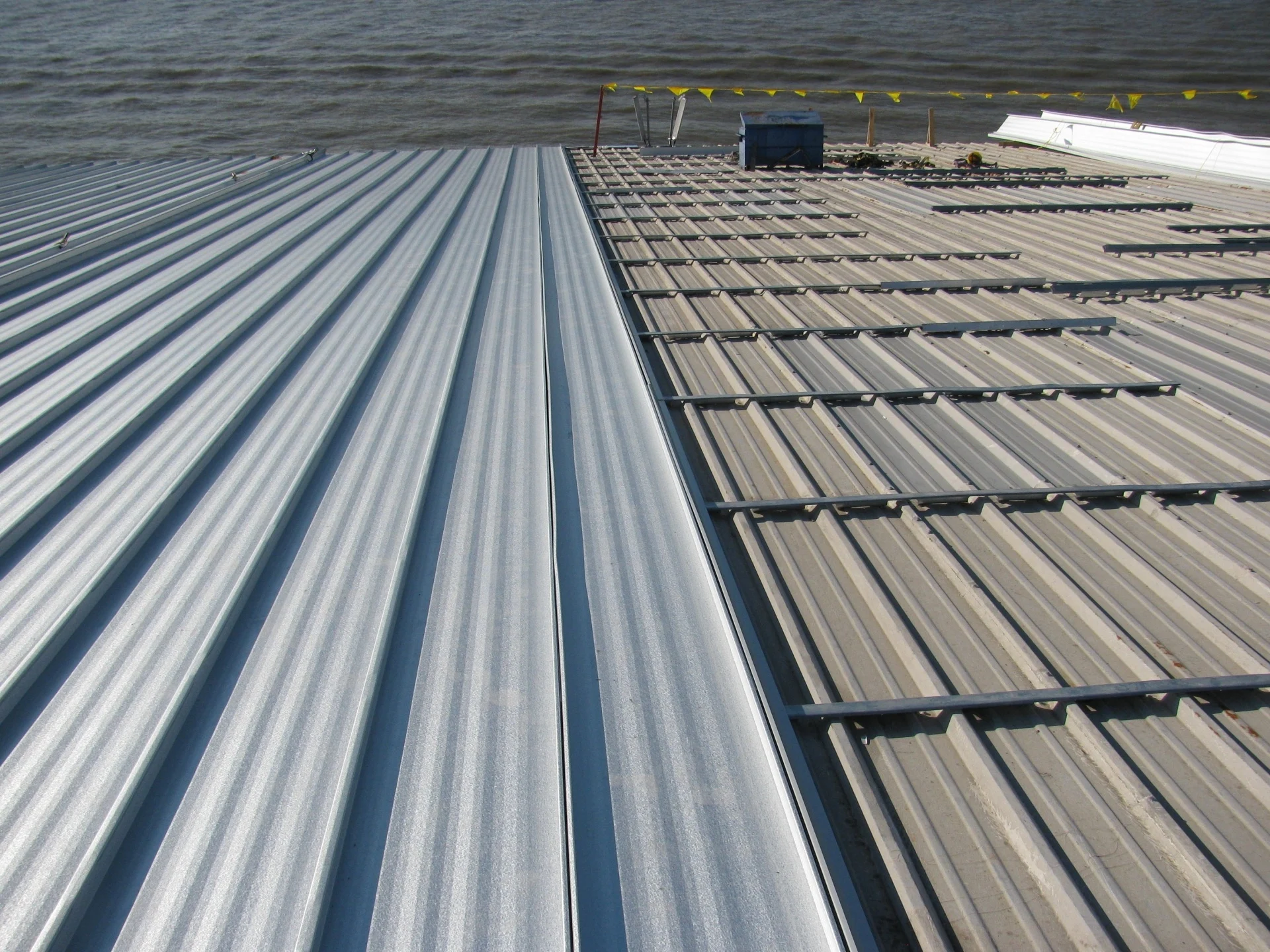
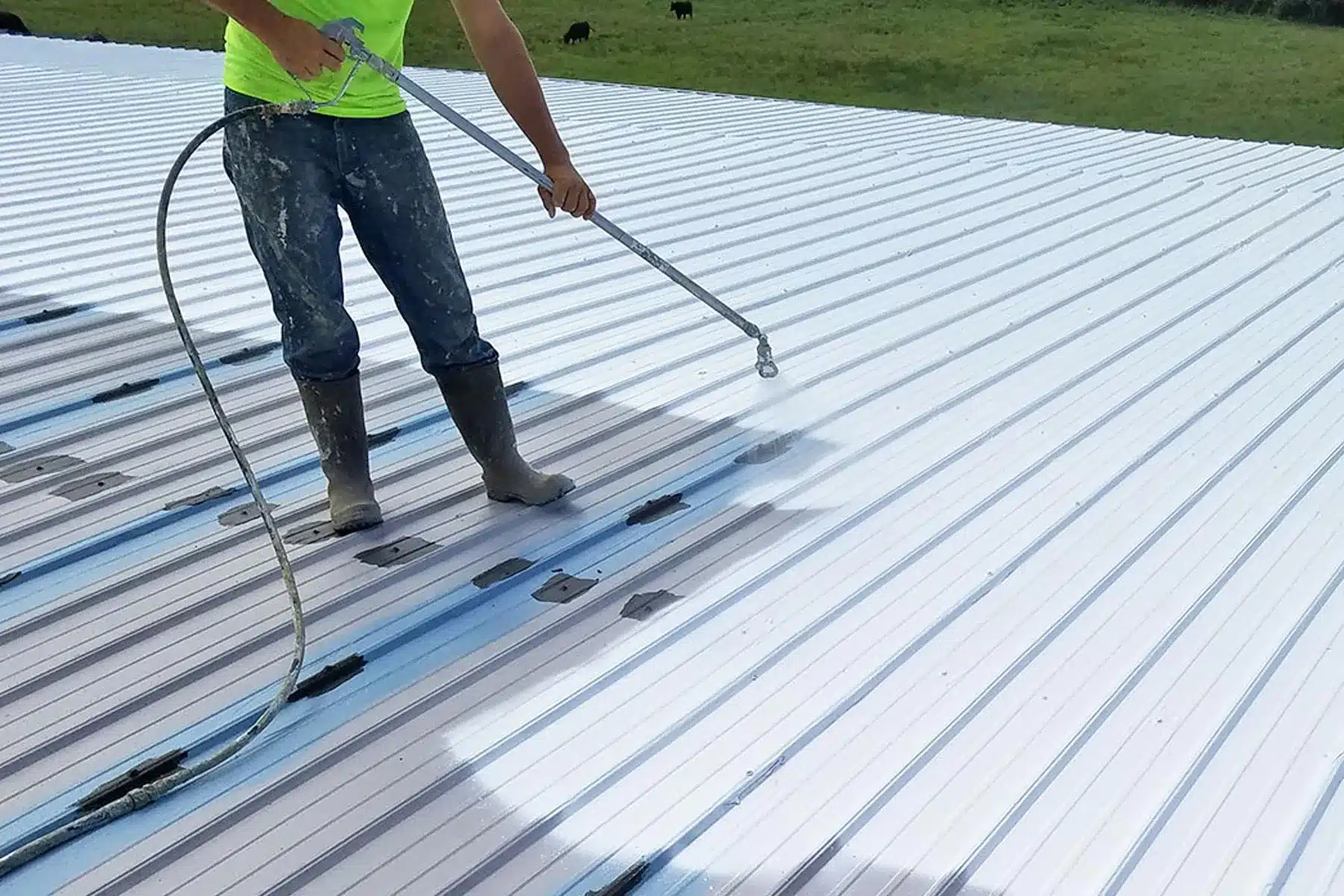
A condition report for a Miami commercial roof needs to answer specific questions: what is the current state of the assembly, where are the failure risks, is the roof NOA-compliant, and what capital is required in the next one to five years. Our reports answer all four.
Condition reports on Miami commercial roofs are requested for four reasons, and each reason requires a different emphasis in what the report addresses. An acquisition due-diligence report needs to establish current condition clearly enough that a buyer can form a defensible capital reserve estimate for the next ten years. An insurance underwriting report needs to document condition, remaining estimated life, and planned replacement timeline in a format that matches the underwriter's review requirements. A capital planning report needs scored zone-by-zone condition data with a multi-year projection. And a warranty compliance report needs to establish that the roof has been maintained per the manufacturer's requirements and that the current condition does not include factors that would compromise warranty coverage.
We produce all four types, and we are specific about which type we are producing — because an acquisition report that reads like a warranty compliance report leaves the buyer's questions unanswered, and a warranty report that reads like a capital plan does not give the manufacturer's representative the information they need. Before we conduct the assessment, we understand the purpose of the report and structure the deliverable accordingly.
Miami-Dade's building environment creates specific condition-reporting requirements that do not apply in most other markets. The NOA compliance status of the installed assembly needs to be addressed in any report that is being used to support a property transaction or an insurance underwriting decision — because a buyer or underwriter who later discovers that the roof lacks current NOA coverage has a legitimate complaint about a condition report that did not address it. We evaluate and document NOA compliance status in every condition report we produce for Miami-Dade commercial buildings.
Acquisition Due-Diligence Condition Reports
Acquisition condition reports in Miami's commercial real estate market are used by buyers, buyers' lenders, and buyers' insurance underwriters. Each user has a different question: the buyer wants to know what it will cost to maintain the roof asset across the holding period; the lender wants to know whether the roof represents a near-term capital risk that affects loan security; and the underwriter wants to know whether the roof is insurable at standard rates or requires special conditions.
Our acquisition reports address all three audiences with a single document structure. The condition section establishes current state zone by zone with photo documentation. The NOA compliance section notes the approval status of the installed assembly — critical information in Miami-Dade because a non-compliant roof assembly creates a code compliance exposure that affects both the property value and the insurance underwriting calculation. The capital projection section provides a year-by-year estimated cost for maintenance, major maintenance, and replacement across a ten-year horizon. We have produced acquisition reports for properties in Brickell, the Miami Design District, Hialeah industrial, and Doral logistics, among others.
Timing is a real consideration in Miami transactions. If the buyer's due-diligence period is 30 days and the roof assessment needs to happen in day one through ten to leave room for re-negotiation if a significant condition issue is found, we accommodate that schedule — our project managers prioritize acquisition assessments over routine inspection scheduling.
Insurance Underwriting Condition Reports
Miami-Dade commercial property insurers have become significantly more selective about roof coverage in recent years. Buildings with roofs older than 15 years, or with roofs that lack documented maintenance records, are facing coverage limitations, exclusions, or non-renewals from carriers who are managing wind and water exposure in the Florida market. An underwriting condition report is often what bridges the gap between a carrier's concern and the owner's ability to retain coverage at acceptable terms.
Insurance underwriting condition reports from our office document the current assembly, estimated age and remaining service life, maintenance record (referencing the inspection history in the asset file), any deficiencies identified and their severity, and a planned remediation timeline for deficiencies noted. We have worked with underwriters across the Miami-Dade commercial market — the report format we use is familiar to the major carriers operating in South Florida, and it addresses the specific questions their underwriting process requires.
If the underwriter requires a specific format or checklist completion rather than a narrative report, we match that format. Some carriers operating in the Miami market have proprietary roof condition assessment forms — we complete those forms from our field assessment data.
What the Written Report Contains
Every condition report includes: the assessment date and building location; the assessor's name and license number; a roof zone diagram with zone numbering used throughout the report; a section-by-section condition description; photographs organized by zone number and referenced in the condition description; a NOA compliance notation; estimated remaining service life by zone; and a summary capital projection covering repair, major maintenance, and replacement costs over the projection period.
We write condition descriptions in language that is specific enough to be useful — not 'membrane shows some wear' but 'field membrane in Zone 3A shows surface oxidation consistent with 15 to 18 years of Miami-Dade UV and thermal exposure; seam welds in Zone 3A are intact on visual inspection; no active lifting or bridging observed.' That specificity is what makes the report usable in the contexts — insurance, acquisition, warranty — where condition reports are actually relied on.
Frequently asked questions
How quickly can you produce a condition report for an active Miami acquisition?
We can typically schedule the field assessment within two to three business days of a request and produce the written report within three to five business days of the assessment for standard commercial buildings. For large or complex roofs — multi-section buildings, high-rises in Brickell, or buildings where a moisture survey is required to answer the capital planning question — the timeline is longer. We establish the timeline at the time the report is ordered so the due-diligence schedule can be planned around it.
Can the report address both the flat roof and any rooftop equipment condition?
Our reports document rooftop equipment curb conditions, unit base flashings, and penetration flashing conditions — these are part of the roof condition assessment because they are common points of water intrusion and warranty exposure. We do not assess the mechanical condition of HVAC equipment itself, but we assess and document the roofing work around it.
What is the NOA compliance section of the report?
We document the NOA approval numbers associated with the installed roofing assembly as best as can be determined from available documentation and field observation. If the current roof carries an installation permit with NOA numbers on record with Miami-Dade Building Department (or the relevant municipal building department), we reference those numbers. If the roof was installed before modern documentation practices or has been recovered multiple times, we note what can be confirmed and what cannot. The compliance notation tells the reader whether the current assembly has documented NOA approval or whether there is a gap in that documentation.
Is a condition report the same as a moisture survey?
No. A condition report is a visual assessment with written documentation of what the inspector can observe on the roof surface, at flashings, at penetrations, and at drains. A moisture survey uses non-destructive technology — infrared scanning or electrical capacitance testing — to detect moisture in the insulation below the membrane surface that is not visible to the eye. A condition report may recommend a moisture survey if the visual assessment finds conditions that suggest possible insulation saturation — but the two are different services with different deliverables.
Order a written condition report for your Miami commercial roof.
We assess, photograph, and document — zone by zone — then produce a written deliverable structured for your specific purpose: acquisition, insurance, capital planning, or warranty compliance.
Explore More
- Infrared Roof Scanning
- Manufacturer Warranty Management
- Owner Rep Services
- Replacement Vs Recover Analysis
- Warranty Coordination
- Single Ply Roofing
- Office Building Roofing
- Storm Damage Roof Repair