Commercial Roof Inspections
Miami, FL · Capabilities
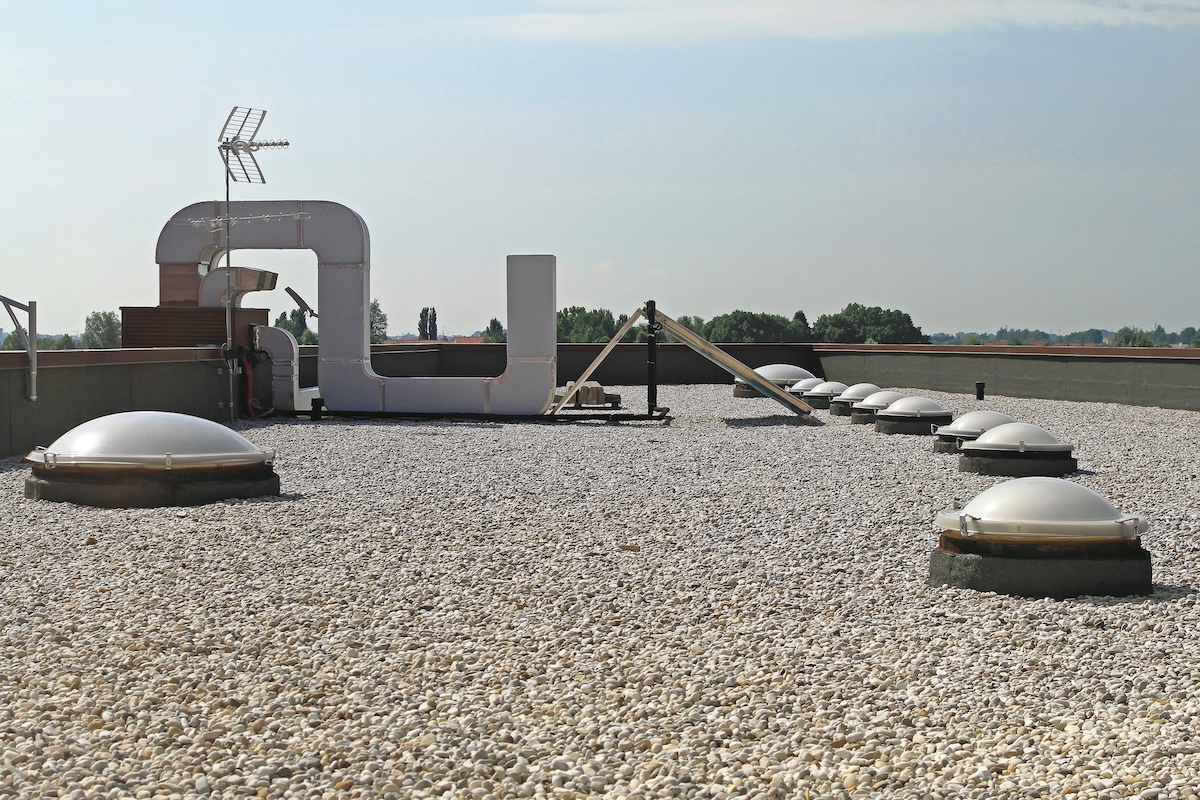

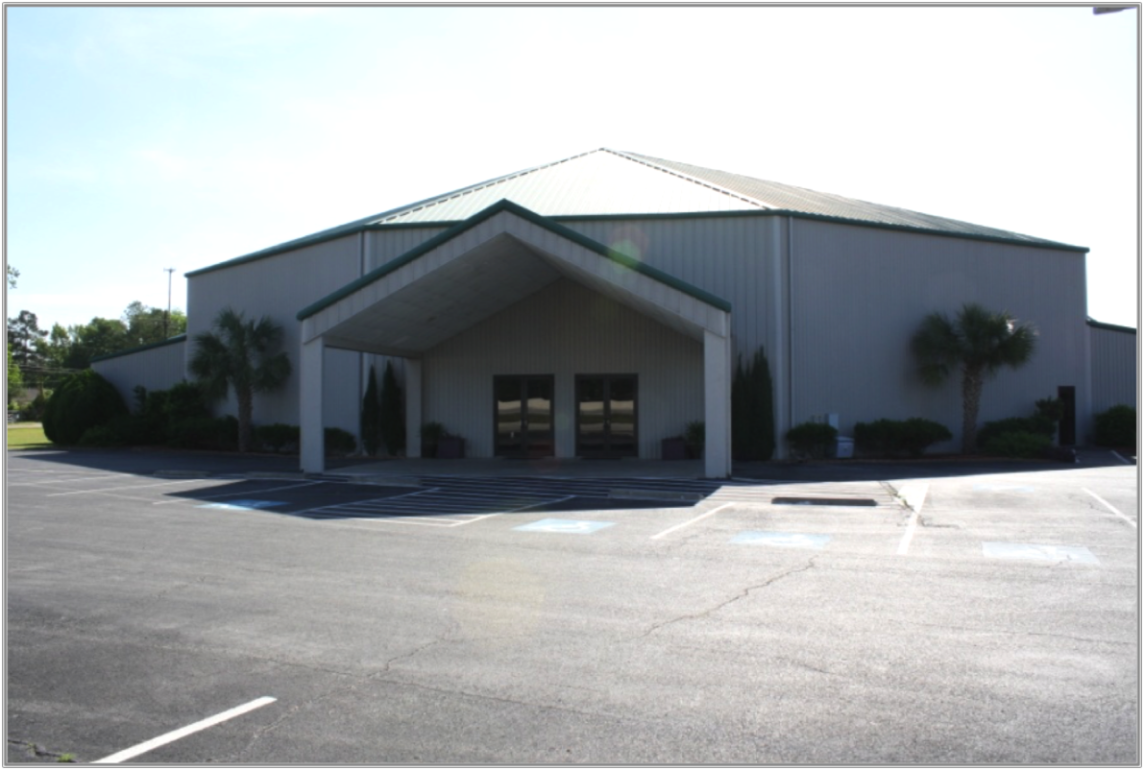
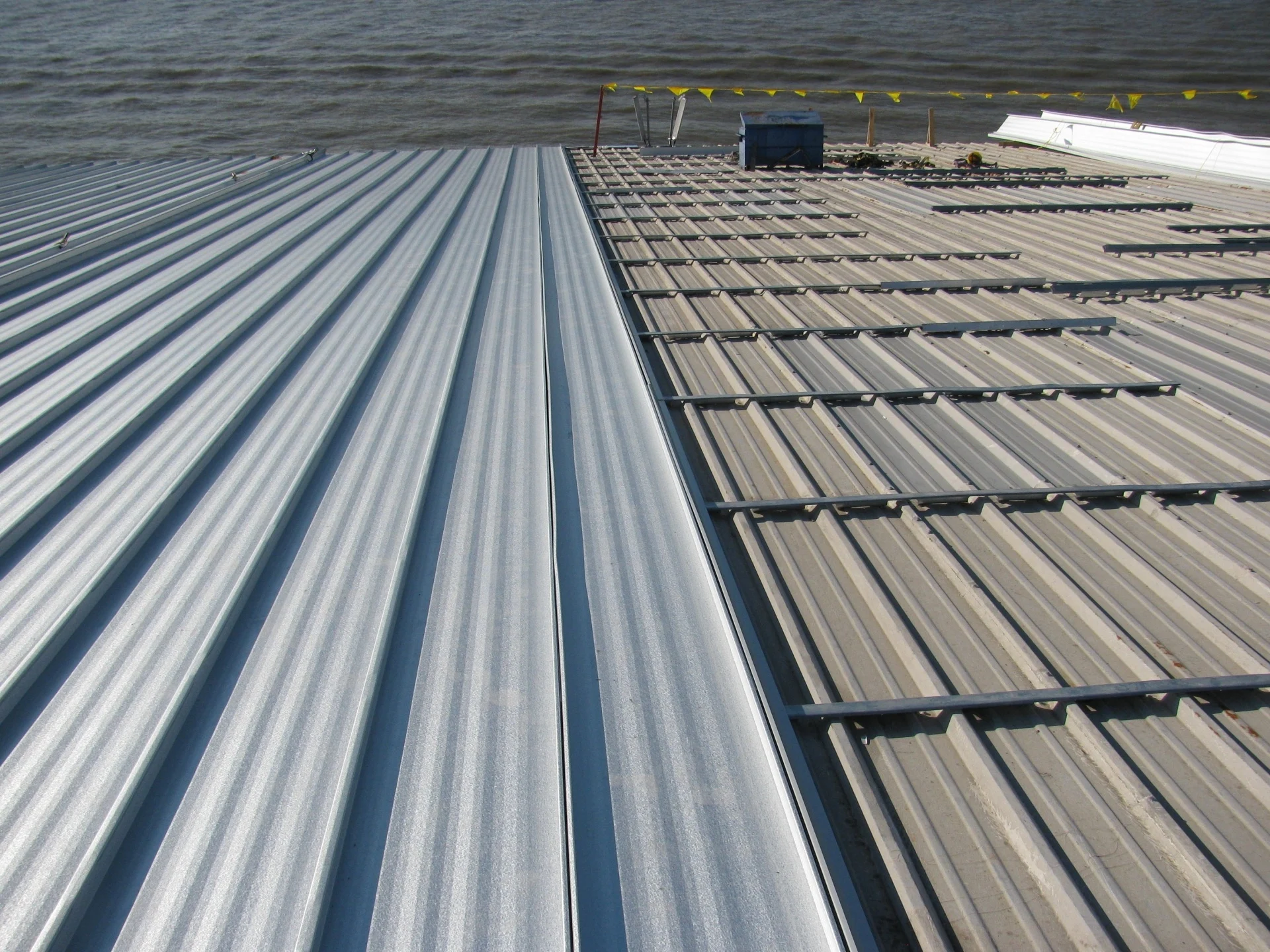
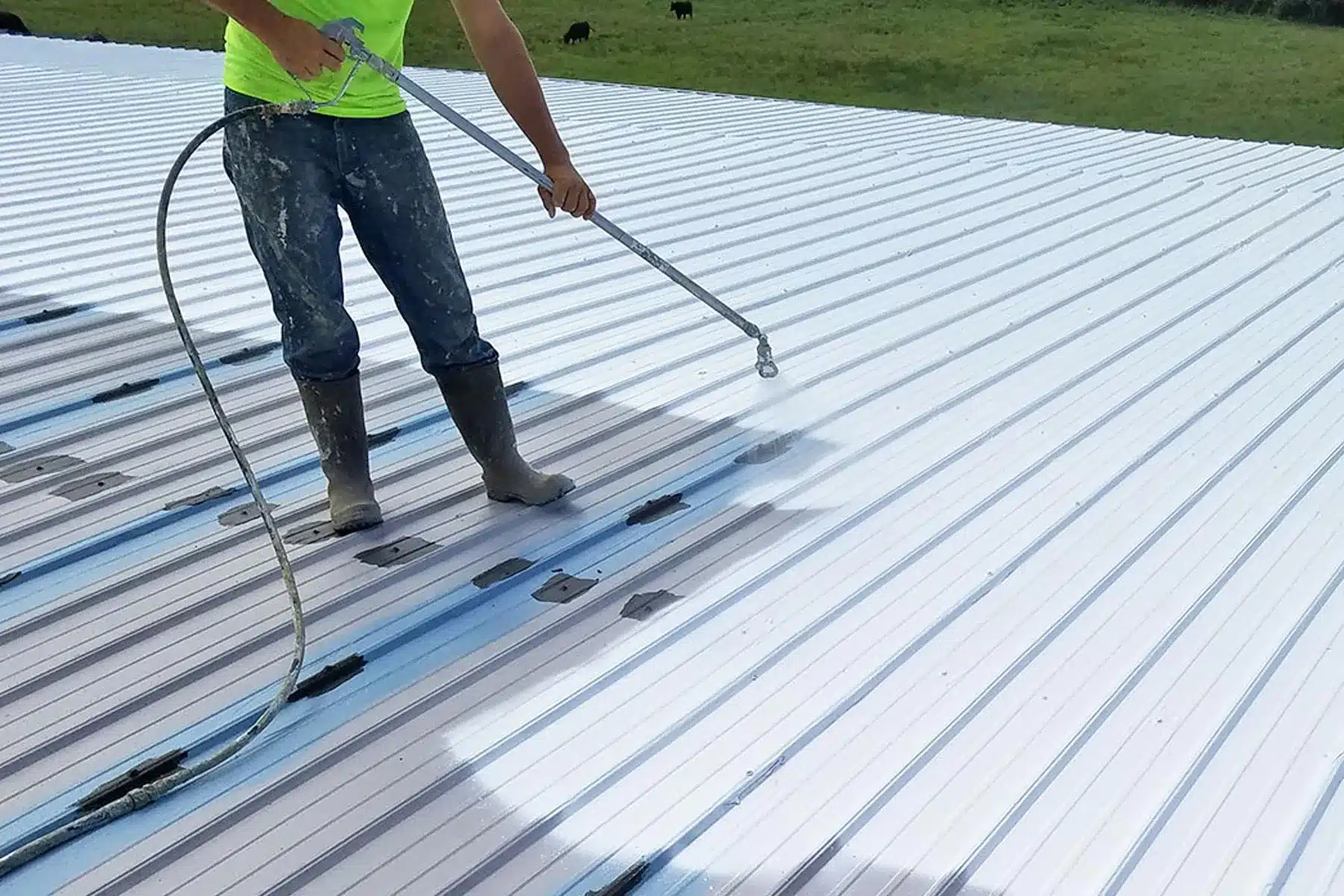
Every inspection we do on a Miami commercial roof produces a zone-keyed photo log with a condition matrix — not a one-page summary, but a documented deliverable that serves your facility manager, your capital planner, your warranty file, and your insurance adjuster.
Miami's climate punishes commercial roofs on a schedule that most owners do not track closely enough. From June through September, flat roof surfaces in Miami-Dade regularly hit 165 to 170 degrees Fahrenheit — temperatures that accelerate membrane oxidation, seam fatigue, and flashing adhesion failure faster than most manufacturer life-cycle projections account for. Coastal salt spray at buildings on Biscayne Bay or within a mile of the Atlantic compounds that degradation by attacking fastener heads, metal flashings, and any exposed seam tape that was not properly sealed at installation. And then hurricane season arrives, and any flashing that was borderline in April becomes a failure point when a tropical system crosses the county.
We run a two-inspection cycle annually on the Miami buildings we maintain: pre-hurricane season in April or early May, and post-hurricane season in December. The pre-season inspection targets flashing conditions, perimeter edge metal, and any open penetrations that could fail under hurricane-force wind. The post-season inspection catches whatever the storm season introduced — membrane surface damage, debris-clogged drains, parapet flashing movement from wind pressure cycling. Both inspections produce a zone-keyed deliverable organized against the same roof diagram, so the condition record is continuous across years rather than a disconnected series of snapshots.
Miami-Dade's NOA compliance requirements create a documentation obligation that does not exist in most other markets. If a building owner needs to demonstrate that the roof assembly is still performing within the parameters of the original Miami-Dade Notice of Acceptance, the inspection record is part of that evidence. We note the NOA approval status of any replacement flashing components installed since the last inspection — because field-installed repairs using non-NOA-approved materials create compliance gaps that can affect both the manufacturer warranty and the building's compliance standing under the Florida Building Code.
What We Inspect and How We Document It
Field membrane: Every zone in the roof diagram is walked and photographed — not just areas with visible defects, but every zone, because clean-condition photographs are documentation too. We note surface oxidation rates on TPO and EPDM, seam condition, any membrane surface that shows active lifting or bridging, and blistering patterns that suggest moisture migration below the membrane. On modified bitumen roofs, which are still common on the pre-2005 Miami-Dade commercial inventory, we photograph alligatoring, granule displacement, and any areas where the top ply is separating from the base sheet.
Flashings at every transition: Parapet flashings, equipment curb flashings, penetration flashings for condenser lines and pipe penetrations, and expansion joint conditions. In Miami, parapet flashing failure is the single most common source of water intrusion in commercial buildings — the combination of thermal cycling, hurricane wind-pressure cycling, and coastal moisture makes parapet-to-membrane transitions particularly vulnerable. We photograph every parapet transition individually and note whether the existing flashing detail matches an NOA-approved method.
Drains and ponding patterns: We clear drain debris, photograph each drain, and note standing water on the membrane surface. Miami's rainfall intensity — Brickell and downtown Miami routinely receive 4 to 6 inches in a single afternoon thunderstorm during peak summer months — means that underperforming drains create ponding events that exceed the membrane manufacturer's ponding-water tolerance within hours. We flag any drain that is showing signs of differential settlement, which is particularly common in Miami-Dade's fill-over-limestone geology in areas along Biscayne Bay.
NOA and warranty status notes: If we observe a repair that was completed since the prior inspection using a flashing material or method that does not match the original NOA-approved assembly, we note it. If a penetration was added without a proper manufactured flashing deck, we note it. These conditions do not always require immediate action, but the owner needs to know they exist before a warranty claim or a Miami-Dade inspection creates an unwelcome surprise.
The Deliverable — What You Receive After Every Inspection
The deliverable is a zone-keyed PDF report with three layers: the roof zone diagram with numbered sections corresponding to the building's actual layout, the photo log organized by zone number with condition descriptions, and a condition matrix with three scope columns — Monitor, Repair Within 30 Days, and Budget for Replacement. Every defect noted in the photo log appears in the matrix. Every matrix entry references its photo log entry and zone number.
The condition matrix is what makes the inspection useful at budget time. When a facility director walks into a capital budget meeting for a Brickell office tower and needs to explain why Zone 7 parapet flashing should be in the capital plan this year and not next year, the matrix gives them the documented progression — three inspections showing advancing deterioration — that justifies the ask. A one-page prior-condition letter does not.
We retain inspection records across all inspections we have performed on a building. When a building changes ownership, the new owner's due-diligence team receives the full inspection history — not just the most recent report. That continuity of condition record is a real asset in Miami's active commercial real estate transaction environment.
When a Routine Inspection Triggers an Escalation
Visual inspection has a limit: a roof membrane can look acceptable on the surface while the insulation below it carries significant moisture saturation from chronic water intrusion. We escalate from visual inspection to moisture survey when we observe membrane bridging or insulation board ridging visible through the membrane surface, when interior leak reports from the building's occupants do not correlate to the defects we can find visually, or when the inspection is supporting a recover-versus-replace capital decision where the level of insulation saturation is the determining variable. We explain the escalation to the building owner before scheduling additional work.
We also flag immediately any condition that creates hurricane-season risk — any parapet flashing that is lifted, any perimeter edge metal that has lost its attachment, any equipment curb that is showing separation from the membrane. In Miami, a borderline flashing condition that might be a monitor item in March becomes an emergency repair item if we find it in June.
Frequently asked questions
How often should a Miami commercial roof be inspected?
Twice per year minimum — pre-hurricane season (April-May) and post-hurricane season (December-January). Miami-Dade's climate creates two distinct damage cycles: storm-season wind and rain events from June through November, and accelerated UV and thermal degradation across the summer months. Most manufacturer warranty programs require documented maintenance records at least annually to keep the warranty in good standing — twice per year is what Miami conditions actually demand.
Can inspection reports be used for insurance claims?
Yes, when the reports document pre-storm condition with enough specificity that a dated pre-event photograph can be matched against a post-event damage photograph. After a hurricane or tropical storm, insurance adjusters in Miami-Dade look for documentation that distinguishes pre-existing deterioration from storm-caused damage. A zone-keyed photo log with dated prior inspections is the documentation that supports that distinction. A vague prior-condition letter is not.
What if our building has no prior inspection records?
The first inspection establishes the baseline. We document everything we find, photograph it against a zone diagram we create for the building, and produce a condition matrix. The baseline is useful immediately — it tells you what needs repair now versus what to budget. And it becomes the foundation of the condition record that compounds in value over subsequent inspections.
Do you inspect roofs on Miami Beach and other incorporated municipalities?
Yes. Miami Beach, Coral Gables, Hialeah, Doral, and the other incorporated cities in Miami-Dade all operate under the same HVHZ requirements and the same NOA system. Our inspection protocol is the same across all of Miami-Dade. Permitting requirements differ by municipality, but routine commercial roof inspections typically do not require permits.
Schedule a documented commercial roof inspection for your Miami building.
Our project managers walk every zone, photograph every defect, and deliver a condition matrix that your facility team and capital planner can actually use — not a summary letter, a real documented deliverable.
Explore More
- Warranty Coordination
- Moisture Survey Services
- Competitive Bid Coordination
- Procurement Support
- Life Cycle Cost Analysis
- Commercial Roof Maintenance
- School Roofing
- Humidity Damage Roof Repair