Owner Rep Services
Miami, FL · Capabilities
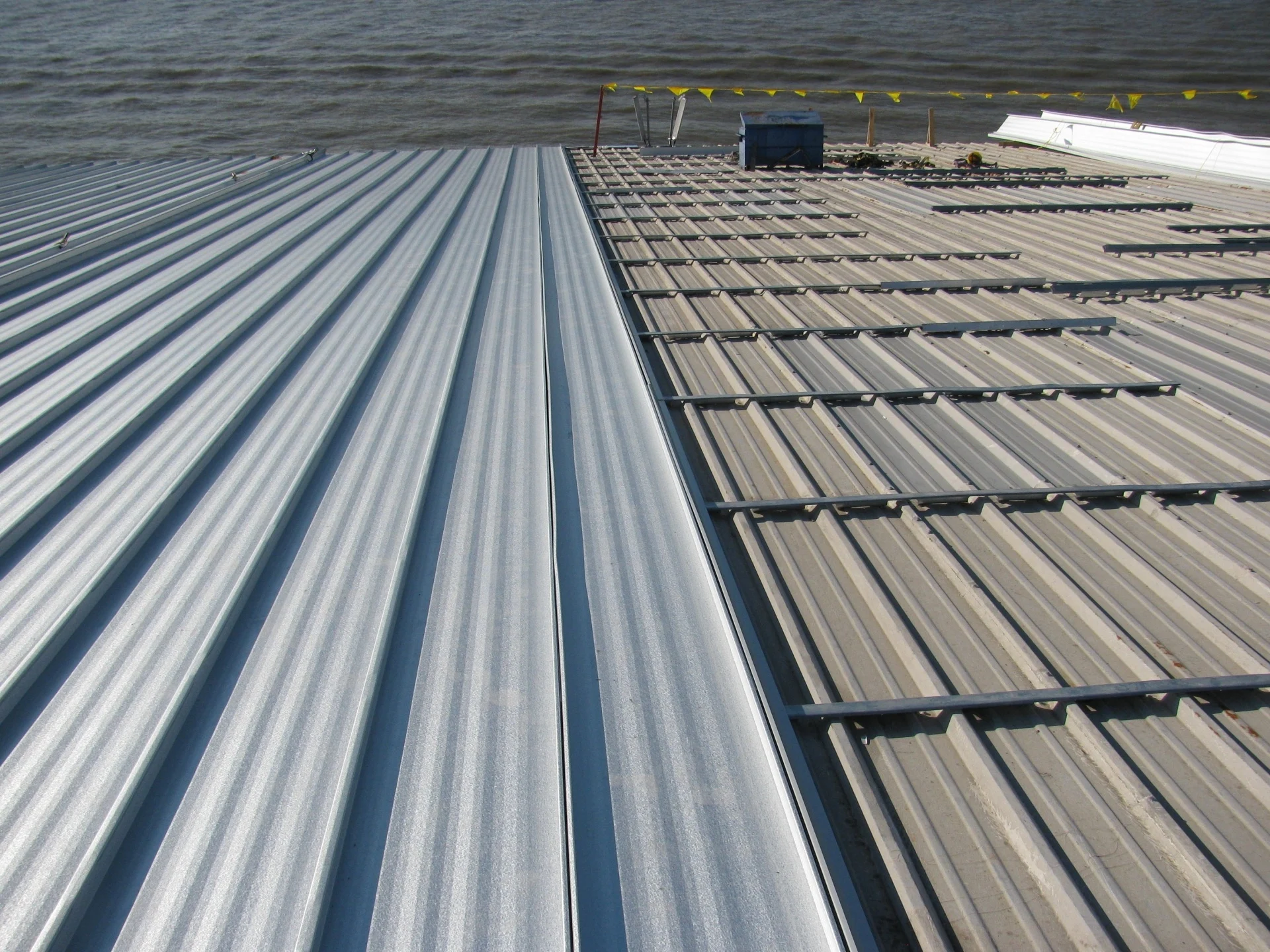
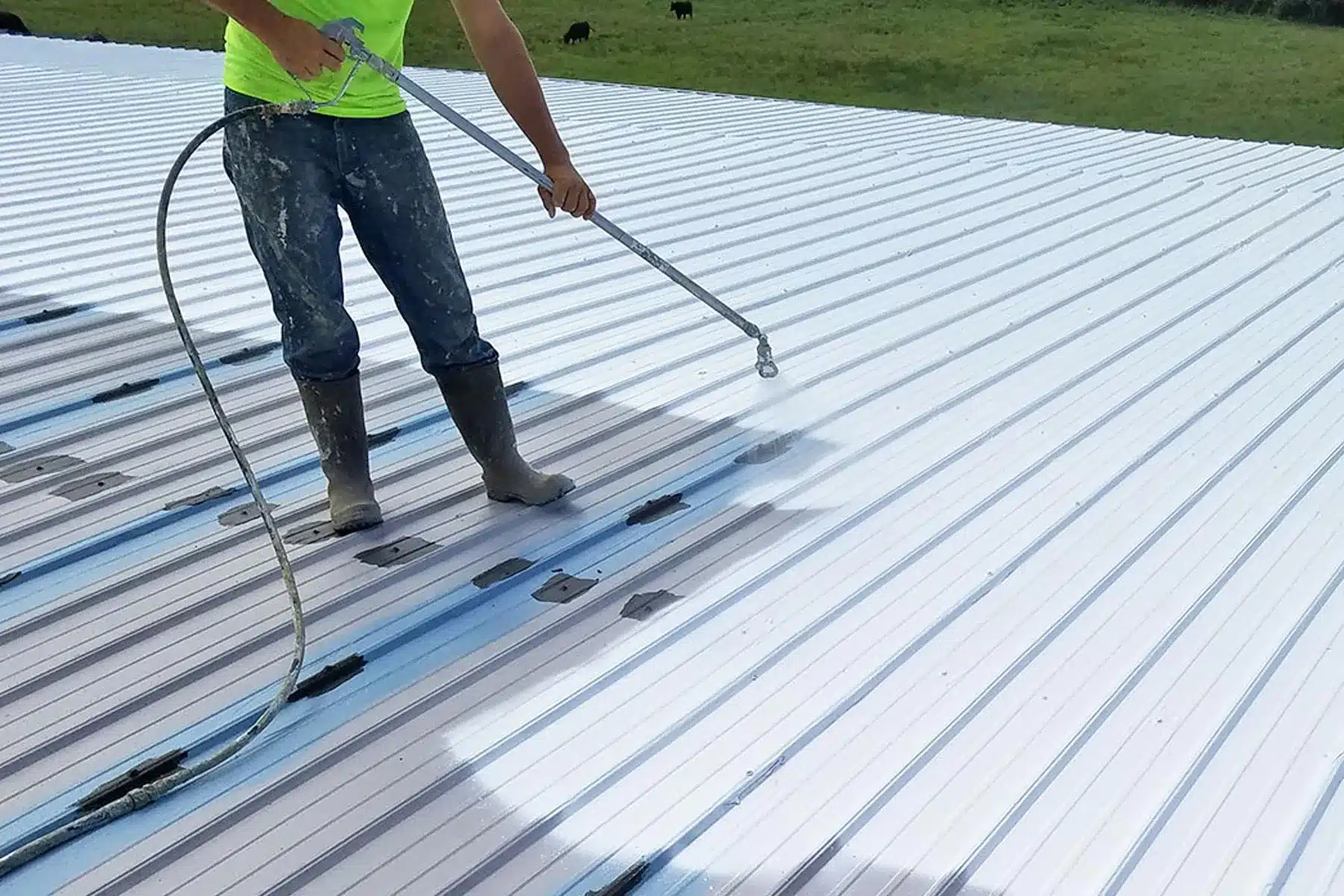
On a commercial roofing project in Miami-Dade County, the contractor has a crew on your roof and you are not there. The fastener pattern in the perimeter zones is either correct or it is not. The adhesive coverage rate on the fully adhered system either meets the NOA-approved specification or it does not. An owner rep who knows what to look for is the difference between a documented installation and an installation you are taking on faith.
I serve as the owner's representative on commercial roofing projects across Miami-Dade County — present on-site at critical installation milestones, verifying NOA-compliant installation against the specification, documenting progress with date-stamped photographs, and maintaining a daily log that gives the building owner a complete record of what happened on their roof.
The HVHZ environment makes owner-rep oversight materially more valuable on Miami roofing projects than on comparable projects in inland markets. The three-zone fastener pattern is the primary uplift resistance mechanism for mechanically attached TPO and EPDM systems — and the fastener pattern is documented by counting fasteners per zone during installation, not by testing the finished roof. If the corner zone pattern is installed at field-zone density and no one is counting during installation, the error cannot be detected after the membrane is installed without destructive testing. I count fastener patterns during installation.
I am not a project manager working for the contractor. My obligation is to the building owner. When an installation deviates from the specification or the NOA-approved assembly — wrong membrane thickness, insufficient fastener density, adhesive coverage rate below the NOA minimum, penetration flashing not to the manufacturer's published detail — I document the deviation and notify the owner, who then decides how to direct the contractor. The contractor does not receive final payment until all documented deviations are corrected and re-inspected.
Pre-Construction Verification
Before the first crew shows up on the roof, I verify that the project documentation is complete and that the contractor is positioned to execute the NOA-compliant scope. That means: Miami-Dade or municipal building permit in hand (not pending, in hand), NOA approval numbers for the complete assembly as installed verified against the current Miami-Dade product approval database, manufacturer's field representative contact confirmed and inspection date scheduled, material delivery orders confirmed against the specification (membrane manufacturer, product code, thickness), and the three-zone fastener pattern design reviewed against the ASCE 7 design pressure for the building.
Material verification at delivery is a specific check I perform on the first delivery day. Membrane rolls are checked against the specification — manufacturer, product code, thickness, and Miami-Dade NOA approval number on the packaging. Insulation board is checked for type, thickness, and R-value. Fasteners are checked for type and length. If delivered materials do not match the NOA-approved assembly specification, I flag the discrepancy before installation begins.
Pre-construction I also confirm that the contractor has the required Miami-Dade permit posted, that the contractor's license is current, and that the subcontractors on the crew have the required authorization from the general contractor's license. In Miami-Dade, the licensed roofing contractor of record must be present or have a designated supervisor on-site during roofing installation — I verify supervisor credentials at the first day of production.
Construction Oversight
During production, I am on-site at the milestones that matter for HVHZ compliance and manufacturer warranty: substrate inspection before membrane installation, insulation installation and fastener pattern in the first zone, membrane installation commencement with seam welding temperature verification (for heat-welded TPO and PVC), perimeter zone fastener pattern, corner zone fastener pattern, drain installation, and perimeter edge metal and coping installation.
I do not need to be on-site every hour of every production day to provide effective oversight. The critical verification points are specific, and my presence at those points — documented with date-stamped photographs against the specification — creates a record that the installation was observed and verified at the moments that matter. My daily log records what work was completed each day, what I observed, any deviations from the specification, and how those deviations were resolved.
Miami's hurricane season production schedule requires specific attention to daily dry-in. I confirm at the end of each production day that all torn-off sections are properly dried in before the crew leaves the site. Miami's afternoon thunderstorm pattern from June through September means that any section left open overnight is a water damage event waiting to happen. I document dry-in status in the daily log with a photograph of each secured section.
Closeout and Punchlist Management
Project closeout for a Miami commercial roof is a multi-step process that I manage on behalf of the building owner: the manufacturer's field representative inspection (which must occur before the warranty is issued), the Miami-Dade or municipal final inspection, punchlist resolution, and delivery of the complete closeout documentation package. I do not recommend that the building owner accept the work or release final payment until all three are complete.
The closeout documentation package I deliver to the building owner includes: the manufacturer warranty document, the manufacturer field inspection report, the Miami-Dade certificate of completion, the NOA approval documentation for the installed assembly, the three-zone fastener pattern certification from the contractor, the photo-keyed as-installed zone diagram, all daily inspection logs and photographs, and the annual maintenance contract.
For Brickell and Downtown Miami office buildings with institutional ownership, the closeout package is typically delivered to the property manager and the asset owner's facilities team simultaneously. I produce an executive summary of the closeout findings — no deviations, or a log of all deviations and their resolution — so that the asset owner's team has a one-page summary alongside the full documentation file.
Frequently asked questions
How much does owner rep oversight cost on a Miami commercial roofing project?
Owner rep fees are structured on a time-and-materials basis or as a fixed fee based on project size and expected oversight hours. For a Miami commercial reroof in the 30,000 to 80,000 sq ft range with a 3 to 4 week The fee for that level of engagement is typically 2 to 3 percent of the construction contract value — which is well within the margin that documented NOA compliance and fastener pattern verification can recover if a non-compliant installation is caught and corrected rather than left in place.
Do you coordinate with the general contractor or act independently?
I work independently on behalf of the building owner. I communicate with the general contractor and roofing contractor about what I am observing and what I am documenting, but my reporting goes to the building owner. When I identify a deviation from the NOA-compliant specification, I document it and notify the owner — the owner decides whether to direct the contractor to correct the deviation or accept it. I do not have authority to direct the contractor, and I do not negotiate correction scopes on behalf of the contractor.
What happens if the owner rep identifies a NOA compliance deviation during construction?
I document the deviation with date-stamped photographs and a written description of the specific specification requirement the installation fails to meet. I deliver that documentation to the building owner and the contractor simultaneously. The contractor has an opportunity to respond with a proposed correction. If the deviation is corrected and re-inspected, the correction is documented in the project log. If the deviation is not corrected, the owner has a documented record that supports withholding final payment and pursuing warranty claim denial prevention before the warranty is voided by a non-compliant installation.
Do you provide owner rep services for phased projects or multi-year replacement programs?
Yes. Some Miami commercial building owners replace roofing systems in phases over two to three years — prioritizing the most deteriorated sections first and budgeting subsequent phases as capital allows. I provide oversight on each phase and maintain the project documentation record across phases so that the warranty documentation and NOA compliance record is continuous even when the installation is phased.
Have someone on your side for the next Miami commercial roofing project.
Our project managers provide owner-side oversight — NOA compliance verification, fastener pattern documentation, daily logs, and closeout management — so you have a complete record of what was installed and how.
Explore More
- Roof Asset Management
- Condition Reporting
- Roof Zone Mapping
- Maintenance Program Management
- Life Cycle Cost Analysis
- Occupied Building Reroofing
- Expansion Joint Repair
- Capital Planning Support