Roof Asset Management
Miami, FL · Capabilities

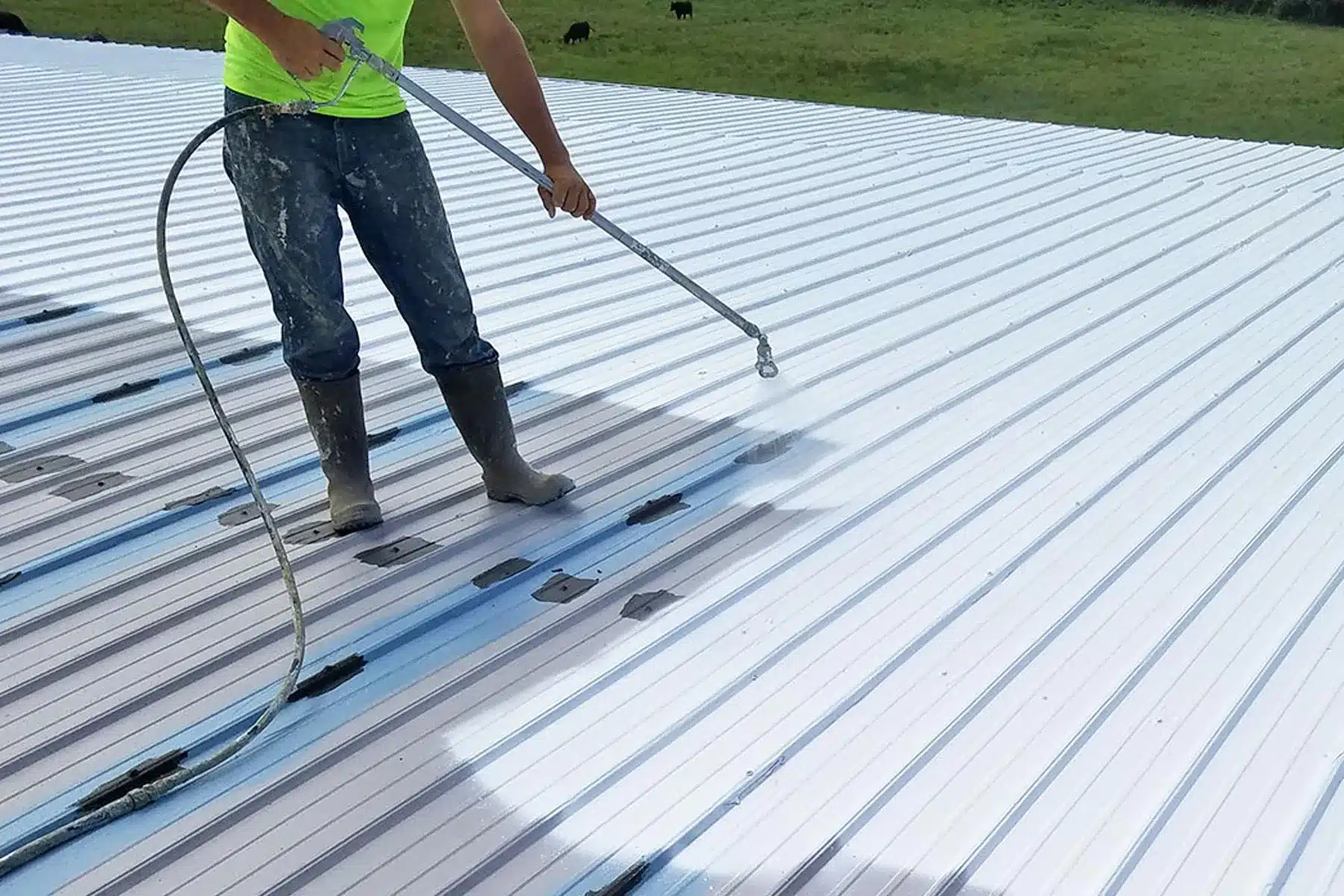
Managing a commercial roof in Miami is not the same as managing one in Miami or Miami. The asset has a hurricane exposure profile, an NOA compliance obligation, a coastal degradation rate, and a warranty structure — and those four things interact in ways that a generic asset management program does not account for.
A commercial roof in Miami-Dade is a capital asset with a defined service life, a documented warranty structure, a specific code-compliance obligation under Miami-Dade's High-Velocity Hurricane Zone requirements, and a degradation rate driven by conditions that do not apply in most of the country. Our roof asset management program is centered on the specific variables that determine asset performance in South Florida — not a national template adjusted for zip code.
The core of our program is the asset file we maintain for each roof under management. The file holds the original installation documentation — NOA approval numbers, fastener pattern design, warranty certificate and coverage terms — along with every inspection report, every repair record, and every capital recommendation we have issued for the roof. When an owner needs to answer a question from an insurance underwriter, a new property manager, or a prospective buyer's due-diligence team, that file is the answer. It is the continuity of record that proves the roof has been maintained, warranty-compliant, and assessed against a documented standard.
We manage roofs across Brickell Class A towers, Wynwood creative office buildings, Hialeah industrial warehouses, Doral logistics facilities, and Miami Beach hospitality properties. Each of those building types has a different inspection cadence, a different vulnerability profile, and a different capital planning horizon. Our program adjusts to the building type rather than fitting every building into the same schedule.
What a Managed Roof File Contains
Installation documentation: For every roof we take under management, we collect or reconstruct the original installation record — the Miami-Dade NOA approval numbers for the assembly, the warranty certificate with coverage terms and exclusions, the fastener pattern design documentation, and the original permit and final inspection records. If the original paperwork does not exist (common for pre-2000 roofs in Miami-Dade), we document the existing system from field observation and note what documentation gaps exist.
Inspection history: Every inspection report we produce is retained in the asset file in chronological order. The photo logs, condition matrices, and scope recommendations from each inspection build a condition timeline. That timeline is what distinguishes a maintained roof from an unmaintained one — and it is what a manufacturer warranty team reviews when a claim is filed.
Repair and maintenance log: Every repair we perform — emergency or planned — is logged against the zone where it was completed, the date, the materials used, and the NOA approval status of those materials. If a repair uses a non-standard detail or a material that is not in the original NOA-approved assembly, we note it and flag the owner on the compliance implication.
Capital planning projections: Each annual review produces an updated capital projection — current condition score by zone, estimated remaining service life by zone, and projected replacement cost in the current and next two capital years. For owners with multiple Miami properties, we roll these up into a portfolio capital plan.
How We Handle Hurricane Season in Asset Management
Hurricane season creates two specific obligations for managed roofs: pre-season condition assessment and post-storm documentation. Every building under our management program receives a pre-season inspection in April or May. We flag any parapet flashing, perimeter edge metal, or equipment curb condition that represents an elevated risk under hurricane-force wind — and we prioritize completing those repairs before June 1.
Post-storm, we prioritize inspections on managed buildings before non-contract work. Buildings that sustain wind or water damage during a storm event receive a damage documentation inspection before any repair work begins — because pre-repair documentation is what makes an insurance claim defensible. We photograph the damage against the zone diagram, write a damage description that distinguishes storm-caused damage from pre-existing deterioration, and produce the documentation package the building's insurer will request.
For actively managed buildings, we also maintain emergency dry-in materials on site during the peak of hurricane season (August through October) so that emergency response after a storm event is not dependent on material procurement timing in a post-storm supply environment.
Portfolio Management for Miami-Dade Multi-Property Owners
Owners with three or more Miami-Dade properties benefit from centralized asset management across the portfolio. We maintain a single asset file structure for each property but deliver consolidated reporting — a portfolio-level capital plan showing which properties are approaching major replacement cycles, which are in active warranty periods requiring documented maintenance, and which are candidates for recover versus replace in the next three years.
Miami's commercial real estate transaction pace means portfolios change hands regularly. When a portfolio sells, we provide the acquiring owner's due-diligence team with the full asset file for each property — inspection history, warranty status, repair log, and current capital projection. That documentation package is a real asset in the transaction, because it reduces the uncertainty in the buyer's capital reserve calculation.
Frequently asked questions
What does it cost to put a building under roof asset management?
The program cost depends on roof size, number of roofs in the building, inspection frequency, and whether the building is in a standard or high-priority location (Biscayne Bay waterfront properties with salt spray exposure, for example, have different inspection requirements than inland Doral warehouses). We price the program when we see the building — after a baseline inspection that establishes the current asset file.
Can you take over management of a roof that has an existing warranty with another contractor?
Yes. We collect the warranty documentation, review the coverage terms and maintenance requirements, and build the inspection and maintenance schedule to If the warranty requires inspections or maintenance by the original installing contractor, we document that and advise the owner on whether the warranty coverage is actually in good standing before we take over the management program.
How do you handle roofs that are past warranty life but not yet replaced?
We manage these on an annual inspection basis with a repair-as-needed protocol and a capital planning recommendation. A post-warranty roof in Miami is not automatically at end of serviceable life — a well-maintained 20-year-old TPO roof that has been kept in good condition can remain serviceable for several more years. The inspection and repair protocol keeps it performing while the owner plans the replacement capital.
Do you manage roofs on high-rises in Brickell and Downtown Miami?
Yes. High-rise commercial and mixed-use buildings in Brickell, Downtown, and Edgewater are part of our active management portfolio. High-rise work involves crane coordination, building management company communication protocols, and tenant notification requirements that are different from suburban or industrial work — our program accounts for those operational requirements.
Get a baseline assessment and asset management proposal for your Miami building.
We will walk the roof, build the asset file from existing documentation, and propose a management program calibrated to your building's condition, warranty status, and hurricane exposure.
Explore More
- Capital Planning
- Infrared Roof Scanning
- Manufacturer Warranty Management
- Owner Rep Services
- Replacement Vs Recover Analysis
- EPDM Roofing
- Manufacturing Facility Roofing
- Solar Roof Integration