Roof Zone Mapping
Miami, FL · Capabilities
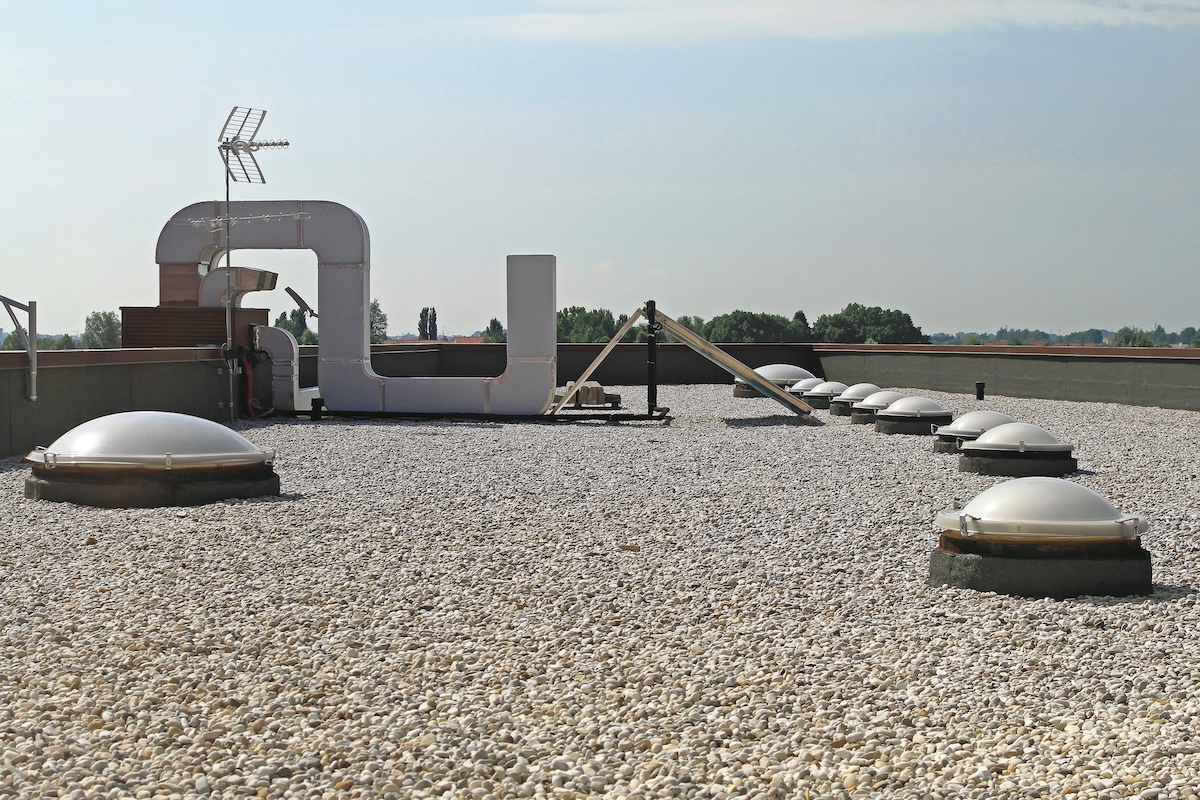

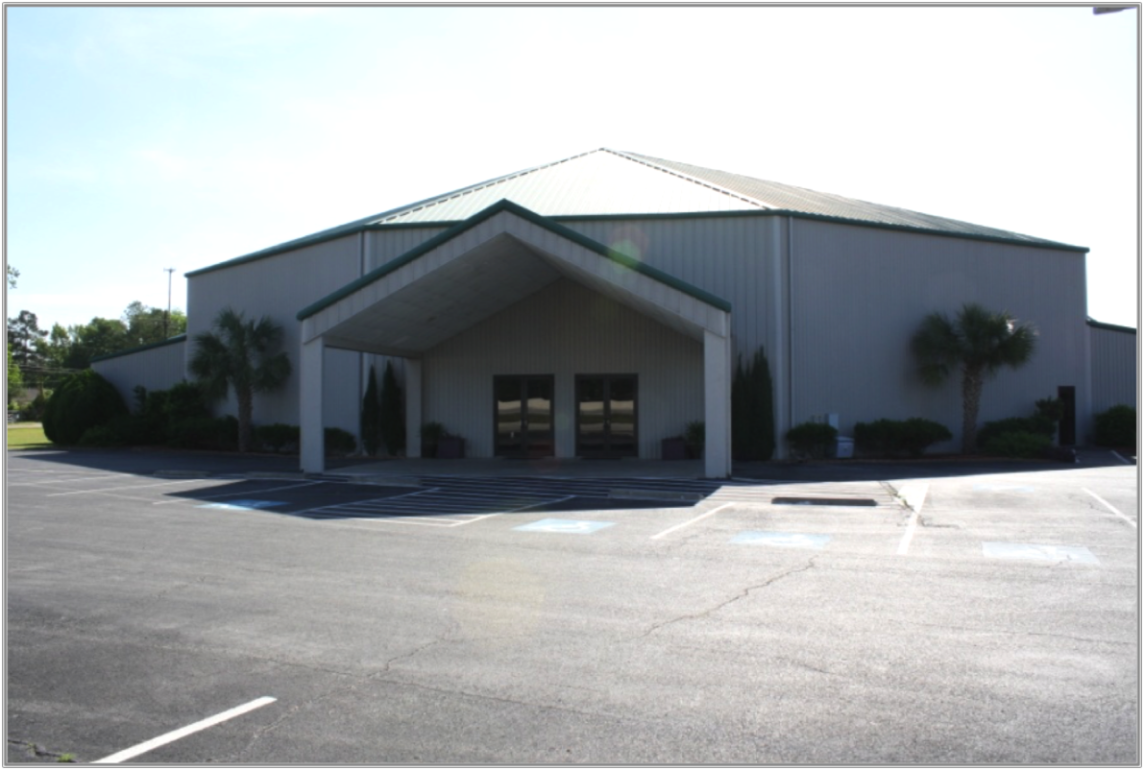
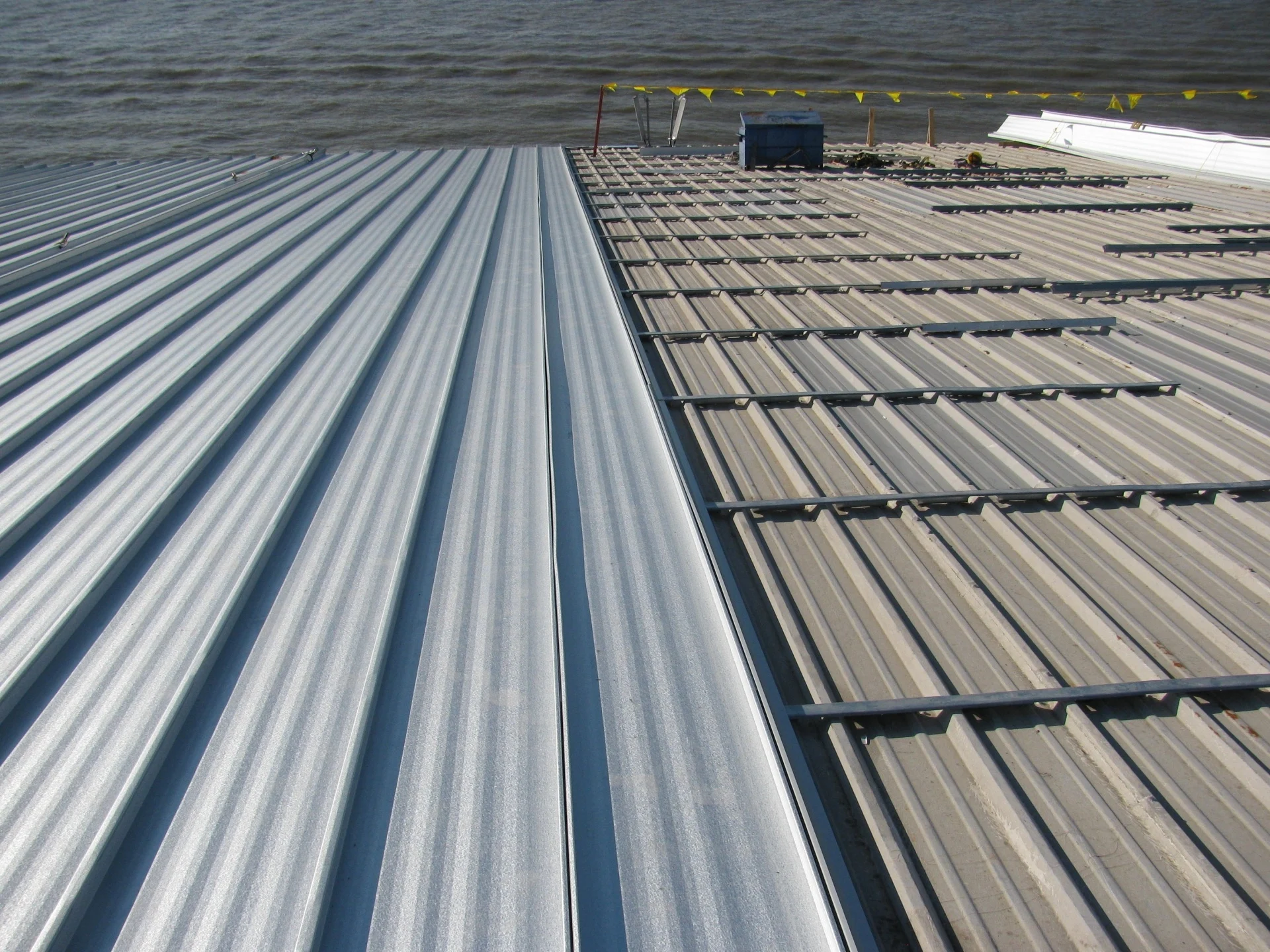
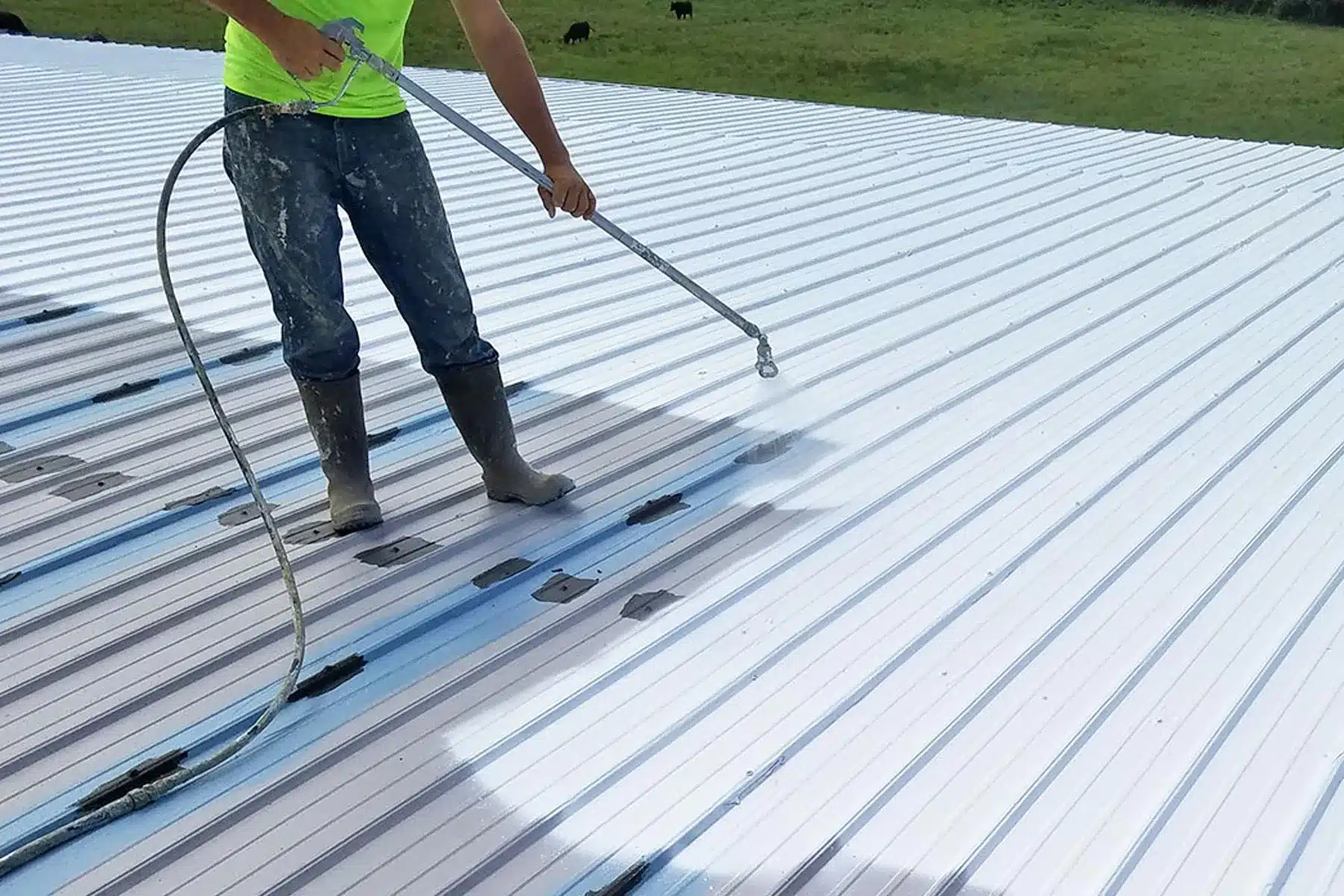
A zone diagram is the foundation that makes every subsequent inspection, moisture survey, repair record, and capital planning document accurate and usable. Without it, the inspection history for a Miami commercial roof is a collection of disconnected snapshots with no common reference frame.
Zone mapping is not a glamorous service. It is also the one that makes everything else we do accurate and useful over time. When we establish a zone diagram for a Miami commercial roof — a numbered grid overlaid on the building's actual roof layout, with each zone number appearing consistently in every inspection log, every repair record, every moisture survey, and every capital plan — we create a shared reference frame that makes the entire asset record coherent. A repair documented as 'southeast corner parapet' in one report and 'upper left section' in another and 'Zone 14-A' in a third is three separate events to anyone reading the record. The same repair documented as Zone 14 in all three reports is a single documented condition with a history.
For Miami commercial buildings, zone mapping carries an additional layer of significance that does not apply in most markets: the FBC High-Velocity Hurricane Zone wind-uplift design for the roof assembly designates specific zones — field, perimeter, and corner — that have different fastener density requirements derived from ASCE 7 design pressures. Those wind-uplift zones need to be identifiable in the installation documentation, in any subsequent repair documentation, and in any capital assessment that evaluates whether the existing assembly is still performing within its design parameters. Our zone diagrams incorporate the HVHZ wind-uplift zone designations from the original installation documentation alongside the condition-tracking zone grid.
We create zone diagrams from as-built drawings when they are available, and from field measurement and aerial imagery when they are not. For Miami buildings where the original construction documents are lost or inaccessible — common for pre-1990 commercial properties — we reconstruct the zone diagram from field measurement and match it against Miami-Dade Building Department permit records where possible. The zone diagram is then the document of record for every subsequent service we perform on the building.
What the Zone Diagram Contains
Building outline and roof layout: The perimeter of the building and any setbacks, upper and lower roof sections on multi-level buildings, mechanical penthouses, and rooftop structures. For Brickell high-rises and Miami Beach mixed-use buildings with complex multi-level roof configurations, the zone diagram includes a section designation system that distinguishes between upper roof, podium roof, and any intermediate roof levels.
Zone numbering: Numbered zones across the roof area in a logical grid — we use a consistent numbering convention that runs left-to-right and top-to-bottom on the diagram as oriented (typically north-up). Zone boundaries are drawn at natural break points: drain basins, expansion joints, parapet intersections, and major equipment groupings. Each zone is sized to be photographically documentable in three to five photographs — large enough to be meaningful, small enough for the photo documentation to be zone-specific rather than general.
HVHZ wind-uplift zone designations: Field zone, perimeter zone, and corner zone overlaid on the numbered zone grid, derived from the building's dimensions and ASCE 7 zone width calculations. This overlay is what makes the zone diagram useful for both condition tracking and FBC compliance documentation. When a repair is documented in Zone 8 and Zone 8 falls in the perimeter uplift zone, the repair record is automatically associated with the higher-risk wind zone.
Drain locations and flow patterns: Drain basin boundaries and primary drainage flow direction noted in each zone. Miami's rainfall intensity makes drain condition and flow pattern documentation particularly important — a zone that should drain to one internal drain but is actually ponding because of differential settlement draining to a parapet edge scupper is a condition that the zone diagram should reflect.
Zone Mapping for Buildings Acquired Without Records
Miami's commercial real estate market moves fast, and building acquisitions frequently come with incomplete documentation packages. Pre-1990 commercial buildings in particular often lack as-built drawings, original roofing specifications, and installation permit records that would confirm the NOA-approved assembly and wind-uplift design. For these buildings, we construct the zone diagram from field measurement and aerial imagery, and we investigate available records through Miami-Dade Building Department's online permit portal.
The zone diagram we create for an undocumented building serves as the foundation for everything that comes after it: the baseline condition inspection, the moisture survey if one is warranted, and the capital plan. It also serves as the starting point for a compliance review — the diagram identifies the building's perimeter and corner zone dimensions, which allows us to estimate the minimum fastener density requirements under current FBC HVHZ standards and compare them against the observable fastener pattern in existing membrane sections where penetration is feasible.
Updating Zone Diagrams After Building Modifications
Commercial buildings in Miami change over time. HVAC equipment is replaced or added — new curbs, new penetrations, new condenser line runs through the membrane. Rooftop solar arrays are installed on existing membrane systems. A portion of the roof is converted to a green roof. Tenant buildouts add exhaust penetrations. Each of these modifications changes the roof layout in ways that the original zone diagram does not reflect.
We update zone diagrams when we document new equipment installations or penetrations during routine inspections. If a building undergoes a significant rooftop modification — a large solar array, a new mechanical penthouse, a major tenant improvement that involves multiple new penetrations — we update the zone diagram as part of the modification documentation. The updated diagram version-dates the change, so the inspection history record notes which inspections were conducted against which version of the zone layout.
Frequently asked questions
Do I need a zone diagram if I only want an inspection?
If you have an existing zone diagram from a prior contractor that we can reference, we use it. If there is no existing zone diagram, we create one as the first step in the inspection process — without it, the inspection deliverable is a collection of photographs that cannot be cross-referenced to a prior or future inspection. For one-time inspections, the zone diagram is included in the inspection service. For ongoing managed maintenance, it is established at the start of the management program.
Can you create a zone diagram for a Brickell high-rise with multiple roof levels?
Yes. Multi-level roof configurations — podium roofs, tower roofs, mechanical level roofs, setback roof decks — are common in Brickell and Downtown Miami. We create section-designated diagrams that distinguish each roof level and maintain consistent zone numbering across the full building roof inventory. For properties where the building management team needs access to the diagram for facility coordination, we provide a digital version.
How does the HVHZ wind-uplift zone overlay affect how repairs are documented?
Any repair that is in a perimeter or corner wind-uplift zone is noted as such in the repair record. This matters because perimeter and corner zone repairs need to use materials and methods consistent with the original NOA-approved assembly for the higher-wind-uplift zones — not generic repair materials that might be appropriate in the field zone but are insufficient in the perimeter. The zone overlay makes that distinction automatic in our repair documentation.
What format is the zone diagram delivered in?
We deliver a PDF version for the building file and for use in inspection reports, and a high-resolution image file for digital asset management systems. For buildings managed through a property management company's facilities platform, we can provide the zone diagram in the format the platform requires. We retain the working version in our project management system for direct use in producing inspection deliverables.
Establish a zone diagram for your Miami commercial roof.
Our project managers measure the building, map the roof layout including HVHZ wind-uplift zones, and produce the foundational document that makes every subsequent inspection, moisture survey, and repair record accurate and cross-referenceable.
Explore More
- Manufacturer Warranty Management
- Owner Rep Services
- Replacement Vs Recover Analysis
- Warranty Coordination
- Moisture Survey Services
- Silicone Roof Coating
- Restaurant Roofing
- Roof Inspections