Third Party Quality Inspection
Miami, FL · Capabilities
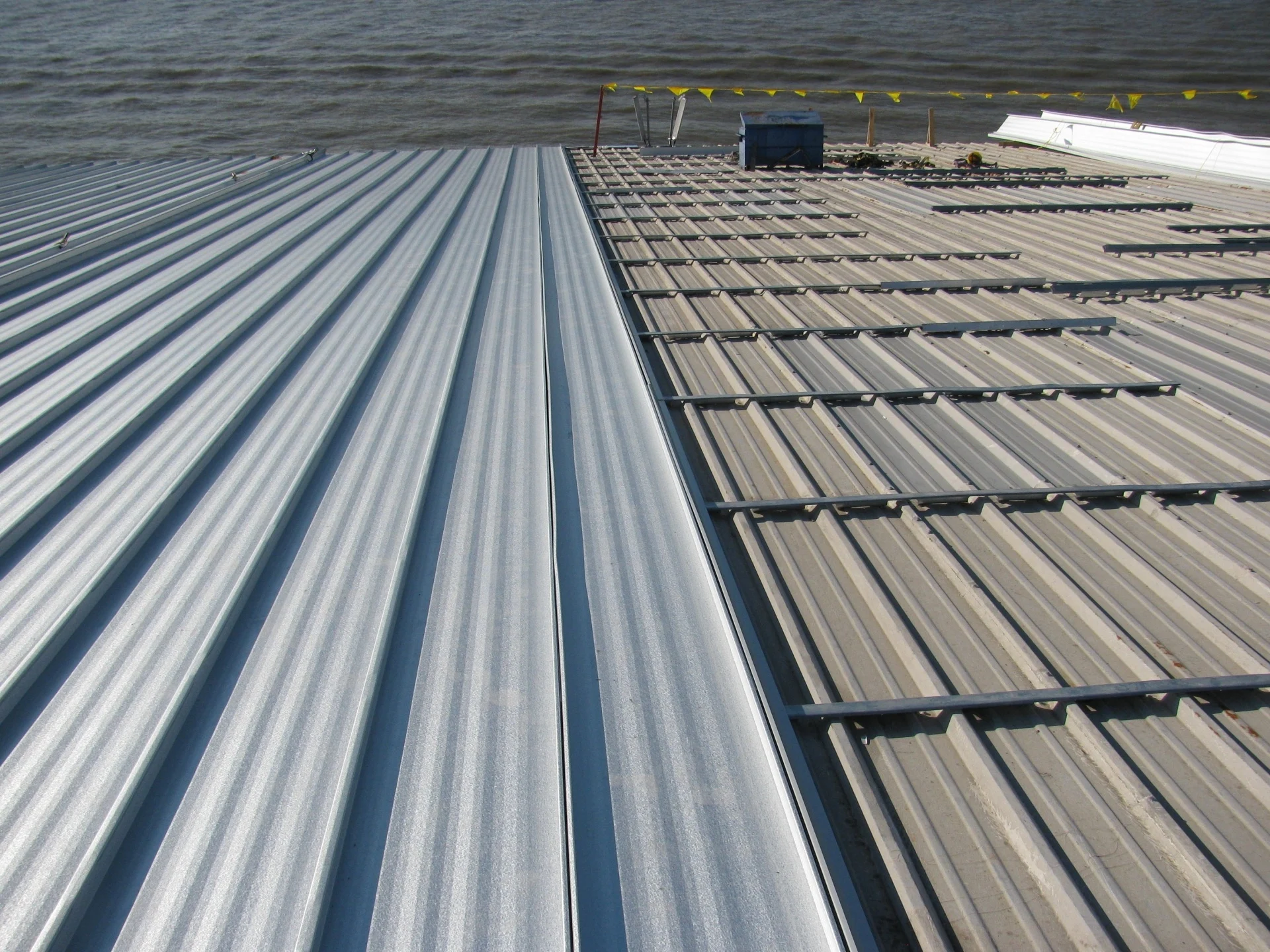
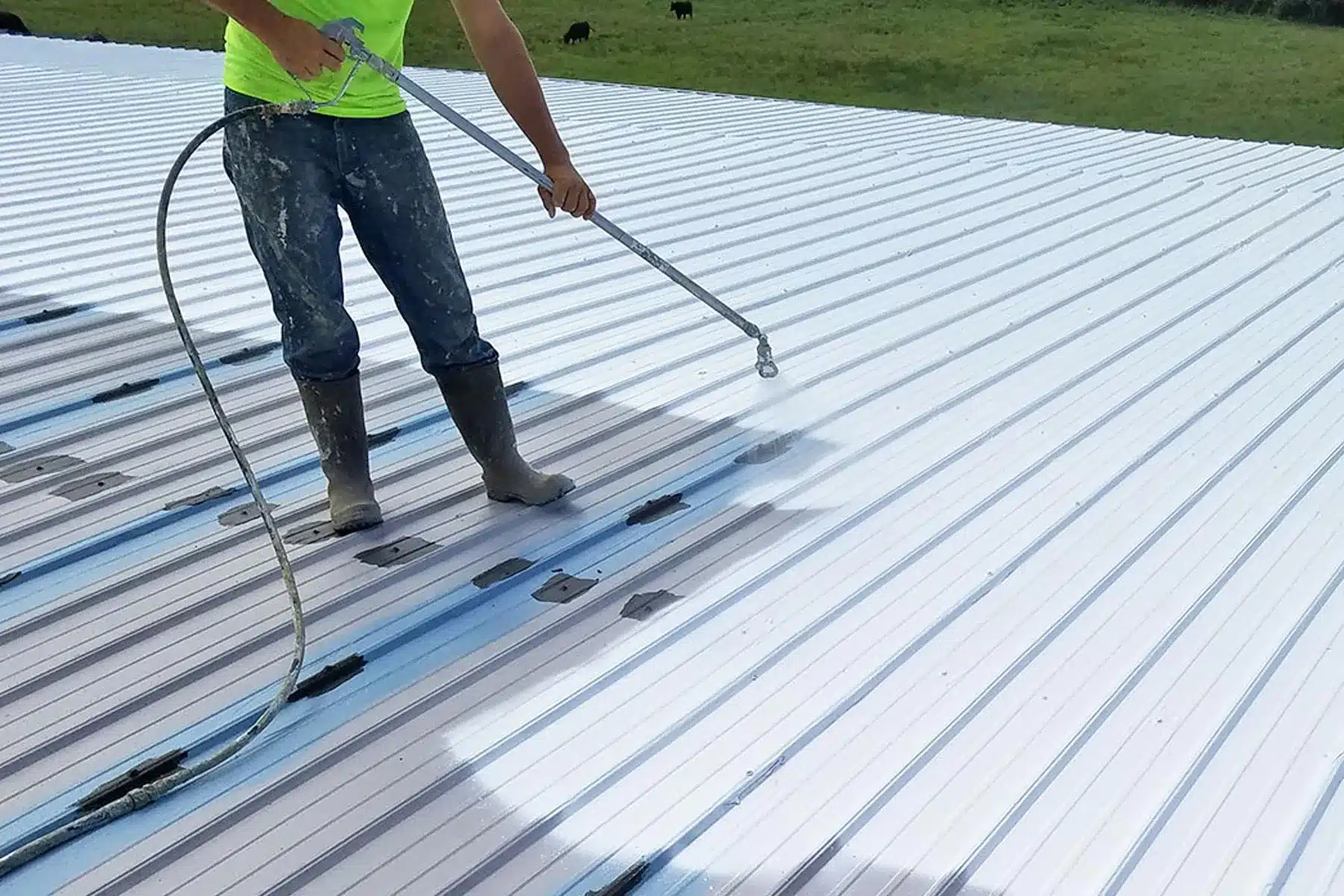
A third-party quality inspection is not the same as the Miami-Dade building department inspection. The building department inspector verifies that the permit is active and that the installation broadly conforms to the approved plans. A third-party quality inspector verifies that the NOA-approved assembly was actually installed as specified — fastener pattern in all three zones, seam weld integrity, adhesive coverage, penetration flashing details — and produces documentation the building owner can use.
I conduct independent third-party quality inspections for commercial roofing installations across Miami-Dade County. My inspections are independent of the installing contractor, the building department, and the manufacturer's field representative — the three parties whose inspections are standard on every Miami commercial roofing project, and none of whom work exclusively for the building owner's interests.
The Miami-Dade HVHZ environment makes third-party inspection more valuable on South Florida commercial projects than on comparable projects in other markets. The fastener pattern in the field, perimeter, and corner zones is the primary hurricane-uplift resistance mechanism for mechanically attached single-ply systems — and the pattern is only verifiable during installation. A third-party inspection that includes fastener counting in each zone during installation provides documentation that a post-installation inspection cannot replicate. For buildings where the installation is already complete, I use non-destructive seam testing and visual assessment to establish a documented condition baseline.
Third-party inspection reports are used for multiple purposes in the Miami commercial property market: to support manufacturer warranty claims, to document installation quality for property sale due diligence, to establish a condition baseline for insurance underwriting purposes, and to verify NOA compliance when a building's prior installation documentation is incomplete or unavailable.
Mid-Installation Inspection Protocol
A mid-installation third-party inspection — conducted during production, not after — is the most valuable inspection point for mechanically attached single-ply systems. I verify the fastener pattern in all three zones against the ASCE 7-derived design pressure for the specific building. For a Brickell mid-rise office building at Risk Category II with a 40-foot roof height and the exposure category that applies to a building in the Brickell financial district, the corner zone fastener density may need to run 50 to 100 percent tighter than the field zone. I verify actual as-installed density against the design.
For fully adhered systems, I verify adhesive coverage rate and application pattern during installation. Miami-Dade's NOA system requires specific adhesive coverage rates and application methods for fully adhered assemblies — the coverage rate is the uplift resistance mechanism, and the required rate varies by manufacturer and system. I photograph adhesive application in multiple locations before the membrane is set, documenting that coverage meets the NOA minimum.
Seam weld inspection on heat-welded TPO and PVC systems includes temperature verification (welding temperature must be within the manufacturer's specified range, which varies by ambient temperature and membrane temperature on Miami's high-temperature roof surfaces) and probe testing of completed seams. Every seam I probe is documented — pass or fail — in the inspection log. A seam that fails probe testing during installation is repaired immediately; a seam that fails after the project is complete is a much more expensive problem.
Post-Installation and As-Built Inspection
For installations that are complete by the time a third-party inspection is commissioned — which is the typical situation for property acquisitions, refinancing, and insurance documentation — I conduct a post-installation condition assessment that is distinct from what the Miami-Dade final inspection covers. My post-installation inspection documents every accessible roof area with date-stamped photographs keyed to a zone diagram, records the current condition of all perimeter flashings, drain sumps, penetration flashings, and equipment curb flashings, and identifies any open defects or conditions that warrant repair.
I also review the available installation documentation — the permit, the NOA approval records, the manufacturer warranty if one was issued, and any prior inspection records — and assess whether the documentation is consistent with the current as-built condition. Buildings where the installation documentation is incomplete or inconsistent with what is visible in the field get a written assessment of the documentation gap and what additional verification (such as fastener pull-out testing or core cuts) would be needed to close it.
For property acquisitions and refinancing due diligence in the Miami market, third-party inspection reports are increasingly requested by lenders and underwriters. A Class A Brickell office tower refinancing involves a building of substantial value and roof replacement costs in the range of $1.5 million to $4 million for a full system replacement. A third-party inspection that documents current condition, remaining useful life, and the capital replacement horizon gives the lender's underwriter a basis for evaluating the roof asset that is independent of the seller's representations.
Specialty Verification: Fastener Pull-Out and Core Analysis
When visual inspection cannot determine whether a mechanically attached system's fastener density meets HVHZ design requirements — typically because the installation documentation is unavailable or contradicts what is visible — I can coordinate fastener pull-out testing through a geotechnical or materials testing laboratory. Pull-out testing measures the actual withdrawal resistance of installed fasteners through the membrane, insulation, and into the deck. The results are compared to the design withdrawal resistance required to achieve the ASCE 7 design pressure for each zone.
Core analysis — cutting small circular cores through the membrane and insulation — provides direct verification of the as-installed assembly composition: membrane type and thickness, insulation type and R-value, attachment method at the insulation-to-deck interface, and deck condition immediately under the insulation. Core analysis is the most reliable method for verifying NOA-compliant assembly composition when installation records are unavailable.
I interpret pull-out test results and core analysis data against the FBC HVHZ requirements and the NOA approval for the specified or as-installed assembly, and report findings in a format that building owners, property managers, lenders, and insurance underwriters can use. The report identifies specific zones where the installation meets design requirements and specific zones where additional verification or remedial work is indicated.
Frequently asked questions
Is a third-party inspection required for Miami-Dade commercial roofing projects?
It is not required by Miami-Dade Building Code — the building department's inspection process is the code-required verification. But for building owners who want documentation that the NOA-compliant installation was actually verified by an independent party (not just the contractor's own QC and the building department's single inspection), third-party inspection provides that documentation. Manufacturer warranty programs do not require third-party inspection, but warranty claims are supported by third-party inspection documentation in the event of a dispute.
Can a third-party inspection verify an installation that was done without proper permits?
A third-party inspection can document the current as-built condition of an unpermitted installation — assembly composition, fastener pattern (if accessible), seam condition, and flashing details. The inspection cannot retroactively certify that the installation was NOA-compliant at the time of installation. For unpermitted installations in Miami-Dade, the path to a compliant record typically involves coordinating with the Miami-Dade Building Department to assess whether a permit after-the-fact can be issued based on the as-built condition, which may require additional documentation or remedial work.
How quickly can a third-party inspection be completed for a property acquisition?
A single-building third-party inspection for a commercial property in the 30,000 to 100,000 sq ft range can typically be completed within 5 to 7 business days from scheduling — one to two days for the site inspection and three to five days for report preparation and delivery. For acquisitions with tight due diligence windows in the Miami market, I can prioritize scheduling and deliver preliminary findings within 48 hours of the site visit with the full written report following within the standard timeline.
Do third-party inspection reports hold up in warranty claim disputes?
Third-party inspection reports documenting installation conditions are regularly submitted in warranty claim disputes and insurance adjustment proceedings in Miami. A report prepared by an independent inspector — not the contractor, not the manufacturer's representative — that documents fastener pattern, seam condition, and NOA-compliant assembly components carries more weight with a manufacturer's warranty desk than the contractor's own installation certification. The report needs to be based on direct observation and documented with dated photographs to be useful in a dispute context.
Get an independent assessment of what is actually on your Miami roof.
Our inspectors will document the current installation condition, verify NOA-compliant assembly components where accessible, and produce a written report you can use for warranty, insurance, or due diligence purposes.
Explore More
- Warranty Coordination
- Moisture Survey Services
- Competitive Bid Coordination
- Procurement Support
- Replacement Vs Recover Analysis
- Roof Recover Overlay
- Commercial Roof Repair
- Industrial Roofing